Mandarin Orange Liqueur
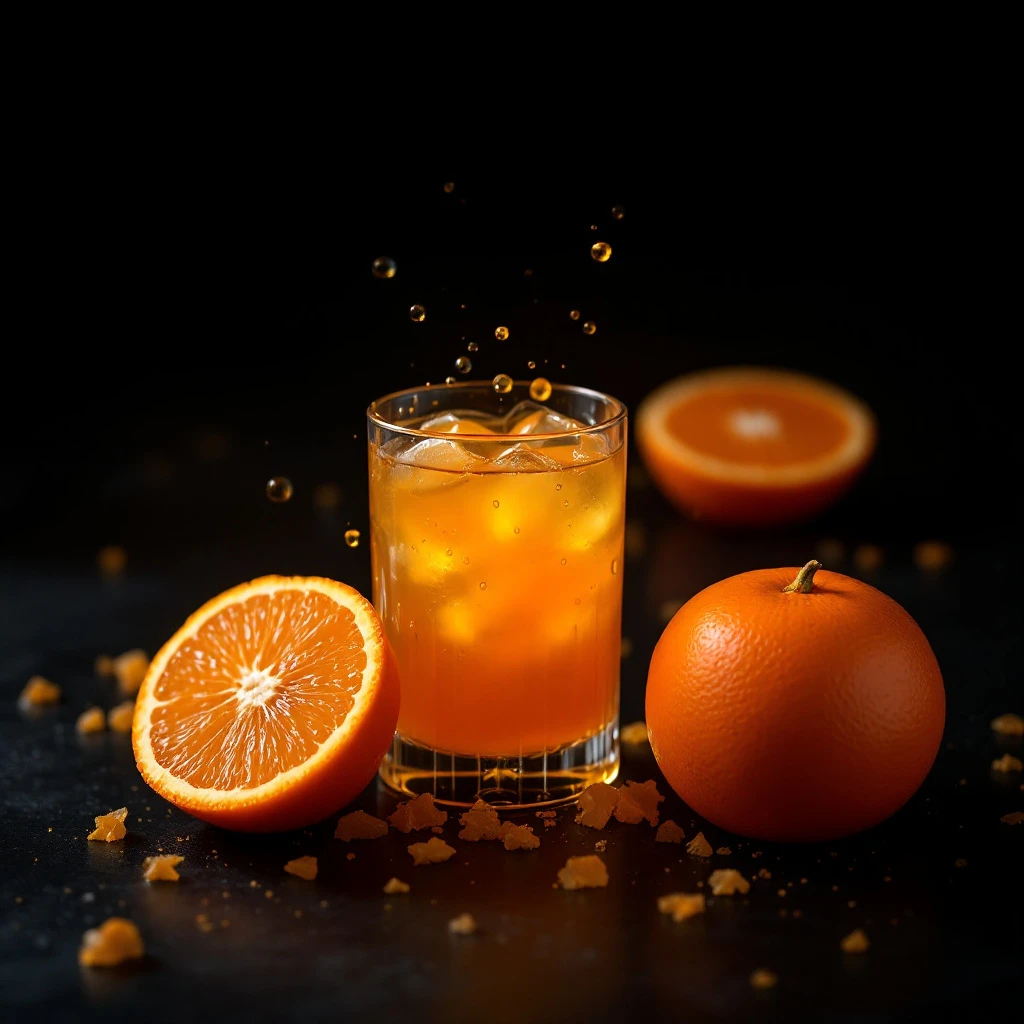
Sun-warmed mandarin peel steeped in alcohol, capturing that first glass of citrus liqueur where sweet fruit meets spirited warmth in a single bright, effervescent note.
Character
How it smells
Sunlit peel with a spirited kick
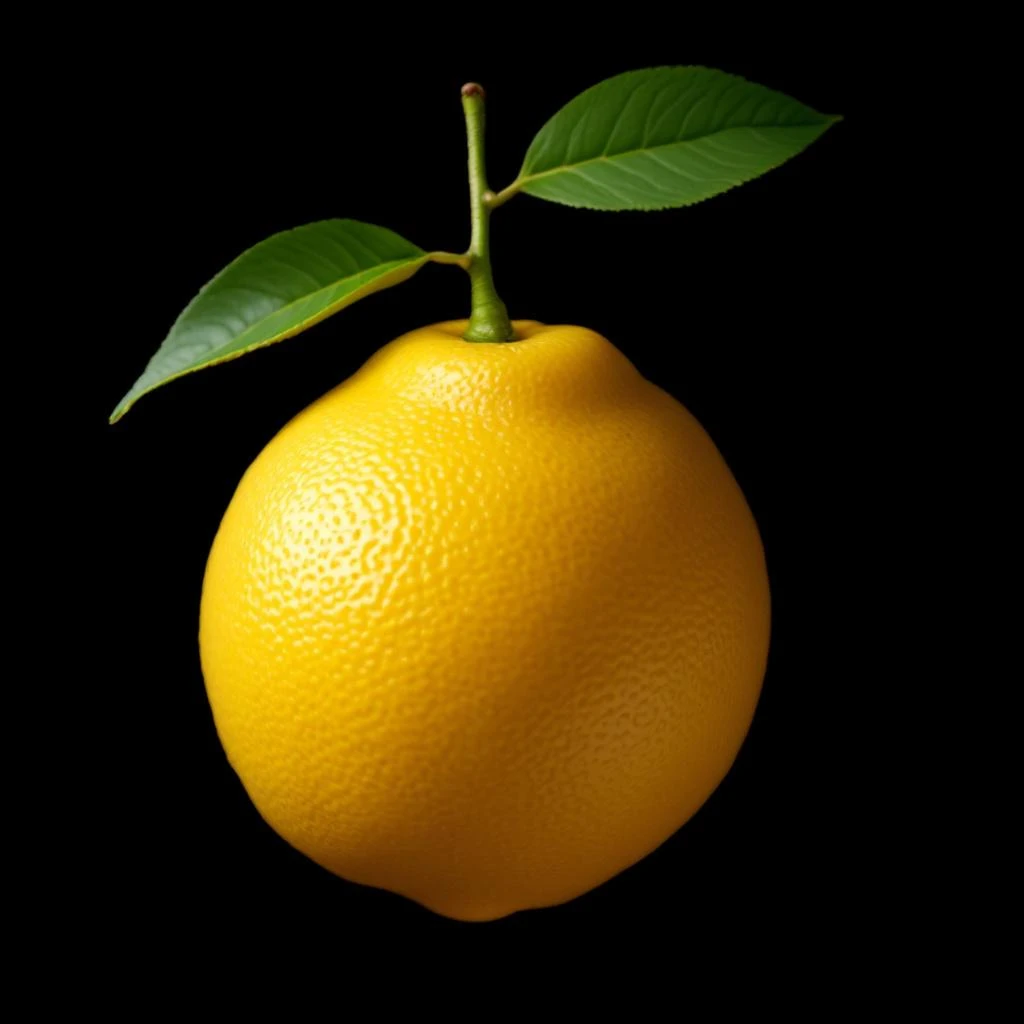
The mandarin orange is a hybrid of pomelo and citron that originated in ancient China, where it was considered an offering of good fortune and reserved for the imperial court for centuries.






Origin
China
The mandarin orange carries one of the deepest histories of any citrus used in fragrance. Its origins trace to ancient China, where it developed as a natural hybrid of pomelo and citron thousands of years ago.
The fruit was so prized that common people were forbidden from cultivating it; only mandarins, the high-ranking administrators who lent the fruit its Western name, could tend the trees. Trade routes carried mandarins westward gradually, reaching Mediterranean Europe centuries after the bitter orange had already arrived via Arab traders in the 9th century.
By the 19th century, mandarin peel oil became a valued perfume material, prized for a sweeter, less sharp character than its bitter orange relative. The liqueur association, evoking Grand Marnier, Cointreau, and Italian mandarinetto traditions, emerged more recently in perfumery as a gourmand turn took hold, blending citrus brightness with the warm, sweet suggestion of alcohol-soaked fruit.
Wears it best
Fragrances featuring Mandarin Orange Liqueur
Brands
Brands known for Mandarin Orange Liqueur
Good to know
Questions, answered
The essentials on Mandarin Orange Liqueur in perfumery: how it smells, where it comes from, and how it behaves on skin.
What does mandarin orange liqueur smell like in perfume?
It smells sweet, zesty, and warm, like biting into a ripe mandarin freshly dipped in a citrus liqueur. The note combines the bright sparkle of cold-pressed peel with a softer, boozy undertone that adds depth to traditional citrus compositions.
How is mandarin orange liqueur note made?
Perfumers start with cold-pressed oil from Citrus reticulata peel, capturing the fruit's bright top-note character. They then blend it with aroma compounds that suggest alcohol maceration, adding sweet, slightly syrupy warmth to the natural citrus burst.
Is mandarin orange liqueur a natural ingredient?
It exists as both a natural-leaning accord and a partly reconstructed note. The base oil is genuinely cold-pressed from mandarin peel, though modern versions often incorporate synthetic aroma chemicals for stability and consistent performance across batches.
Where does the mandarin orange originate?
The mandarin orange originated in ancient China, where it developed as a natural hybrid of pomelo and citron. Historical records show cultivation there for thousands of years, long before the fruit spread westward along trade routes.
What is the difference between mandarin and orange liqueur notes?
Mandarin tends sweeter and more floral with less acidic bite, while generic orange liqueur notes often lean toward bitter orange for sharper complexity. Mandarin liqueur accords usually emphasize warmth and fruitiness over the herbal edge bitter orange provides.
Can mandarin orange liqueur be extracted by steam distillation?
Steam distillation is generally avoided for mandarin peel because the heat damages delicate top-note compounds, producing a flatter, less vibrant oil. Cold expression preserves the fresh, sun-warmed character that makes mandarin so prized in fragrance.
What perfume families use mandarin orange liqueur?
It appears most often in Fougère, Oriental, and Gourmand families, where its warm citrus character bridges fresh top notes with richer heart and base materials like amber, vanilla, or aromatic herbs. It also brightens floral bouquets needing a sparkling opening.
Is mandarin orange liqueur note sustainable?
Mandarin peel oil production is generally considered sustainable, as it uses a byproduct of the fruit juice industry. Cold expression requires minimal energy and water compared to distillation, though sourcing transparency varies by supplier.