Malvasia Grape
Malvasia Grape captures the sun-drenched essence of Mediterranean winemaking heritage. This aromatic extract carries the honeyed sweetness and subtle floral complexity that made Malvasia wines legendary across centuries of trade routes.
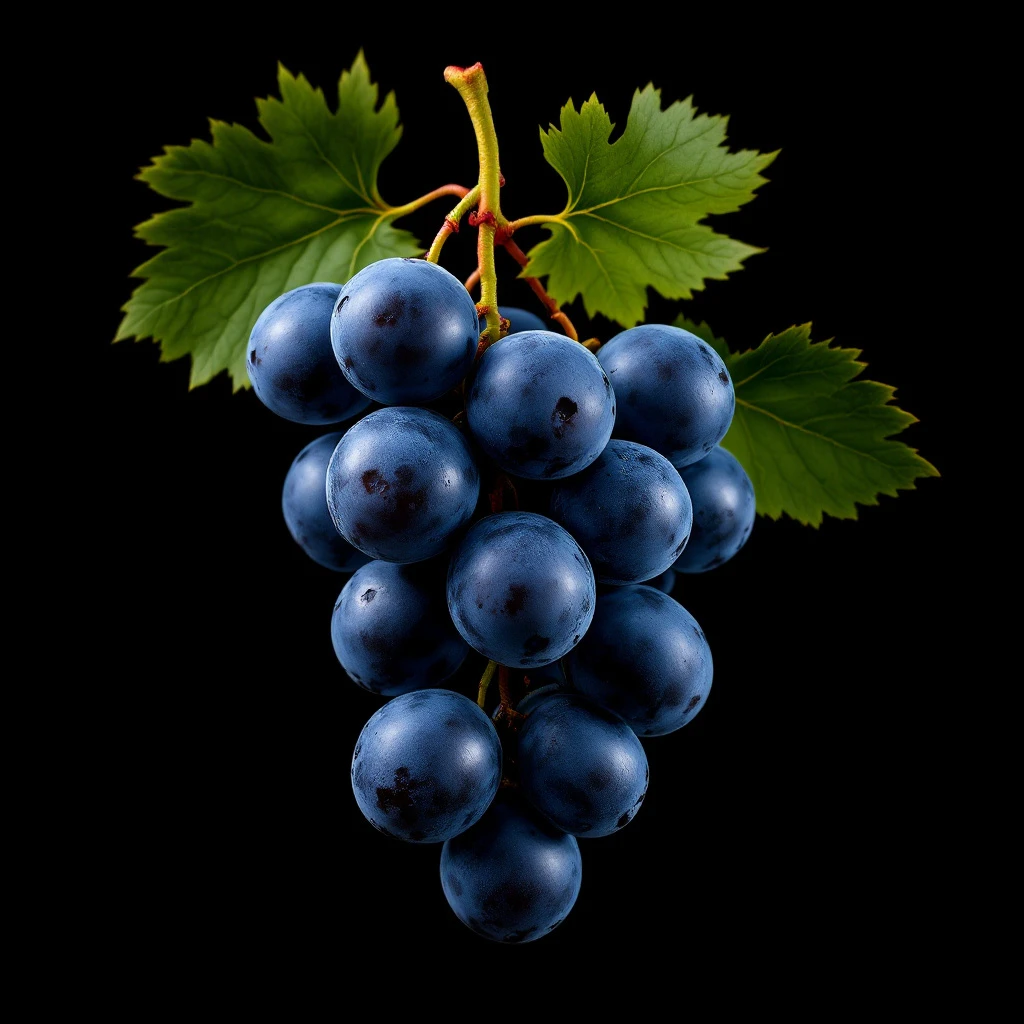
Character
How it smells
Mediterranean sweetness in every drop
Malvasia takes its name from Monemvasia, a fortified Greek port once called the 'Gibraltar of the East' for its strategic position.






Origin
Greece
The name Malvasia traces to Monemvasia, a fortified Greek port on the Peloponnese coast that dominated Mediterranean trade for centuries. Venetian traders recognized the grape's exceptional qualities and spread Malvasia throughout the region beginning in the 14th century.
By the 1400s, it had traveled to Madeira and the Canary Islands, becoming one of the most prized wine grapes of the era. Different regions developed their own varieties, with Malvasia Bianca establishing particular importance in Sicily and the Aeolian Islands, where it produces distinctive sweet wines.
The grape's aromatic richness caught the attention of ancient Egyptian perfumers, who first incorporated grape-derived compounds into their formulations. This deep-rooted connection between viticulture and fragrance creation speaks to how deeply the grape was woven into Mediterranean culture and commerce.
Wears it best
Fragrances featuring Malvasia Grape


Brands
Brands known for Malvasia Grape
Good to know
Questions, answered
The essentials on Malvasia Grape in perfumery: how it smells, where it comes from, and how it behaves on skin.
What does Malvasia Grape smell like in a fragrance?
Malvasia Grape provides a fruity, wine-like sweetness with honeyed undertones and subtle floral notes. It creates a warm, inviting character that evokes sun-ripened grapes and Mediterranean warmth.
How is Malvasia Grape extracted for perfumery use?
Malvasia Grape typically uses solvent extraction or headspace techniques. Steam distillation is avoided because heat damages the delicate aromatic compounds responsible for the grape's characteristic scent.
Where does Malvasia Grape originate from?
Malvasia Grape originates from Greece, specifically the port of Monemvasia on the Peloponnese coast. The Venetian Republic spread the grape throughout the Mediterranean beginning in the 14th century.
Is Malvasia Grape a natural or synthetic ingredient?
Malvasia Grape can be natural or synthetic. Natural extraction is complex and costly, making synthetic alternatives common. Quality varies significantly between natural and artificial sources.
What type of fragrance note is Malvasia Grape?
Malvasia Grape functions as a heart or top note depending on the formula. It provides immediate fruity freshness that evolves into warmer, honeyed tones as the fragrance develops on the skin.
What wines is Malvasia Grape known for?
Malvasia produces sweet wines in Sicily, the Aeolian Islands, Madeira, and parts of Italy. Malvasia Istriana thrives in Istria, while Malvasia Bianca creates aromatic, honeyed wines prized since medieval times.
Does Malvasia Grape smell like wine?
Malvasia Grape captures wine-like qualities without being boozy. The extract emphasizes the grape's aromatic sweetness and floral complexity rather than fermented or alcoholic characteristics.
Is Malvasia Grape safe for skin application?
Malvasia Grape is generally safe when properly diluted in fragrance formulations. As with any concentrated aromatic material, skin sensitivity testing is recommended before widespread use.