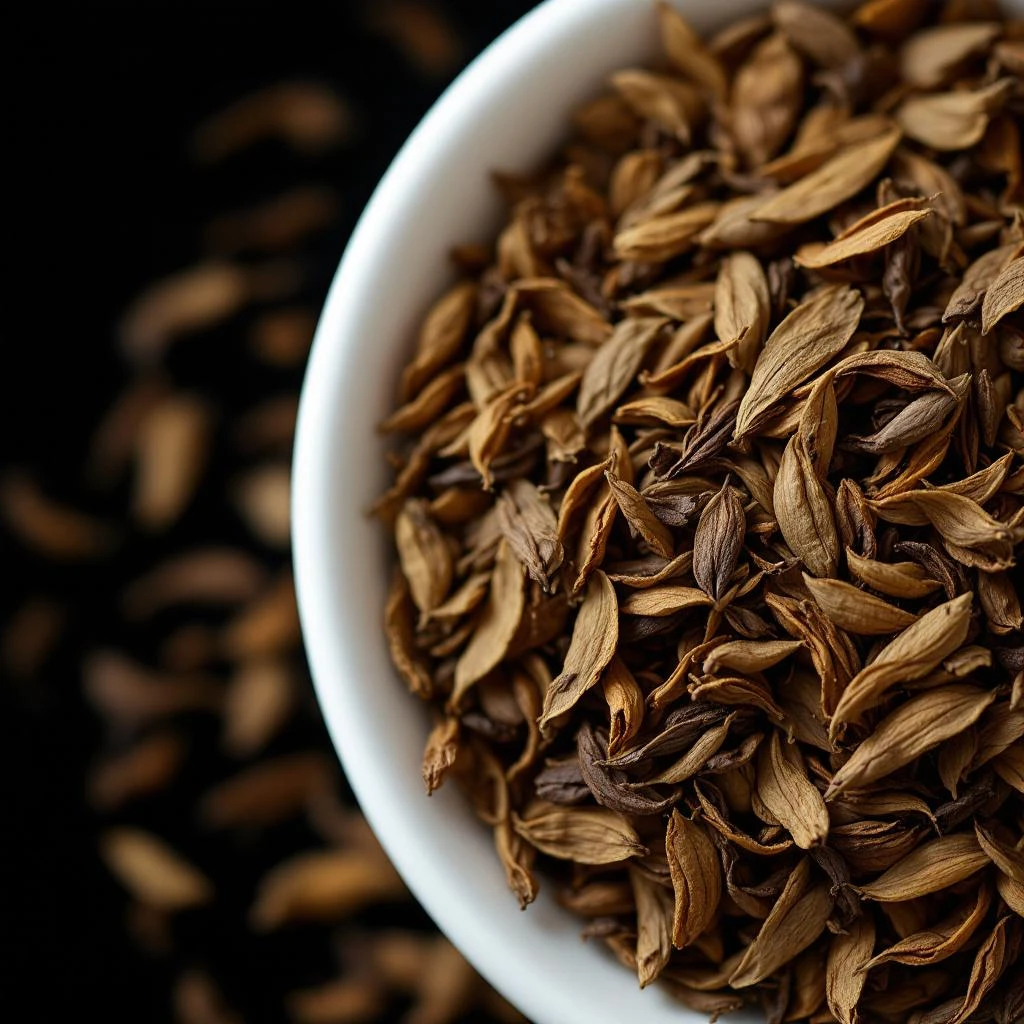
Magnolia Tree Leaves
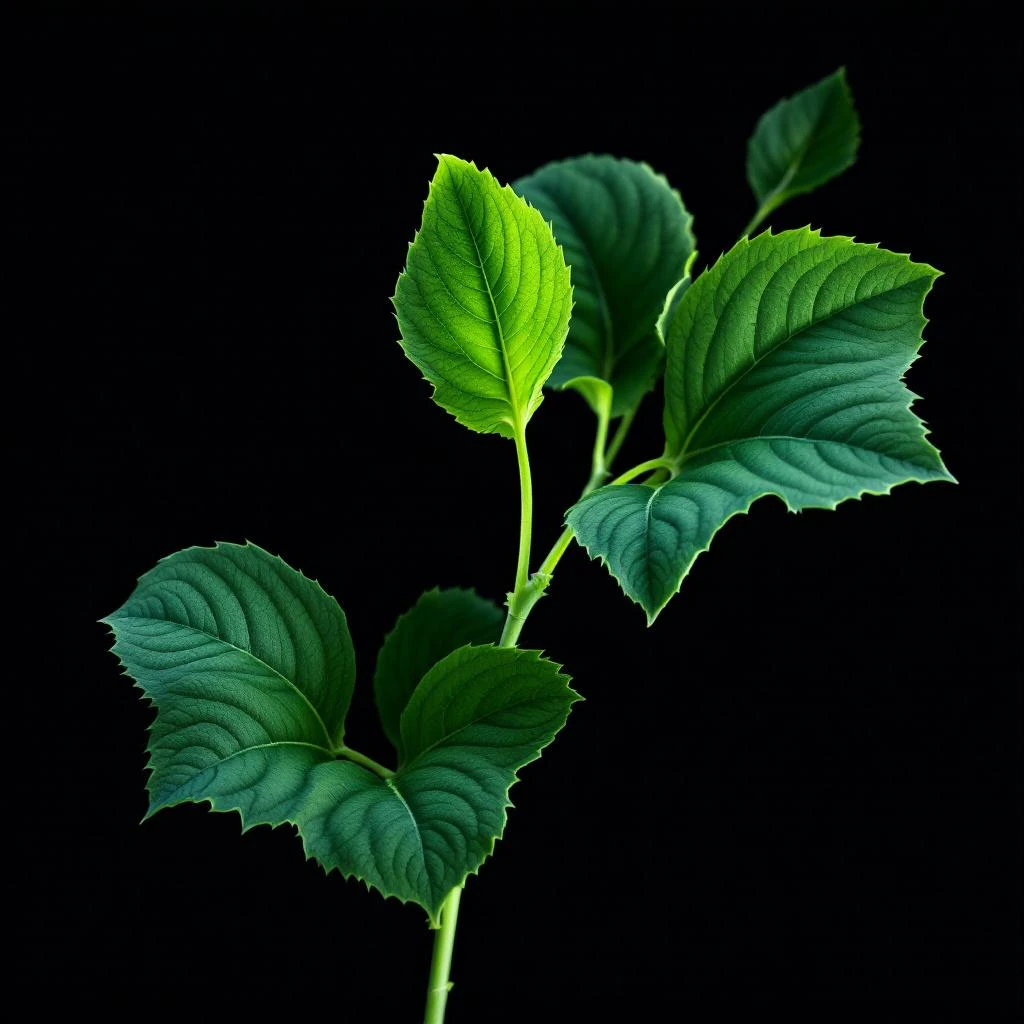
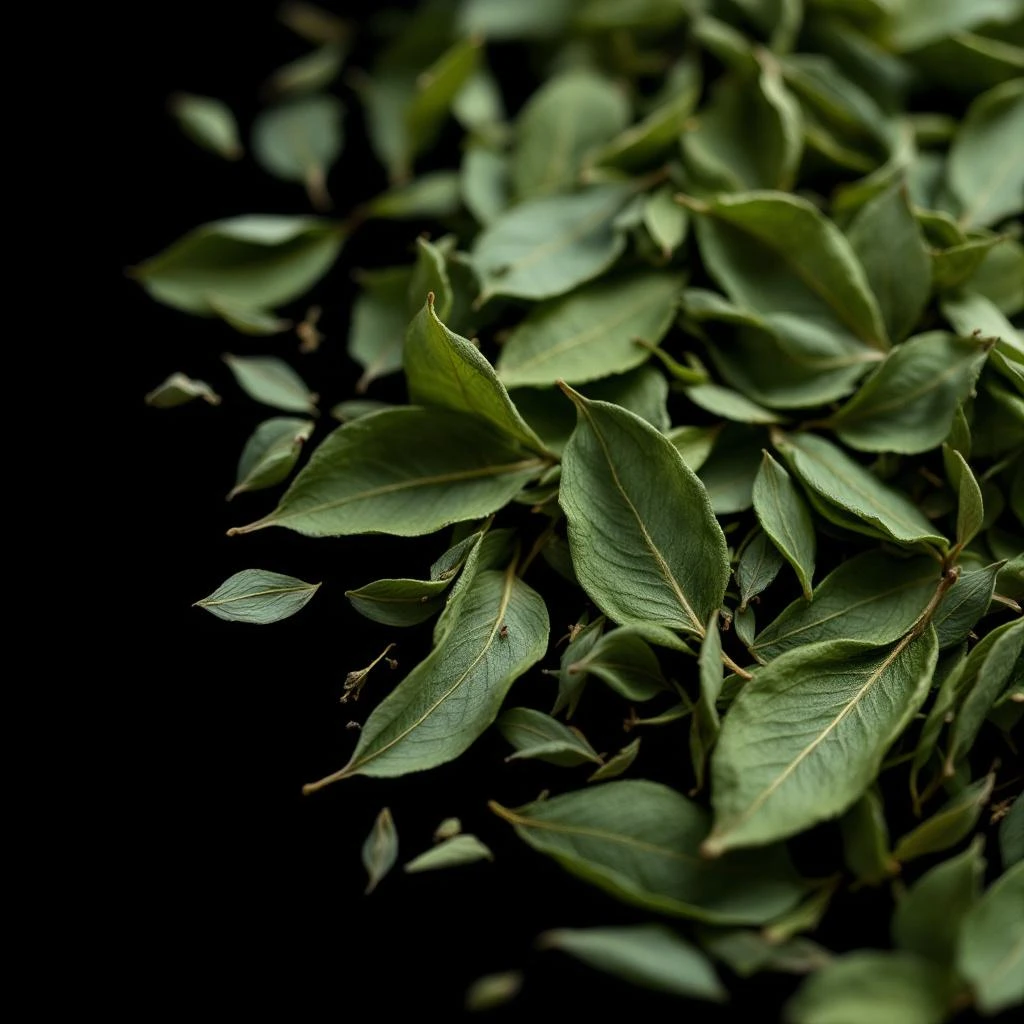
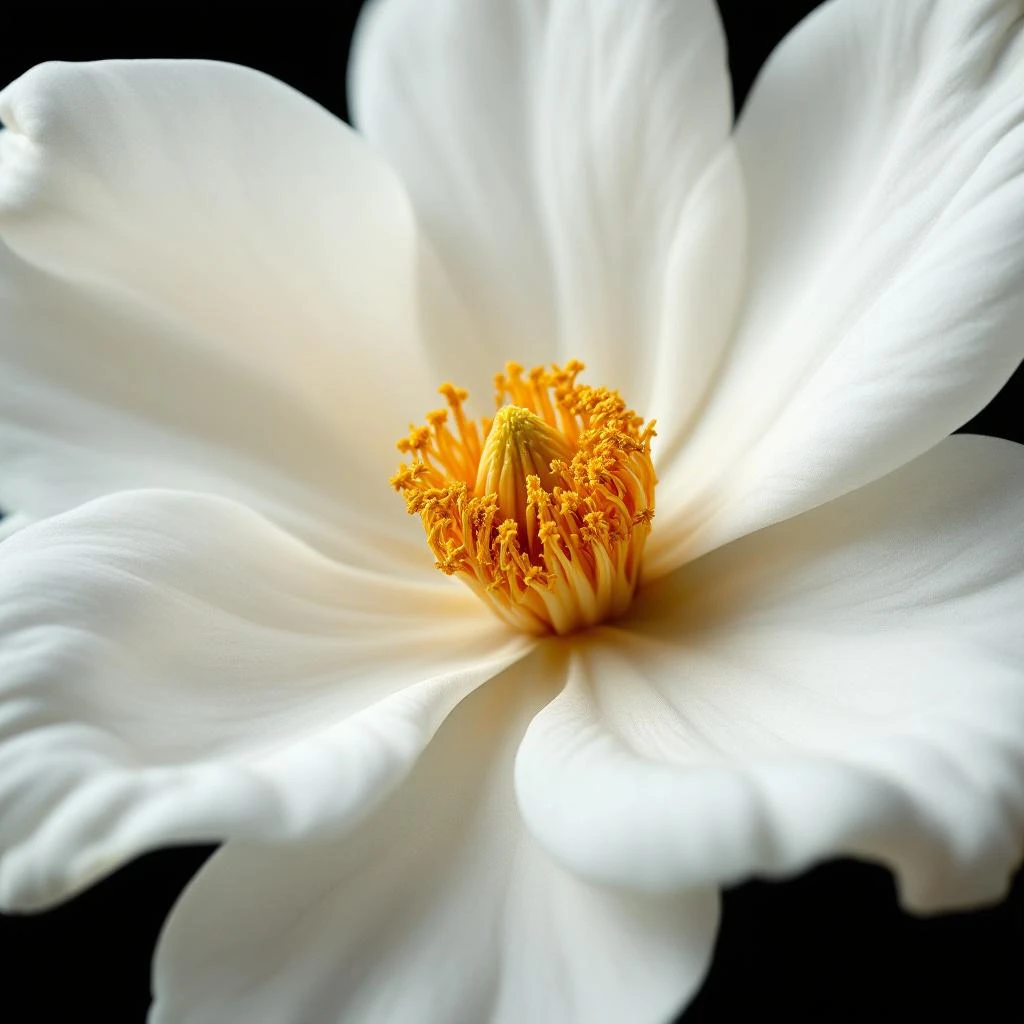
Magnolia tree leaves offer perfumers a fresh, verdant facet of a botanical legacy stretching back to the Cretaceous period. While blossoms command attention, the leaves yield a crisp, green oil prized for its fruity-floral complexity, bringing natural depth and modern elegance to fragrance compositions.
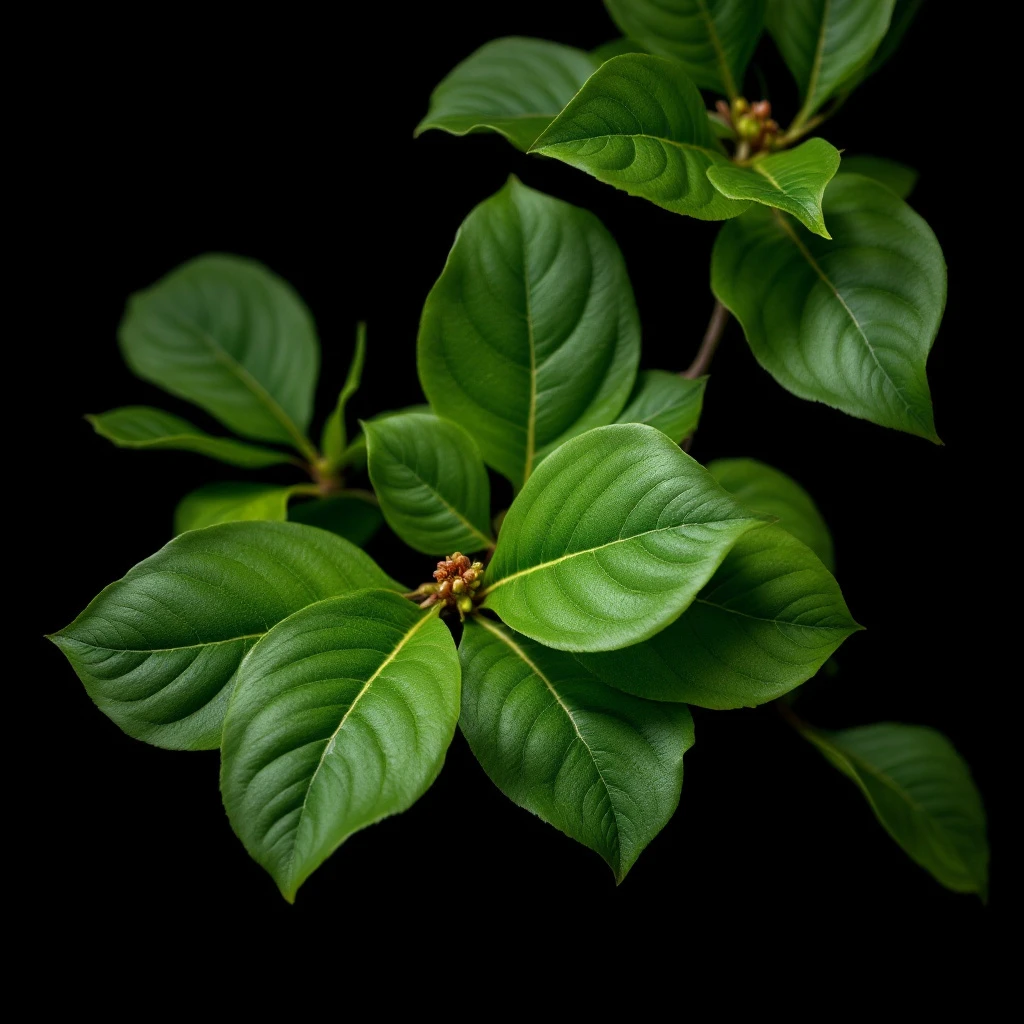
Character
How it smells
The secret green heart of a timeless bloom.
Magnolia trees predate bees, relying on beetles for pollination for over 95 million years.





Origin
China
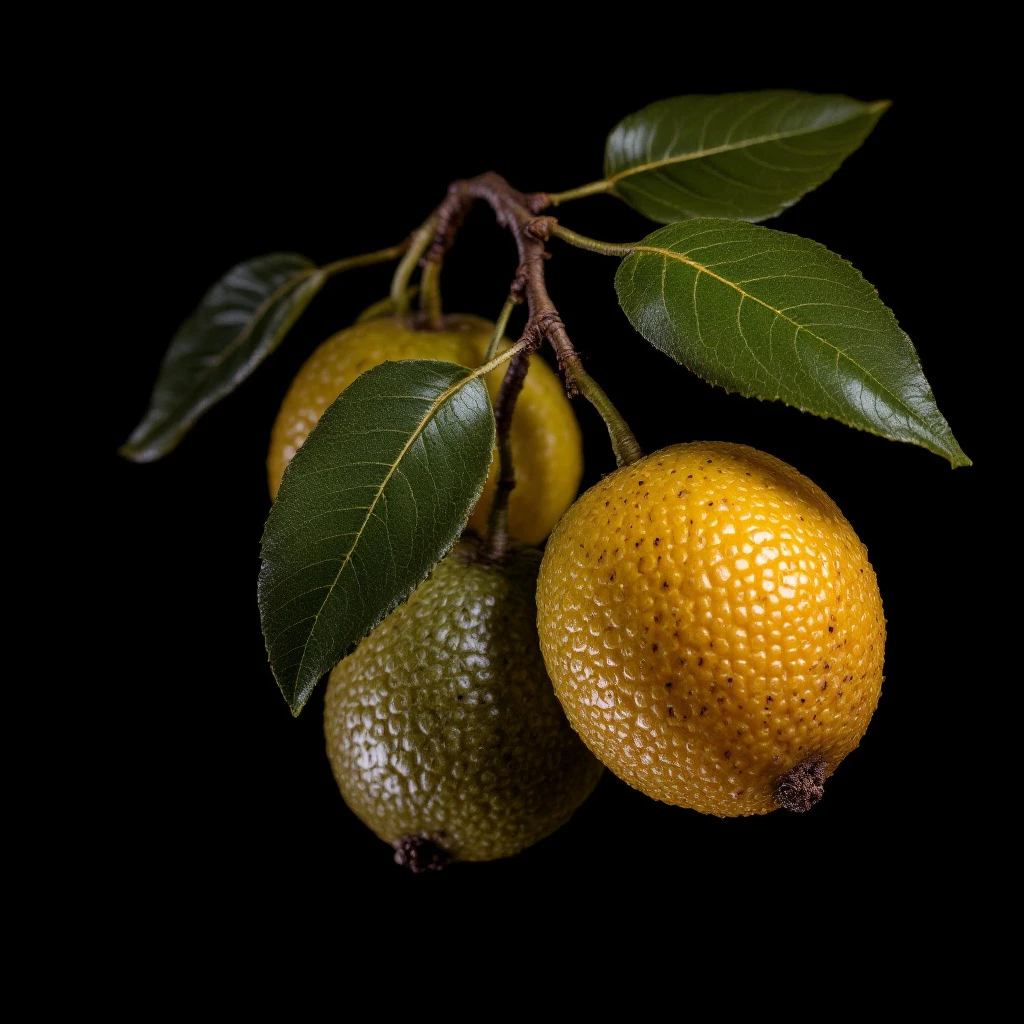
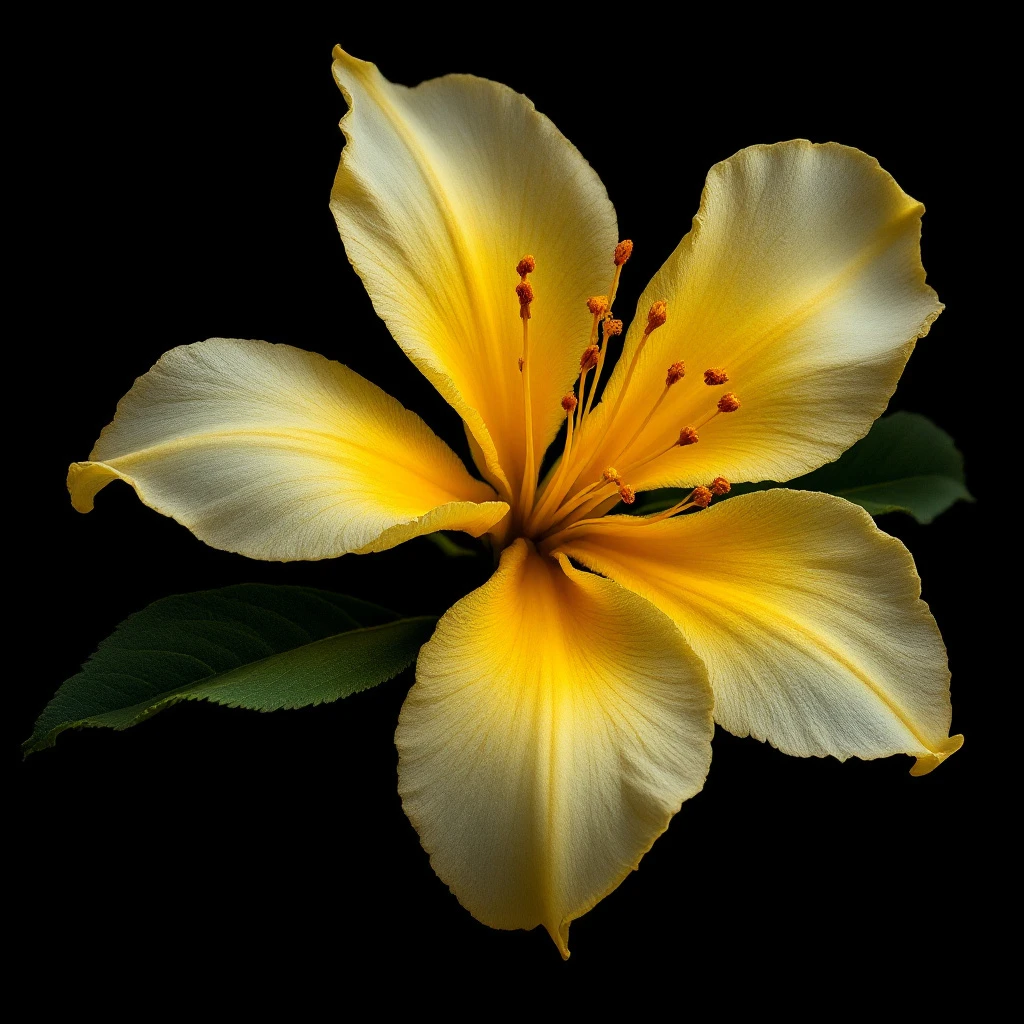
The magnolia genus was named in honor of Pierre Magnol, the French botanist who pioneered the concept of plant family classification in the late 17th century. French botanist Jacques Plumier first documented the tree in France around 1703, introducing it to European botanical circles during a period of intense colonial-era plant exploration. The genus itself, however, traces its roots far deeper into natural history, with fossil records indicating magnolia species existed over 95 million years ago during the Cretaceous period.
French colonists subsequently introduced magnolia cultivation to southern France and Italy, where the climate supported its growth. The tree has since become a fixture in perfumery regions beyond its native East Asian range, with Chinese cultivation serving as the primary source for magnolia-derived fragrance materials used worldwide.
Wears it best
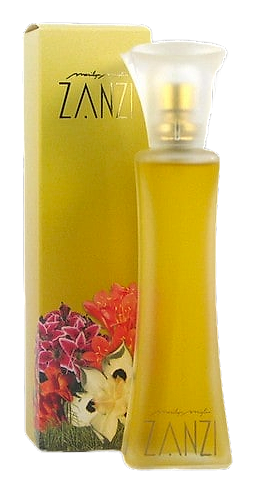
Fragrances featuring Magnolia Tree Leaves
Brands
Brands known for Magnolia Tree Leaves
Good to know
Questions, answered
The essentials on Magnolia Tree Leaves in perfumery: how it smells, where it comes from, and how it behaves on skin.
What does magnolia leaf oil smell like?
Magnolia leaf oil smells fresh, green, and fruity with subtle floral undertones. It carries a crisp, leafy character that adds natural vibrancy to fragrance compositions.
Is magnolia leaf oil natural or synthetic?
Magnolia leaf oil is a natural material, extracted via steam distillation from the leaves of magnolia trees grown primarily in southern China. Perfumers may also use synthetic magnolia accords for cost or consistency reasons.
When is magnolia leaf harvested for perfumery?
Magnolia leaves are harvested twice yearly: once in May and June, and again from September through October. These windows correspond to periods of peak essential oil concentration in the plant.
What fragrance families use magnolia leaf oil?
Magnolia leaf oil appears in green, chypre, fougère, and floral compositions. Its versatile profile bridges fresh top notes and deeper heart notes, adding a natural green complexity.
Where does magnolia leaf oil come from?
The primary source is China, specifically the Guangxi and Fujian provinces. These regions have the climate and cultivation infrastructure to support commercial-scale magnolia leaf oil production.
What is the difference between magnolia leaf oil and magnolia flower absolute?
Leaf oil is steam-distilled from foliage and carries a green, fresh, slightly fruity scent. Flower absolute, extracted via solvents from petals, delivers the creamy, citrusy-floral magnolia blossom character more commonly recognized.
What compounds give magnolia leaf its fragrance?
The essential oil contains a range of aromatic compounds that produce its characteristic fruity-floral-green profile. The exact composition varies by species and distillation conditions.
Can magnolia leaf oil be combined with magnolia flower in a fragrance?
Yes. Combining magnolia leaf and flower materials creates a complete botanical picture of the magnolia tree, layering crisp green freshness over creamy floral warmth for a richer, more dimensional scent.