Marula Fruit
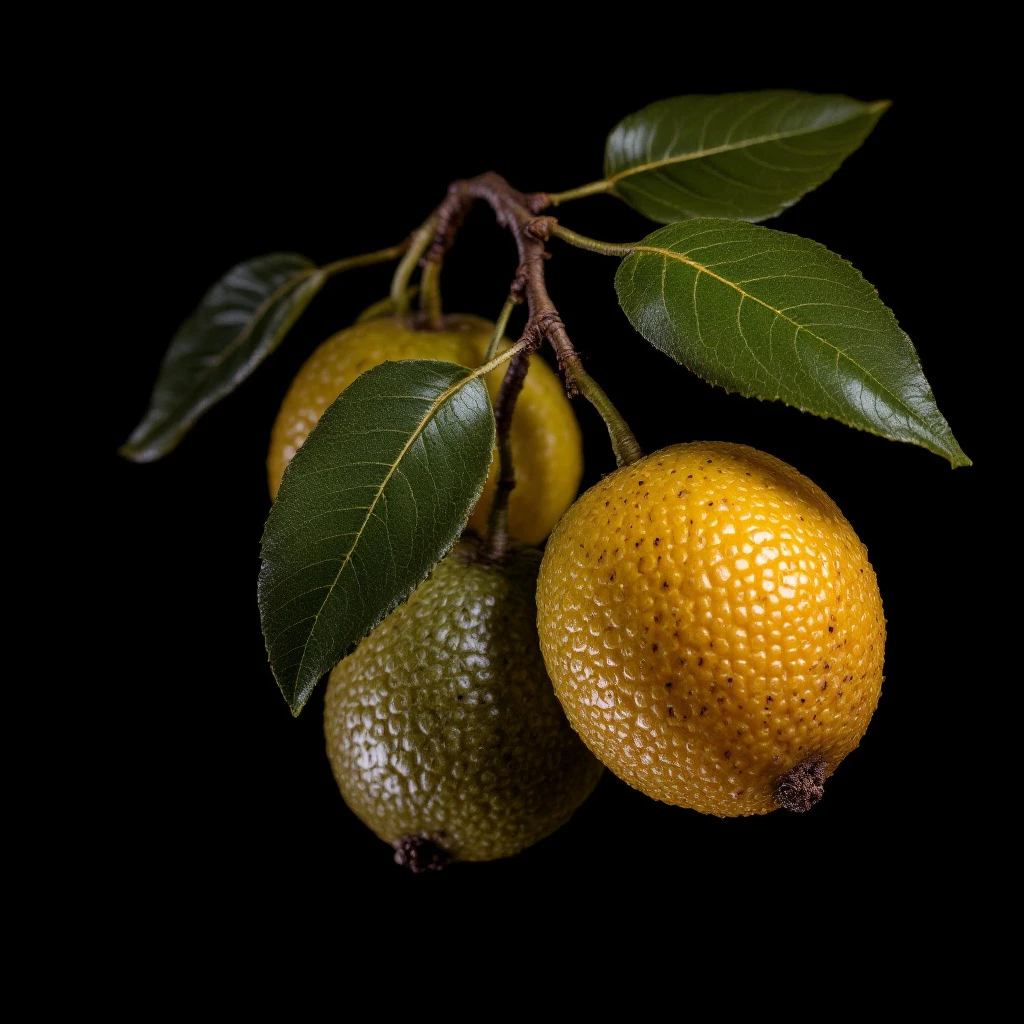
Marula fruit delivers a bright, tropical sweetness with notes of citrus, ripe pear, and subtle floral warmth. Native to Southern Africa, this exotic ingredient captures the sun-ripened essence of the African savanna in fragrance.
Character
How it smells
African sunshine in a bottle
African elephants consume marula fruit in vast quantities, which sparked a popular myth about them becoming drunk from fermented fallen fruit. Scientists have since debunked this claim.




Origin
South Africa
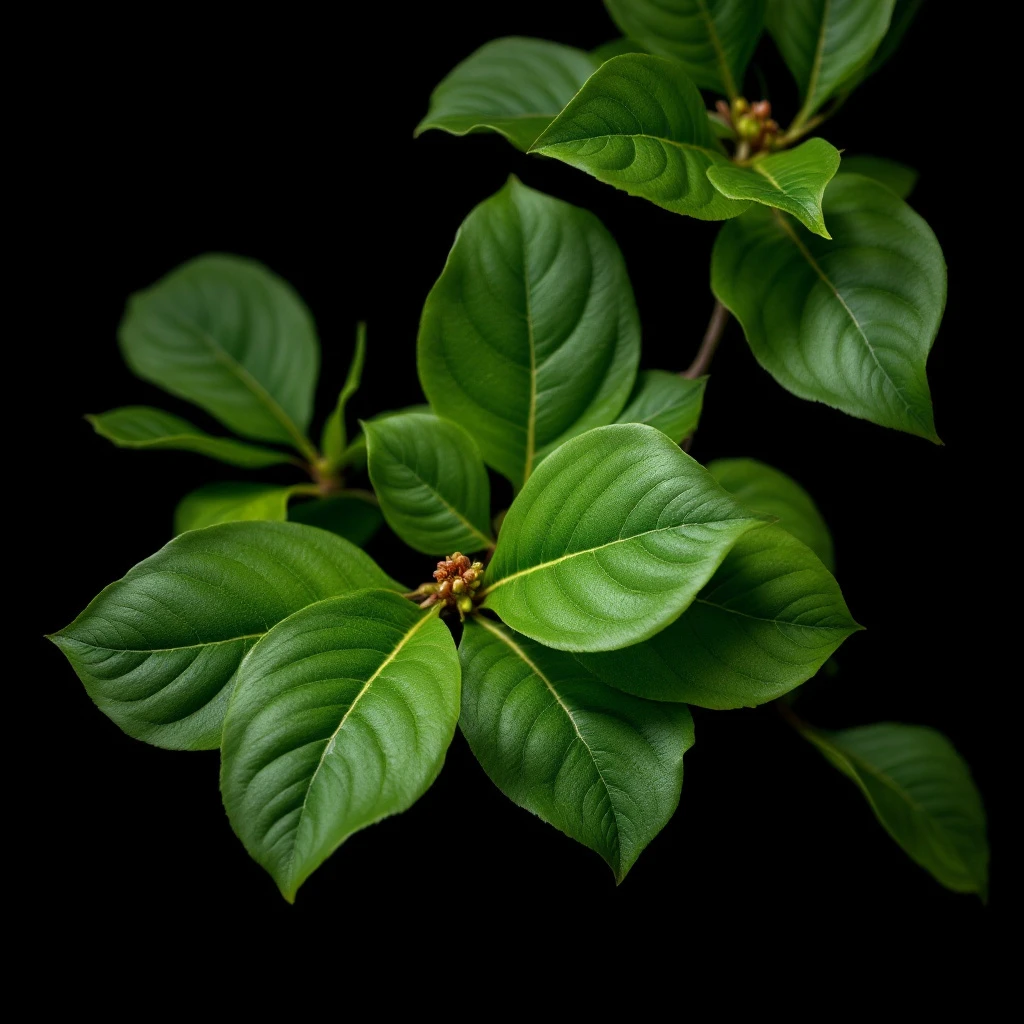
Marula holds deep cultural significance across Southern Africa, where communities have used every part of the tree for thousands of years. African peoples traditionally brewed marula fruit into beer, used the bark for medicinal purposes, and relied on the oil for skin and hair care. The tree features prominently in folklore and serves as a source of shade and sustenance across multiple nations including South Africa, Botswana, Namibia, and Zimbabwe.
Western perfumery discovered marula relatively recently, with cosmetic applications gaining traction in the 1990s as global interest in African botanical ingredients expanded. The fruit's introduction to fine fragrance represented a broader movement toward incorporating underrepresented African ingredients into the industry. Today, sustainable harvesting initiatives support rural communities while ensuring the long-term viability of wild marula populations.
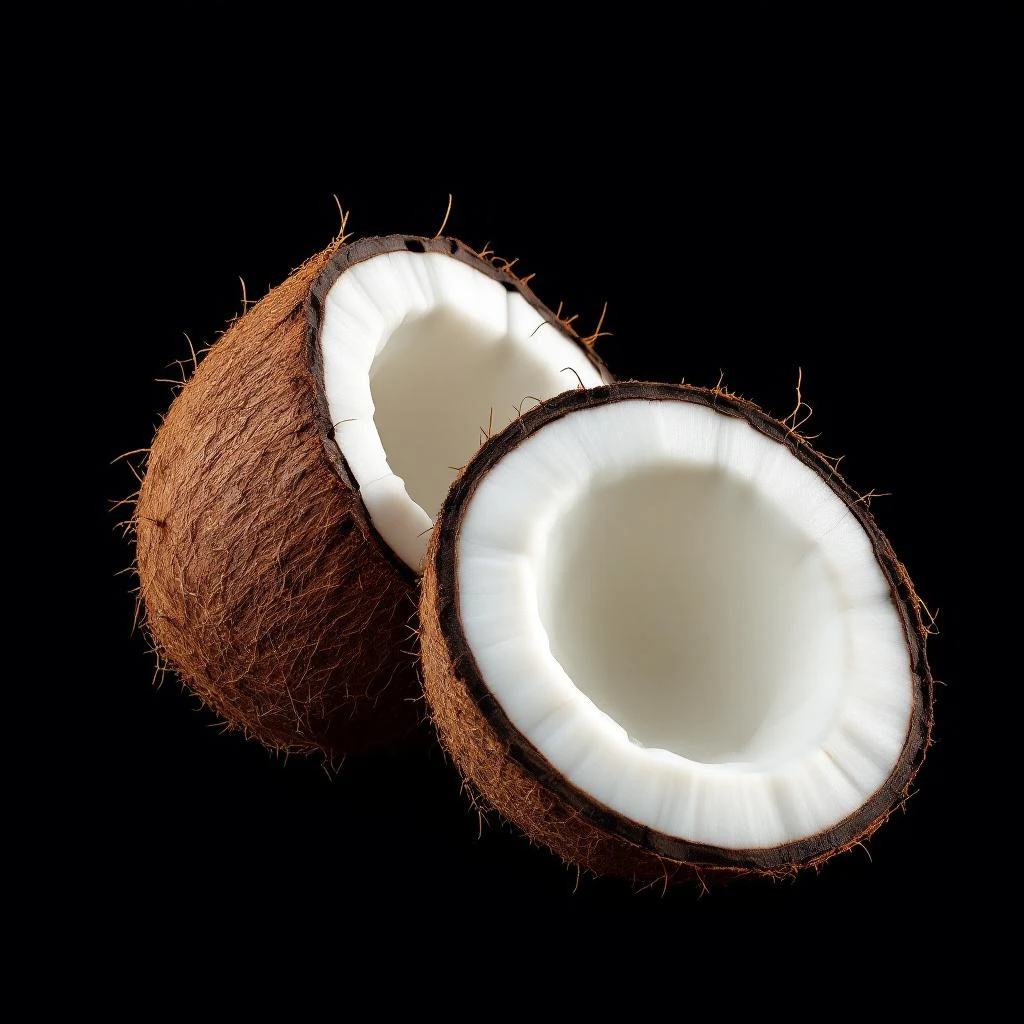
The ingredient remains relatively rare in perfumery compared to more established tropical notes like coconut or mango.
Wears it best
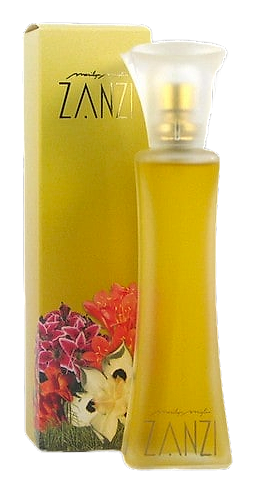
Fragrances featuring Marula Fruit
Brands
Brands known for Marula Fruit
Good to know
Questions, answered
The essentials on Marula Fruit in perfumery: how it smells, where it comes from, and how it behaves on skin.
What does marula fruit smell like in perfume?
Marula fruit offers a tropical, sweet aroma reminiscent of ripe pear and citrus with subtle floral undertones. It brings a bright, sun-kissed quality that reads as fresh and exotic in fragrance compositions.
Is marula used commonly in perfumery?
Marula remains an uncommon ingredient in mainstream perfumery. It appears more frequently in niche fragrances and natural perfume lines that emphasize African botanicals and sustainable sourcing.
How is marula oil extracted for fragrance use?
Marula oil comes from cold-pressing the kernels found inside the fruit stones. This method preserves the oil's aromatic compounds without applying heat that could alter its scent profile.
Where does marula fruit originate?
Marula grows natively across Southern Africa, with significant populations in South Africa, Botswana, Namibia, Zimbabwe, and Mozambique. The trees thrive in savanna woodland regions.
Is marula harvesting sustainable?
Sustainable marula harvesting supports rural African communities through wild-harvesting programs. The trees grow abundantly in the wild, but quality extraction remains challenging and requires careful sourcing.
How long have people used marula?
African communities have used marula for thousands of years, brewing beer from the fruit, applying the oil to skin, and incorporating the tree into traditional medicine and cultural practices.
What parts of the marula plant are used for fragrance?
Fragrance applications use both the fruit pulp and the kernels inside the stones. The kernels yield an aromatic oil through cold pressing, while the pulp can produce maceration extracts.
Is marula oil natural or synthetic in perfumery?
Marula oil used in perfumery is entirely natural, sourced from cold-pressed marula kernels. No synthetic equivalent exists, which contributes to its rarity and premium positioning.