The Story
Why it exists.
The beginning
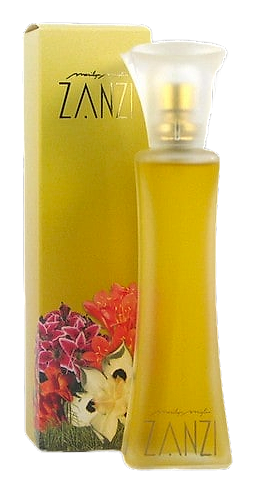
Zanzi takes its name from the archipelago off East Africa's coast, a place of trade winds, spice routes, and lush vegetation. The reference signals ambition. In 2009, Marilyn Miglin introduced this fragrance as an extension of her core belief: scent should support a woman's agenda, not apologize for it. Where other florals softened themselves into submission, Zanzi arrived opulent and earthy, a composition that refused the expected gentleness of white florals.
The heart of Zanzi is chamomile, a material more common in skincare than perfumery. In the context of honeysuckle and magnolia, it acts as a green counterweight, keeping the sweetness from tipping into nostalgia. The iris provides powdery structure, while vetiver and patchouli in the base ensure the florals don't float away. It's a pyramid built for longevity, not just first impressions. Each layer was chosen to extend the life of the one above it.
The evolution
The opening hits bright and fruity from the marula fruit, with magnolia leaf lending a green snap. Within minutes the honeysuckle takes over, sweet but not syrupy, warmed by chamomile's herbal undercurrent. The iris emerges around the 30-minute mark, introducing a powdery softness that tempers the sweetness. By hour two, the vetiver and patchouli arrive, pulling the composition toward earth and wood. The drydown lingers for four to six hours, skin-warm and intimate, with the patchouli holding longest.
Cultural impact
Zanzi sits within Marilyn Miglin's tradition of confident women's fragrances, alongside the landmark Pheromone line. It represents a departure from safe floral structure, the chamomile and earthy base give it an edge that sets it apart from mainstream white florals of its era. This 2009 release expanded the house beyond its signature line into more nuanced floral-woody compositions.