Cape Honeysuckle
Cape Honeysuckle defies extraction yet defines summer. Its warm, honeyed sweetness and sunlit florals capture late-season afternoons that perfumers have chased for generations.
Character
How it smells
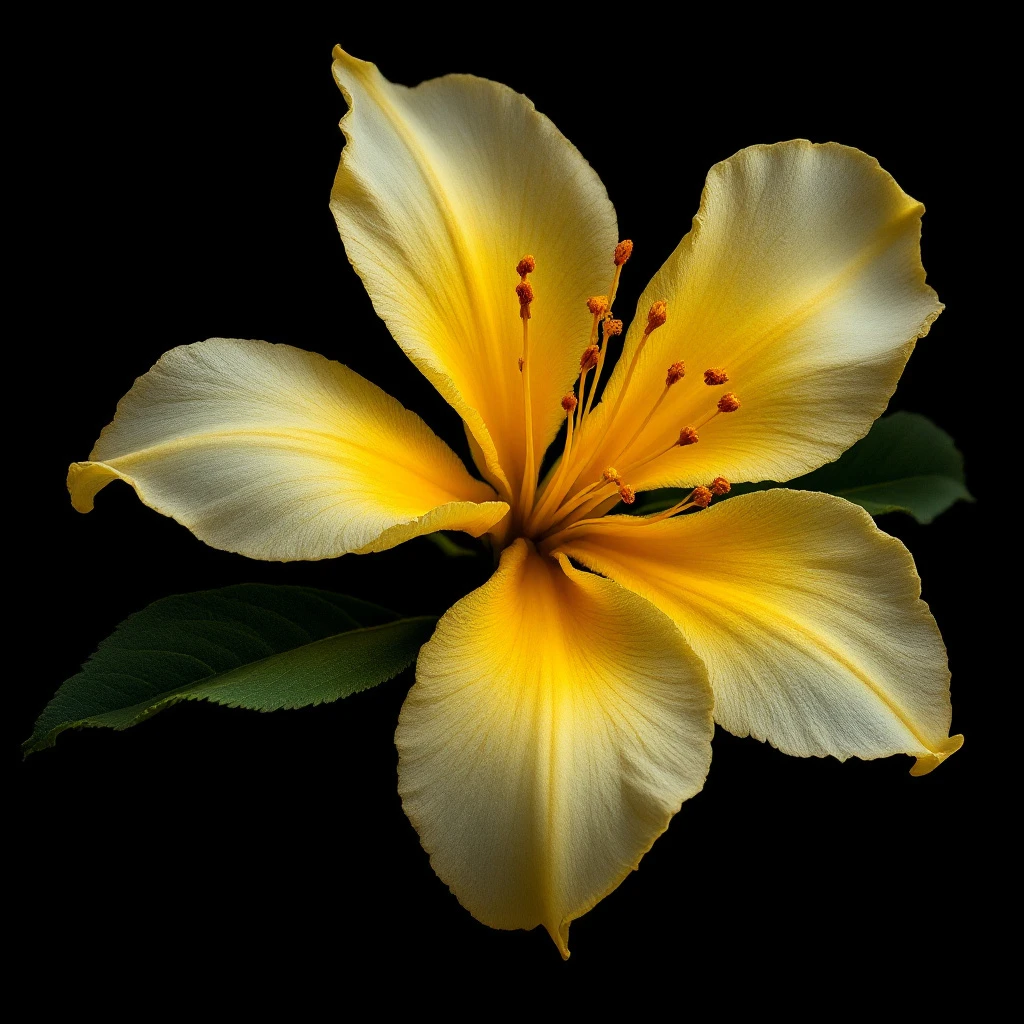
Summer warmth captured in golden blooms.
Cape Honeysuckle is not a true honeysuckle at all—it belongs to the Bignoniaceae family alongside jacaranda and trumpet vine.




Origin
South Africa
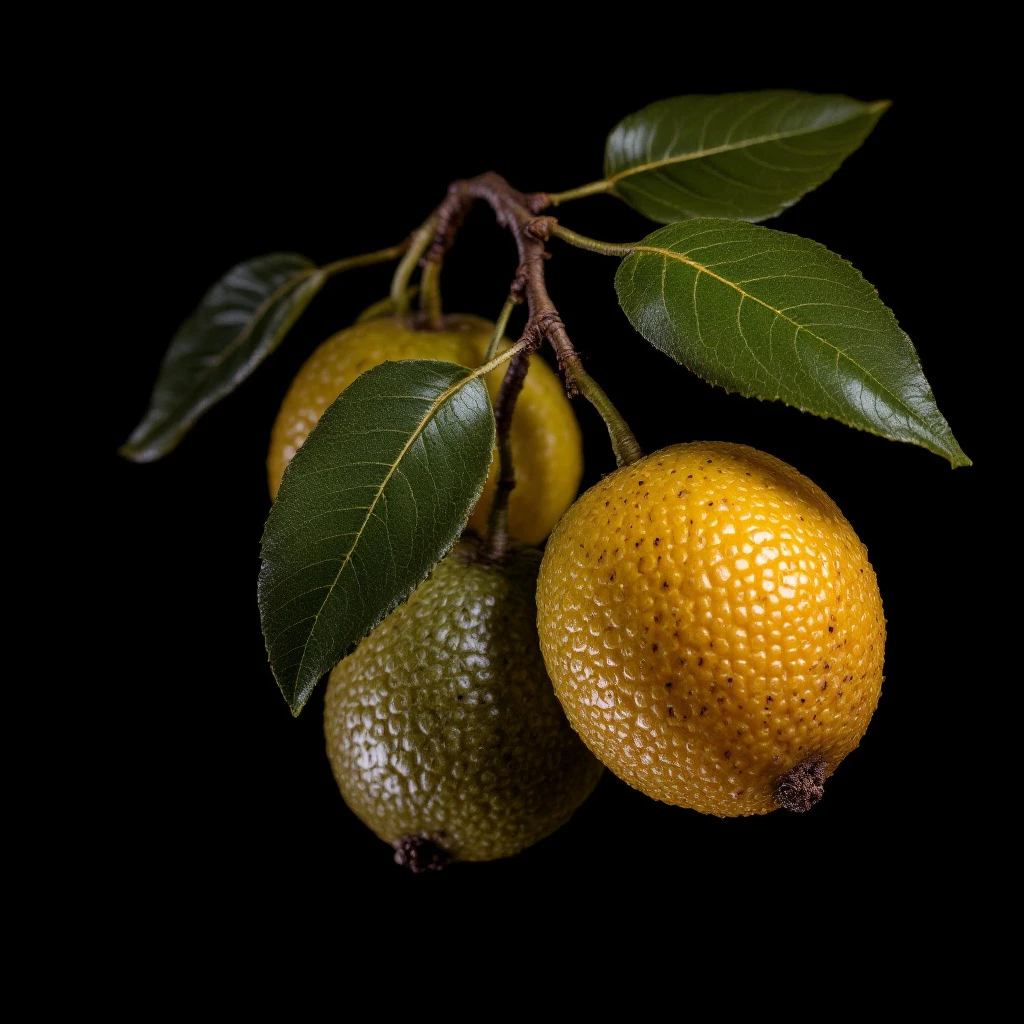
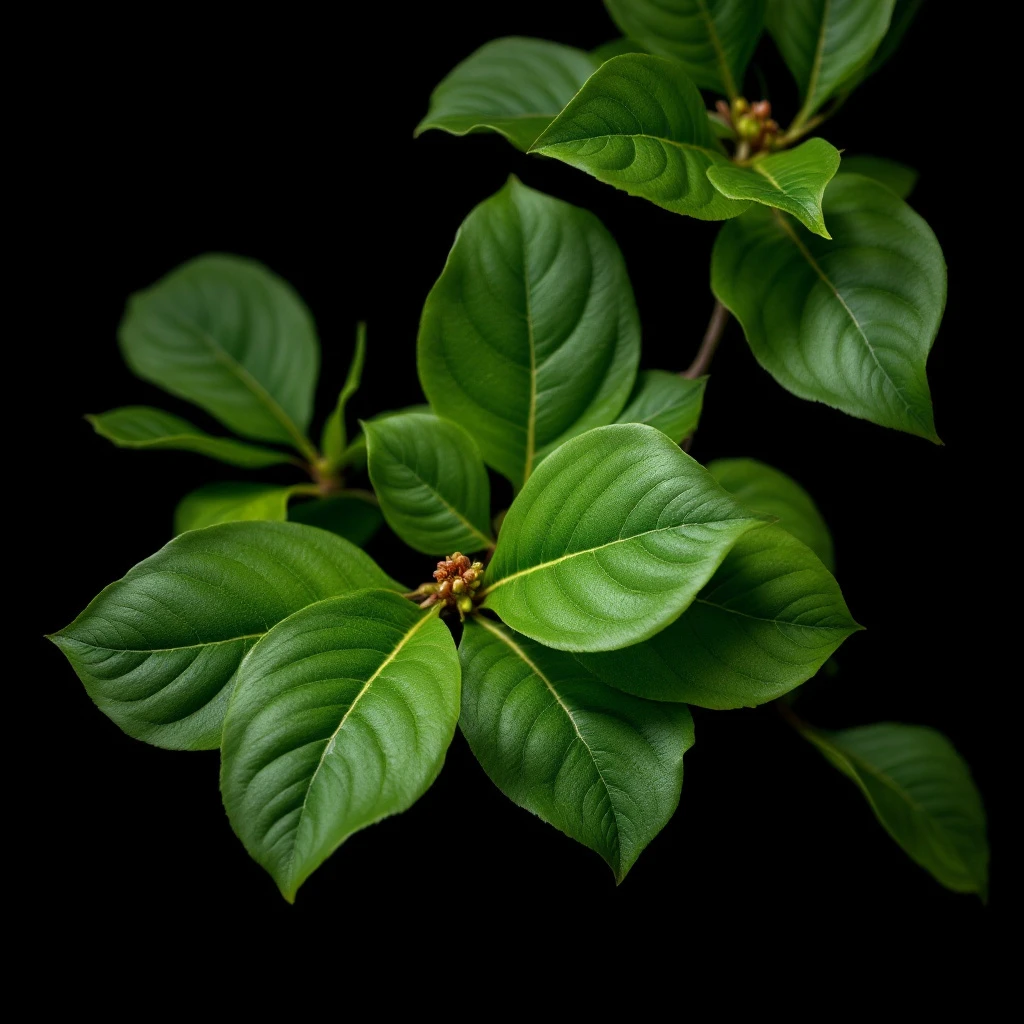
Cape Honeysuckle carries a misleading common name. Despite its visual resemblance to true honeysuckle, Tecomaria capensis belongs to the Bignoniaceae family, making it a botanical cousin to jacaranda trees and trumpet vines.
Native to southern Africa, particularly South Africa, this evergreen shrub has adorned gardens across the region for centuries with its clusters of tubular orange-red blooms. European botanists encountered it during colonial exploration and brought specimens to greenhouse collections in England by the 1800s.
True honeysuckle (Lonicera) had documented perfumery use in 19th-century France, where Lonicera gigantea was occasionally extracted in the south of the country. Cape Honeysuckle never achieved similar aromatic use, remaining primarily an ornamental plant while perfumers wrestled with its extraction-resistant nature.
Wears it best
Fragrances featuring Cape Honeysuckle
Brands
Brands known for Cape Honeysuckle
Good to know
Questions, answered
The essentials on Cape Honeysuckle in perfumery: how it smells, where it comes from, and how it behaves on skin.
Is Cape Honeysuckle used in natural perfume extraction?
No. Natural extraction is not commercially viable for Cape Honeysuckle. Like true honeysuckle, its volatile scent compounds evaporate before conventional extraction methods can capture them. Perfumers rely on headspace technology and synthetic recreation instead.
What does Cape Honeysuckle smell like?
Cape Honeysuckle smells like warm, honeyed florals with sunlit sweetness and subtle green undertones. The scent captures late summer afternoons and that golden-hour quality perfumers chase.
Why is honeysuckle so difficult to extract?
Honeysuckle flowers contain volatile compounds that evaporate rapidly and lack sufficient intensity for commercial extraction. Steam distillation and solvent extraction both fail to capture its ephemeral, delicate character at viable yields.
How do perfumers capture honeysuckle's scent?
Headspace technology allows chemists to analyze the exact volatile molecules released by living honeysuckle flowers. Perfumers then synthesize those compounds, primarily aldehydes and esters, to create honeysuckle accords for use in fragrance formulas.
Is Cape Honeysuckle related to true honeysuckle?
No, despite sharing a common name. True honeysuckle belongs to the Caprifoliaceae family while Cape Honeysuckle (Tecomaria capensis) is a member of the Bignoniaceae family. They are botanical cousins only through naming convention.
Where does Cape Honeysuckle grow naturally?
Cape Honeysuckle is native to southern Africa, particularly South Africa. It thrives in warm, sunny climates and has spread as an ornamental planting across similar growing regions worldwide.
What family does Cape Honeysuckle belong to?
Cape Honeysuckle (Tecomaria capensis) belongs to the Bignoniaceae family, which includes trumpet vine and jacaranda. It is botanically distinct from true honeysuckle, which belongs to the Caprifoliaceae family.
Is synthetic honeysuckle as good as natural?
For Cape Honeysuckle, synthetic recreation is the only practical option. Modern aroma chemistry produces honeysuckle accords that effectively capture the honeyed warmth and summery florals that define the scent profile.




