Maesil-cha
Maesil-cha is a tart, honey-sweet Korean plum tea that carries the quiet character of green apricots fermented in sugar. In fragrance, it translates to a juicy, mouthwatering sourness layered over subtle floral sweetness.

Character
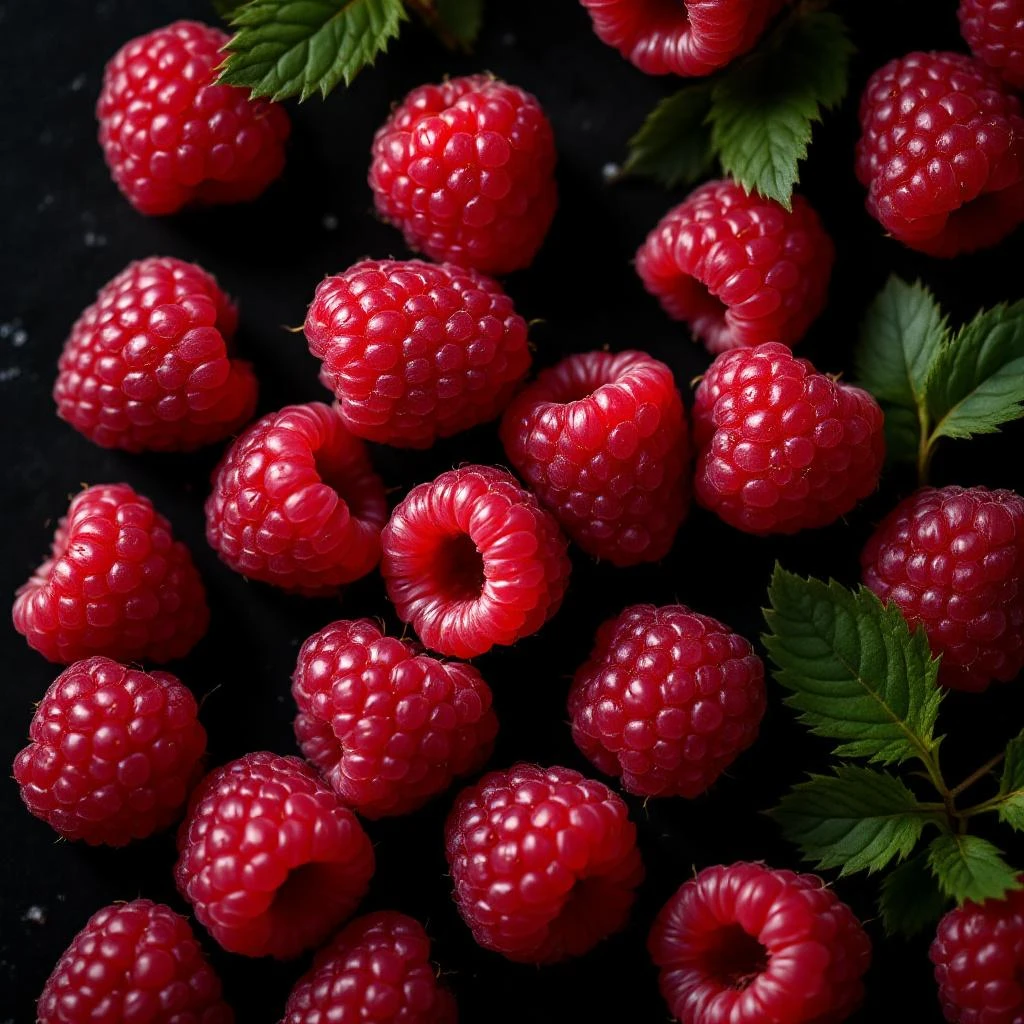
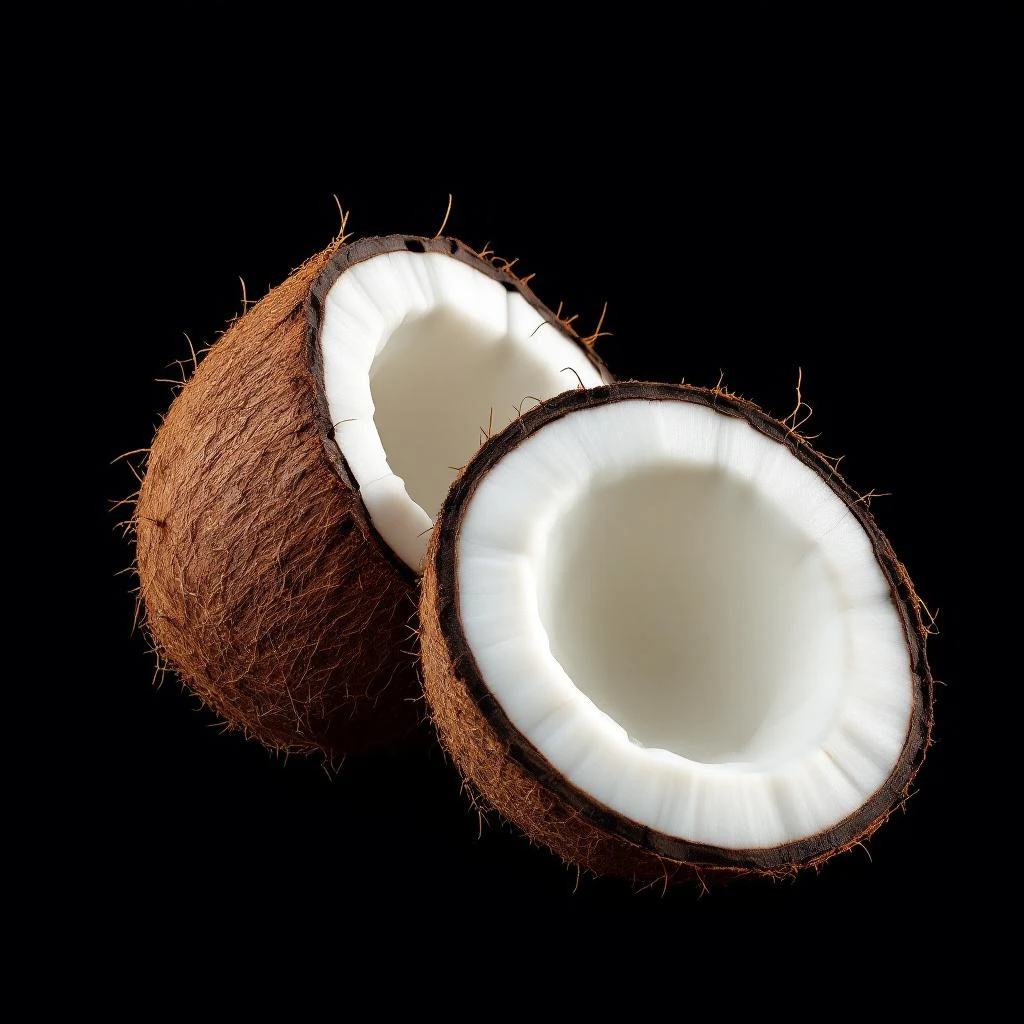
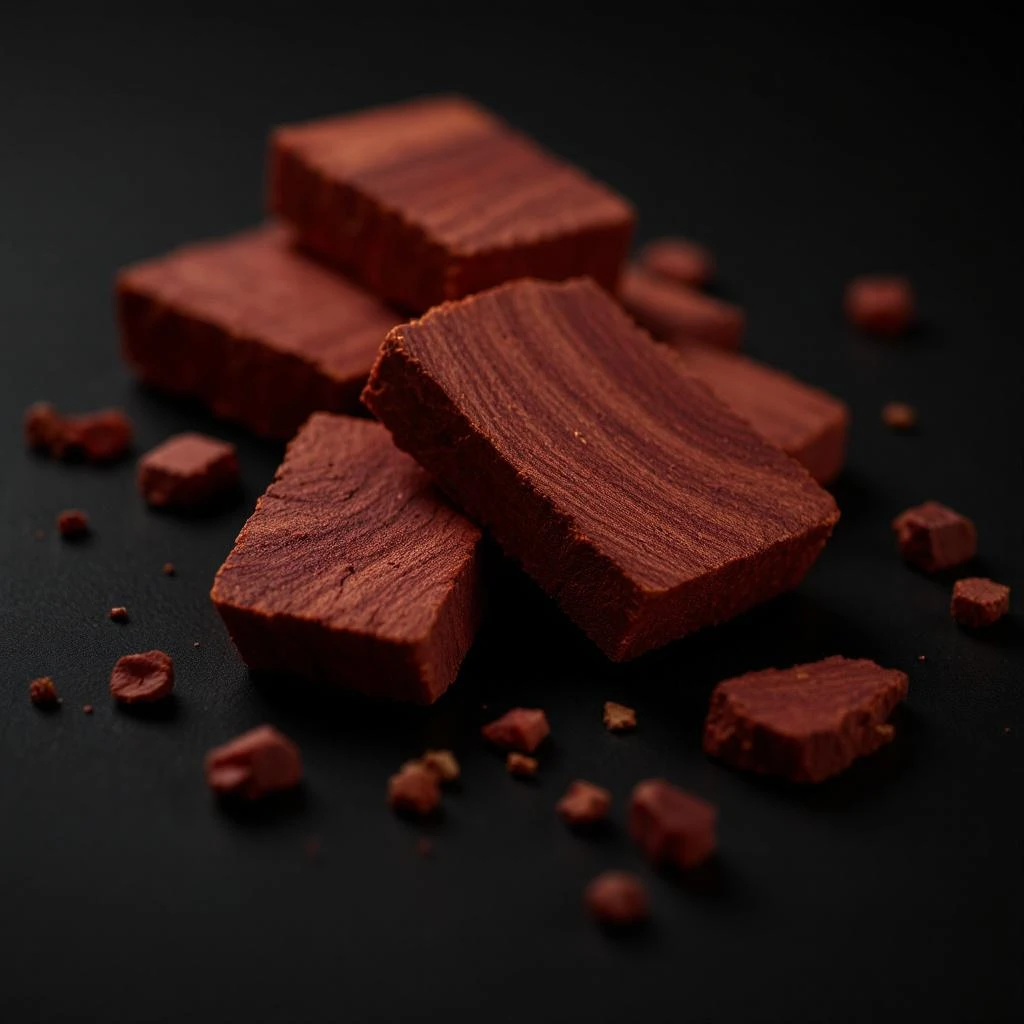
How it smells
Korea's fermented plum, bottled.
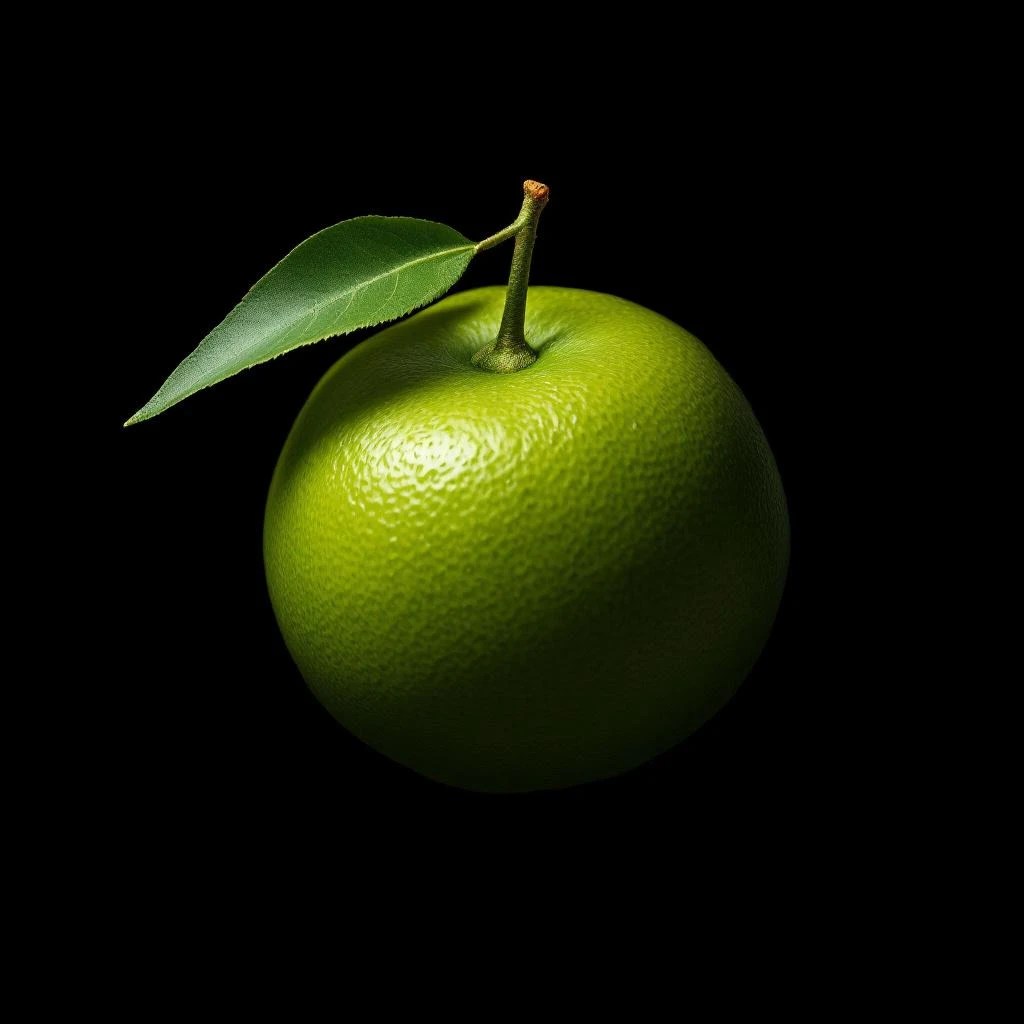
Korean green plums destined for maesil-cha are picked in early summer while still unripe, giving the final extract its signature sharp acidity.



Origin
South Korea
Maesil cultivation in Korea dates back over 1,500 years, with Prunus mume trees documented in agricultural records from the Three Kingdoms period. The fruit was prized not only as food but as medicine, appearing in classical Korean medical texts as a remedy for digestive ailments and fever.
By the Joseon Dynasty, maesil-cheong had become a staple of court cuisine, and the preparation method of layering unripe plums with honey or sugar was refined into a household tradition passed through generations. The plum tea we now recognize as maesil-cha emerged as a popular everyday beverage in the 20th century, particularly in southern regions like Gwangyang and Hadong, where volcanic soil and coastal climate produce especially aromatic fruit.
In 1994, Gwangyang Cheong Maesil Farm launched Korea's first commercial plum concentrate, bringing the ingredient from rural kitchens into urban pantries. Since then, maesil has spread beyond Korea's borders, influencing tea culture across East Asia and entering modern perfumery as a symbol of clean, fermented fruit character.
Wears it best
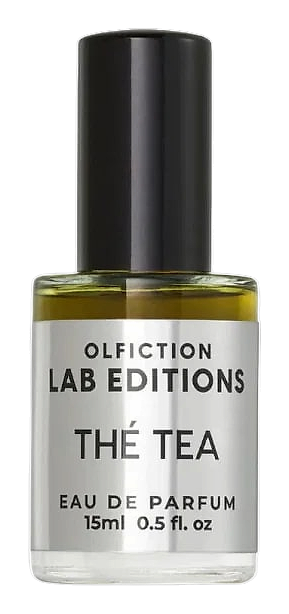
Fragrances featuring Maesil-cha
Brands
Brands known for Maesil-cha
Good to know
Questions, answered
The essentials on Maesil-cha in perfumery: how it smells, where it comes from, and how it behaves on skin.
What does maesil-cha smell like in perfume?
Maesil-cha contributes a tart, juicy sourness balanced with gentle honey sweetness and a soft stone-fruit character. The fermented quality adds lactic depth, similar to the aroma of preserved plums rather than fresh fruit.
Is maesil the same as Japanese apricot?
Yes. Maesil refers to Prunus mume, known in English as Japanese apricot or Chinese plum. In Korea the unripe green fruit is specifically preferred for its higher acidity and aromatic intensity.
How is maesil-cha different from regular plum extract?
Maesil-cha uses unripe green plums fermented slowly with honey or sugar over months, which produces sharper acidity and more complex esters. Standard plum extracts typically use ripe fruit and lack this fermented tang.
Where does maesil-cha originate?
The ingredient originates in South Korea, particularly in the southern regions of Gwangyang and Hadong. Prunus mume has been cultivated on the Korean peninsula for over 1,500 years.
Is maesil-cha used in natural perfumery?
Maesil-cha appears more often in niche and Korean-inspired fragrance compositions than in classical perfumery. Its fermented, sour-fruity character makes it a distinctive accent rather than a structural base note.
What does maesil-cha pair well with in fragrance?
Maesil-cha blends naturally with green tea notes, yuzu, ginger, and white florals like magnolia. The sour-fruity facet also complements soft musks and woody cedar.
Can maesil-cha be steam distilled?
Steam distillation is not the standard method for maesil-cha because the fermented, sugary matrix would burn and lose its characteristic aroma. Cold maceration and fermentation preserve the delicate fruity esters.
Why is maesil-cha popular in Korean culture?
Maesil-cha has been a daily beverage and folk remedy in Korea for centuries, valued for digestive benefits and refreshment. Its cultural roots gave it a nostalgic, comforting identity that modern fragrance creators now translate into scent.