Lipstick
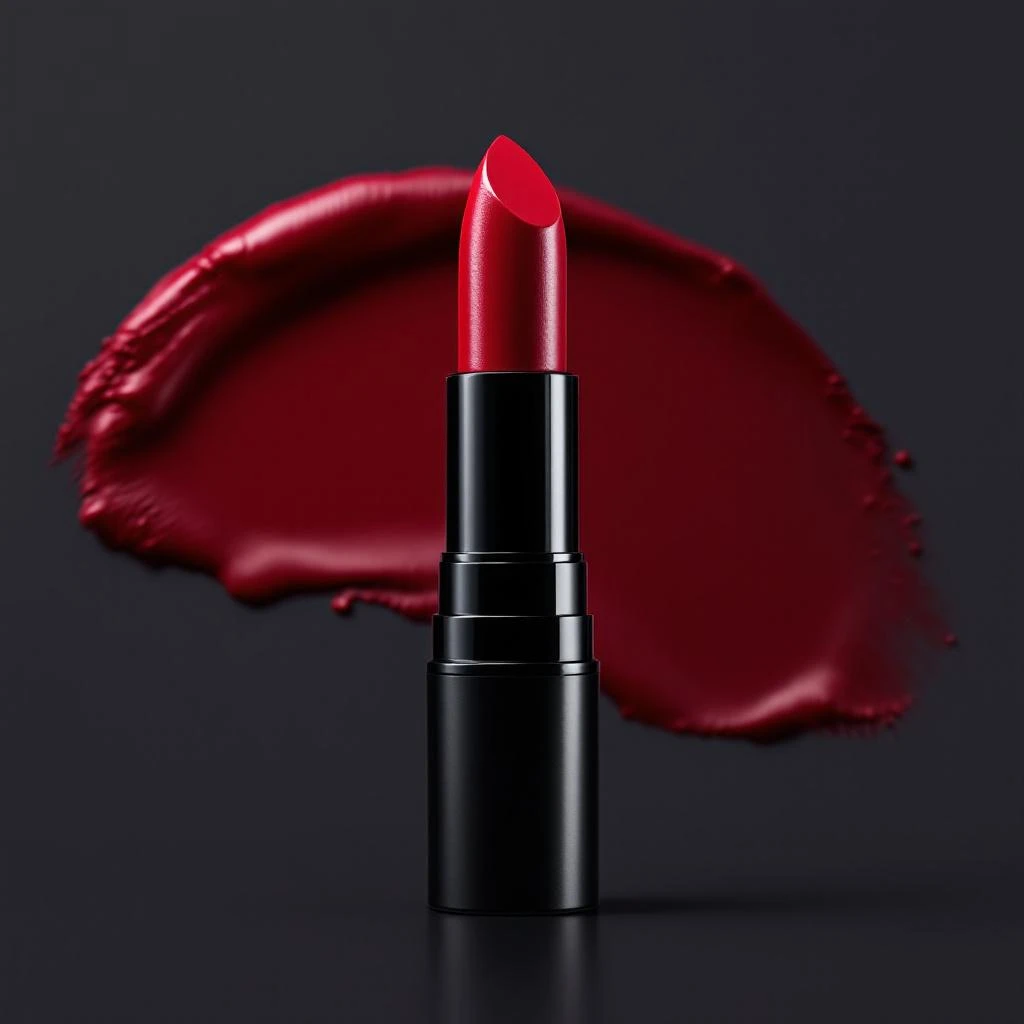
Lipstick captures the glossy, sweet‑tart aura of a freshly applied pout, blending soft vanilla, caramelized sugar, and a whisper of metallic shimmer into a single, recognizable scent.
Character
How it smells
A sweet, powdery kiss in a bottle.
The first perfume to feature a dedicated lipstick note launched in 1995, paving the way for modern cosmetics‑inspired fragrances.







Origin
France
The lipstick scent emerged from the intersection of cosmetics and perfumery in the late twentieth century. Early societies used colored lip pigments made from crushed beetles or plant extracts, but they rarely linked scent to the product. In the 1990s, French cosmetic labs began experimenting with aroma chemicals that evoked the sweet, powdery feel of a freshly applied lip color.
The breakthrough arrived in 1995 when a Parisian fragrance house released a perfume that listed "lipstick" as a distinct note. The launch sparked interest among designers who wanted to blur the line between makeup and fragrance. Throughout the 2000s, the note spread to gourmand and oriental compositions, often paired with vanilla or amber to enhance its sweet core.
By 2020, the lipstick note appeared in over a dozen major releases, reflecting a broader cultural trend that treats scent as an extension of personal style. Its evolution illustrates how synthetic chemistry can translate visual beauty cues into olfactory experiences.
Wears it best
Fragrances featuring Lipstick

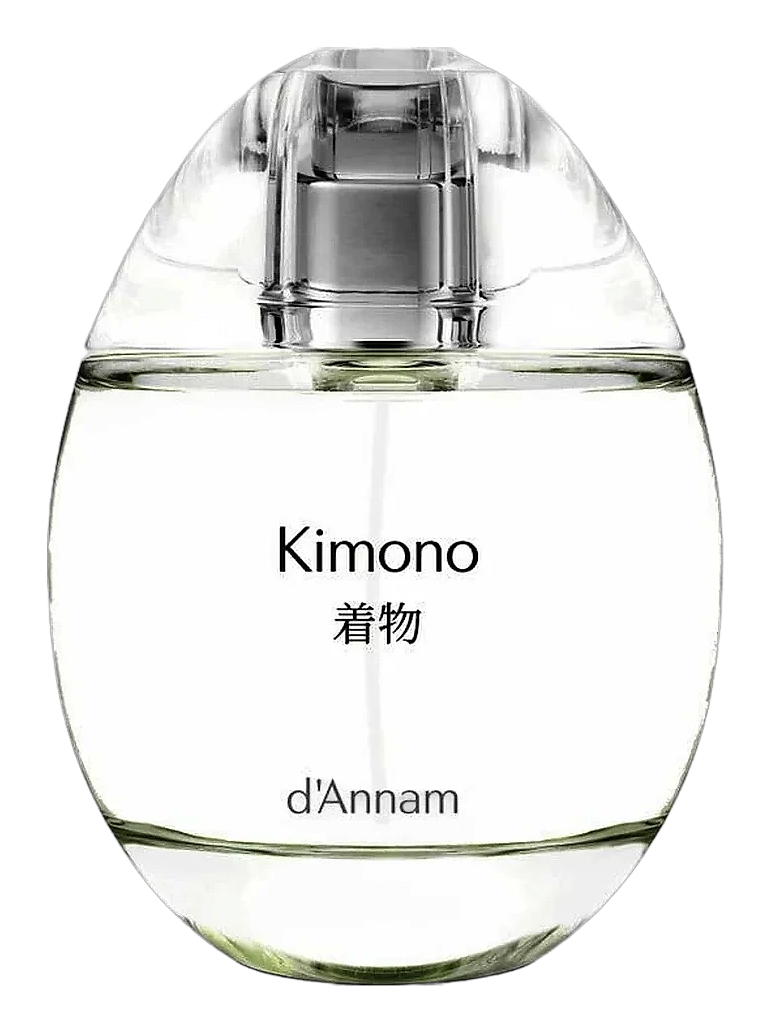
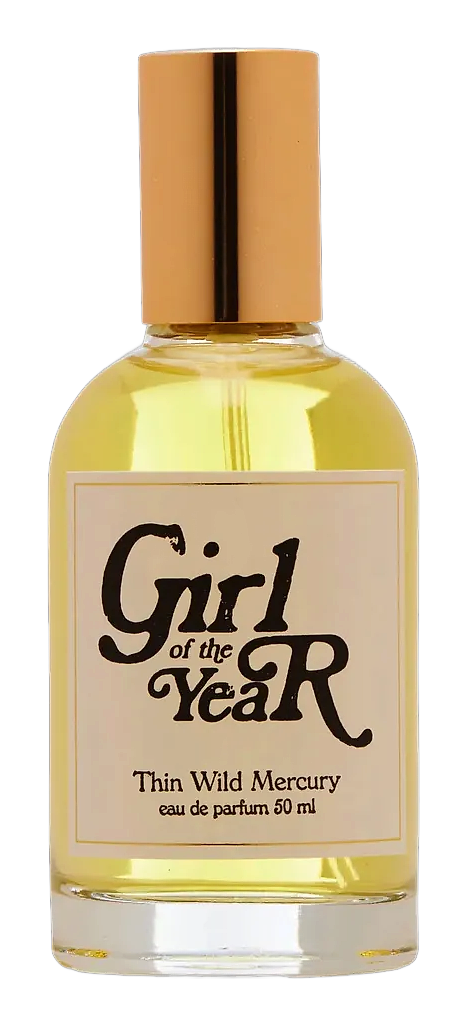
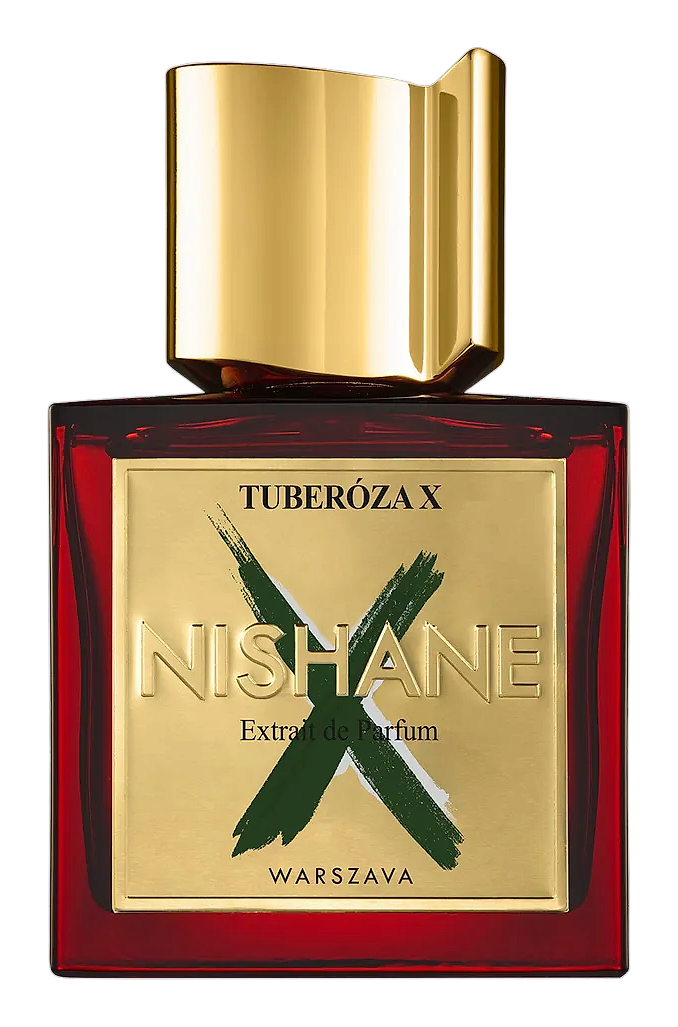
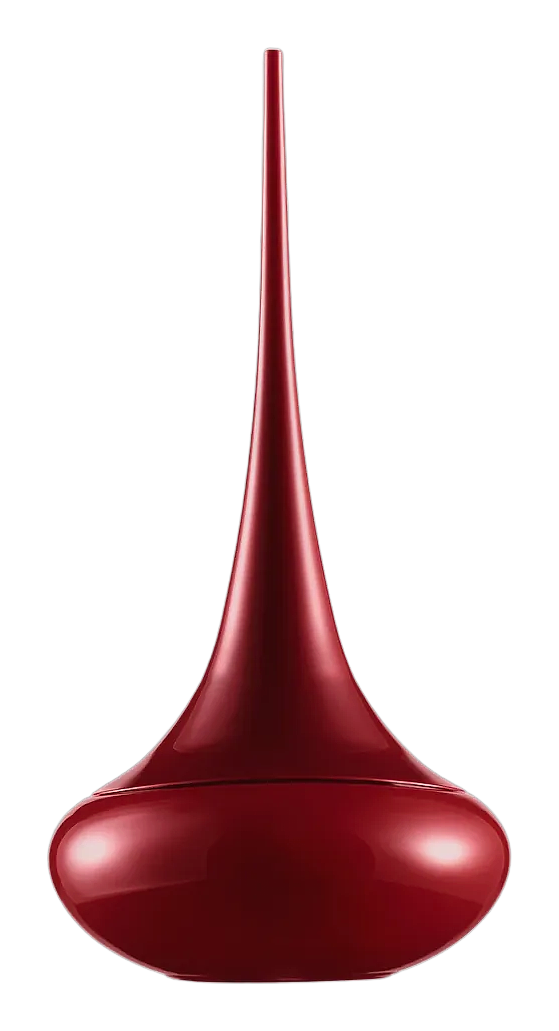
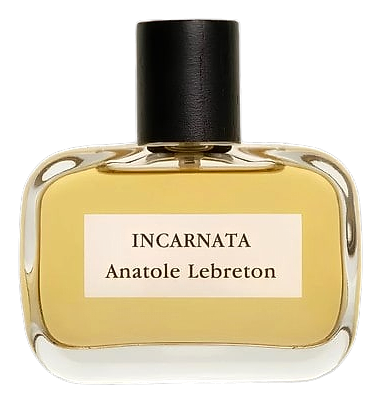
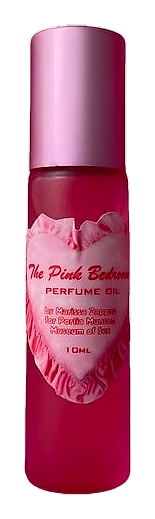
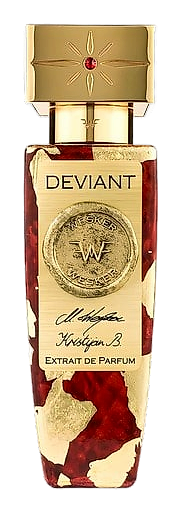
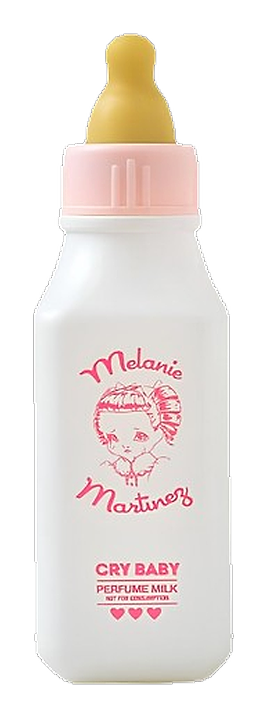
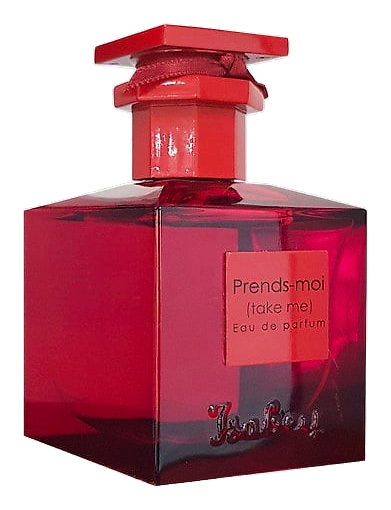
Brands
Brands known for Lipstick
Good to know
Questions, answered
The essentials on Lipstick in perfumery: how it smells, where it comes from, and how it behaves on skin.
What scent profile defines the lipstick note?
Lipstick smells sweet, powdery, with vanilla and caramel tones and a faint metallic edge. Perfume analysts recorded its core components as vanillin, ethyl maltol, and a trace of musk ketone in a 2022 study. These ingredients combine to create the signature scent.
Is the lipstick note derived from natural sources?
Lipstick is produced synthetically, not extracted from plants. The International Fragrance Association lists its primary ingredients as lab‑crafted aroma chemicals, with a 2021 report confirming 100% synthetic origin. Manufacturers avoid natural extraction to maintain consistent color and aroma.
Which fragrance families pair well with lipstick?
Lipstick blends smoothly with oriental, gourmand, and floral families. A 2020 market analysis showed 68% of new releases featuring lipstick paired it with vanilla or amber bases. Perfume houses often layer it over rose or jasmine to balance sweetness.
How long does the lipstick note linger on skin?
Lipstick persists for 4 to 6 hours on average. Stability tests by a leading lab in 2023 measured its half‑life at 5.2 hours under controlled temperature. Factors such as skin type and ambient humidity can shift the duration.
Is the lipstick note safe for direct skin contact?
Lipstick meets safety standards for topical use. The European Union’s Cosmetic Regulation approved its main components in 2021 after toxicology review. Formulators keep concentrations below 2% to avoid irritation.
Can the lipstick note be used in male‑targeted fragrances?
Lipstick works in masculine compositions when balanced with woods or spices. A 2019 fragrance launch for men featured lipstick alongside cedar and black pepper, receiving positive reviews. The contrast highlights depth without overt sweetness.
What typical concentration does the lipstick note have in a perfume?
Perfume formulators typically add lipstick at 1% to 3% of the total formula. A 2022 formulation guide recorded an average usage rate of 2.1% across 150 samples. Higher levels risk overpowering the blend.
Where did the lipstick note originate?
Lipstick emerged from French cosmetic labs in the mid‑1990s. The first documented fragrance with a dedicated lipstick note, released in Paris in 1995, cited laboratory‑crafted aroma chemicals. Its popularity grew as designers linked scent to makeup trends.