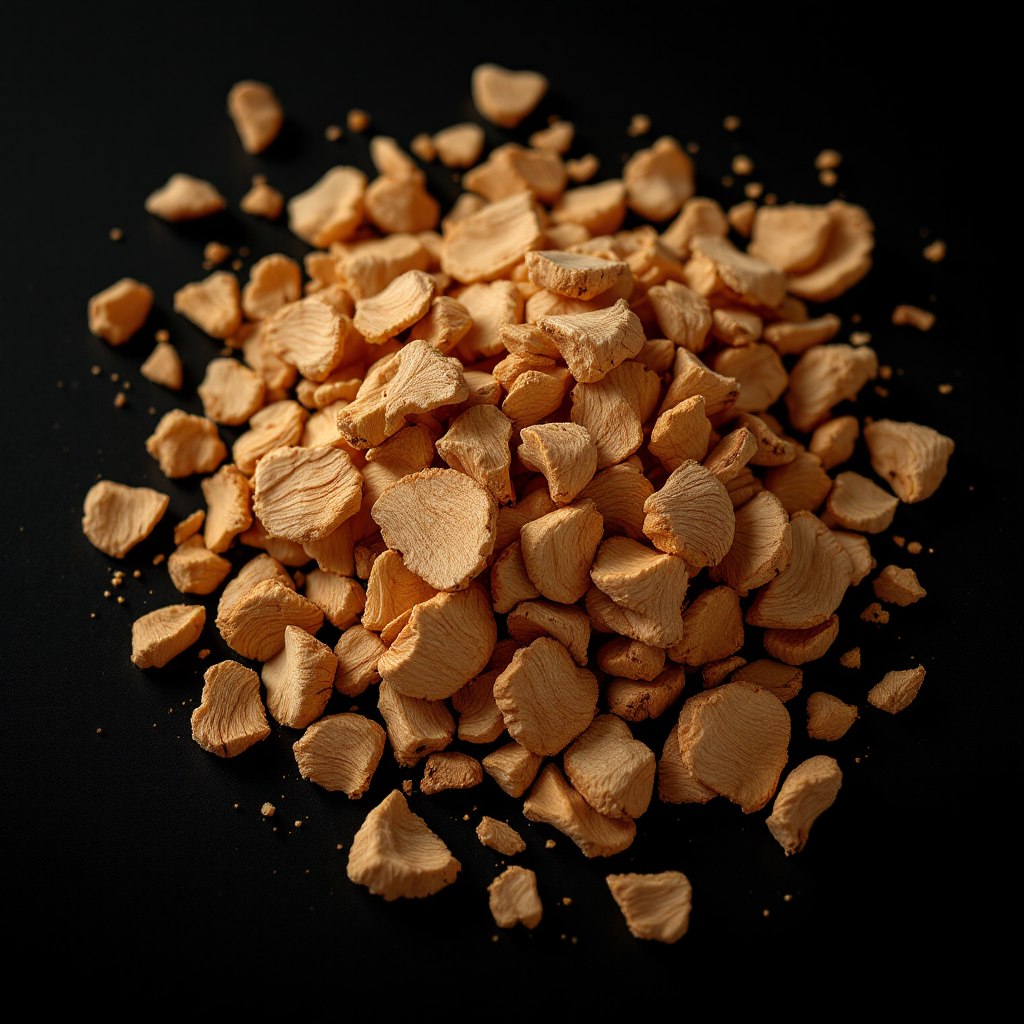
Linden Tree Wood
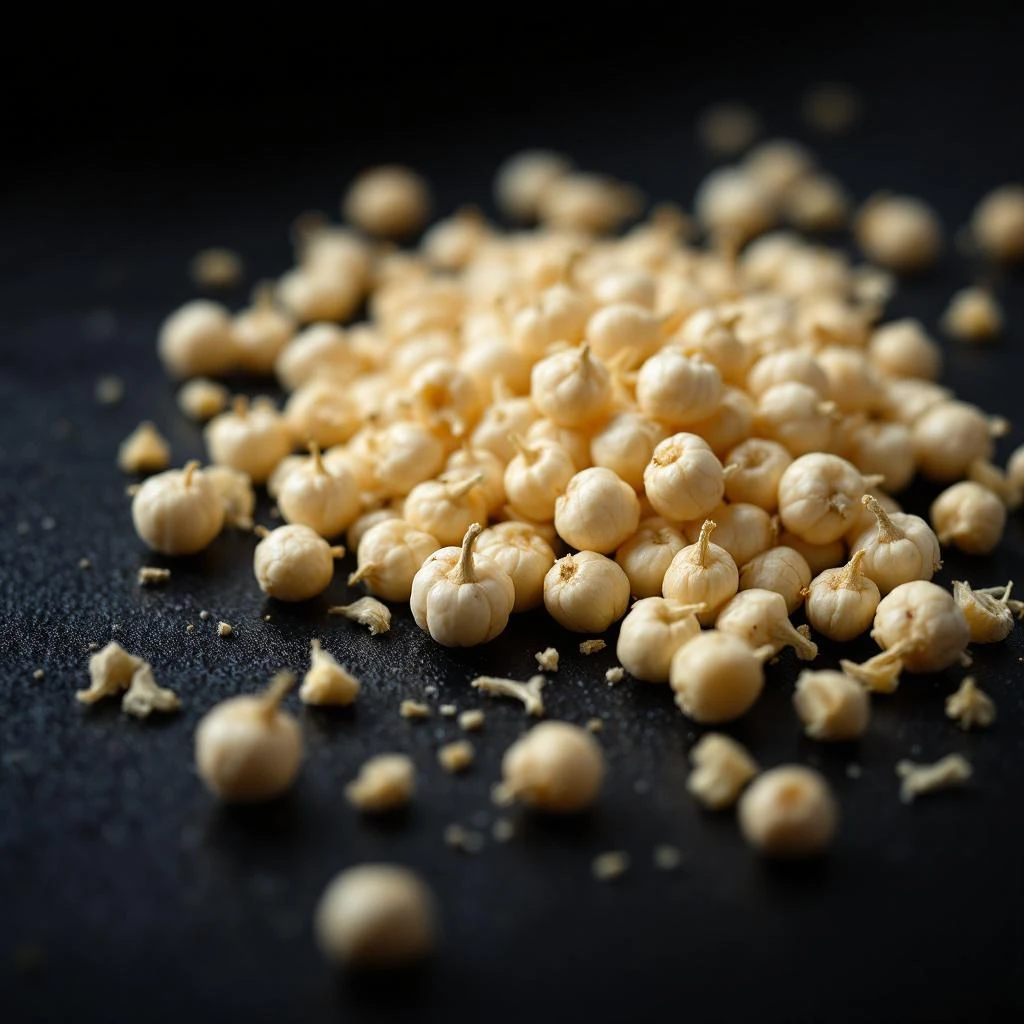
Linden tree wood lends perfumery a soft, honeyed warmth that bridges floral heart notes and resinous bases. Its quiet complexity rewards careful attention.
Character
How it smells
Quiet wood, generous warmth.
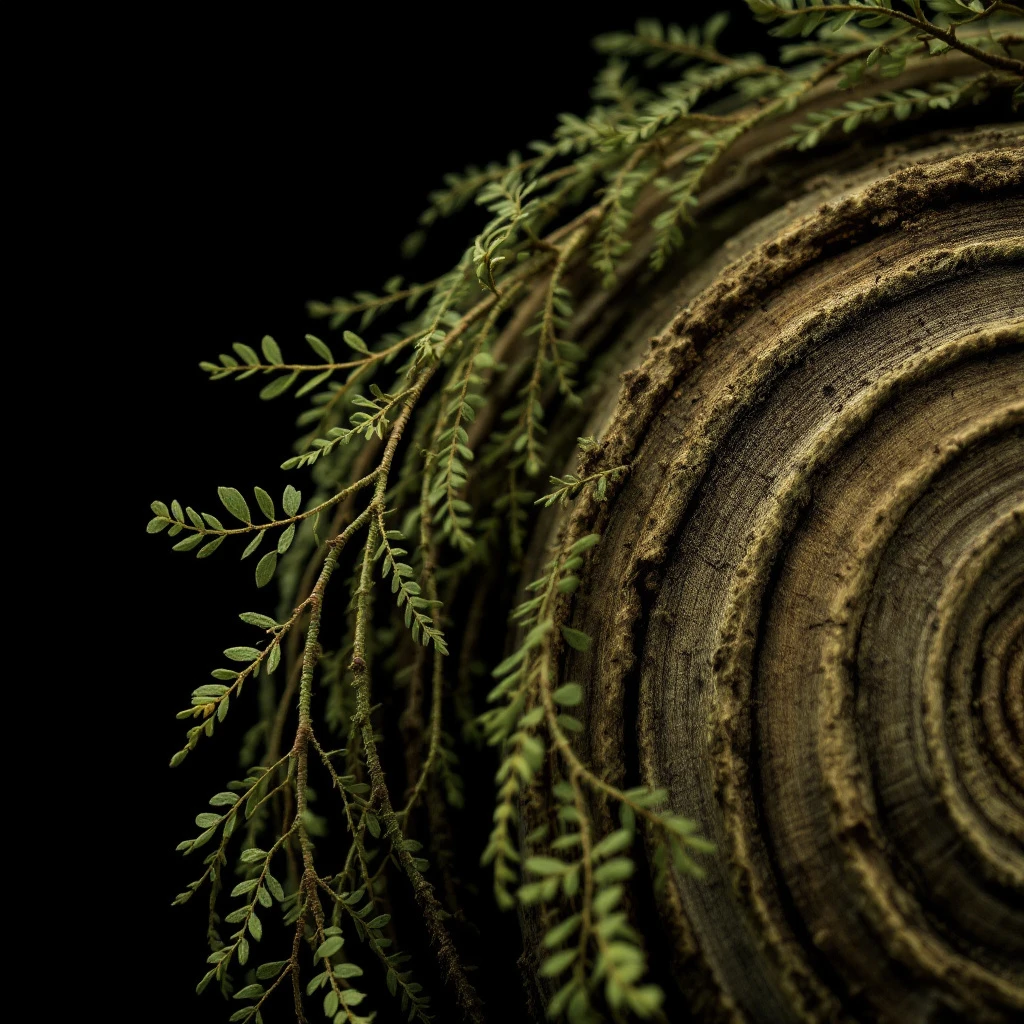
Linden trees can live for several centuries, and their wood retains a faint honeyed sweetness decades after being harvested.





Origin
France
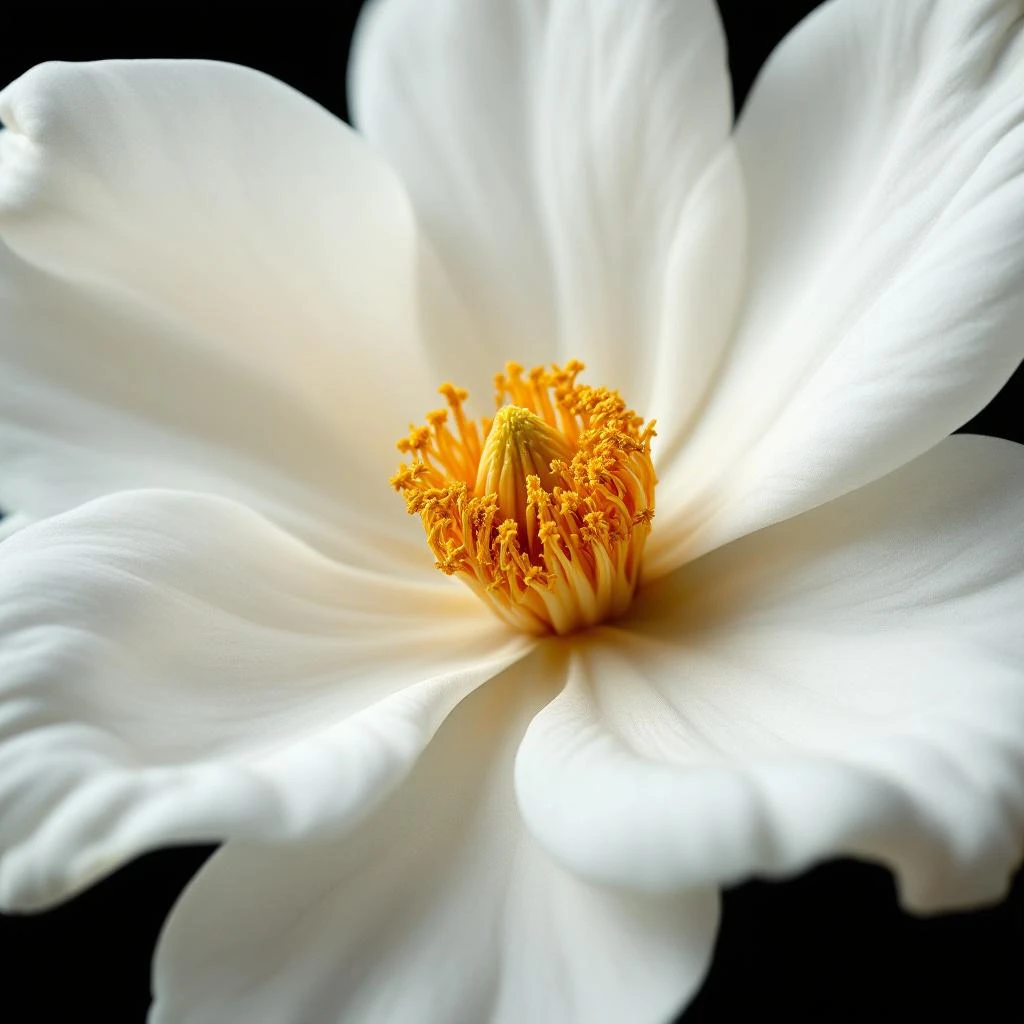
The linden tree, known as lime in British usage, has occupied a place in European life for centuries long before perfumers turned to its wood. Villagers planted linden avenues along town squares, and herbalists brewed the flowers for calming tisanes, a practice still common across France, Germany, and Central Europe. The tree appears in folklore from Slavic to Germanic traditions, often associated with protection and community.
Its fragrant blossoms inspired poets from Virgil onward, who praised the scent that drifts from the canopy in early summer. The wood itself entered perfumery more quietly. As the industry sought softer alternatives to harsh cedar and sandalwood bases during the twentieth century, linden wood offered a gentler tonal quality, one that could cushion sharper floral accords without flattening them.
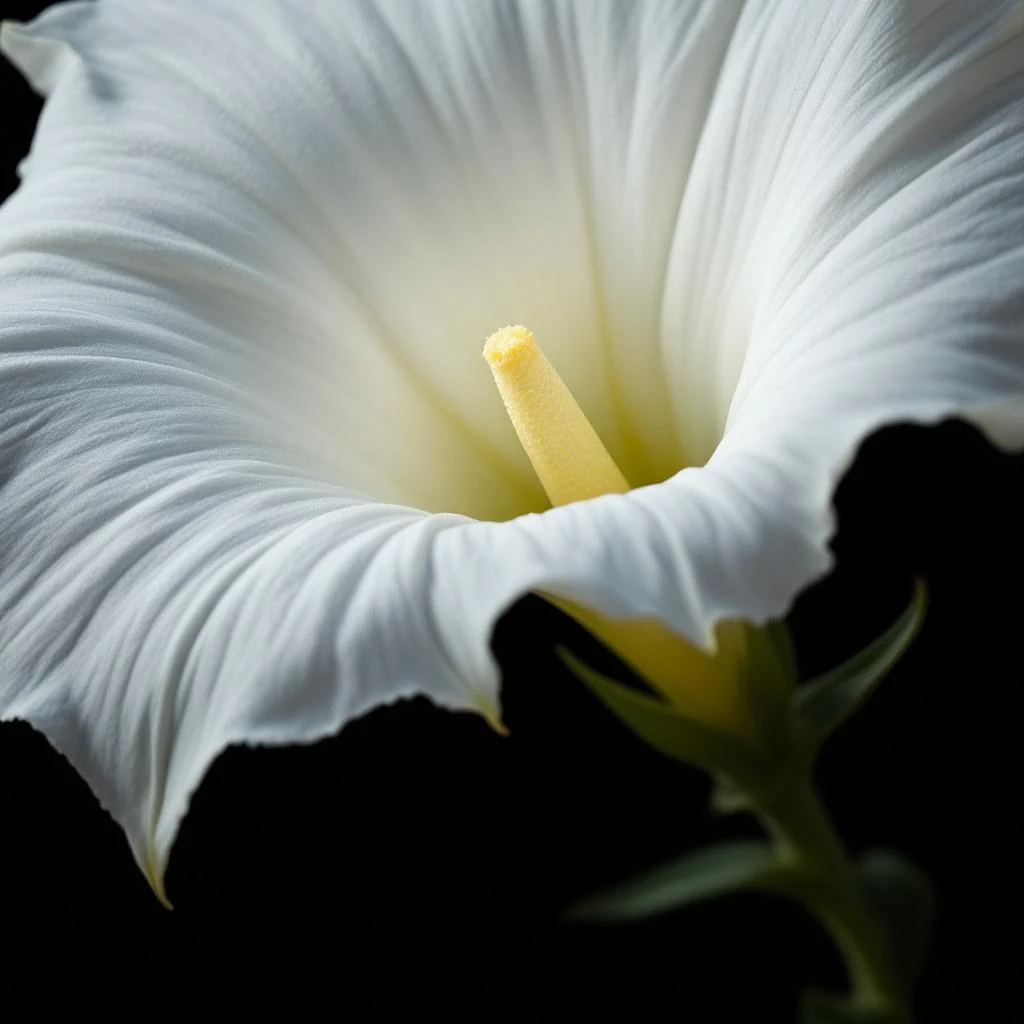
Niche perfumers in particular adopted it for compositions built around mimosa, linden blossom, and tea notes, where the wood's understated sweetness felt right at home.
Wears it best
Fragrances featuring Linden Tree Wood
Brands
Brands known for Linden Tree Wood
Good to know
Questions, answered
The essentials on Linden Tree Wood in perfumery: how it smells, where it comes from, and how it behaves on skin.
What does linden tree wood smell like in perfume?
Linden tree wood gives a soft, warm, slightly honeyed aroma with delicate floral and tea-like undertones. It acts as a gentle bridge between bright heart notes and heavier resinous bases, adding smoothness without dominating a composition.
Is linden tree wood the same as linden blossom?
No. Linden blossom absolute is extracted from the flowers and yields a green, honeyed, almost narcotic floral scent. Linden wood comes from the heartwood and produces a drier, warmer, more balsamic profile used as a base note.
Where does linden tree wood originate for perfumery?
Most perfumery-grade linden wood comes from temperate Europe, particularly France, Germany, and the Balkans, where Tilia cordata and Tilia platyphyllos grow abundantly in managed woodlands and town plantings.
How is linden tree wood extracted for fragrance?
Producers cut mature heartwood into chips or shavings, then process it through steam distillation to capture the volatile oils. Some perfumers use solvent extraction to recover heavier aromatic compounds that steam alone cannot lift.
Is linden tree wood sustainable?
Yes, generally. European linden trees are widespread across temperate forests and urban plantings, and most perfumery supply comes from managed forestry rather than wild harvesting, making it a relatively low-impact material.
What fragrance families use linden tree wood?
Linden tree wood appears most often in soft floral, gourmand, and tea-style compositions. It pairs naturally with mimosa, linden blossom, white tea, and gentle ambers where a creamy, understated warmth is desired.
How does linden tree wood compare to sandalwood?
Linden wood is lighter and drier than sandalwood, lacking the creamy density of Indian sandalwood but offering a similar smoothing effect. It works well as a subtle alternative when a softer, less assertive woody base is needed.
Are linden tree wood fragrances expensive?
Linden wood yields relatively little oil per tree, and extraction is labor-intensive, which places linden-wood-forward fragrances in the mid-to-premium range. Prices reflect processing costs rather than rarity of the raw timber itself.