    Brand Profile

    Max Mara is an Italian fashion house that grew from a post‑war tailoring workshop into a global name for refined clothing and, for a decade,…More

    Italy·Est. 1951·Site

    3.9

    Rating

    6
    Max Mara Silk Touch by Max Mara
    3.9

    Max Mara Silk Touch

    Kashmina Touch by Max Mara
    Best Seller
    4.2

    Kashmina Touch

    Max Mara by Max Mara
    Best Seller
    4.1

    Max Mara

    Le Parfum by Max Mara
    Best Seller
    4.1

    Le Parfum

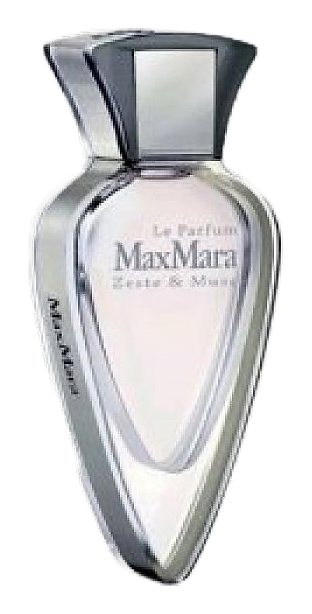
    Max Mara Le Parfum Zeste & Musc by Max Mara
    4.0

    Max Mara Le Parfum Zeste & Musc

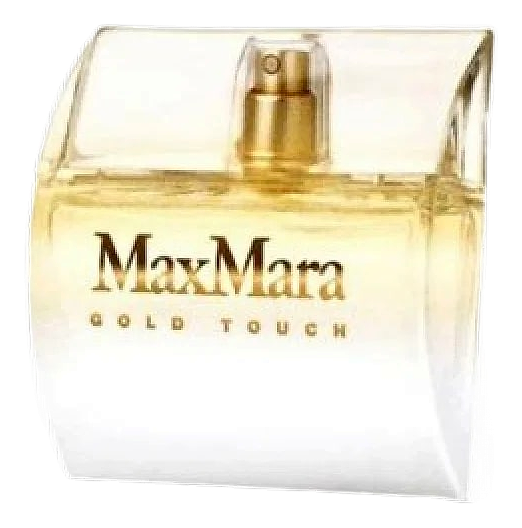
    Max Mara Gold Touch by Max Mara
    3.8

    Max Mara Gold Touch

    The Heritage

    The Story of Max Mara

    Max Mara is an Italian fashion house that grew from a post‑war tailoring workshop into a global name for refined clothing and, for a decade, for fragrance. The brand’s core aesthetic—clean lines, understated colour and a focus on wearable elegance—carries over into its scented offerings. Between 2004 and 2010 the house released a small portfolio of perfumes that echoed the same quiet confidence found in its coats and dresses. Today the name appears on both runway collections and a curated line of fragrances managed through a partnership with Shiseido.

    Heritage

    Achille Maramotti opened a small workshop in Reggio Emilia in 1951 after completing a law degree. He introduced American industrial processes to Italian tailoring, creating ready‑to‑wear garments that combined precision with comfort. The brand quickly expanded, opening its first boutique in Milan in 1965 and launching a flagship store in New York in 1970. By the 1980s Max Mara had become known for its iconic coat, a staple for professional women worldwide. In 2004 the house entered the fragrance market, collaborating with Procter & Gamble’s Cosmopolitan Cosmetics division to launch its first perfume, simply titled Max Mara. Subsequent releases—Kashmina Touch (2008), Max Mara Le Parfum (2008) and Silk Touch (2007)—sought to translate the label’s sartorial sensibility into scent. The fragrance line was discontinued in the early 2010s, and in 2014 Shiseido acquired the licensing rights for the brand’s perfume portfolio, taking responsibility for development, production and distribution across Europe, the Middle East and Africa. This partnership allowed Max Mara to revive select scents and explore new olfactory concepts while preserving the house’s heritage of understated luxury. Throughout its history the company has remained family‑run, with the Maramotti descendants overseeing creative direction and maintaining the original commitment to quality and timeless style.

    Craftsmanship

    The fragrance production process begins with a brief that translates the brand’s sartorial language into olfactory terms. Shiseido’s research labs source raw materials from established growers in France, Italy and Grasse, prioritising ingredients that meet strict purity standards. Natural absolutes such as jasmine and rose are combined with carefully selected synthetics to achieve consistency across batches. Each formula undergoes stability testing under varied temperature and humidity conditions, mirroring the rigorous quality checks applied to the label’s textiles. Once a scent is approved, the blend is transferred to stainless‑steel vats for maceration, a step that allows the components to integrate fully. The final perfume is filtered and filled in a controlled environment to prevent contamination. Bottles are crafted from thick glass to protect the fragrance from light, and caps are machined from brushed metal to echo the brand’s minimal aesthetic. Labels are printed using a matte finish that resists wear, reflecting the same attention to detail found in a Max Mara coat seam. Throughout the process, the house conducts sensory panels with trained evaluators to ensure the scent aligns with the intended mood and wearability. This disciplined approach mirrors the precision of the brand’s tailoring workshops, where each stitch is inspected before the garment leaves the floor.

    Design Language

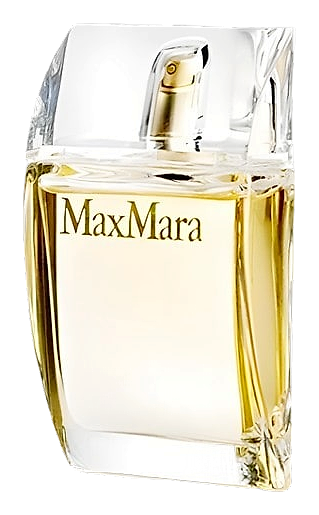
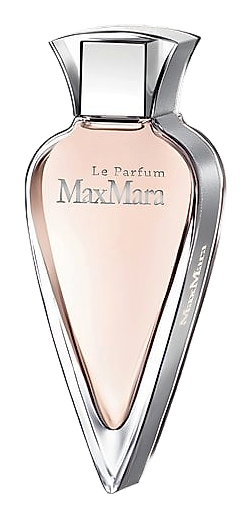
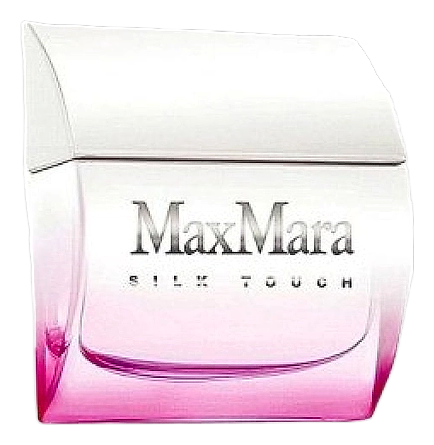
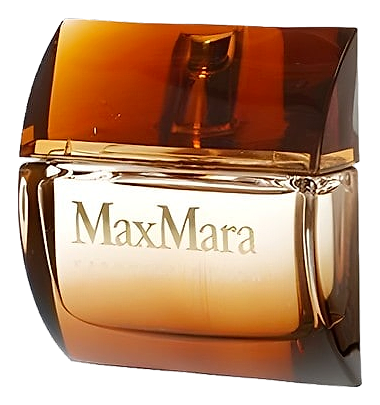
    Max Mara’s visual identity relies on simplicity and refined geometry. The logo, a clean serif wordmark, appears in black or deep navy against a white background, reinforcing the brand’s understated palette. Fragrance bottles follow the same logic: a slender, rectangular silhouette with smooth shoulders, often capped with a brushed metal lid that feels substantial in the hand. The glass is clear, allowing the perfume’s colour to speak for itself, while the label uses a subtle matte finish and small, centered typography. Packaging boxes echo the brand’s coat collections, featuring a single colour block—often ivory, charcoal or muted teal—paired with the wordmark in embossed foil. Marketing imagery showcases models in tailored attire, set against neutral interiors, emphasizing the idea that scent complements, rather than overwhelms, personal style. The overall aesthetic conveys a sense of quiet confidence, inviting the wearer to experience luxury through restraint rather than excess.

    Philosophy

    Max Mara’s creative vision centers on timeless elegance and functional beauty. The house believes that clothing and fragrance should serve the wearer’s daily life without demanding special occasions. Its values emphasize craftsmanship, quiet confidence and the empowerment of independent women—a principle set by Achille Maramotti when he founded the label for working professionals. In perfumery the brand applies the same disciplined approach it uses in tailoring: each note is measured, each accord balanced, and the final composition respects the wearer’s skin as a canvas. The partnership with Shiseido brings scientific expertise to the formulation process, ensuring stability and skin compatibility while allowing the creative team to focus on narrative. Max Mara avoids fleeting trends, opting instead for scents that age gracefully, mirroring the way a well‑cut coat becomes more personal over time. This philosophy informs every decision, from ingredient selection to packaging, and reinforces the house’s commitment to enduring style.

    Key Milestones

    1951

    Achille Maramotti founded Max Mara in Reggio Emilia, introducing American industrial methods to Italian tailoring.

    1965

    First boutique opened in Milan, marking the brand’s expansion into high‑end retail.

    2004

    Max Mara launched its inaugural fragrance in collaboration with Procter & Gamble’s Cosmopolitan Cosmetics division.

    2008

    Release of Max Mara Le Parfum and Kashmina Touch, extending the scent portfolio.

    2014

    Shiseido acquired the fragrance licensing rights, taking over development and distribution.

    2020

    Max Mara celebrated its 70th anniversary with a retrospective exhibition of iconic coats and archival sketches.

    At a Glance

    Brand profile snapshot

    Origin

    Italy

    Founded

    1951

    Heritage

    75

    Years active

    Collection

    1

    Fragrances released

    Avg Rating

    3.9

    Community sentiment

    Release Rhythm

    2009
    1
    2008
    2
    2007
    2
    2004
    1
    world.maxmara.com

    Did You Know?

    Interesting Facts

    Distinctive details and defining moments that shape the house personality.

    01

    Achille Maramotti studied law before choosing fashion, a background that informed his structured approach to business.

    02

    The brand’s name combines the founder’s surname with the Italian word for sea, reflecting a personal connection to the Maramotti family heritage.

    03

    Max Mara’s first fragrance was developed with the help of Procter & Gamble’s Cosmopolitan Cosmetics, a rare collaboration between a high‑fashion house and a consumer‑goods giant.

    04

    Shiseido’s acquisition of the fragrance license allowed the brand to re‑release discontinued scents with updated formulations that meet modern sustainability standards.

    The Artisans

    The Perfumers