Linden Blossom Honey
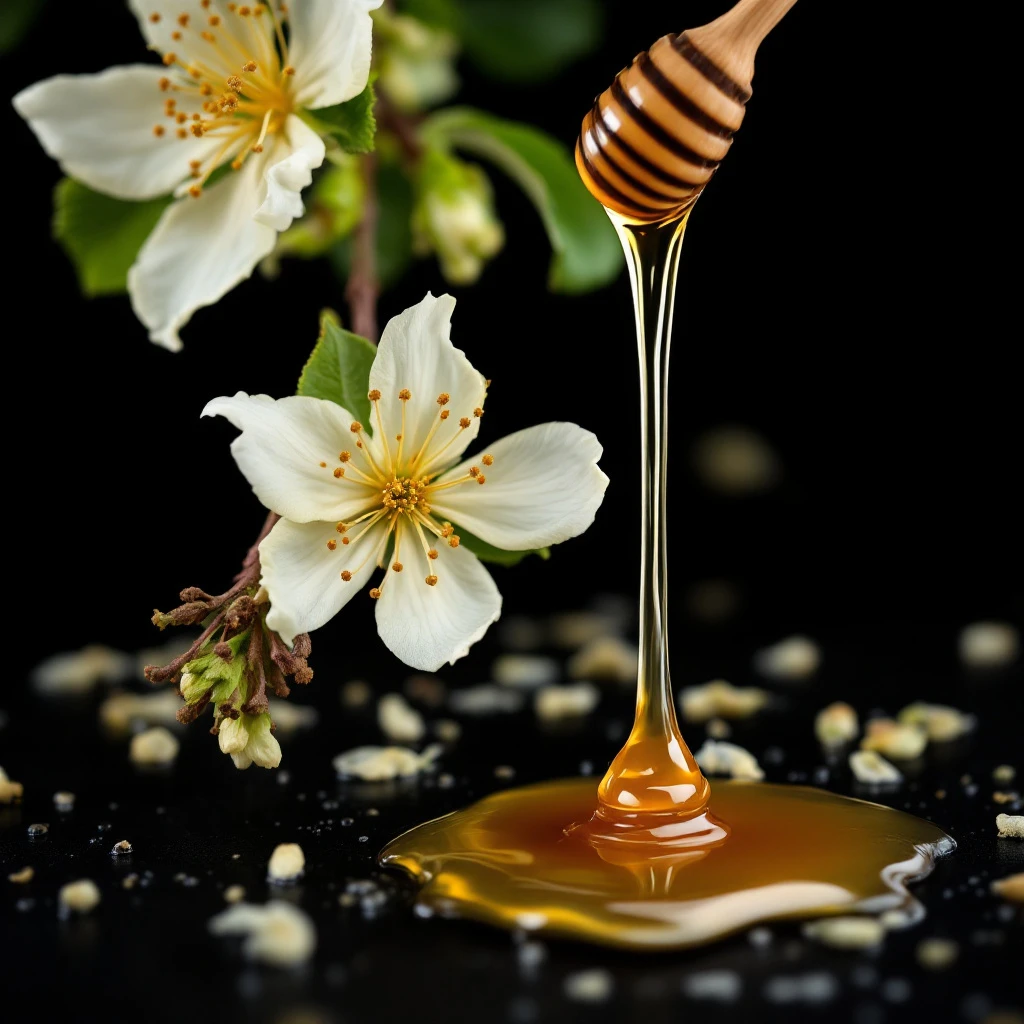
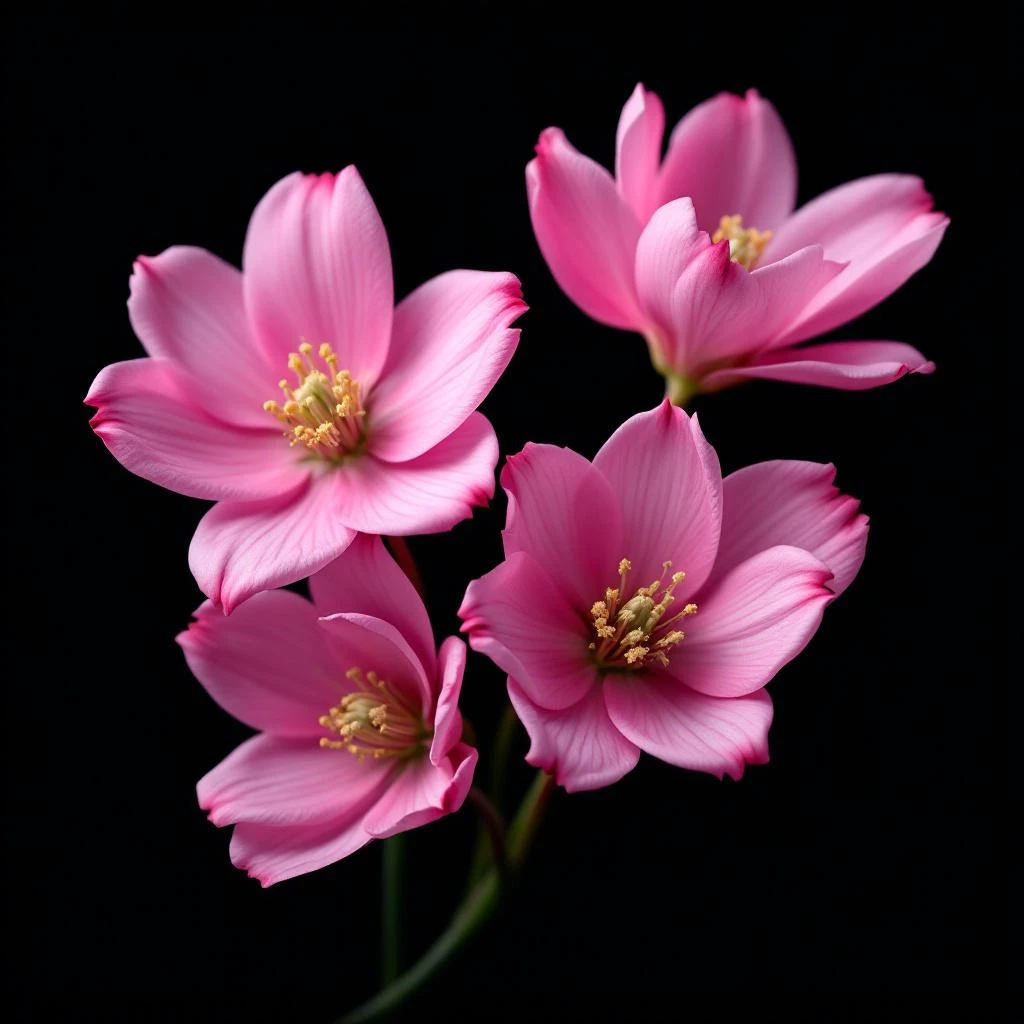
Linden Blossom Honey captures the sweet, sun-warmed nectar of blooming lime trees, a golden-green floral prized in European perfumery for its soft, honeyed, almost edible warmth.
Character
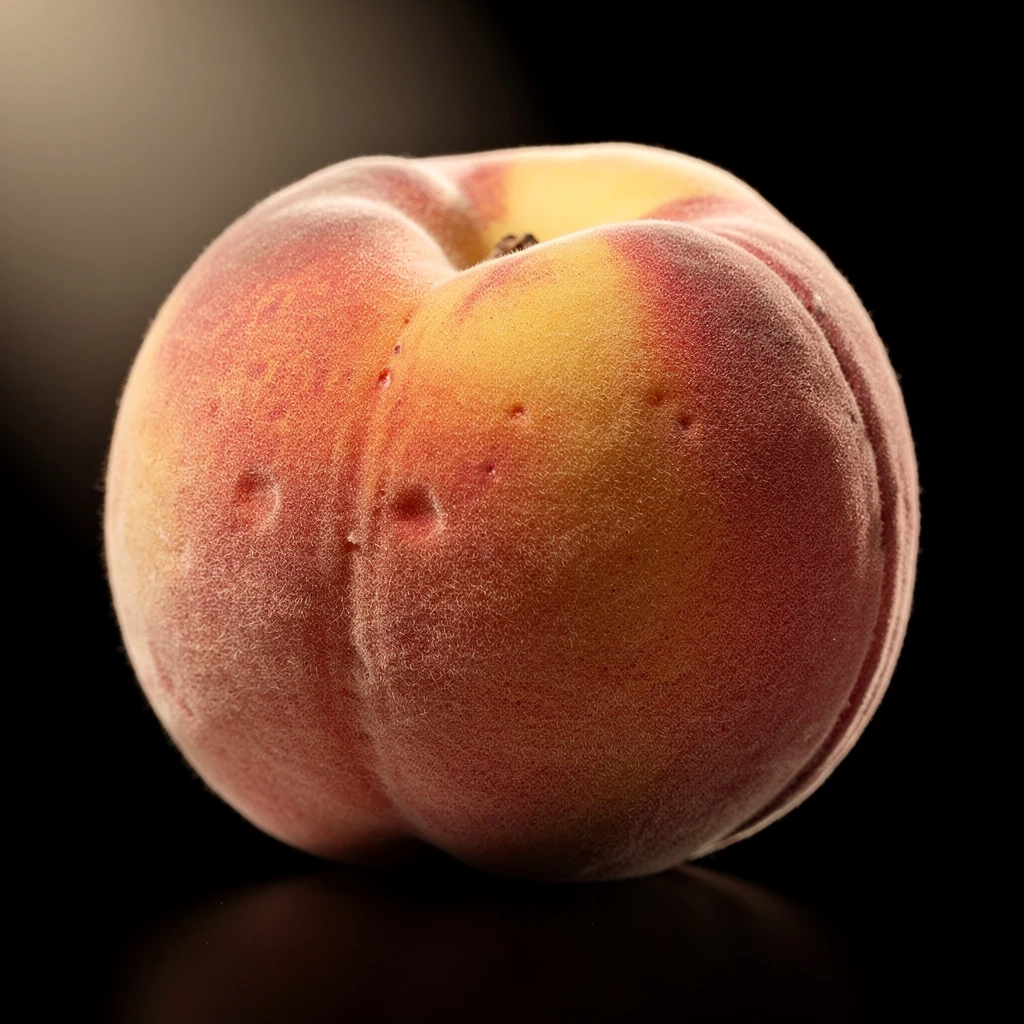
How it smells
Summer bloom bottled in gold.
Linden trees have existed for roughly 70 million years, predating most modern flowering plants humans encounter today.




Origin
France
The linden tree, known as lime blossom in British English, has perfumed the temperate Northern Hemisphere for an estimated 70 million years. By the 16th century, dried linden flowers appeared in apothecary records across Europe, brewed into tisanes and tonic waters believed to calm the nerves and ease digestion.
The scent became embedded in urban identity: walk through Prague in late June and the air thickens with the honeyed cloud of Tilia blooms, a phenomenon travelers and perfumers have noted for centuries. In the 20th century, Soviet and German fragrance houses embraced the note in compositions like Among the Lindens and Unter den Linden, produced by Florena, celebrating the tree's cultural weight.
By the late 20th century, Givaudan and other major houses developed proprietary reconstitution bases, blending linden absolute with synthetic honey and indole to create stable, scalable bases. Today, linden blossom appears in everything from niche florals to mainstream honey-forward launches, connecting prehistoric forests to modern perfumery.
Wears it best
Fragrances featuring Linden Blossom Honey
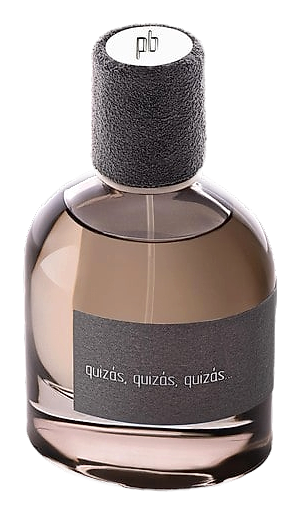
Brands
Brands known for Linden Blossom Honey
Good to know
Questions, answered
The essentials on Linden Blossom Honey in perfumery: how it smells, where it comes from, and how it behaves on skin.
What does Linden Blossom Honey smell like?
It smells like warm honey poured over fresh flowers, with soft green undertones and a tea-like sweetness. The accord is rich but never heavy, carrying a faint indolic edge beneath its golden nectar character.
Is linden blossom the same as lime blossom?
Yes. In British English, the Tilia tree is called the lime tree, so linden and lime blossom refer to the same flower. The honey, absolute, and CO2 extracts all derive from this single species.
Why is linden honey so prized in perfumery?
Linden honey carries a distinctive pale color and rich floral sweetness that bees gather from Tilia nectar in early summer. Its complex aromatic profile, with hints of mint, citrus, and warm beeswax, adds edible depth to floral compositions.
How is linden blossom absolute produced?
Fresh linden blossoms undergo solvent extraction, producing a concrete that is then washed with alcohol to yield the absolute. CO2 extraction of dried flowers offers a cleaner alternative, prized for capturing the bloom's bright, sunlit character.
Where do linden trees grow?
Linden trees thrive across the temperate Northern Hemisphere, spanning Europe, Asia, and North America. They bloom in late June or early July, and their flowers are particularly concentrated in Central European cities such as Prague.
Are linden trees ancient?
Yes. Fossil records suggest linden trees have existed for roughly 70 million years, making them one of the older flowering plant lineages still thriving alongside modern species.
What fragrances feature linden blossom prominently?
Notable compositions include the Soviet Among the Lindens, the German Unter den Linden by Florena, and various niche releases built around Givaudan's specialty linden base. Honey-forward florals and green chypres frequently cite it as a heart note.
Is linden blossom used in natural perfumery?
Yes, though true linden absolute is expensive due to low yield per blossom. Many artisans blend it with true linden honey or rely on synthetic reconstructions when working at scale, balancing cost against authenticity.