Lavender Leaf
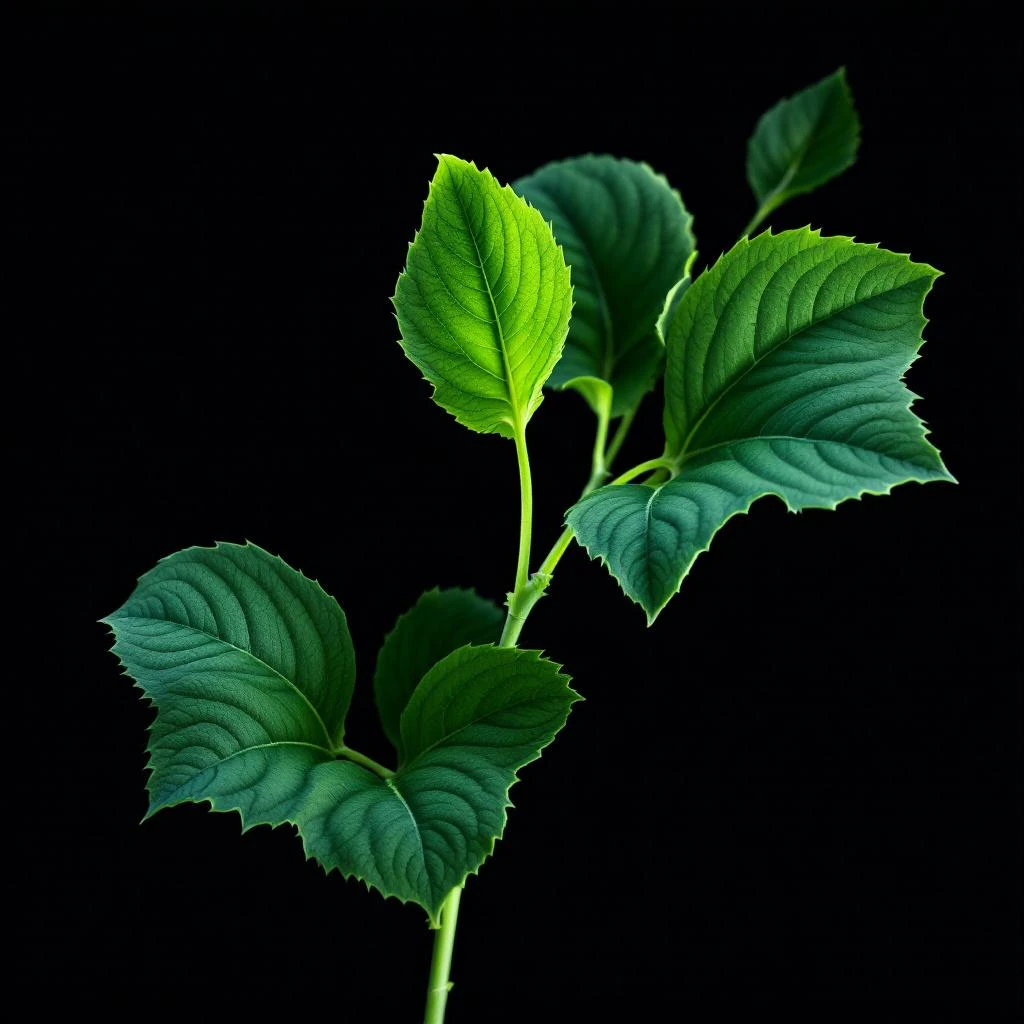
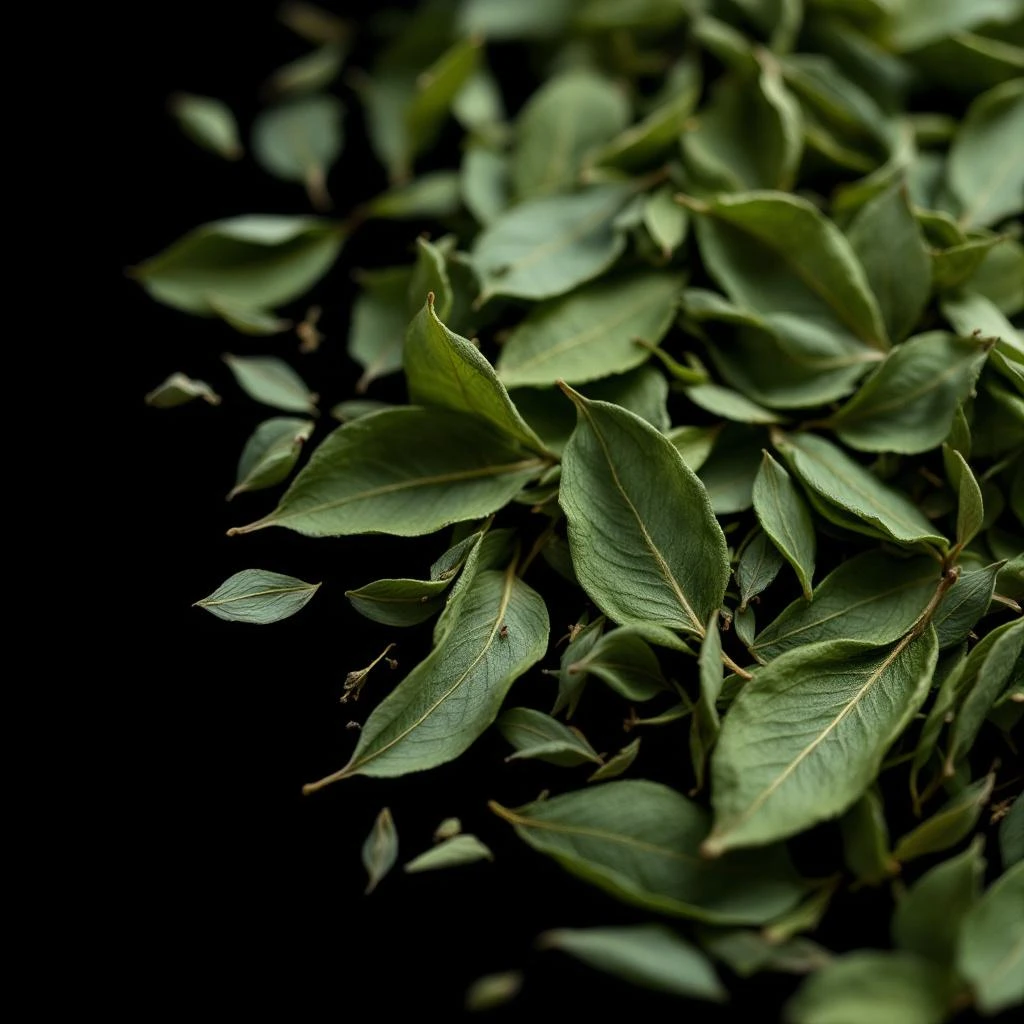
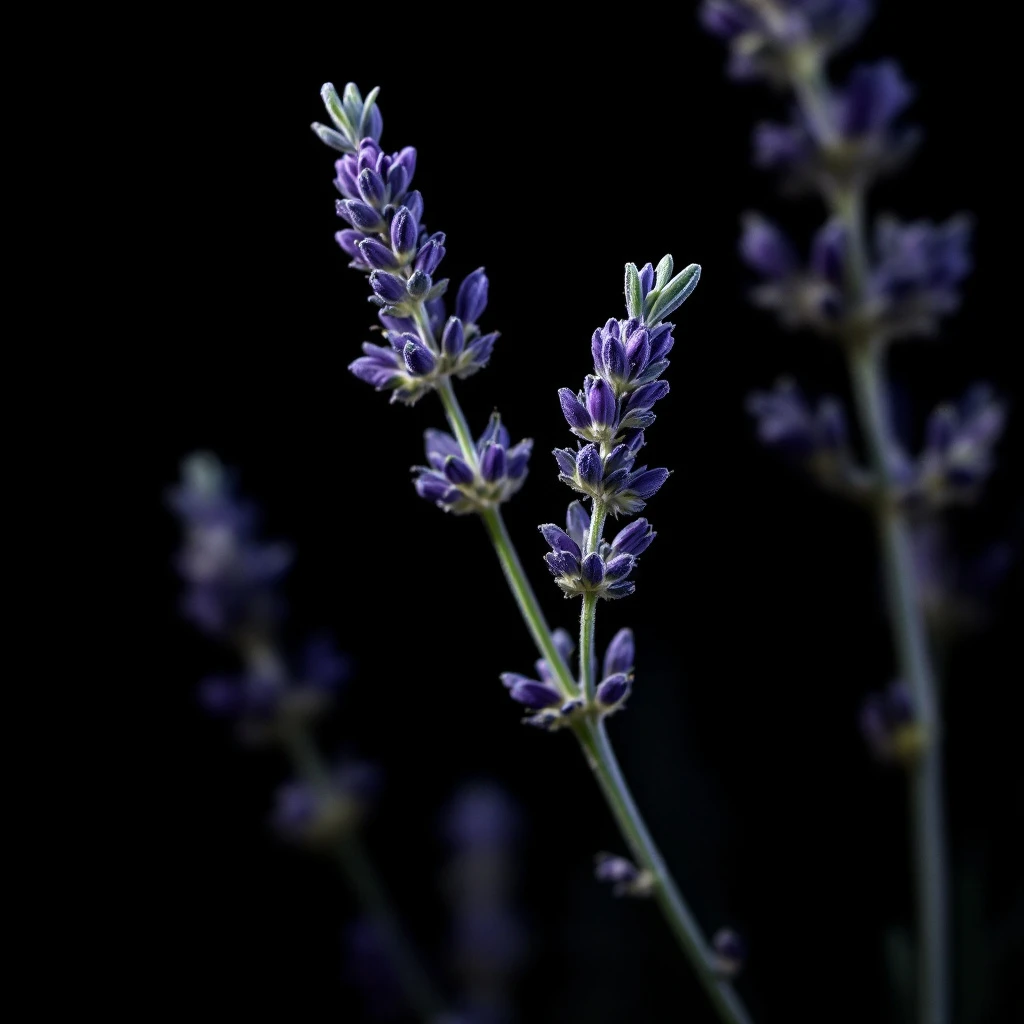
Lavender leaf brings a sharper, greener dimension to perfumery. Where flowers offer softness, the leaf delivers an herbaceous freshness with subtle camphor undertones that grounds fragrances with an almost medicinal clarity.
Character
How it smells
The green, herbaceous sibling of lavender flower.
Lavender leaf oil contains significantly higher camphor content than flower oil, giving it a distinctly medicinal, fresh character that perfumers prize for its grounding effect.



Origin
France
While lavender flowers dominated commercial perfumery, ancient civilizations used the entire plant including leaves for fragrance and medicinal purposes. Ancient Egyptians employed lavender preparations for ritual incense and personal perfumery. The Romans, upon encountering lavender in the eastern Mediterranean, adopted it widely for their baths and cosmetics.
By the eighteenth century, the South of France built its economy around lavender cultivation, with Grasse emerging as Europe's perfume capital. Yet traditional perfumery focused almost exclusively on flower harvesting. The leaf remained underutilized until modern perfumers began exploring its distinct aromatic contribution.
Today, the leaf finds renewed appreciation as perfumers seek more complex, multidimensional green notes that distinguish contemporary fragrances from conventional lavender compositions.
Wears it best
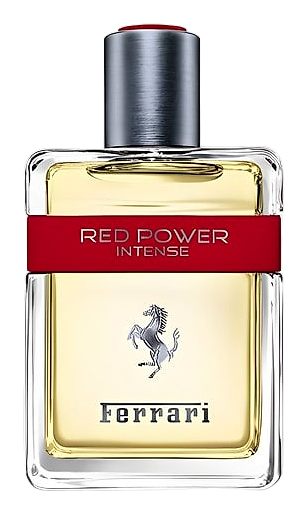
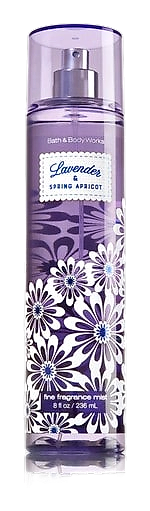
Fragrances featuring Lavender Leaf

Brands
Brands known for Lavender Leaf
Good to know
Questions, answered
The essentials on Lavender Leaf in perfumery: how it smells, where it comes from, and how it behaves on skin.
What does lavender leaf smell like compared to lavender flower?
Lavender leaf offers a greener, more herbaceous aroma with notably higher camphor content. While flower oil presents soft, floral sweetness, leaf oil delivers a sharper, almost medicinal freshness that grounds fragrances with natural clarity.
When was lavender first used as a fragrance ingredient?
Archaeological evidence places lavender in perfumery around 2,500 years ago, with ancient Egyptians using it for incense and personal scents. The South of France became central to European lavender production by the 18th century.
How is lavender leaf oil extracted?
Steam distillation is the primary method, where fresh leaves are subjected to controlled steam to release essential oils. The resulting oil separates from the hydrosol upon condensation, with yield varying based on plant material freshness.
What distinguishes lavender leaf from lavender flower in perfumery?
Leaf oil contains significantly higher camphor and lower linalyl acetate than flower oil. This gives leaf a more herbaceous, medicinal character versus the sweet, floral quality flowers provide.
Which fragrance families use lavender leaf?
Lavender leaf appears primarily in aromatic and fougère families, where its green, herbaceous qualities enhance freshness. It also serves as a natural modifier in chypre and fougère compositions.
What complementary ingredients pair well with lavender leaf?
Lavender leaf pairs naturally with citrus oils, oakmoss, coumarin-rich notes like tonka, and woody materials including cedar and vetiver. These combinations amplify its fresh, green character.
Where does lavender leaf originate geographically?
Lavender thrives in the Mediterranean region, particularly Provençal France, at latitudes between 43 and 45 degrees north. The plants prefer dry, mountainous conditions with well-drained soils.
Can lavender leaf be synthetically replicated?
Synthetic alternatives exist but typically lack the complexity of natural leaf oil. Natural extraction preserves subtle aromatic nuances including camphor undertones that synthetic molecules cannot fully replicate.