Latvian Artemisia
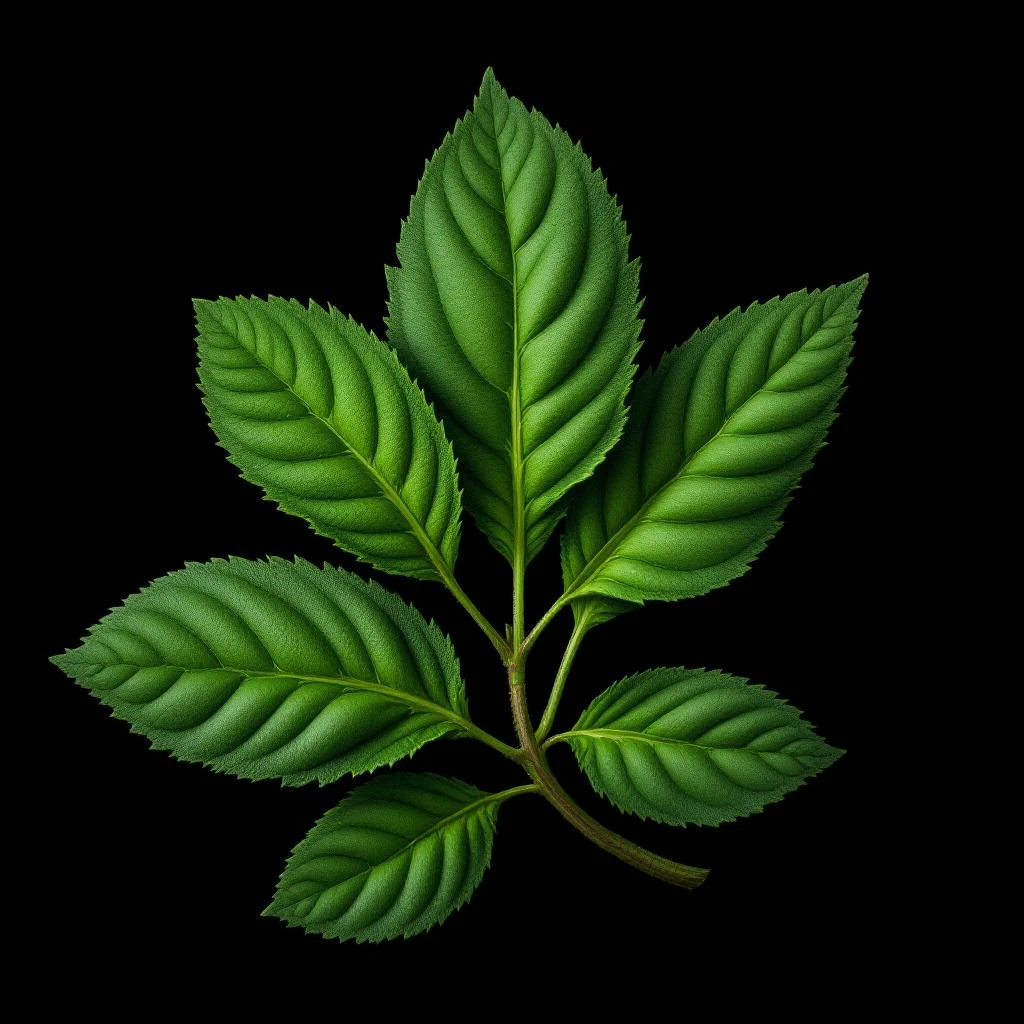
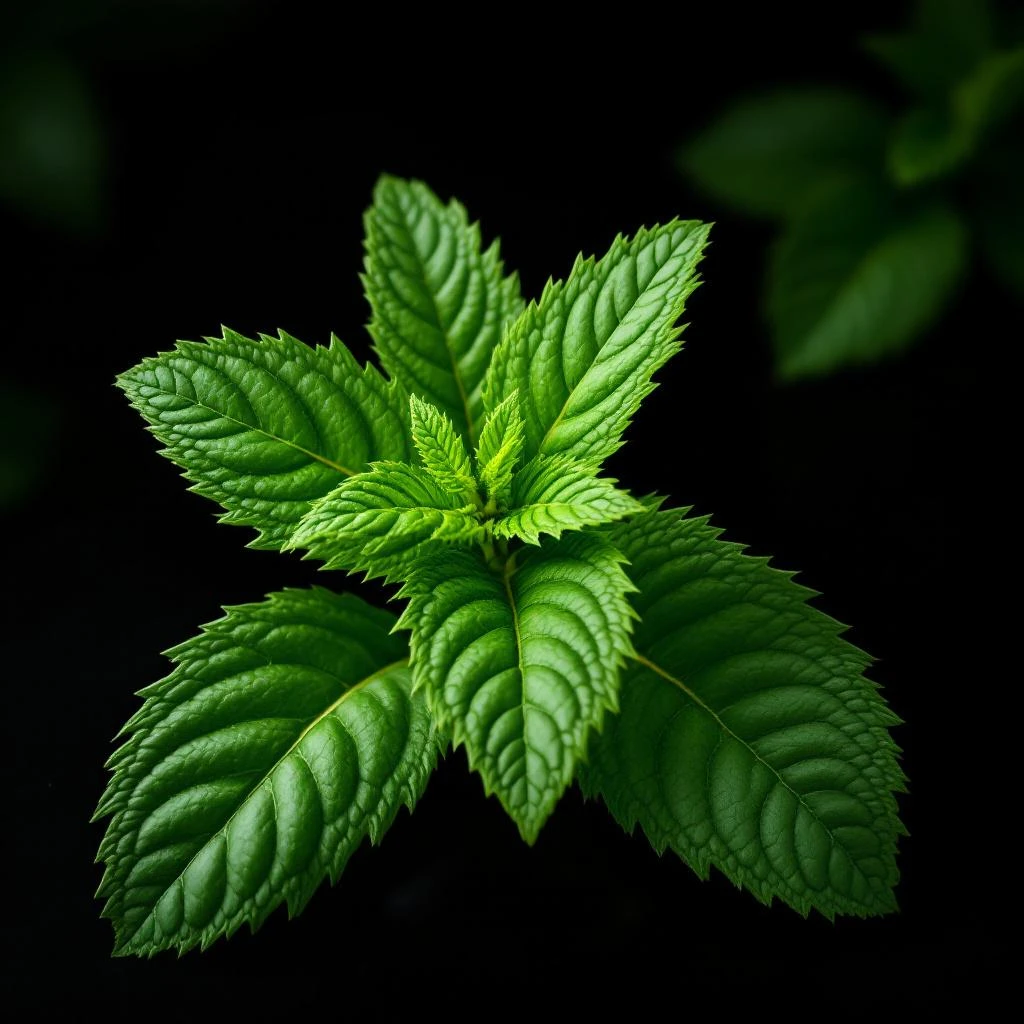
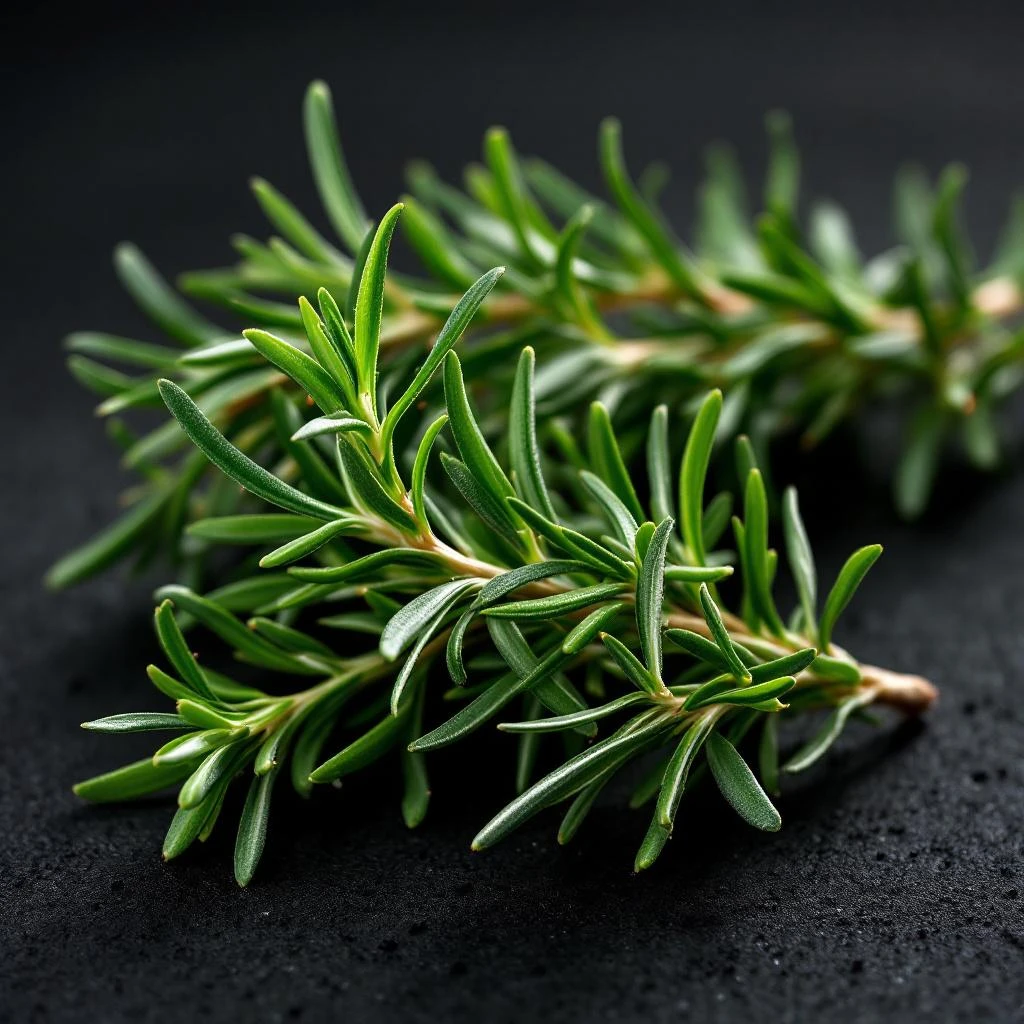
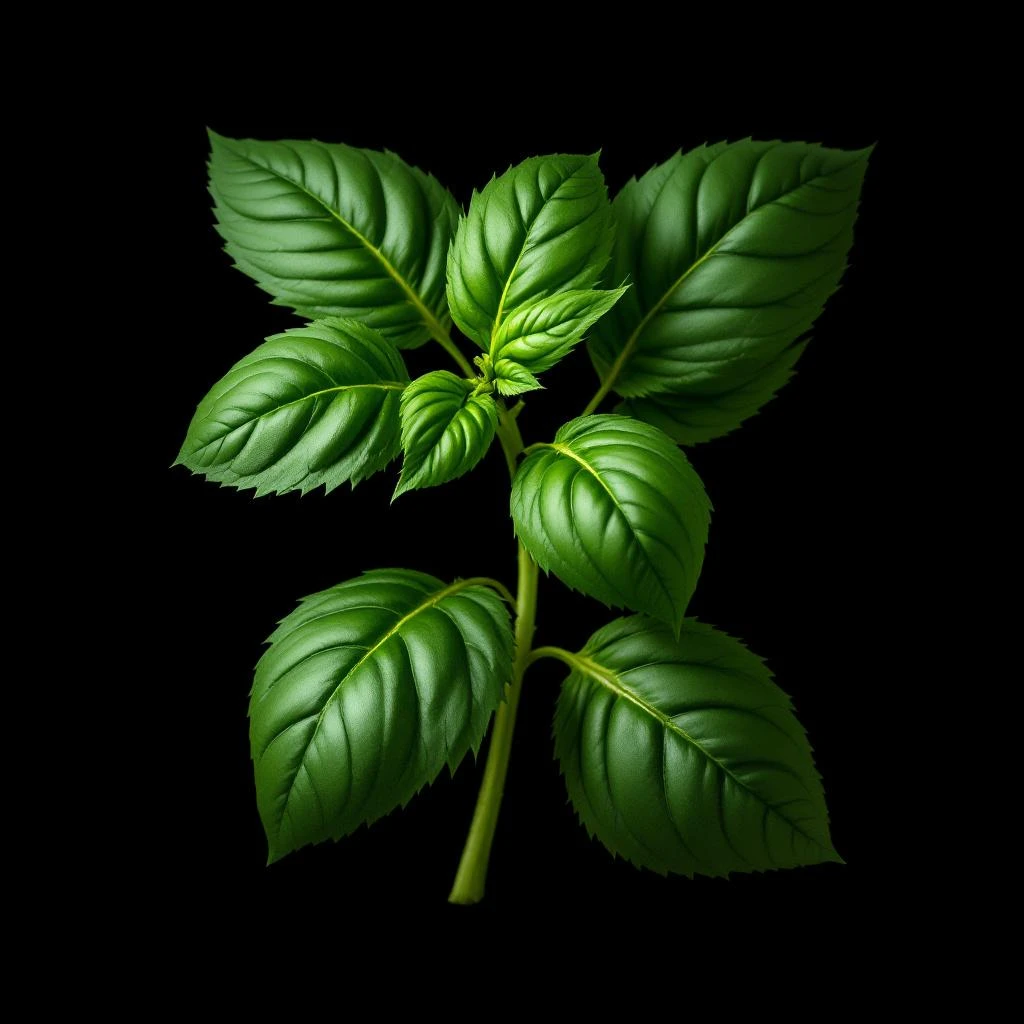
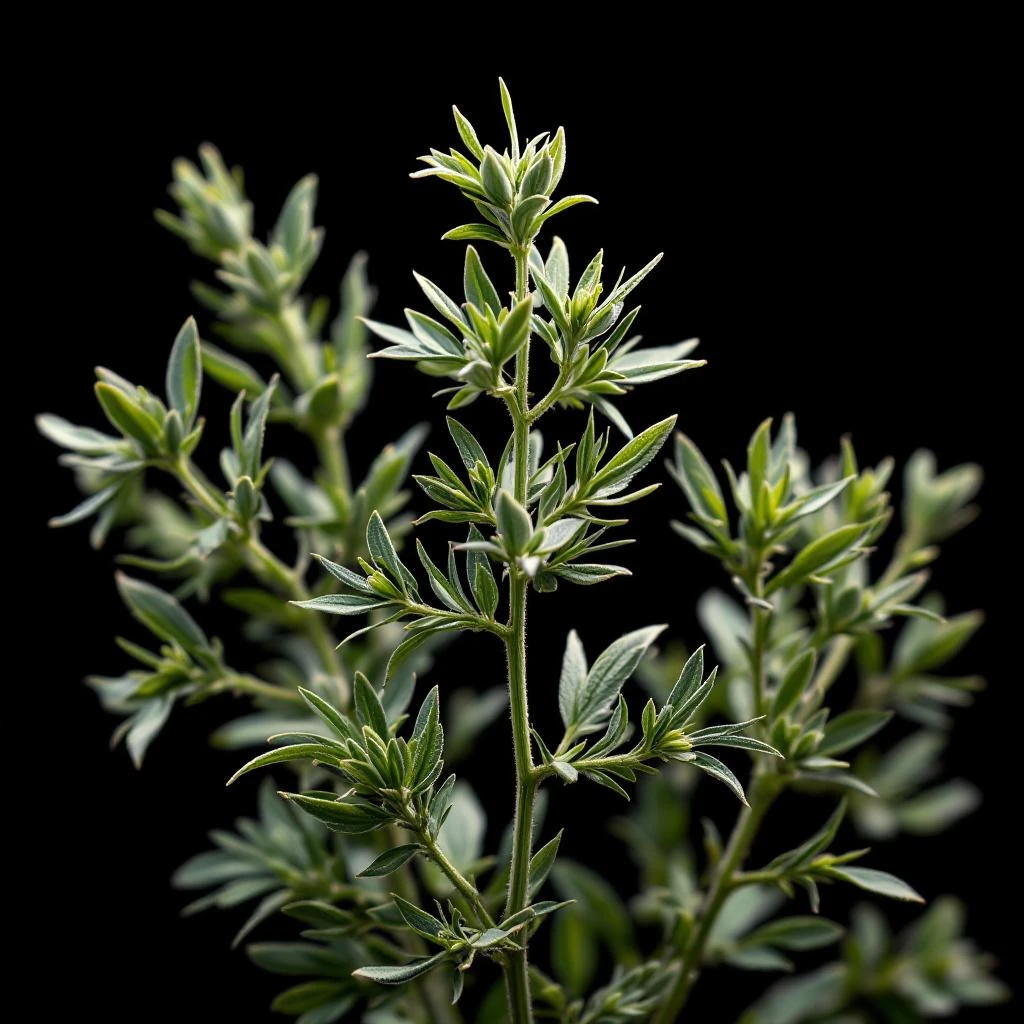
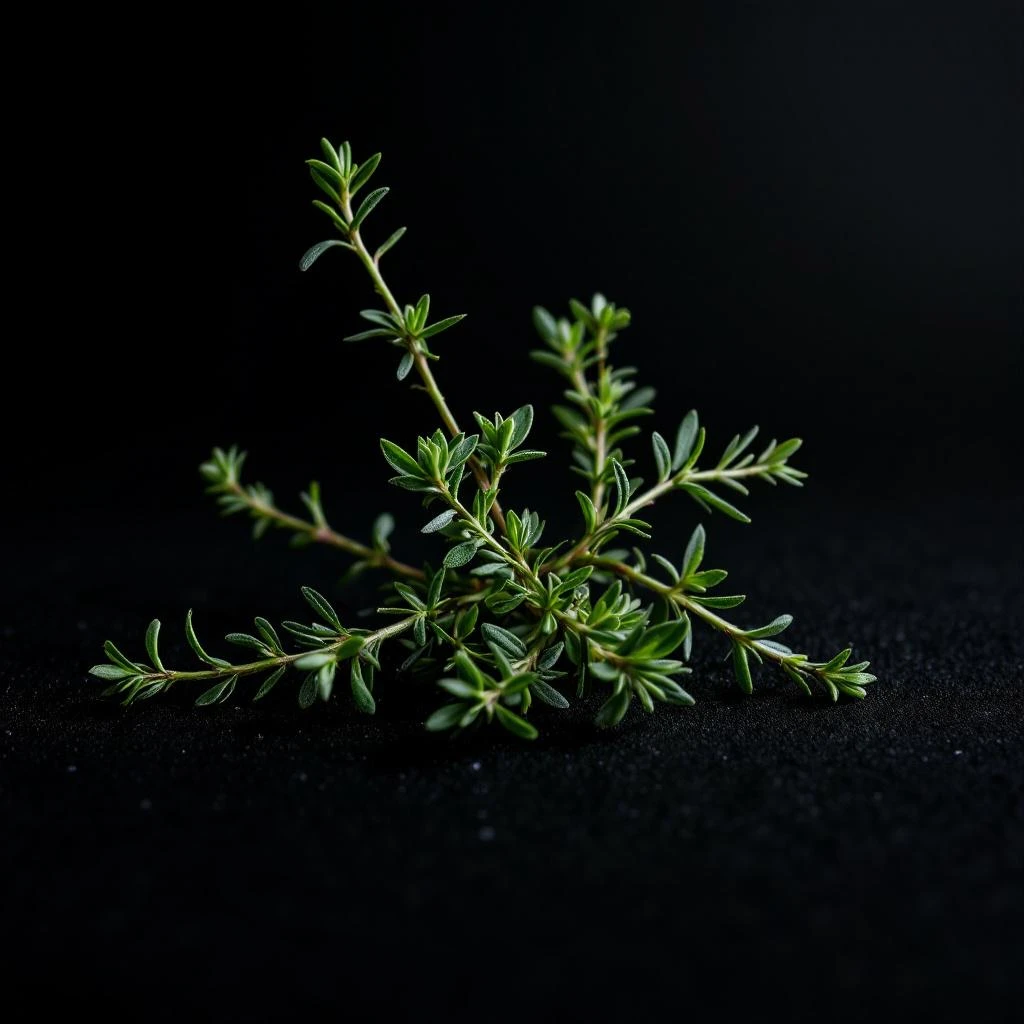
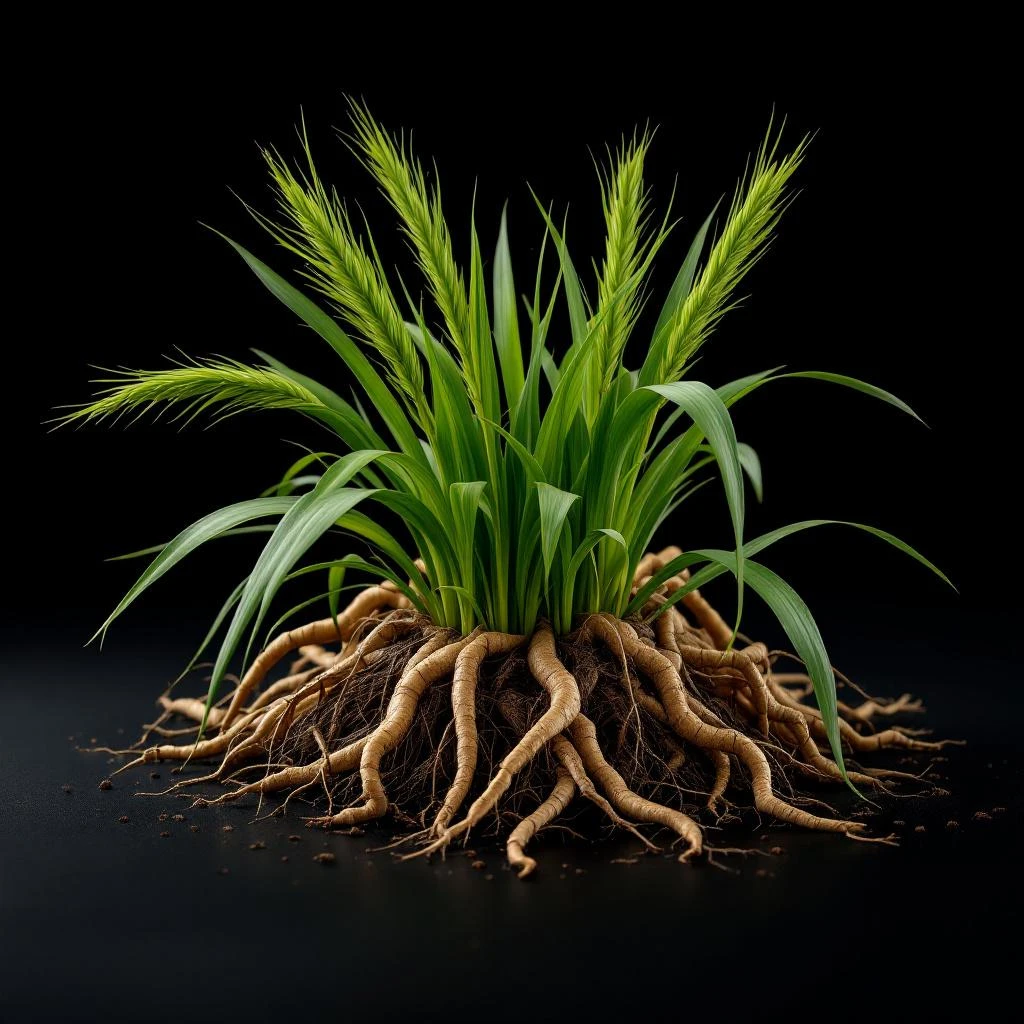
Latvian Artemisia brings a cool, herbaceous sharpness, shaped by Baltic growing conditions into a green, camphoraceous aroma with a restrained bitter edge.
Character
How it smells
Baltic herbs, distilled into a crisp aromatic edge.
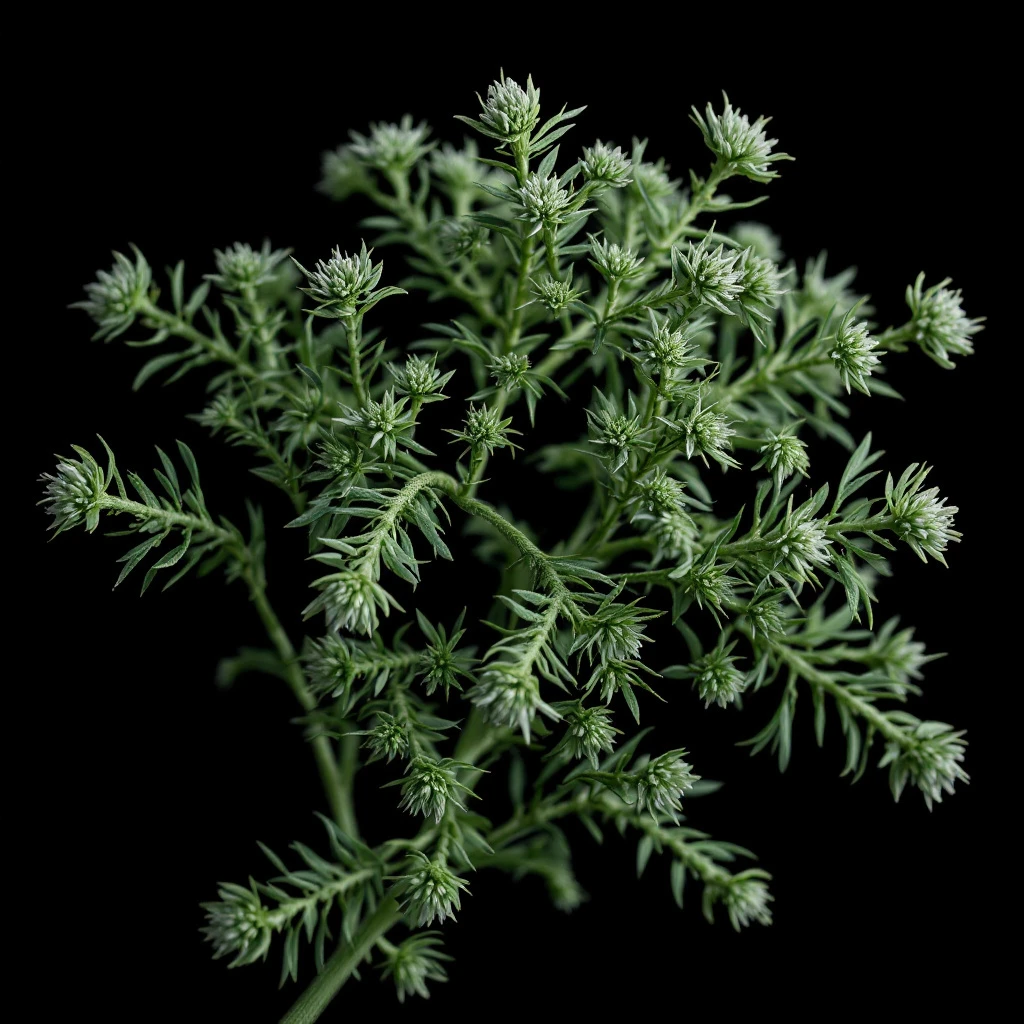
Artemisia belongs to the daisy family, yet its perfume reads far less floral than the name suggests, with green, bitter and camphoraceous notes dominating.



Origin
Latvia
Artemisia has a long history as an aromatic and medicinal plant across Europe, North Africa and Asia. Its species include wormwood, sagebrush and mugwort, all valued for strongly scented leaves and flowering tops. The association with absinthe gives the name some of its cultural fame, although absinthe depends on a specific wormwood and a careful production process.
In northern Europe, Latvia and the wider Baltic region offer cool-climate expression of the plant family, connecting local aromatic agriculture with established European essential-oil traditions. Historical perfume practice repeatedly paired green herbs with woods, resins and citrus to create compositions that felt both refreshing and substantial. Modern perfumery draws on that heritage through artemisia oils and related compounds, using their green bitterness to sharpen citrus, support woody structures and introduce a dry, aromatic edge.
Latvia's contribution is therefore tied less to one ancient legend than to how regional cultivation changes the plant's natural scent.
Wears it best
Fragrances featuring Latvian Artemisia
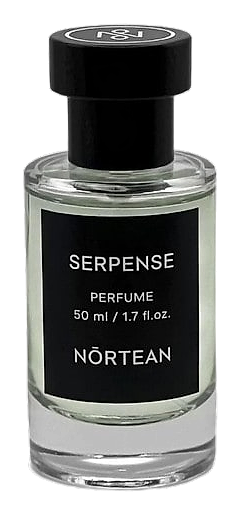
Brands
Brands known for Latvian Artemisia
Good to know
Questions, answered
The essentials on Latvian Artemisia in perfumery: how it smells, where it comes from, and how it behaves on skin.
What does Latvian Artemisia smell like?
Latvian Artemisia smells cool, green and herbaceous, with camphoraceous dryness and a restrained bitter edge. Its cool-climate character tends to feel fresher and less sun-warmed than many Mediterranean artemisia oils.
Which Artemisia plant is used in Latvian perfumery?
Perfumery may use several Artemisia species, but wormwood, Artemisia absinthium, is the most widely recognized reference. The exact species matters because each plant has a distinct aromatic and chemical profile.
How is Latvian Artemisia oil produced?
Producers steam-distill dried flowering tops and leaves to recover the volatile oil. Harvest timing and plant variety can alter the result, with flowering material commonly valued for its concentrated aroma.
Does Latvian Artemisia smell different from Mediterranean Artemisia?
Yes. Growing conditions influence the oil's composition and aroma, and Mediterranean sources often contain higher levels of chamazulene and thujone. Latvian oil is generally presented with a cooler, greener profile.
Is Artemisia the same plant as wormwood and absinthe?
Artemisia is a genus, while wormwood is its best-known perfumery member and the defining botanical in absinthe. Other species, including mugwort and sagebrush, create related but distinct aromas.
What fragrance family does Latvian Artemisia belong to?
It is usually classified as an aromatic herb, with green, bitter and camphoraceous facets. Perfumers often use it to sharpen citrus or add herbal definition to woody compositions.
Why is Latvian Artemisia important to fragrance discovery?
Latvia shows how cooler climate and regional cultivation can produce a fresher interpretation of an ancient aromatic plant. It offers a botanical contrast to the warmer, resinous artemisia oils often encountered elsewhere.
Is Latvian Artemisia oil safe for skin use?
It should be used only as directed in properly formulated fragrance products because composition and concentration determine skin exposure. Thujone content can vary, so buyers should check supplier documentation and avoid treating the oil as a skin-care ingredient.