Lantana Leaves
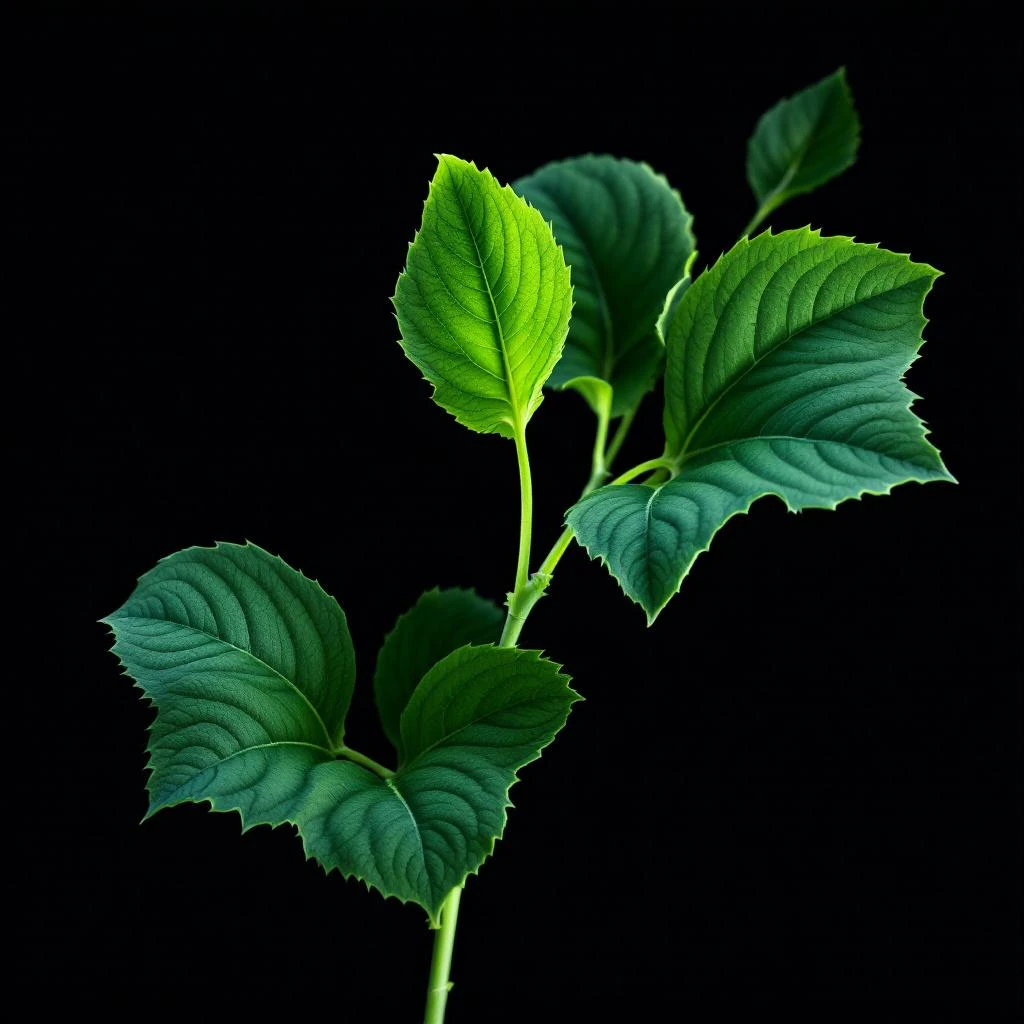
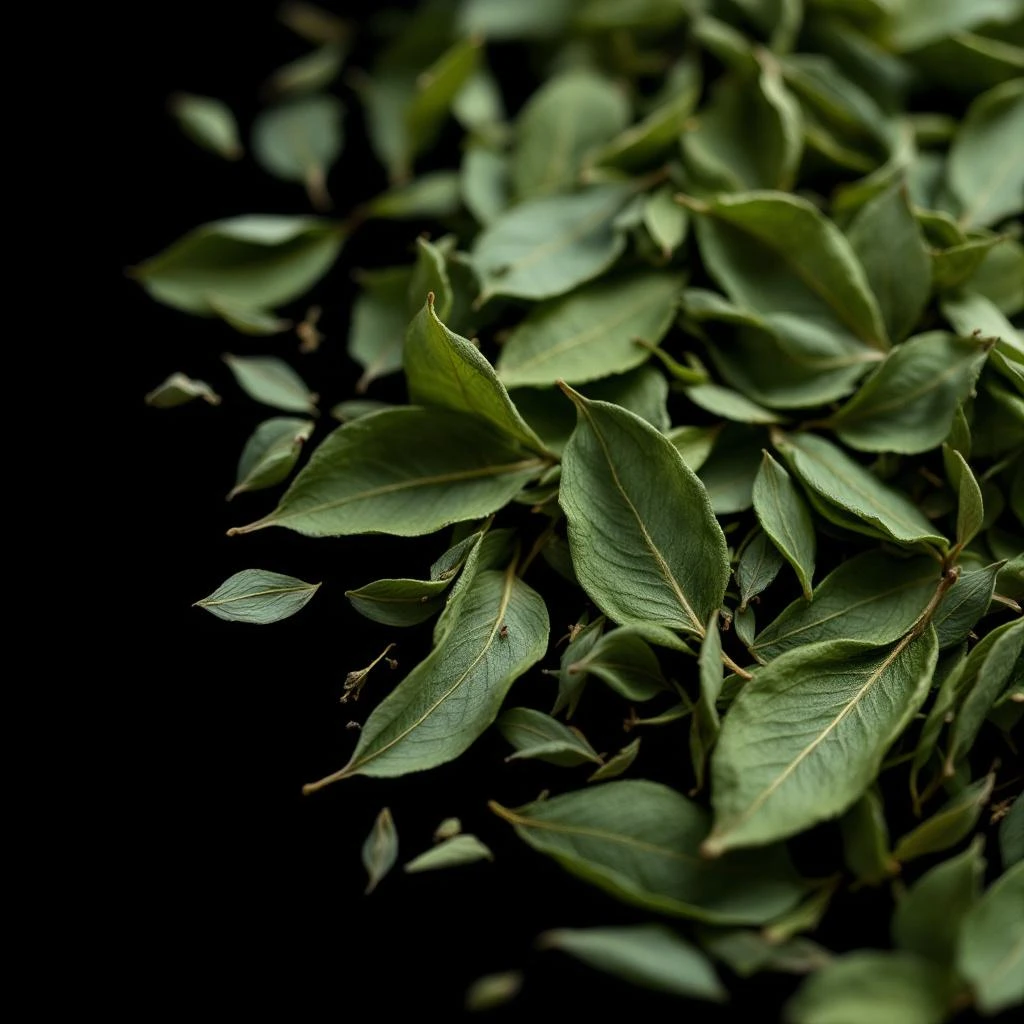
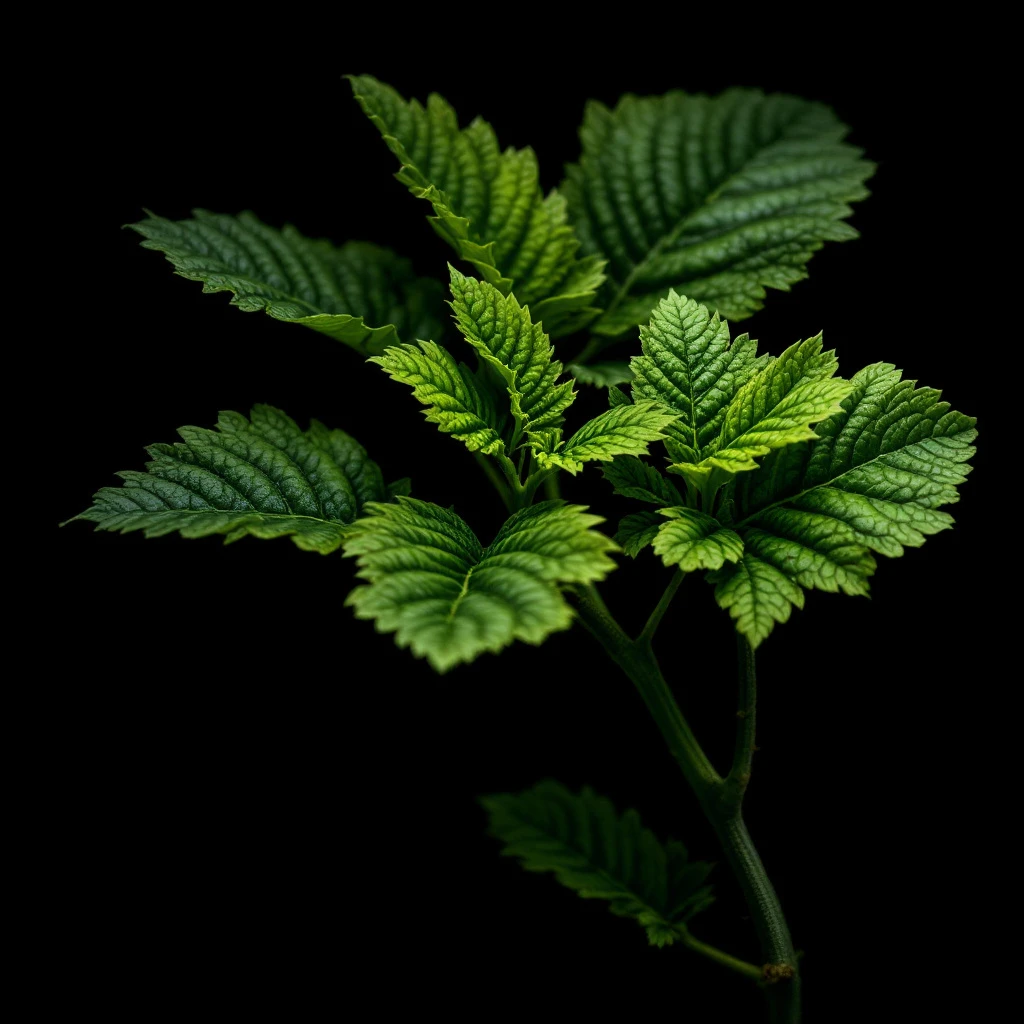
Lantana leaves contribute a bold, green-camphor fragrance to perfumery. Native to tropical Americas, this aggressive grower delivers an aromatic intensity that few botanical ingredients can match.
Character
How it smells
Green, camphorated intensity from an unexpected source.
Though classified as invasive across many regions, lantana's fragrant leaves have been valued in perfumery for centuries, proving that what is unwanted in one context becomes essential in another.




Origin
Brazil
Lantana camara originated in the tropical regions of Central and South America, where indigenous peoples first recognized its potent fragrance and medicinal properties. Portuguese and Spanish explorers spread the plant across tropical regions worldwide during the colonial era, and it quickly naturalized across Africa, Asia, and the Pacific islands.
In many of these regions, the plant earned its invasive reputation as it outcompeted native vegetation. Yet perfumers in tropical markets recognized value in what botanists considered a nuisance, incorporating lantana leaf extracts into fragrance formulations that required bold green notes.
Traditional medicine practitioners across Asia and Africa used lantana leaves for their documented antioxidant and antimicrobial properties long before perfumers adopted the botanical. The ingredient remains relatively rare in Western perfumery, appearing primarily in niche formulations that emphasize natural and unconventional aromatic materials.
Wears it best
Fragrances featuring Lantana Leaves
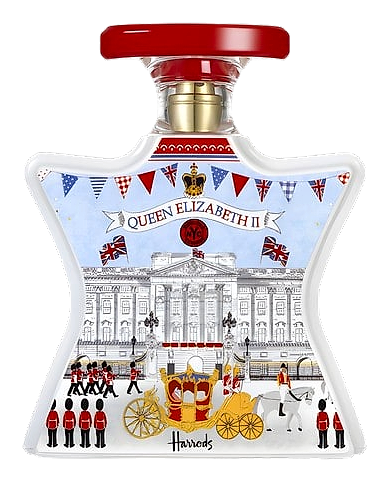
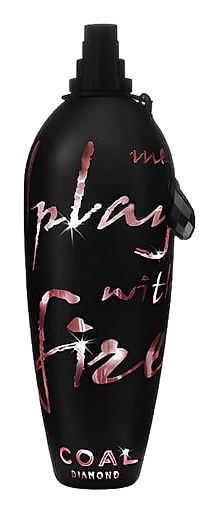
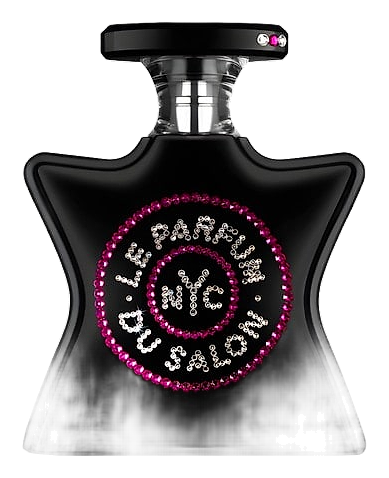

Brands
Brands known for Lantana Leaves
Good to know
Questions, answered
The essentials on Lantana Leaves in perfumery: how it smells, where it comes from, and how it behaves on skin.
What does lantana leaf smell like in perfume?
Lantana leaf delivers a sharp, green aroma with camphorated undertones. The scent is herbaceous and somewhat medicinal, adding an unexpected freshness that works well in combination with citrus or woody base notes.
Is lantana leaf oil commonly used in mainstream perfumery?
No. Lantana leaf remains a niche ingredient found primarily in artisanal and natural-focused fragrance houses. Its invasive status in many regions complicates sustainable sourcing, limiting widespread adoption.
Does lantana leaf have any skin benefits?
Research published in peer-reviewed journals documents antioxidant and antimicrobial properties in lantana leaf extracts. These qualities may offer mild preservative benefits when used in perfume formulations applied to skin.
How does seasonal variation affect lantana leaf oil quality?
Studies show significant chemical composition variation in lantana leaf oil across seasons. Harvest timing directly impacts the concentration of key aromatic compounds, making sourcing consistency challenging.
What extraction method produces the best lantana leaf material for perfumery?
Steam distillation is the standard method, capturing the volatile aromatic molecules efficiently. Solvent extraction produces a more concentrated absolute with richer color and deeper scent retention.
Where does sustainable lantana leaf sourcing occur?
Controlled cultivation programs in Brazil and parts of tropical Africa manage lantana as a cropped resource rather than a weed, providing traceable supply chains for perfumery use.
Can synthetic alternatives replicate lantana leaf's aroma?
Partially. Key compounds like camphor and specific sesquiterpenes can be synthesized, but the complex natural matrix of the whole extract remains difficult to fully replicate.
Which fragrance families pair well with lantana leaf?
Lantana leaf suits green, aromatic, and fougere fragrance families. It combines effectively with lavender, sage, citrus zest, and woody base materials like cedarwood.