Lactonic
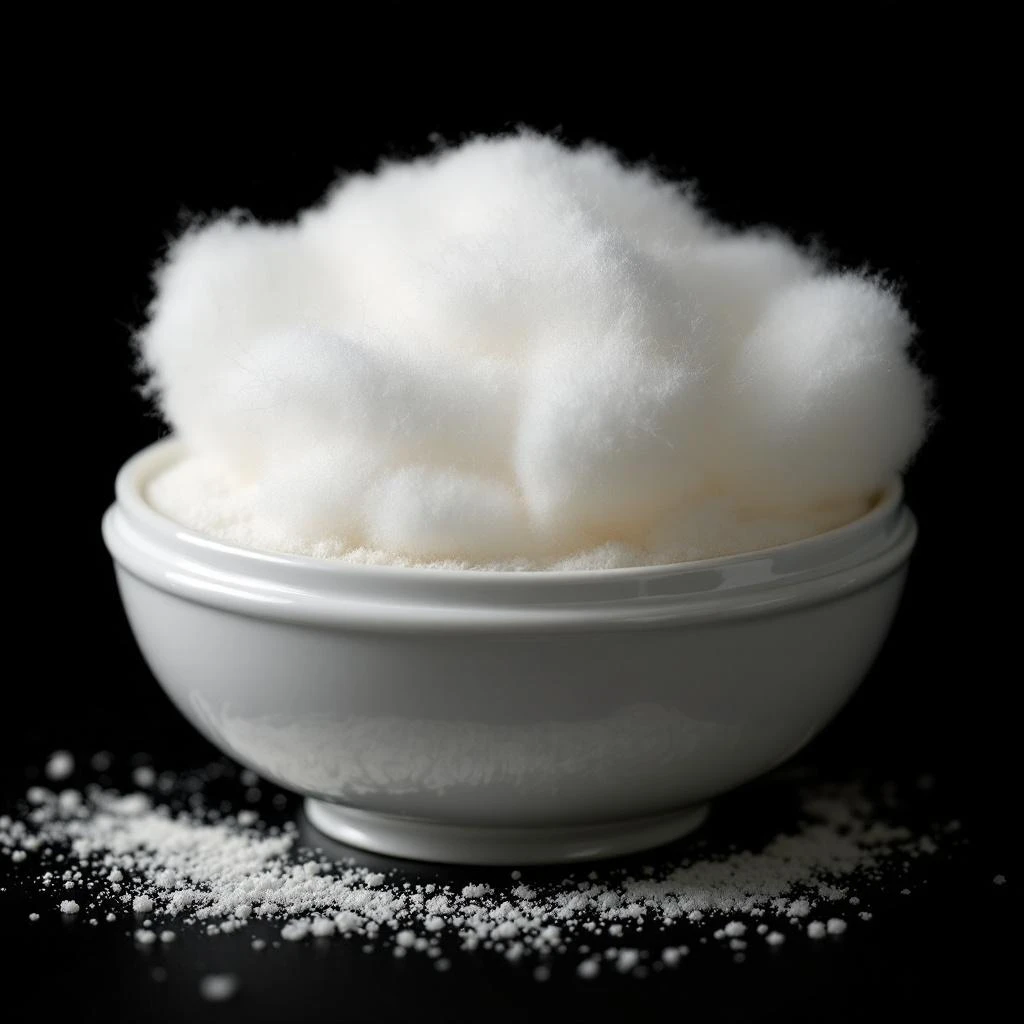
Lactonic notes recreate the soft, creamy warmth of fresh milk and dairy. These comforting aromatic compounds add a rich, edible quality to fragrances, evoking warmth and sensuality. They bridge the gap between food and perfume, creating scents that feel intimate and familiar.

Character
How it smells
The scent of creamy warmth and dairy comfort.
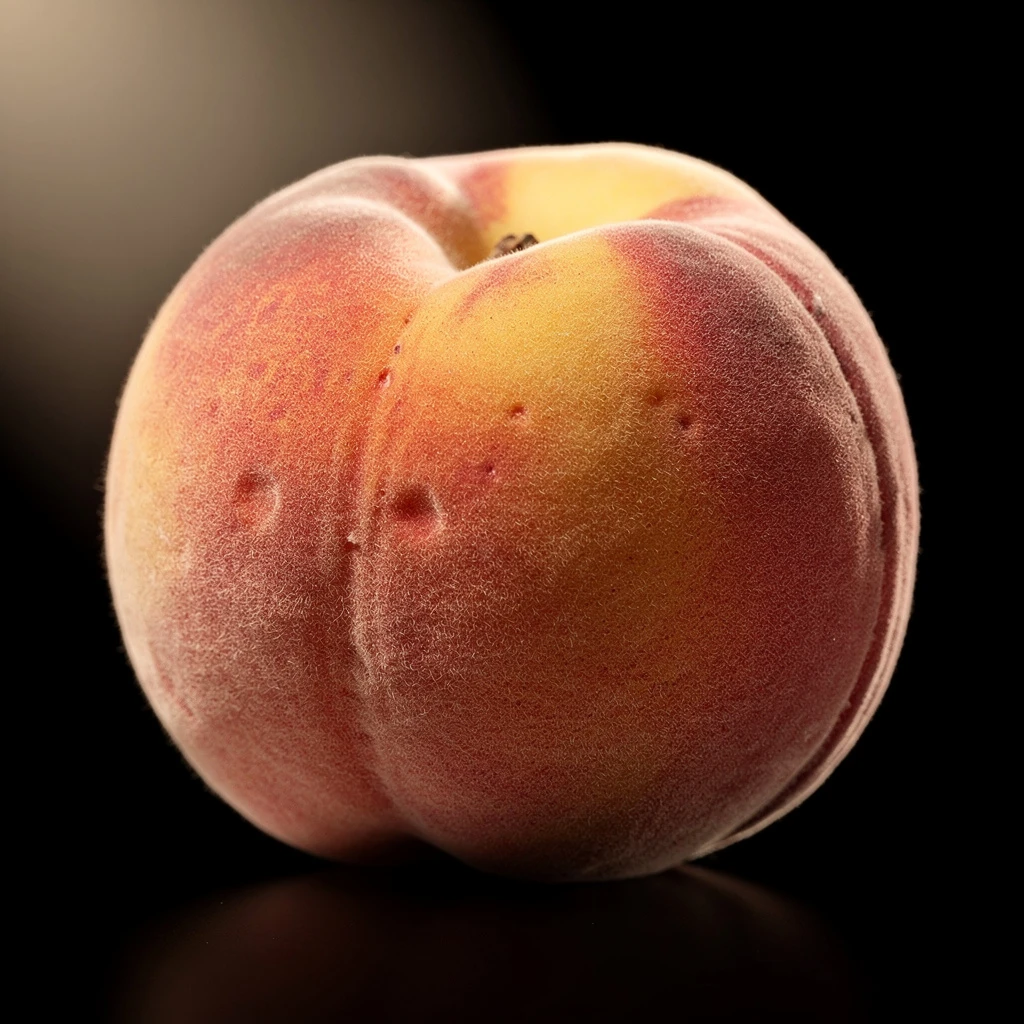
Gamma-decalactone, the most common lactone, occurs naturally in ripe peaches, giving them their characteristic creamy sweetness.







Origin
Global production
Lactones first entered the perfumery vocabulary in the 1950s as advances in organic synthesis allowed chemists to isolate and recreate aromatic compounds found in nature. Though the term comes from the Latin word for milk, early perfumers could not extract true lactonic compounds from dairy. The breakthrough came when fragrance chemists began synthesizing lactones originally developed for the food industry, adapting them for use in fine fragrances.
The 1970s and 1980s saw lactonic notes gain prominence as oriental and gourmand fragrance families expanded. Perfumers discovered that lactones could evoke the sensation of warm milk or fresh cream without the practical challenges of using actual dairy products. Today, lactonic compounds are fundamental to modern perfumery, appearing in oriental fragrances, soft florals, and contemporary fine fragrances.
Natural lactones do exist in fruits like peaches, apricots, and coconut, but synthetic production ensures consistent quality and supply for the global fragrance industry.
Wears it best
Fragrances featuring Lactonic
Brands
Brands known for Lactonic
Good to know
Questions, answered
The essentials on Lactonic in perfumery: how it smells, where it comes from, and how it behaves on skin.
What does lactonic smell like?
Lactonic notes smell like warm milk, cream, or dairy. They have a soft, comforting, edible quality reminiscent of fresh dairy products or tropical fruits like coconut and peach. The character is warm, round, and slightly sweet.
Are lactonic notes natural or synthetic?
Primarily synthetic in perfumery. While lactones occur naturally in fruits like peaches and apricots, commercial lactonic notes are usually synthesized for consistency and cost-effectiveness. Natural identical versions also exist.
What fragrances feature lactonic notes?
Lactonic notes appear in oriental, gourmand, and soft floral fragrances. They are common in warm, creamy perfumes that aim for an edible, comforting character. Think milky florals and skin-like scents.
Is lactonic safe for skin?
Yes, lactonic compounds are considered safe when used at proper dilutions in cosmetic products. IFRA regulations govern concentration limits to ensure consumer safety in all fragrance applications.
What other notes pair well with lactonic?
Vanilla, tonka, sandalwood, and fruit notes pair excellently with lactonic compounds. These combinations enhance the creamy, warm character and create sophisticated scent profiles.
How long do lactonic notes last on skin?
Lactonic notes have moderate to strong longevity, typically lasting several hours on skin. Individual performance varies by specific lactone compound and its concentration in the formula.
Can lactonic notes cause allergies?
Some individuals may experience sensitivity to certain lactone compounds. IFRA guidelines require allergen labeling for specific lactones above designated thresholds in finished products.
What is the difference between lactonic and creamy notes?
Lactonic is a specific type of creamy note created by lactone compounds. Not all creamy fragrances contain lactones, as creamy effects can also come from sandalwood, musks, or other aromatic materials.