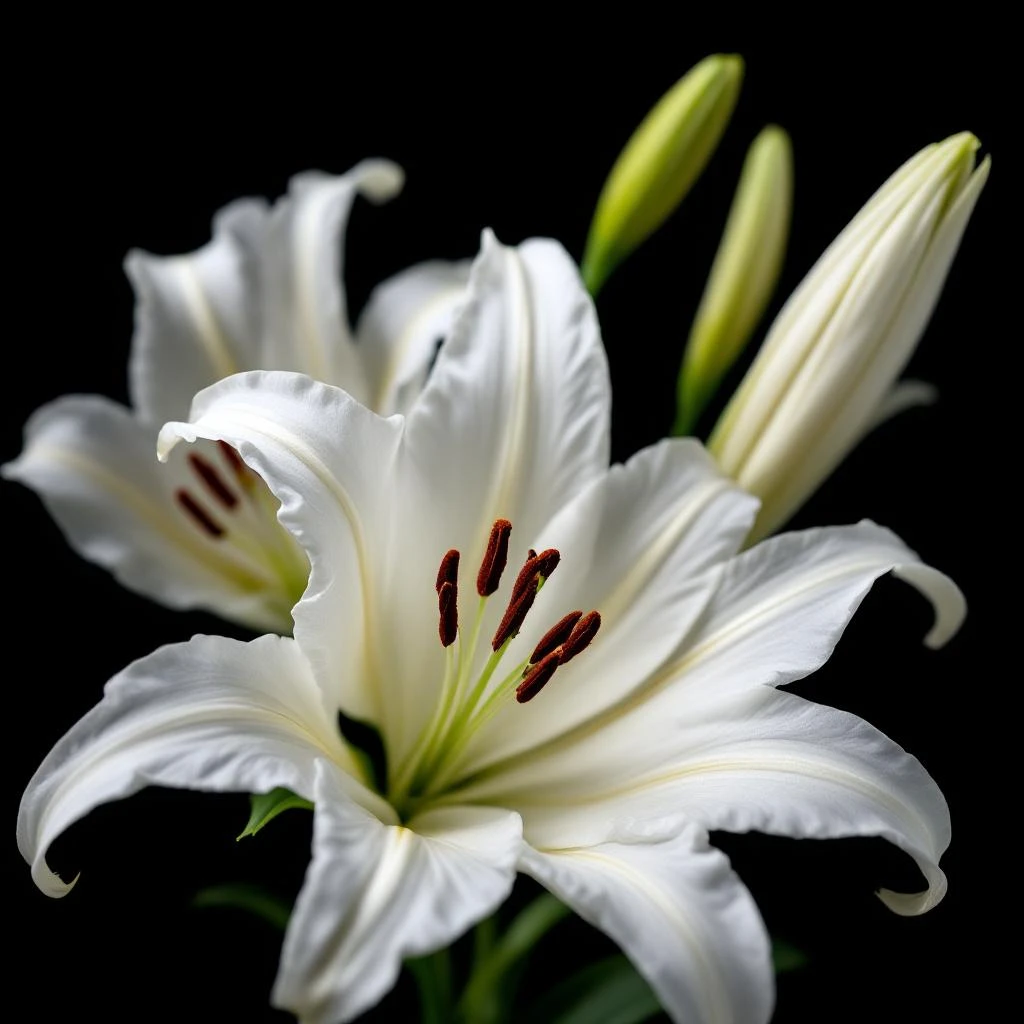
Kusum Tree
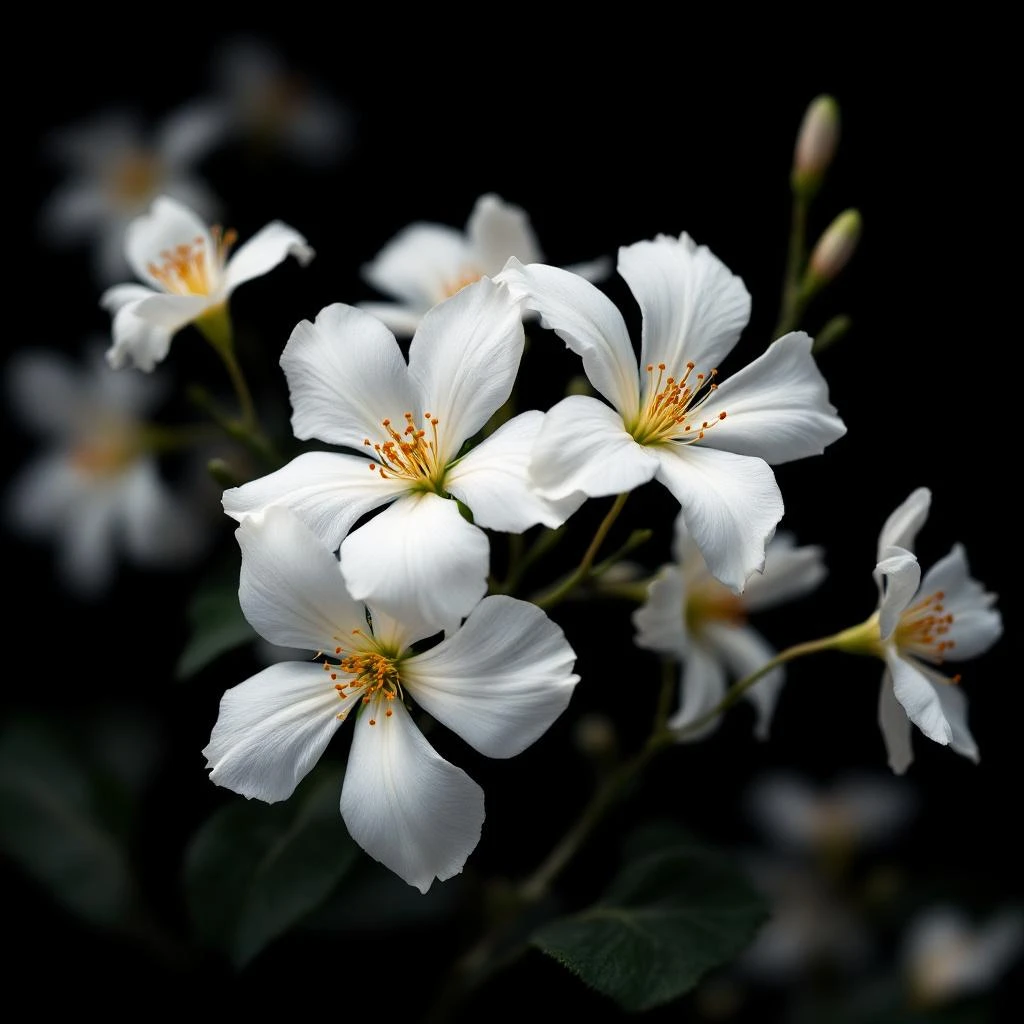
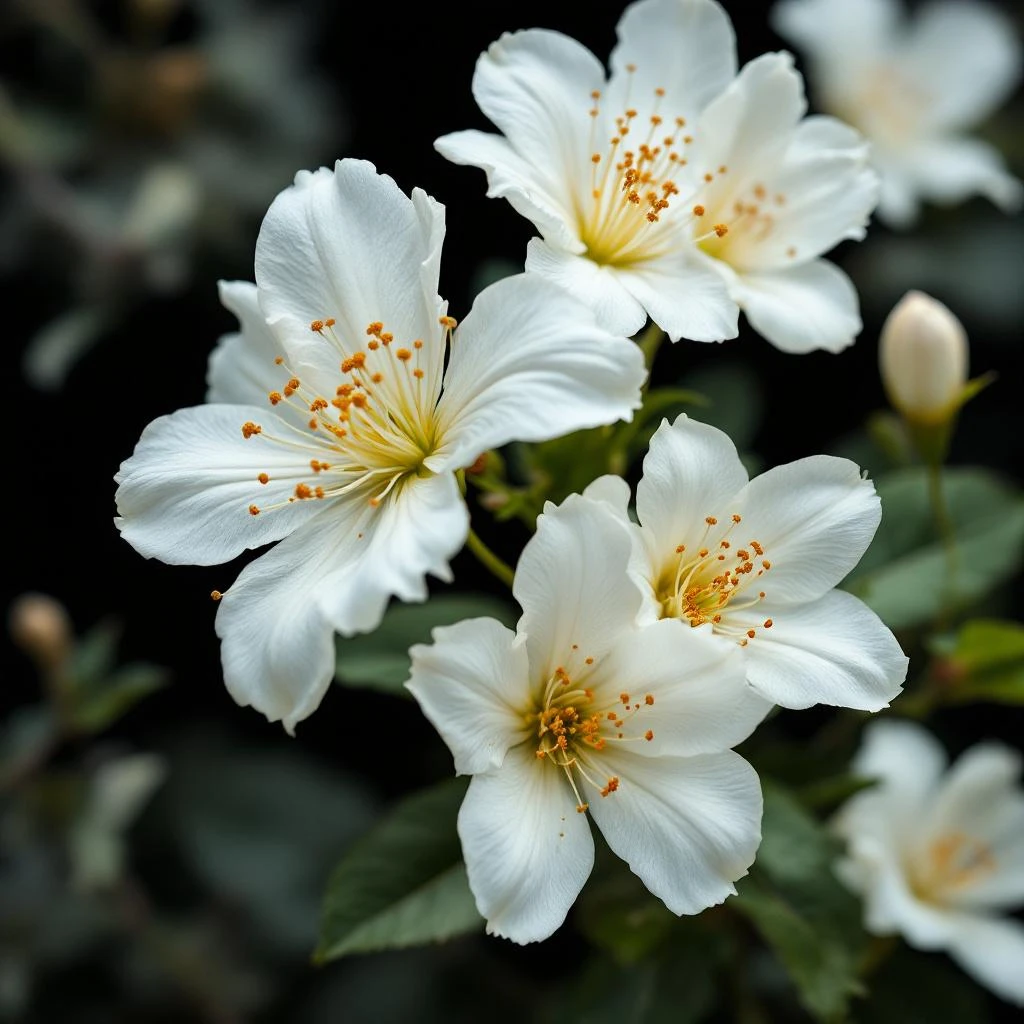
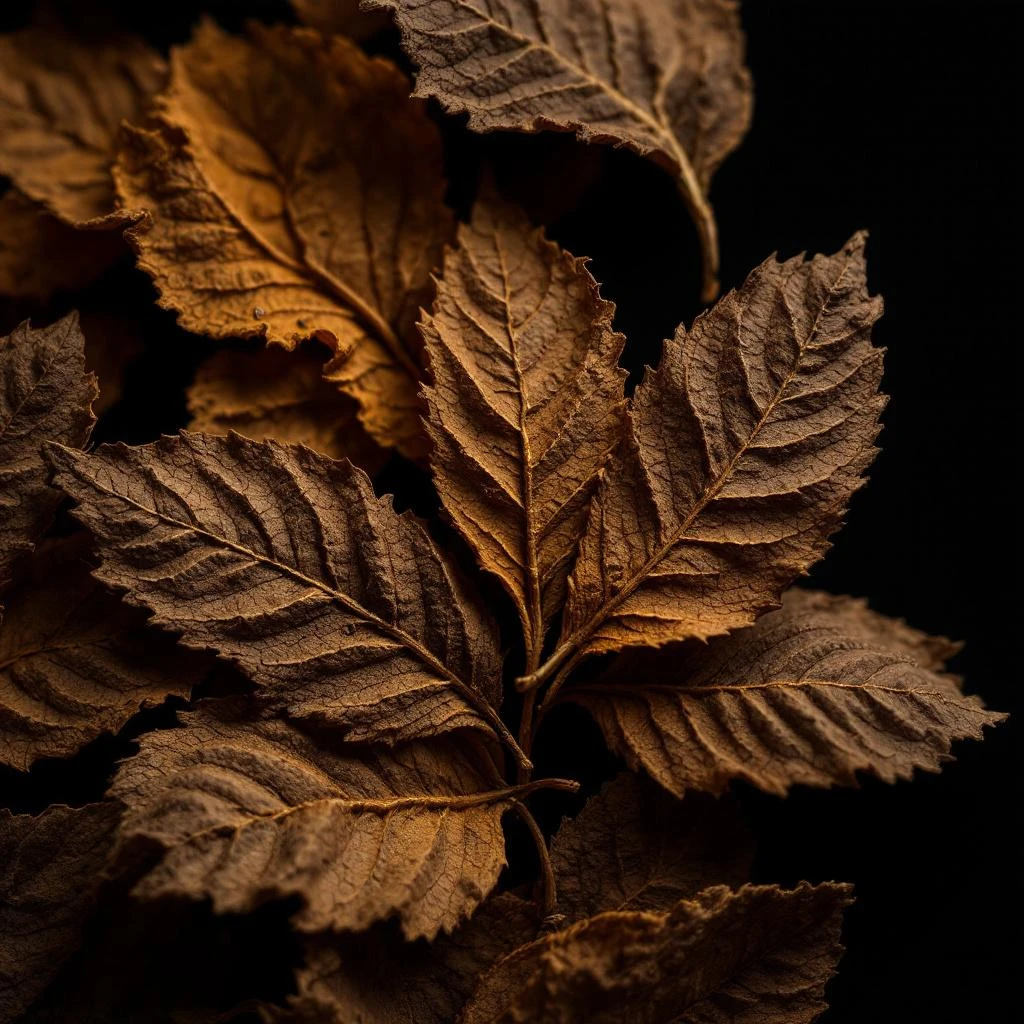
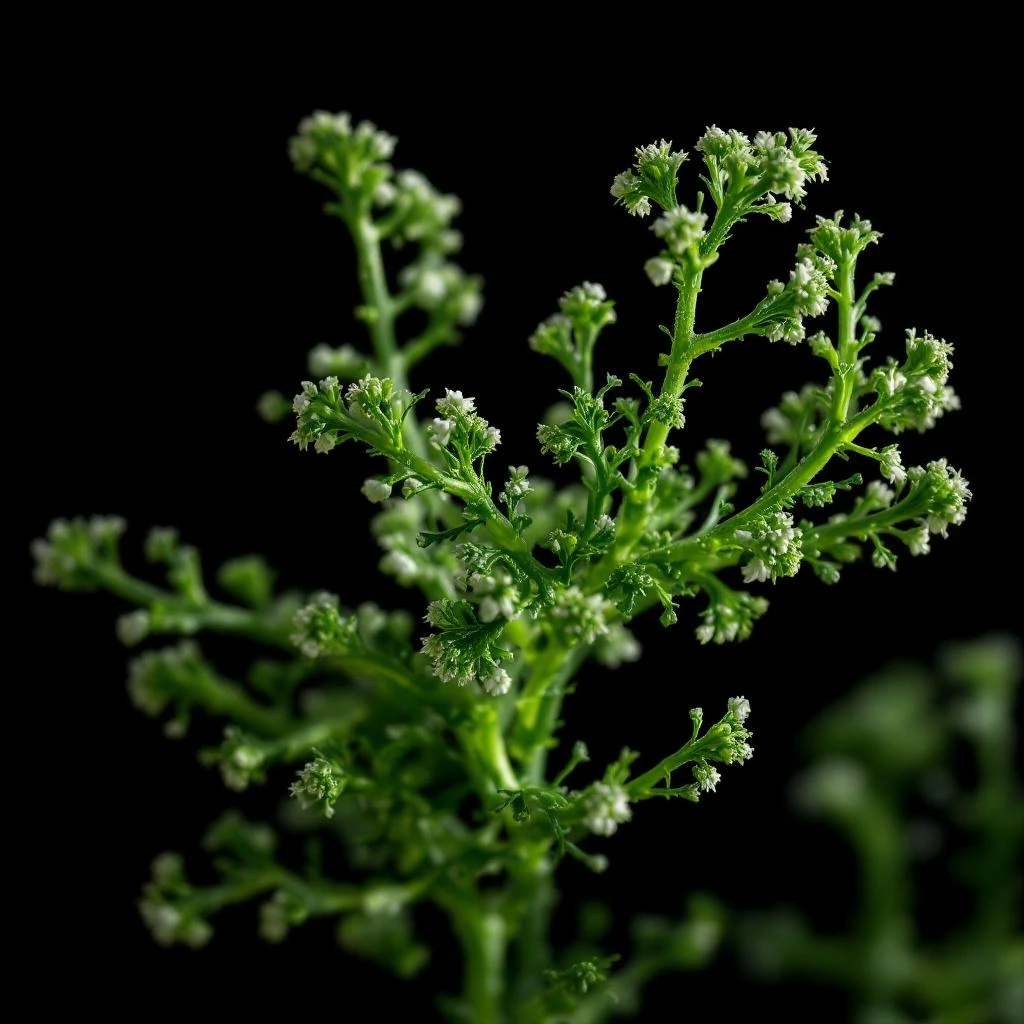
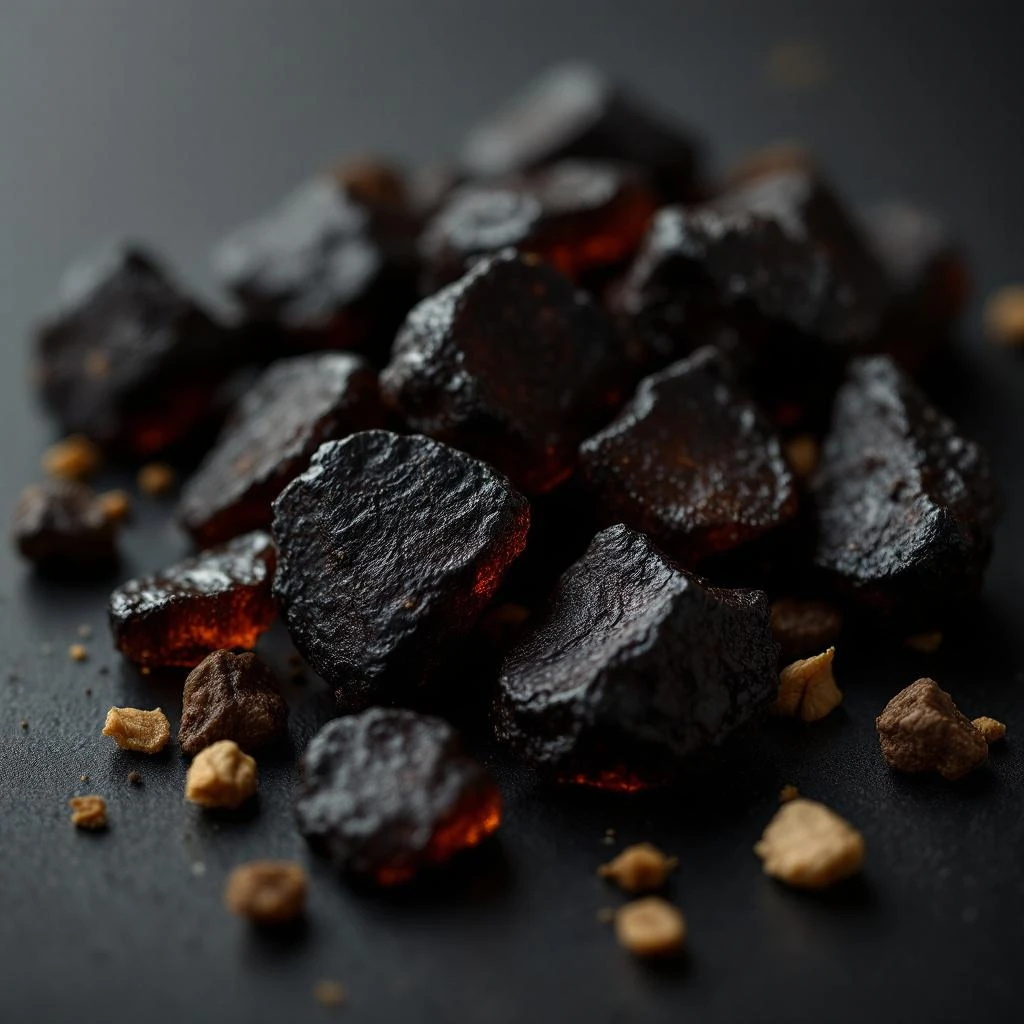
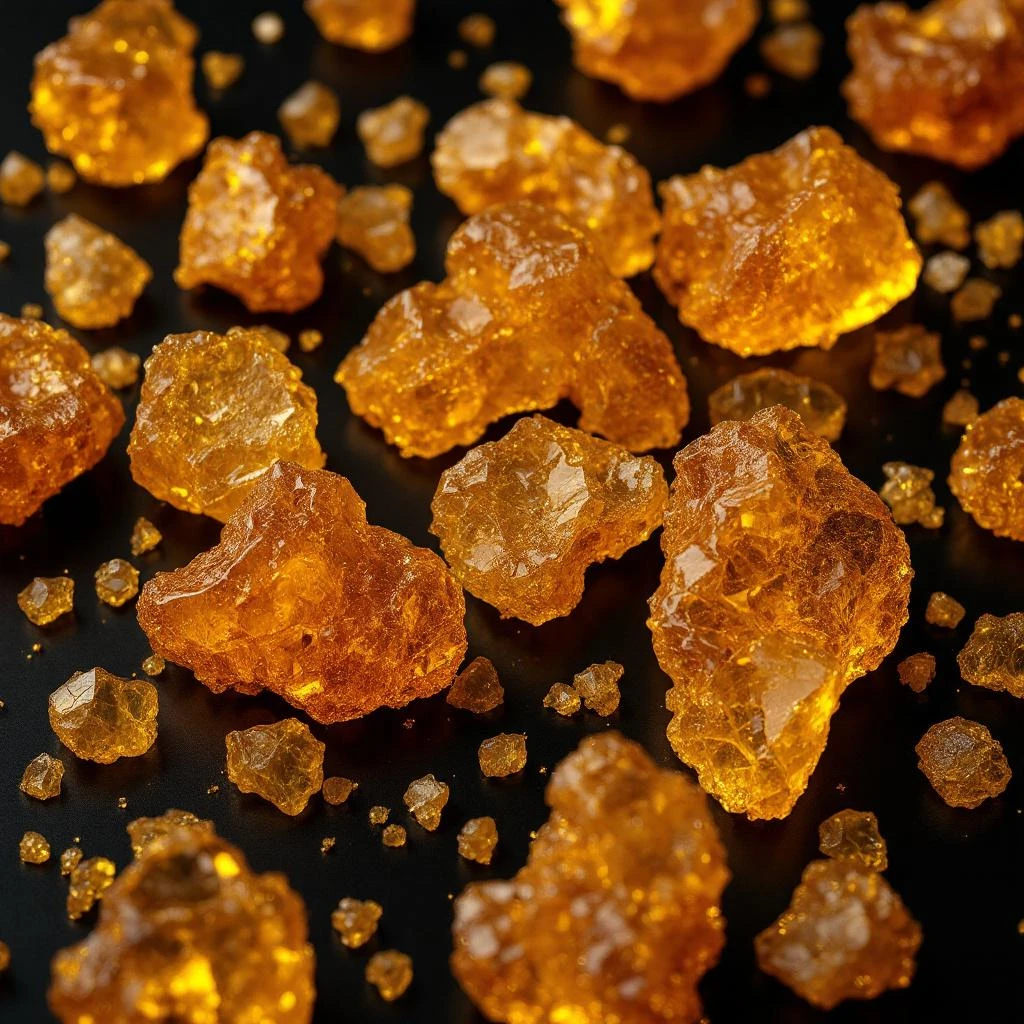
Kusum tree brings a honeyed floral note with warm, resinous depth, shaped by its flowers, leaves, and oil-rich seeds.
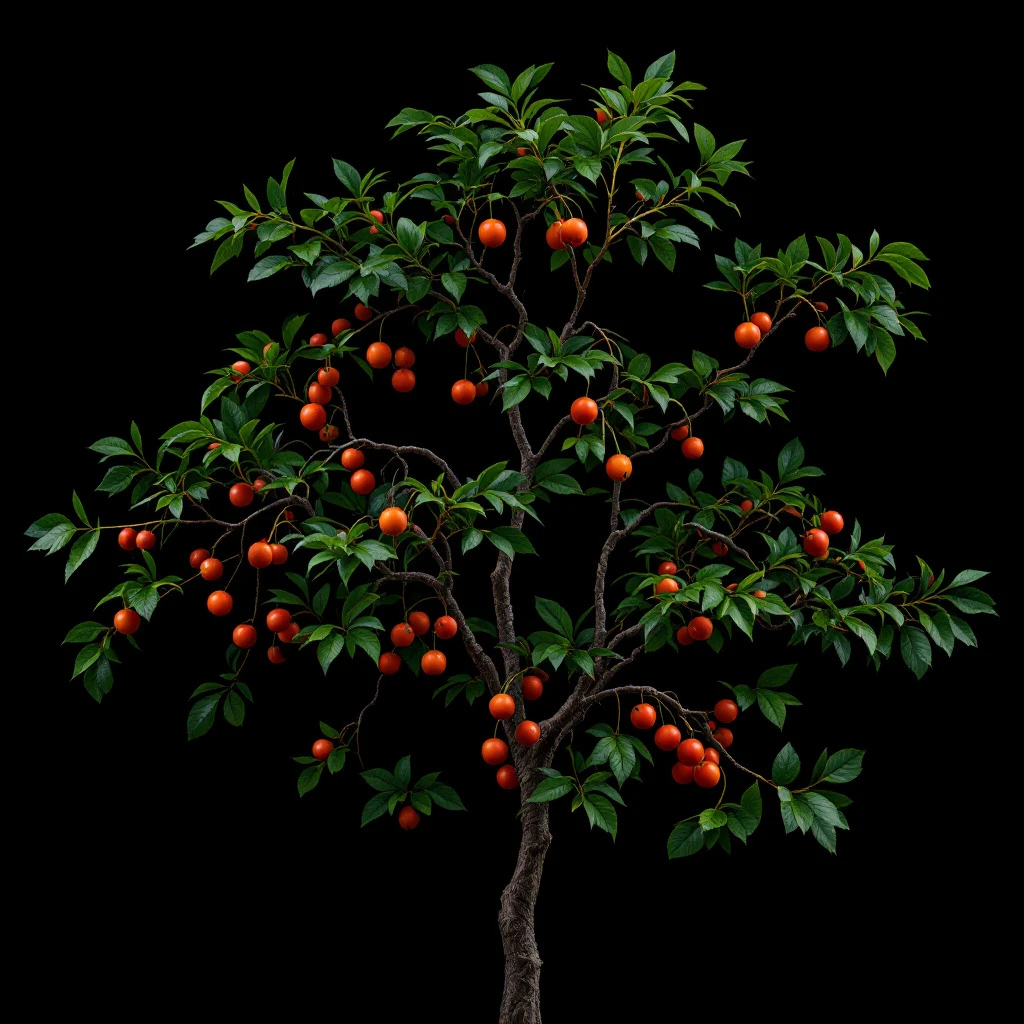
Character
How it smells
A golden floral note rooted in warmth and resin.
Kusum oil comes from the tree's seeds and is valued for a soft, golden aroma that differs from the flowers.
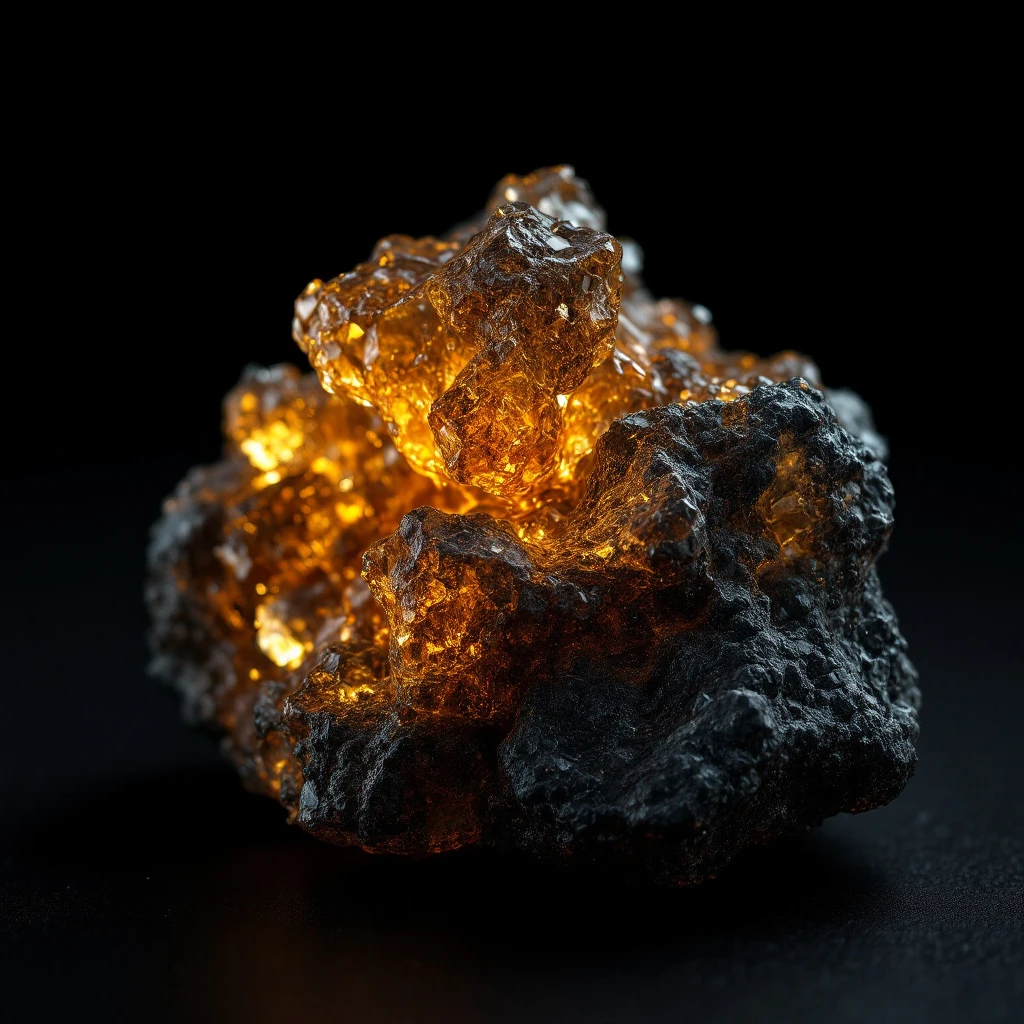



Origin
India
The kusum tree holds a prominent place in South Asian perfumery, traditional medicine, and ritual culture. Its fragrant flowers have long been prepared as garlands and incorporated into scented preparations, while seed oil has served as a base for balms and aromatic applications.
Historical records of natural perfumery show that oils and resins from trees became central to incense and fragrance making across the region well before modern extraction techniques. The kusum tree is especially associated with India, where its flowers and seeds appear in classical and regional aromatic traditions.
Later commercial production shifted the emphasis toward seed-derived oil, valued for its golden color and gentle scent. Its historical role is therefore broader than perfume alone: the tree connects floral fragrance, seed oil, medicinal use, and ceremonial adornment within South Asian culture.
Wears it best
Fragrances featuring Kusum Tree
Brands
Brands known for Kusum Tree
Good to know
Questions, answered
The essentials on Kusum Tree in perfumery: how it smells, where it comes from, and how it behaves on skin.
What does kusum tree smell like?
Kusum oil smells warm, honeyed, and softly floral, with light resinous and nutty facets. The scent is usually gentler and less overtly floral than rose or jasmine.
Which part of the kusum tree is used in perfumery?
Perfumers primarily use oil extracted from the dried seeds of the kusum tree, Saraca asoca. The flowers also have a long history in South Asian garlands and aromatic preparations.
How is kusum oil extracted?
Kusum oil is generally obtained by solvent extraction from dried seeds. The process draws oily compounds from the seed, creating a concentrated material with a warm, golden floral profile.
Where does the kusum tree originate?
The kusum tree is native to the Indian subcontinent, where it has a well-established cultural and botanical presence. Its principal commercial origin is India.
Is kusum oil the same as kusum flower oil?
No. Commercial kusum oil is usually extracted from the seeds, while the flowers create a separate fresh floral aroma used in garlands, powders, and traditional preparations.
What fragrance family does kusum oil belong to?
Kusum oil is commonly placed in the floral family with warm, resinous depth. That combination gives it useful structure between delicate florals and woods.
Is kusum oil suitable for use in perfume?
Yes. It adds rounded floral sweetness and body to a composition, often alongside citrus, jasmine, sandalwood, or soft resins. Compatibility depends on the particular extraction.
Why is kusum important in South Asian fragrance history?
Kusum has long served in Indian garlands, scented preparations, oils, and balms. Its use links natural perfumery with ceremonial adornment and traditional medicinal practices.