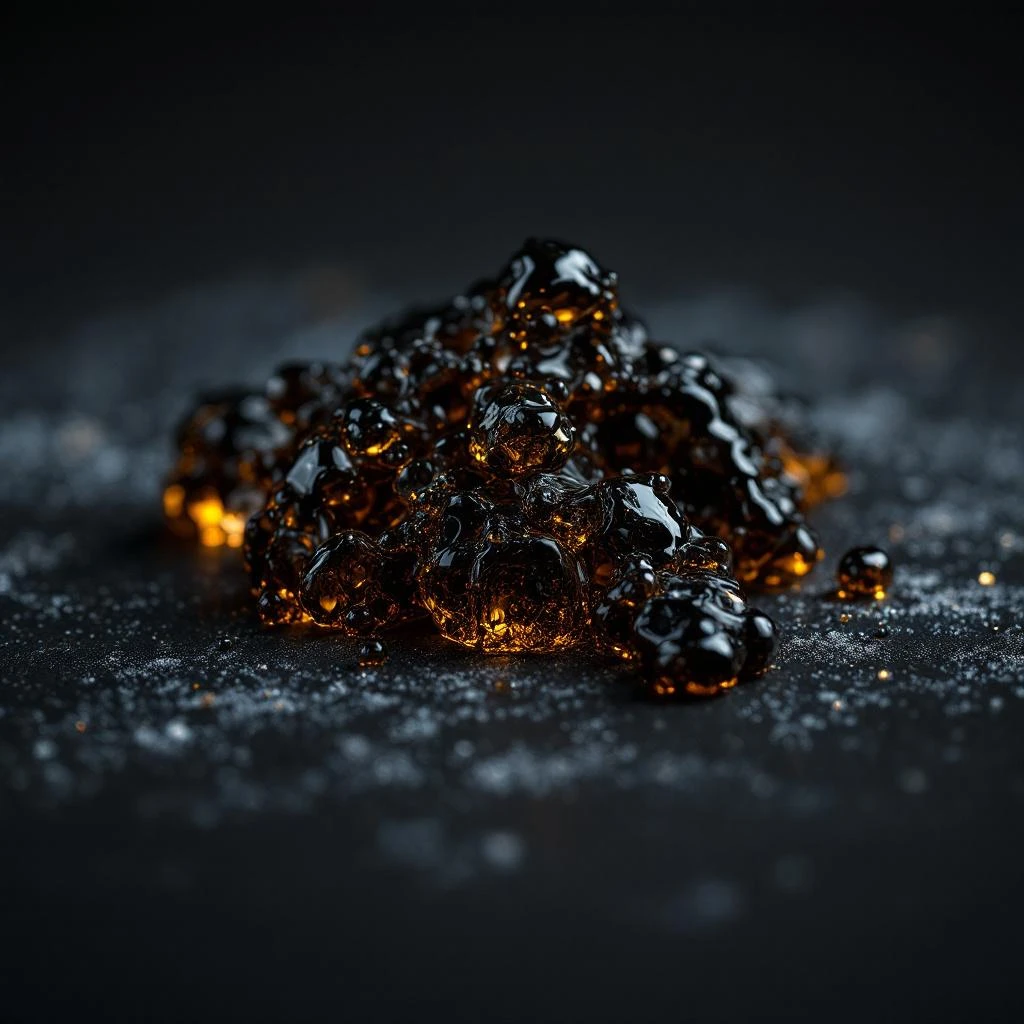
Eldar Pine Resin
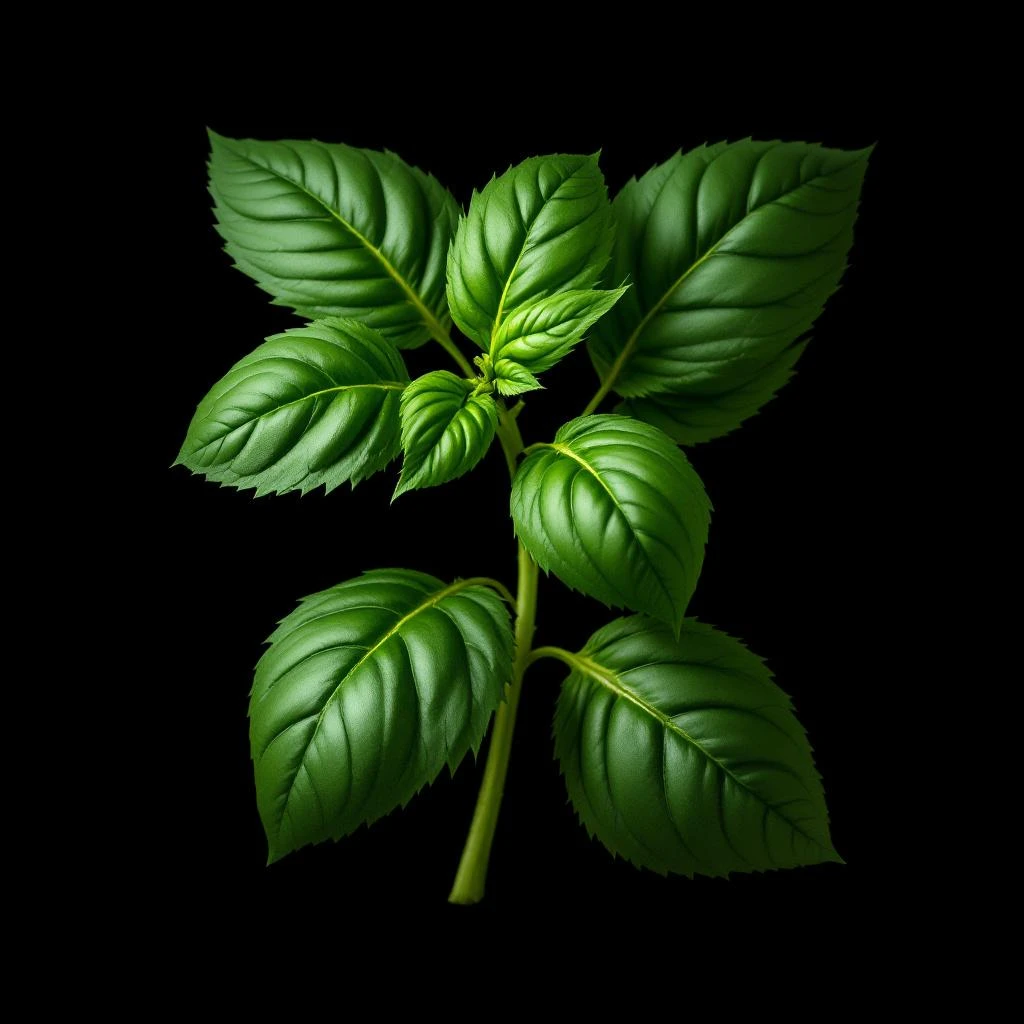
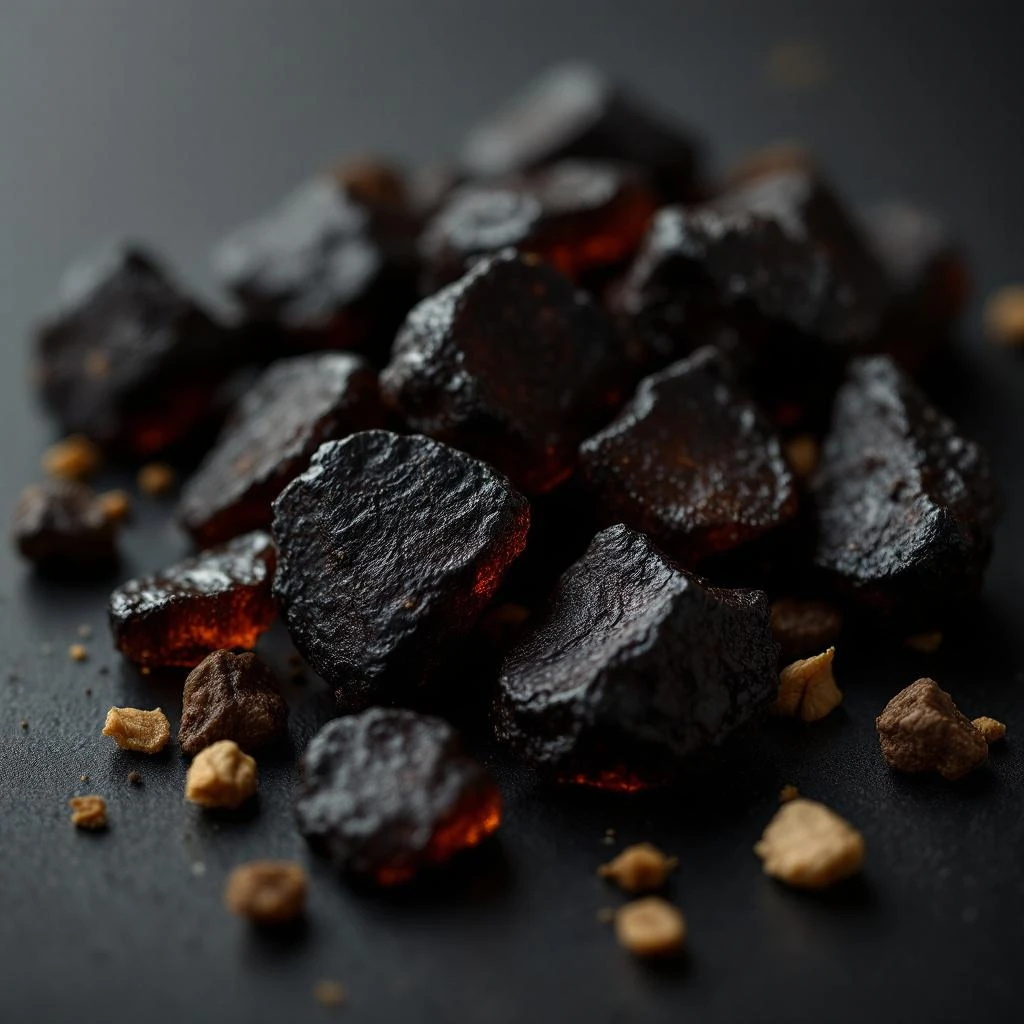
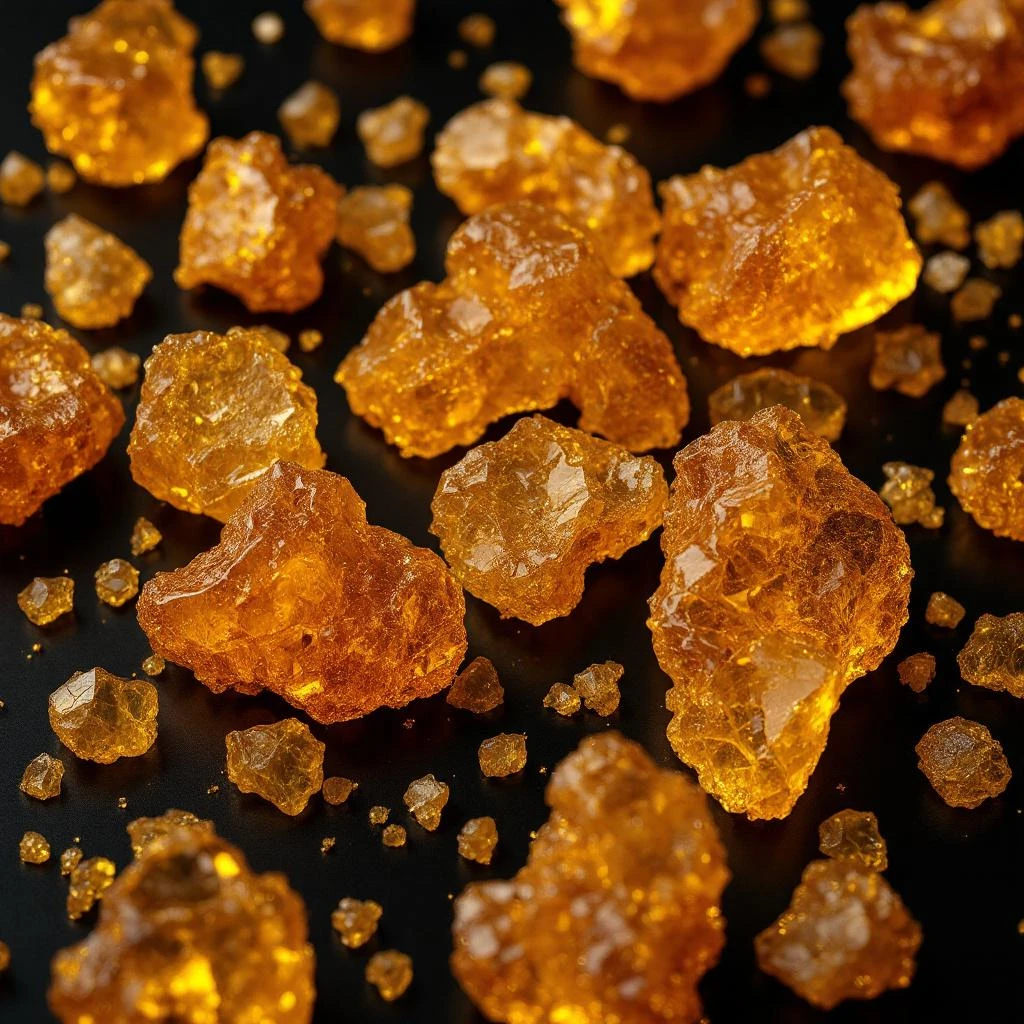
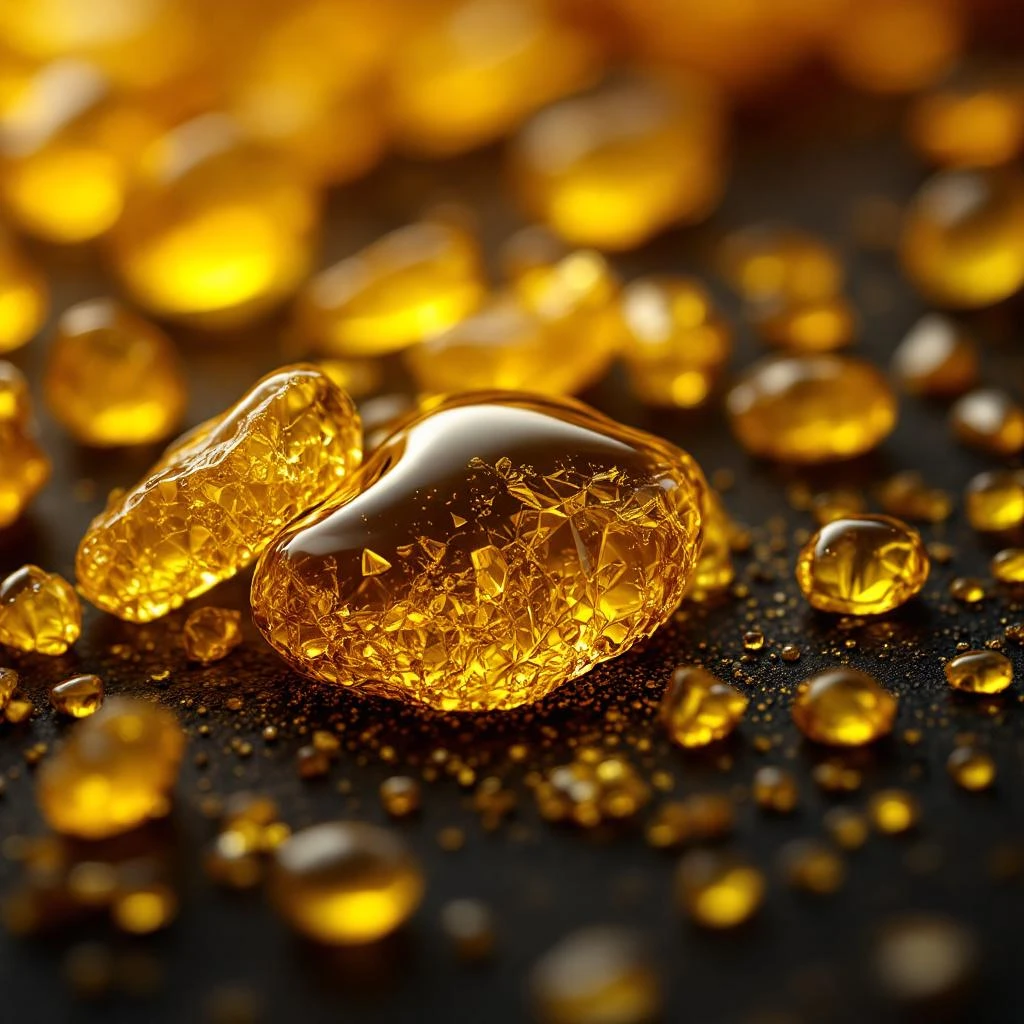
Eldar pine resin brings a concentrated forest character to fragrance, combining dry woods, fresh evergreen air, and a restrained balsamic warmth.
Character
How it smells
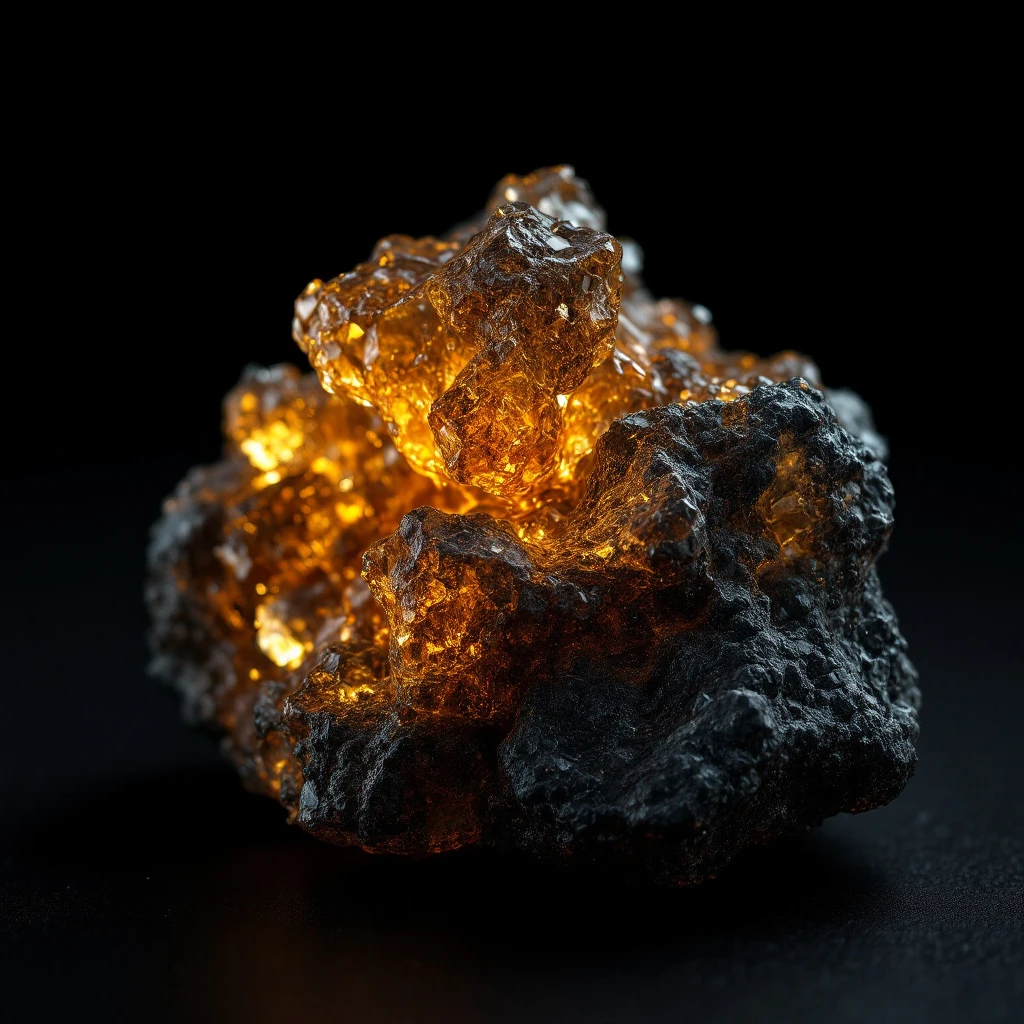
Pine resin with a deep, forest-bright voice.
Ancient perfume analysis identified pine resin alongside lavender, rosemary, and coriander in a formula dating back about 4,000 years.
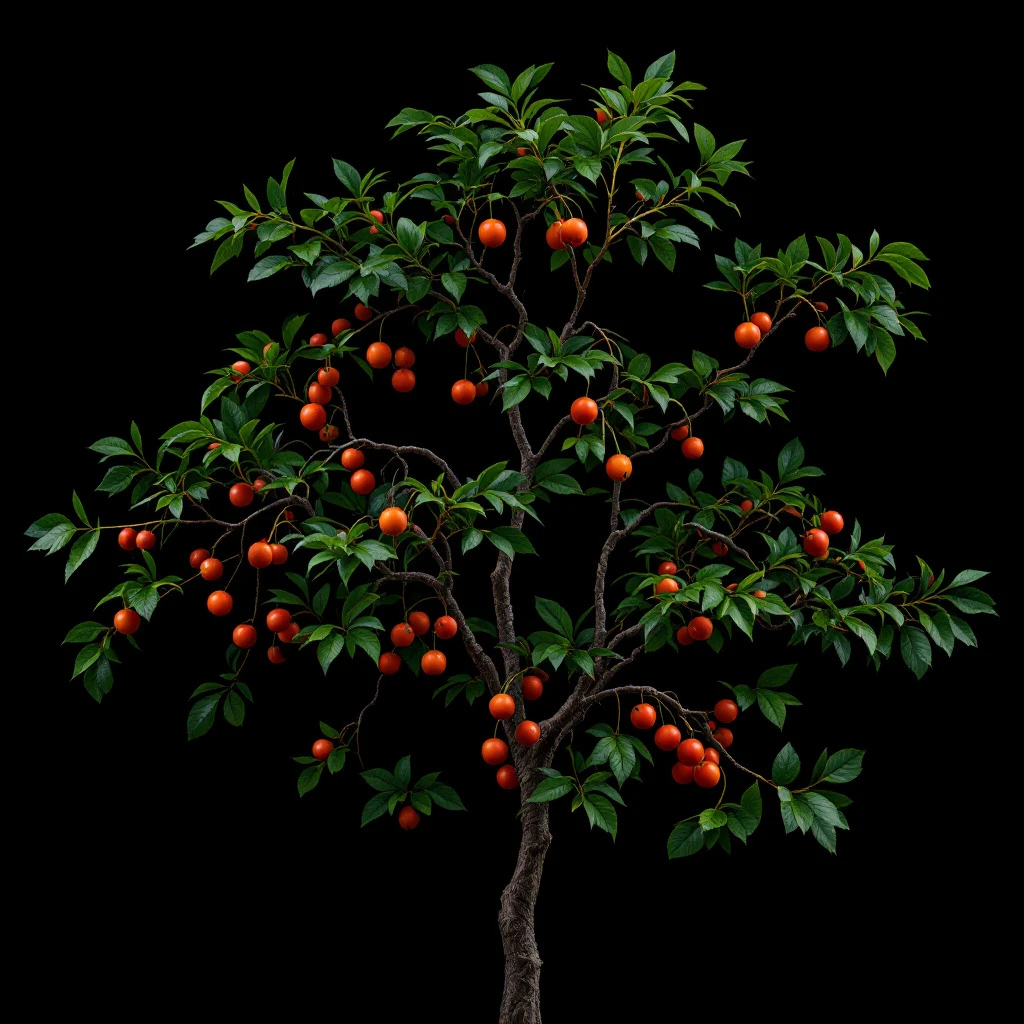
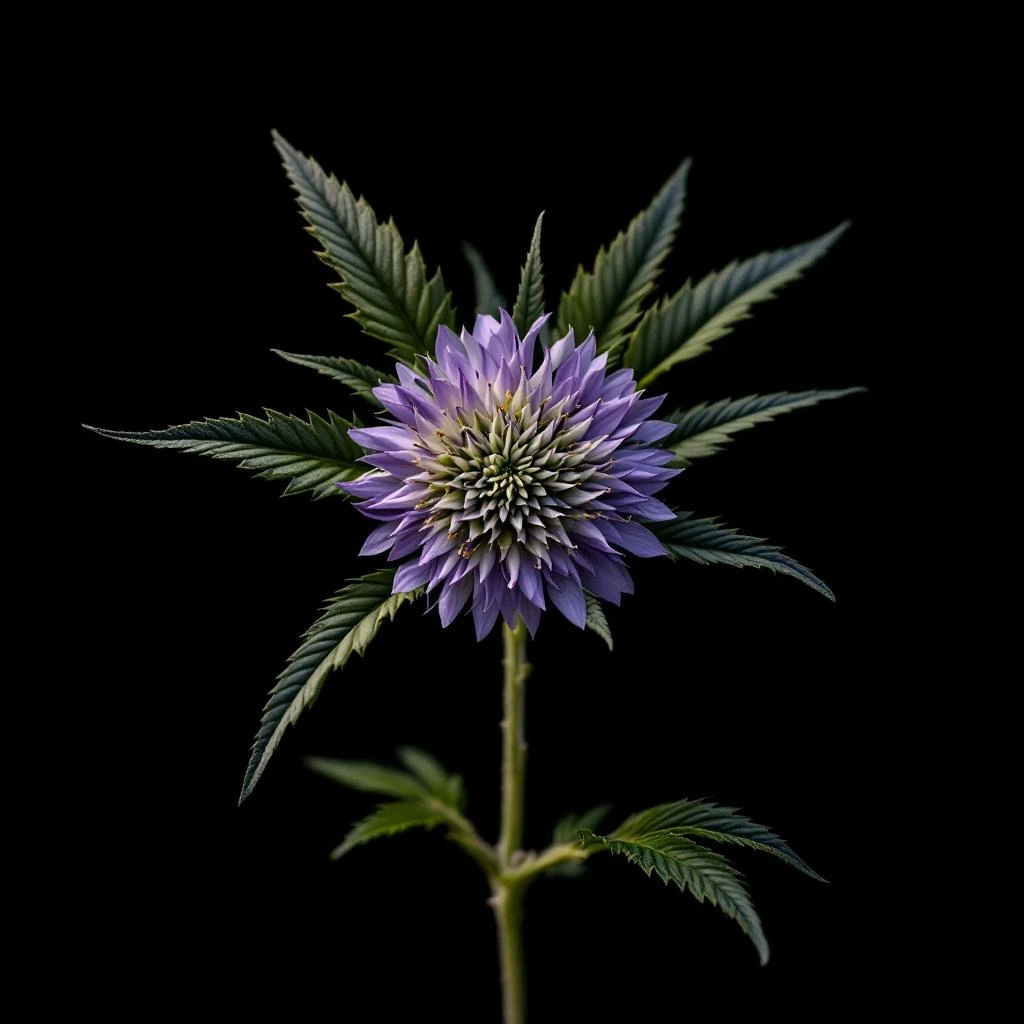
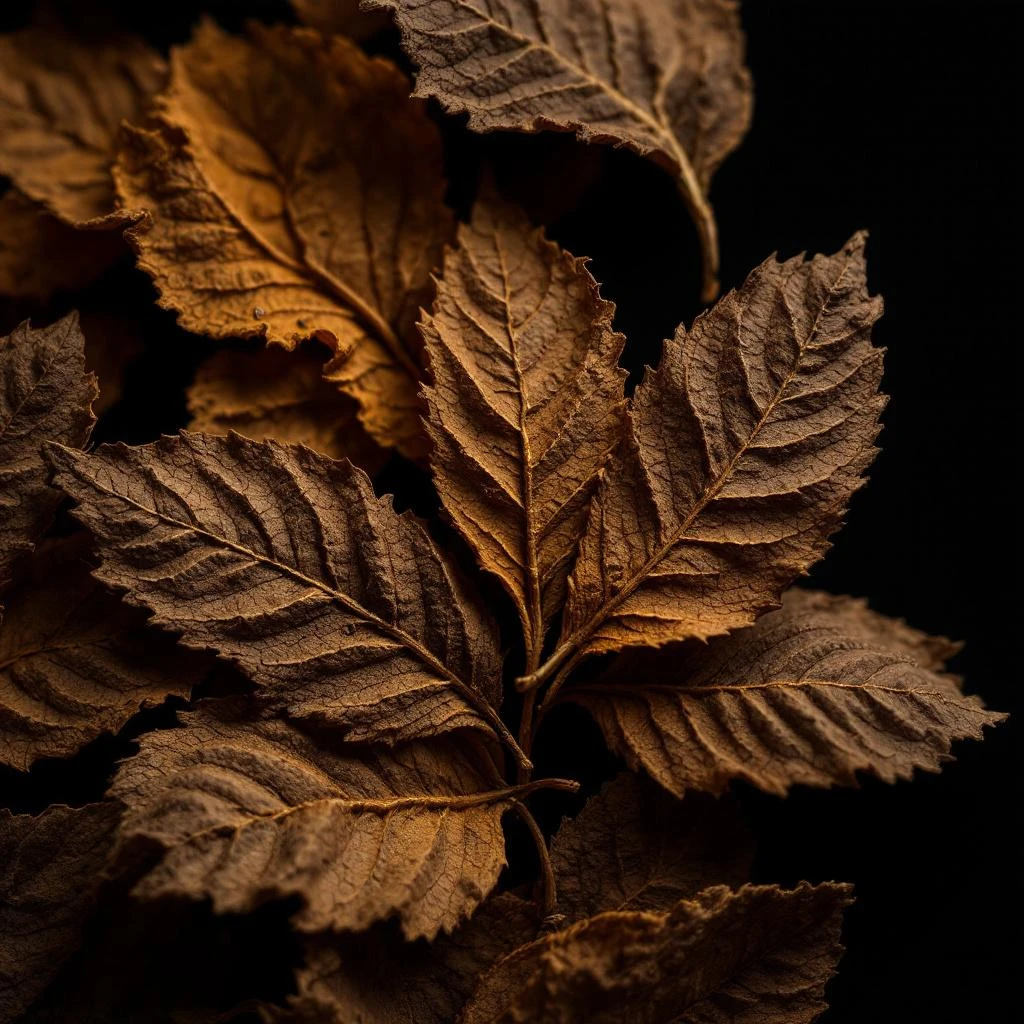
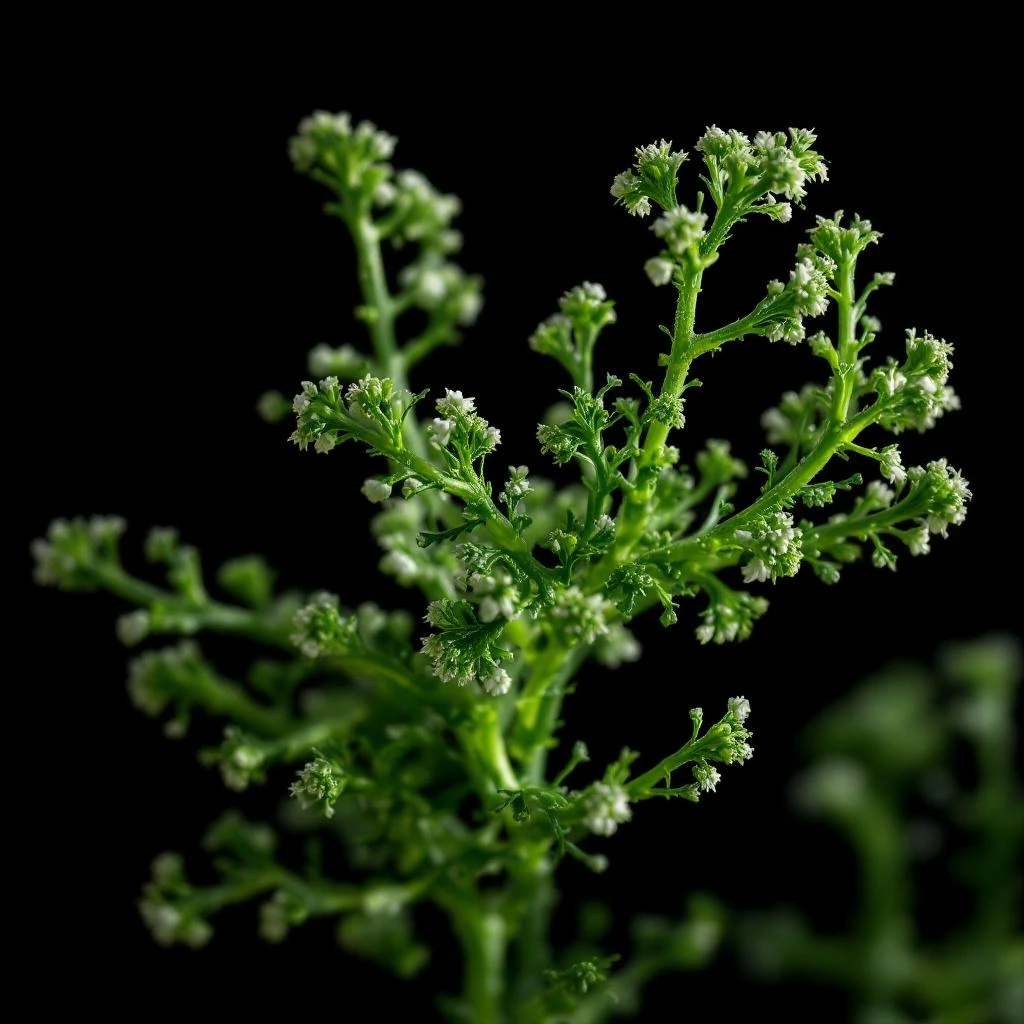

Origin
Syria
Pine resin belongs to one of the oldest aromatic materials used by perfume makers. An analysis of a perfume roughly 4,000 years old found lavender, rosemary, pine resin, and coriander extracts, showing that resin was already valued in sophisticated fragrance formulas. Across the ancient Mediterranean and Near East, aromatic resins served as perfume base materials, ritual offerings, incense components, and ingredients in scented oils.
Their lasting aroma also made them useful natural fixatives. Pine resin appears in the broader history of craft extraction, when aromatic plant substances were combined with alcohol or solvents to preserve their scent. The material carries that history in its profile: concentrated evergreen sap, resinous warmth, and dry woody depth.
In modern perfumery, pine resin shifts familiar freshness toward something darker and more tactile, evoking cut branches, forest floors, and the lingering trace of resin on warm bark.
Wears it best
Fragrances featuring Eldar Pine Resin
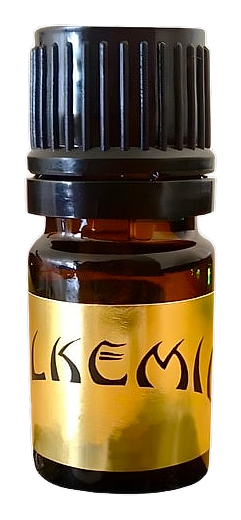
Brands
Brands known for Eldar Pine Resin
Good to know
Questions, answered
The essentials on Eldar Pine Resin in perfumery: how it smells, where it comes from, and how it behaves on skin.
What does Eldar pine resin smell like?
Eldar pine resin smells dry, woody, and balsamic, with a clear evergreen character and a faint smoky edge. Its profile is stronger and more resinous than typical pine essential oil.
Where does Eldar pine resin come from?
Eldar pine resin is associated with pine-growing regions of Syria and Asia Minor, where resin is collected from trees in the Pinus family. Its natural distribution also extends into parts of North Africa.
How is Eldar pine resin extracted for perfumery?
Perfumers dissolve collected pine resin in alcohol or use solvent extraction to isolate its aromatic compounds. The solution is then filtered, creating a concentrated natural raw material suitable for controlled dilution.
How does pine resin differ from pine essential oil?
Pine essential oil is usually steam-distilled from pine needles or twigs and appears fresh and volatile. Pine resin comes from the tree's sticky exudate, giving it a denser, drier, balsamic profile.
Is pine resin useful in modern perfume?
Yes. Pine resin adds coniferous depth, woody richness, and natural fixative qualities to a composition. Its intensity requires careful dosage because it can quickly dominate lighter aromatic notes.
What perfumes or scent families use pine resin?
Pine resin appears in woody, aromatic, and coniferous compositions, especially alongside vetiver, cedar, incense, fir, and balsamic materials. It also adds a forest floor accent to fougère and leather-oriented fragrances.
How did ancient perfumers use pine resin?
Ancient perfumers combined pine resin with aromatic plants in scented oils and base materials. Analysis of a perfume dating back about 4,000 years identified pine resin with lavender, rosemary, and coriander.
Does pine resin make a fragrance last longer?
Resins can reduce the evaporation of more volatile ingredients, helping a fragrance remain coherent on skin. Pine resin also leaves a slow, dry woody trace as its lighter components fade.