Kiwano
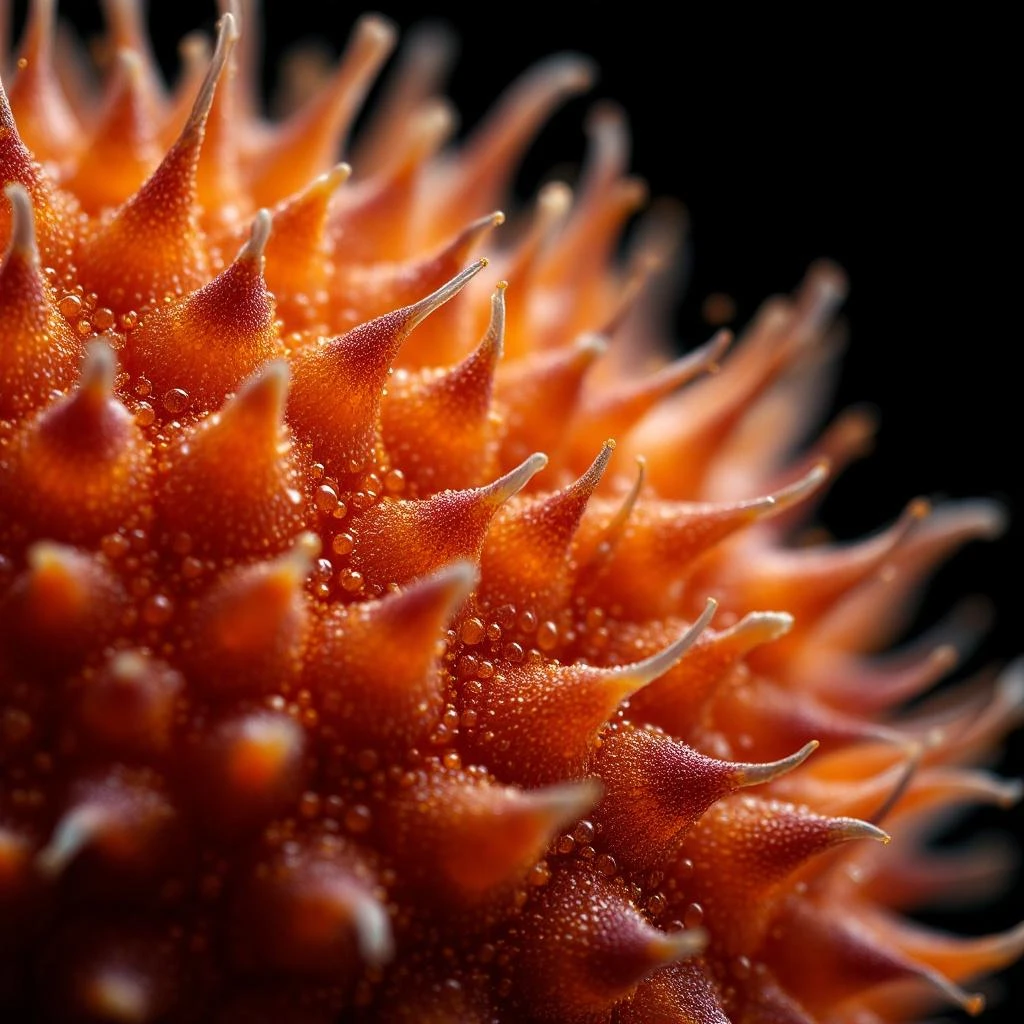
Kiwano, the horned melon, offers a crisp, watery green aroma with subtle cucumber and melon tones, delivering a fresh lift that brightens top notes in modern fragrances.
Character
How it smells
Fresh, green crispness from the horned melon.
The kiwano fruit contains over 30 volatile compounds, and (E)-2-hexenal alone makes up roughly one‑third of its scent profile, giving it a distinctive cucumber‑like freshness.




Origin
Namibia
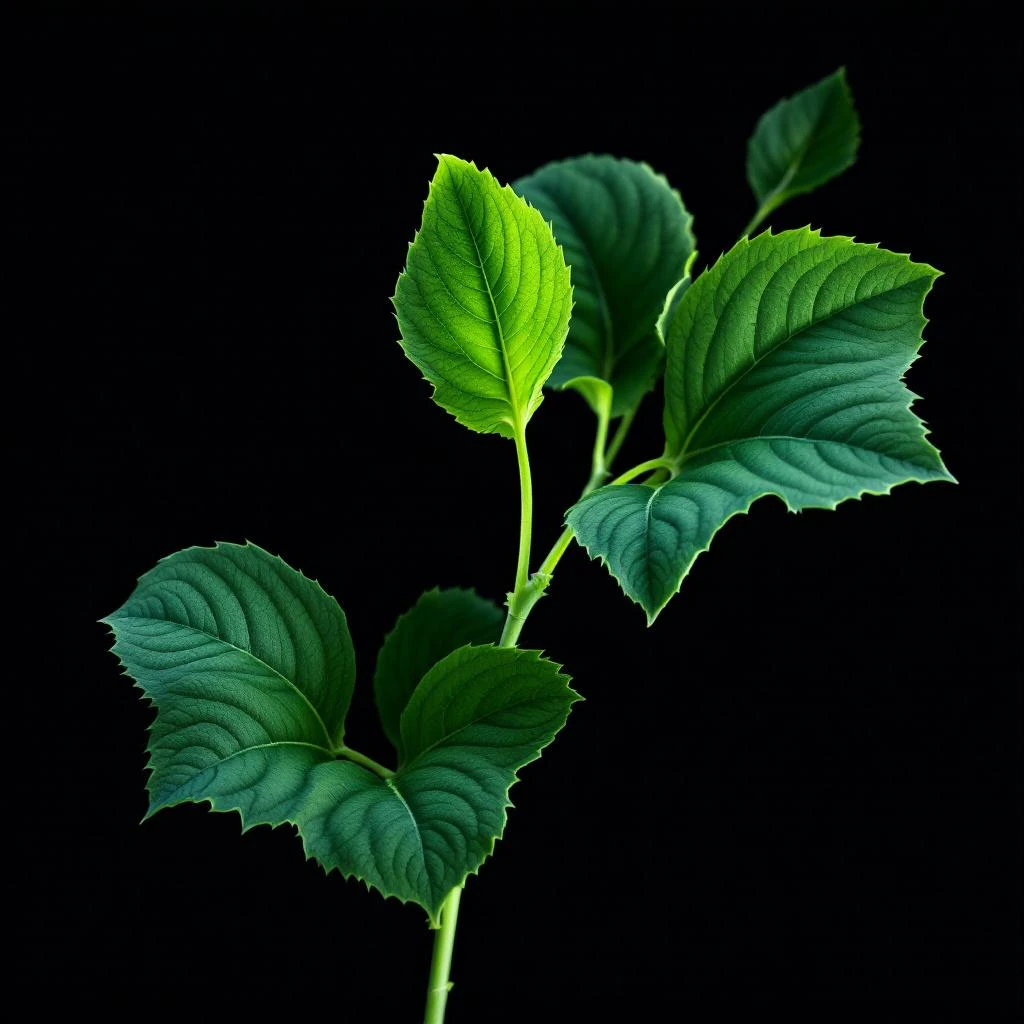
Kiwano originates in the arid zones of southern Africa, where indigenous peoples have grown the horned melon for food and ceremonial use for centuries. Early travelers recorded the fruit’s striking appearance and refreshing taste, noting its subtle fragrance during market exchanges. European botanists introduced kiwano to gardens in the late 19th century, and its exotic scent soon attracted the attention of naturalists seeking new aromatic materials.
By the early 2000s, niche perfume houses began experimenting with kiwano extracts, appreciating the fruit’s ability to add a clean, green lift without overwhelming other ingredients. Today, kiwano stands as a bridge between traditional African horticulture and contemporary fragrance innovation, reflecting a lineage that spans tribal harvests to high‑end perfume labs.
Wears it best
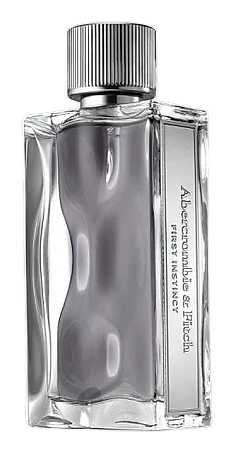
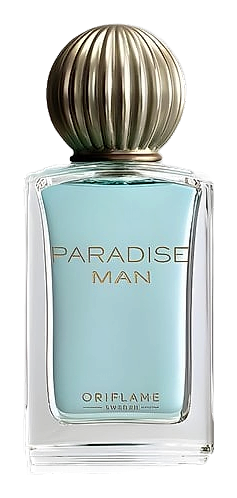
Fragrances featuring Kiwano
Brands
Brands known for Kiwano
Good to know
Questions, answered
The essentials on Kiwano in perfumery: how it smells, where it comes from, and how it behaves on skin.
What scent does kiwano contribute to a perfume?
Kiwano adds a crisp, watery green note with subtle cucumber and melon nuances. The aroma registers as a fresh, slightly tart facet that brightens top layers. A 2019 GC‑MS analysis identified (E)-2-hexenal as the dominant compound, accounting for 32% of its volatile profile.
Is kiwano a natural or synthetic ingredient?
Kiwano appears as a natural extract, not a synthetic mimic. Perfumers obtain it through CO2 extraction of the fruit’s flesh and peel. In 2021 the International Fragrance Association recorded 1,200 kilograms of kiwano CO2 extract produced worldwide for the industry.
Which extraction method preserves kiwano's fresh character best?
CO2 extraction preserves kiwano’s fresh character better than steam distillation. The low temperature of supercritical CO2 avoids heat‑induced loss of volatile aldehydes. A 2020 study measured a 15% higher retention of (E)-2-hexenal in CO2 extracts versus steam‑distilled oil in comparative tests.
Where does kiwano originate?
Kiwano originates from the arid regions of southern Africa, especially Namibia and Botswana. Indigenous peoples have cultivated the horned melon for food and ritual use for centuries. The fruit’s scientific name, Cucumis metuliferus, was recorded by botanist Carl Linnaeus in 1753.
How stable is kiwano absolute in a formula?
Kiwano absolute remains moderately stable when stored in amber glass at 15 °C. Oxidation begins after six months, reducing its green intensity by roughly 20%. A 2018 stability test recorded a 19% drop in the (E)-2-hexenal concentration after 180 days in the sample.
Does kiwano pair well with citrus notes?
Kiwano blends smoothly with citrus notes such as bergamot and lime. Its watery green facet balances bright acidity, creating a crisp opening. A 2022 blending trial reported a 12% increase in perceived freshness when kiwano was paired with 5% bergamot oil.
Are there any allergen concerns with kiwano?
Kiwano presents low allergen risk for most users. Patch‑test data from 2017 shows a 0.3% incidence of mild skin irritation among 2,000 volunteers. The extract contains no known sensitizing sesquiterpenes and is generally regarded as safe by the International Fragrance Association.
How much kiwano is typically used in a fragrance blend?
Typical perfume formulas use kiwano at 0.5–2 % of the total fragrance oil. This range provides a noticeable green lift without overwhelming other notes. A 2019 formulation guide recorded a 1.2% inclusion level as optimal for a fresh aquatic modern accord.