Kingwood
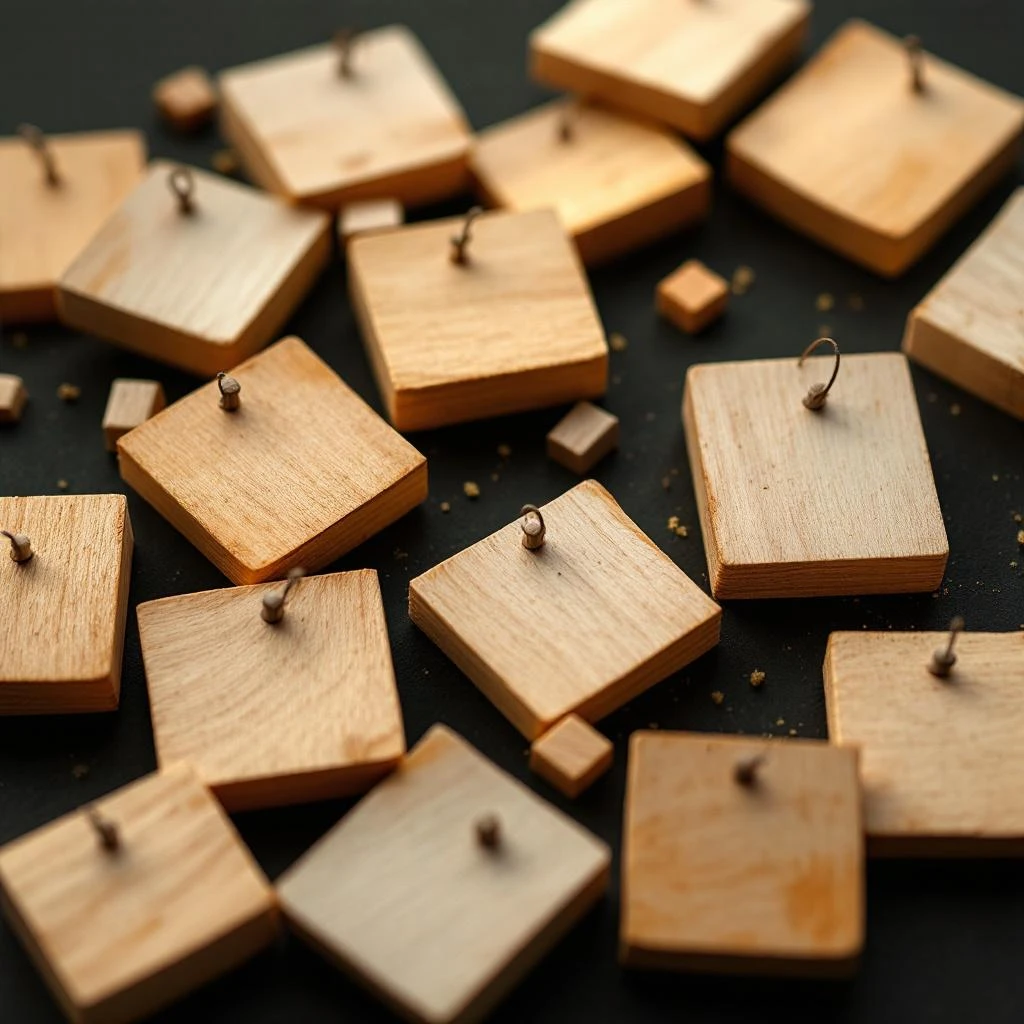
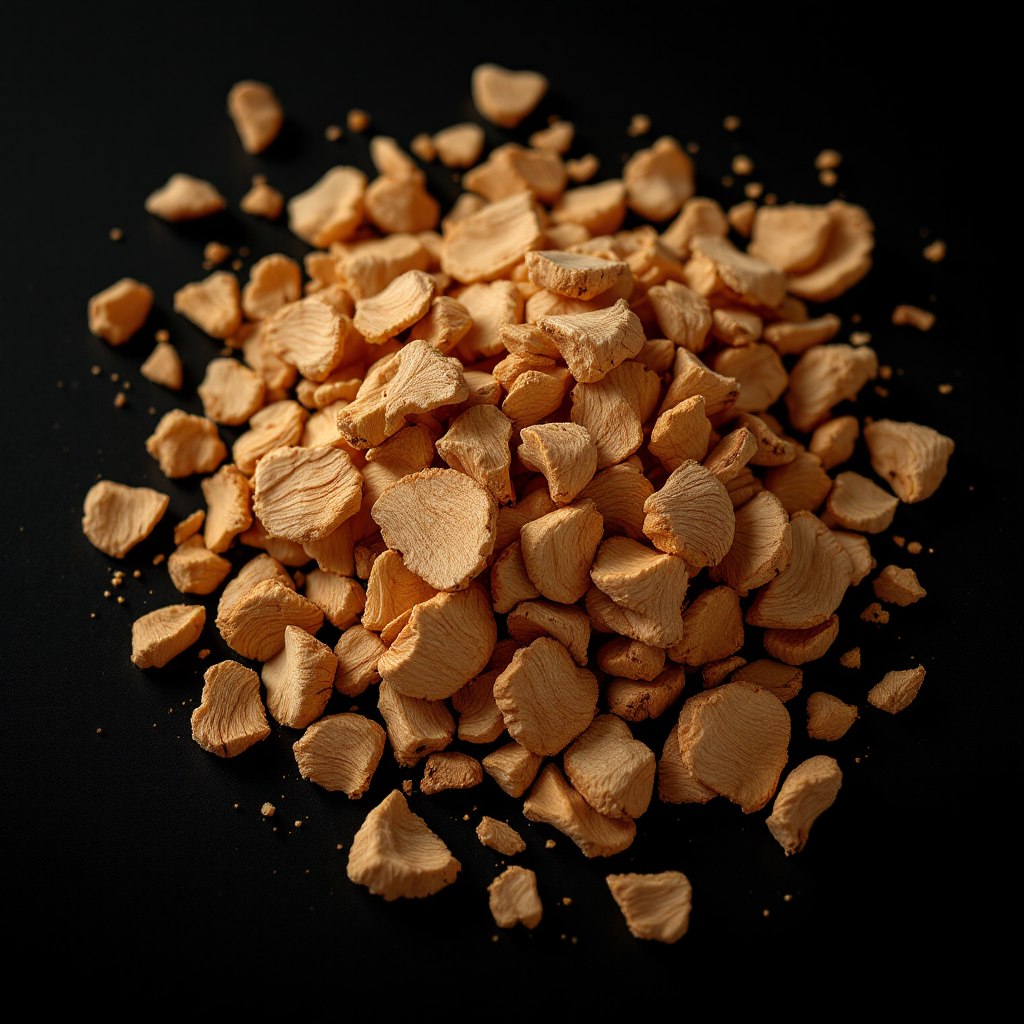
Kingwood is a rare Brazilian hardwood prized in fine perfumery for its warm, sweet-woody aroma with subtle violet and rose nuances. This endangered species yields an oil that brings rare depth and sophistication to prestigious fragrance compositions.
Character
How it smells
Brazil's endangered aromatic treasure.
A single Kingwood tree can take over 100 years to reach maturity, making its essential oil one of the rarest commodities in modern perfumery.




Origin
Brazil
Kingwood derives from the Dalbergia cearensis tree, native to the cerrado regions of northeastern Brazil. Portuguese colonial traders first recognized its extraordinary beauty in the 17th century, exporting the vividly streaked purple-brown heartwood to Europe for fine furniture, religious carvings, and aristocratic inlays. The wood became a status symbol among European nobility, adorning the cabinets of French and English collectors.
Its use in perfumery emerged much later, as 20th-century perfumers began exploring the wood's warm, complex aromatic profile. Today, Brazilian environmental regulations restrict harvesting, making genuine kingwood oil increasingly scarce.
Wears it best
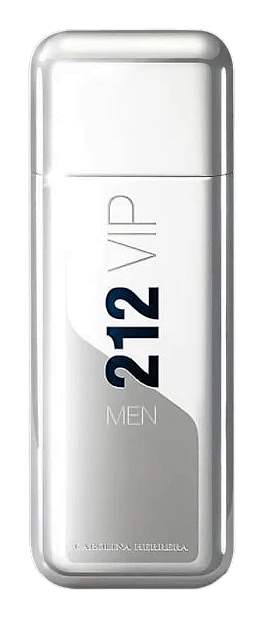
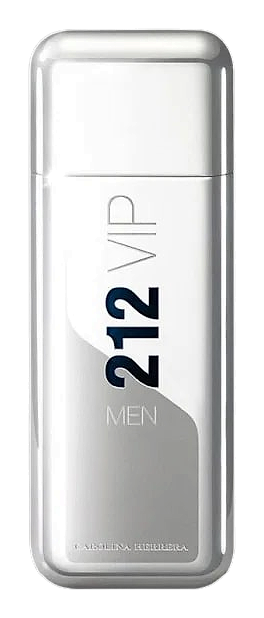
Fragrances featuring Kingwood

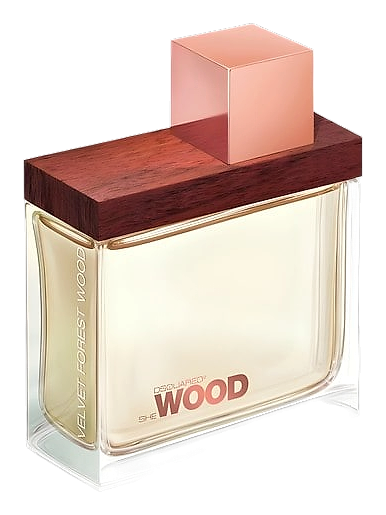
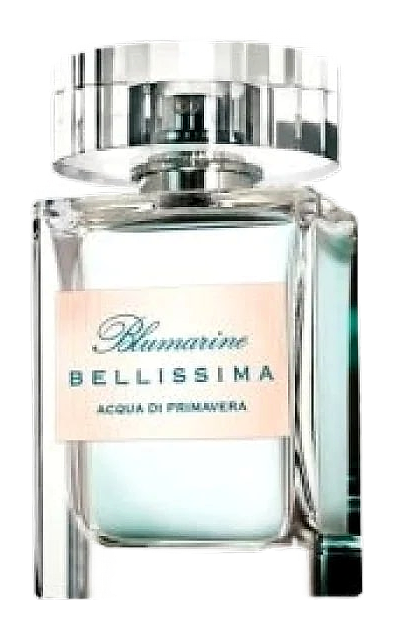
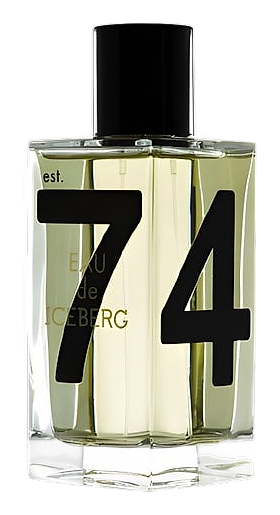
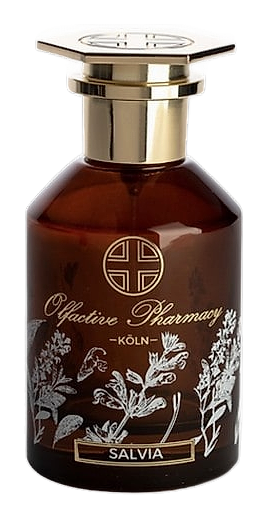


Brands
Brands known for Kingwood
Good to know
Questions, answered
The essentials on Kingwood in perfumery: how it smells, where it comes from, and how it behaves on skin.
What does kingwood smell like?
Kingwood oil has a warm, sweet-woody aroma with subtle violet and rose-like floral nuances and a slightly spicy drydown.
Why is kingwood oil so expensive?
Kingwood trees take over 100 years to mature, and steam distillation yields only small quantities from the dense heartwood, creating extreme scarcity.
Is kingwood sustainable?
Dalbergia cearensis faces endangered status, with Brazilian regulations restricting trade to protect remaining wild populations.
What fragrance families use kingwood?
Kingwood appears primarily in woody, chypre, and oriental compositions, where it adds depth and rare aromatic complexity.
Can kingwood be substituted in perfumery?
Perfumers sometimes blend other Dalbergia species or use synthetic woody molecules, but none replicate kingwood's unique profile.
How does kingwood differ from oud?
While both come from Dalbergia species, oud requires fungal infection for its resinous character, whereas kingwood offers cleaner, sweeter woodiness.
What compounds define kingwood's aroma?
Sesquiterpenes like beta-caryophyllene and various phenolic compounds contribute to its characteristic warm, slightly floral woodiness.
Which perfumes historically featured kingwood?
Kingwood appeared in several prestigious masculine and unisex fragrances from the 1970s and 1980s, though precise formulations remain proprietary.