Kadam
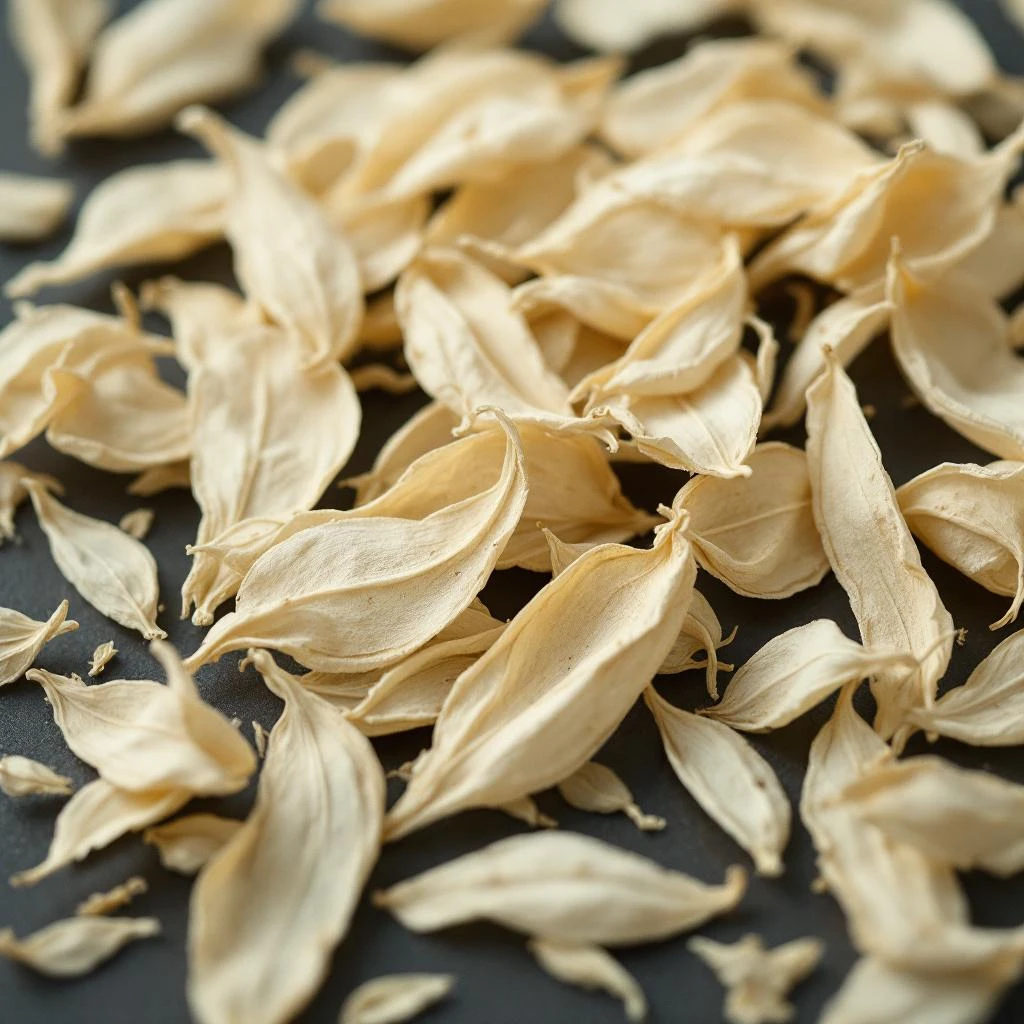
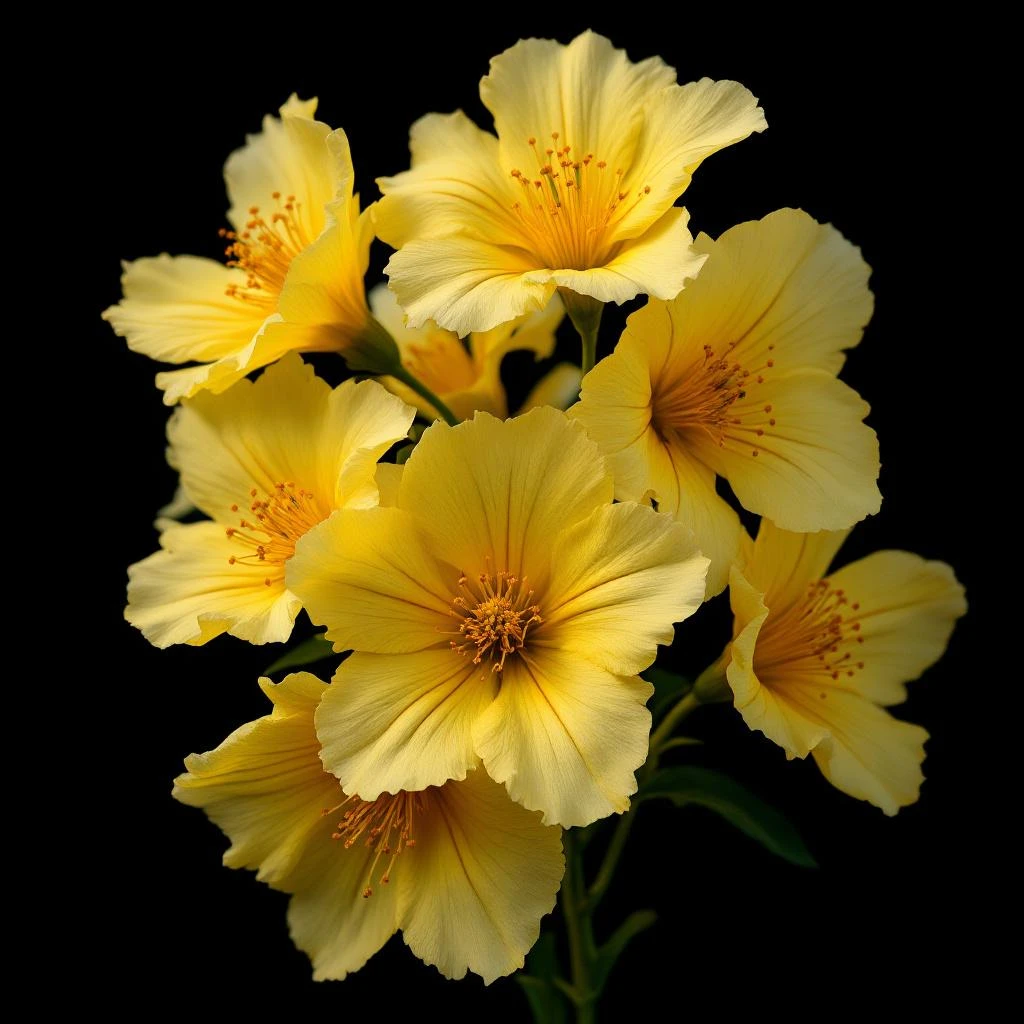
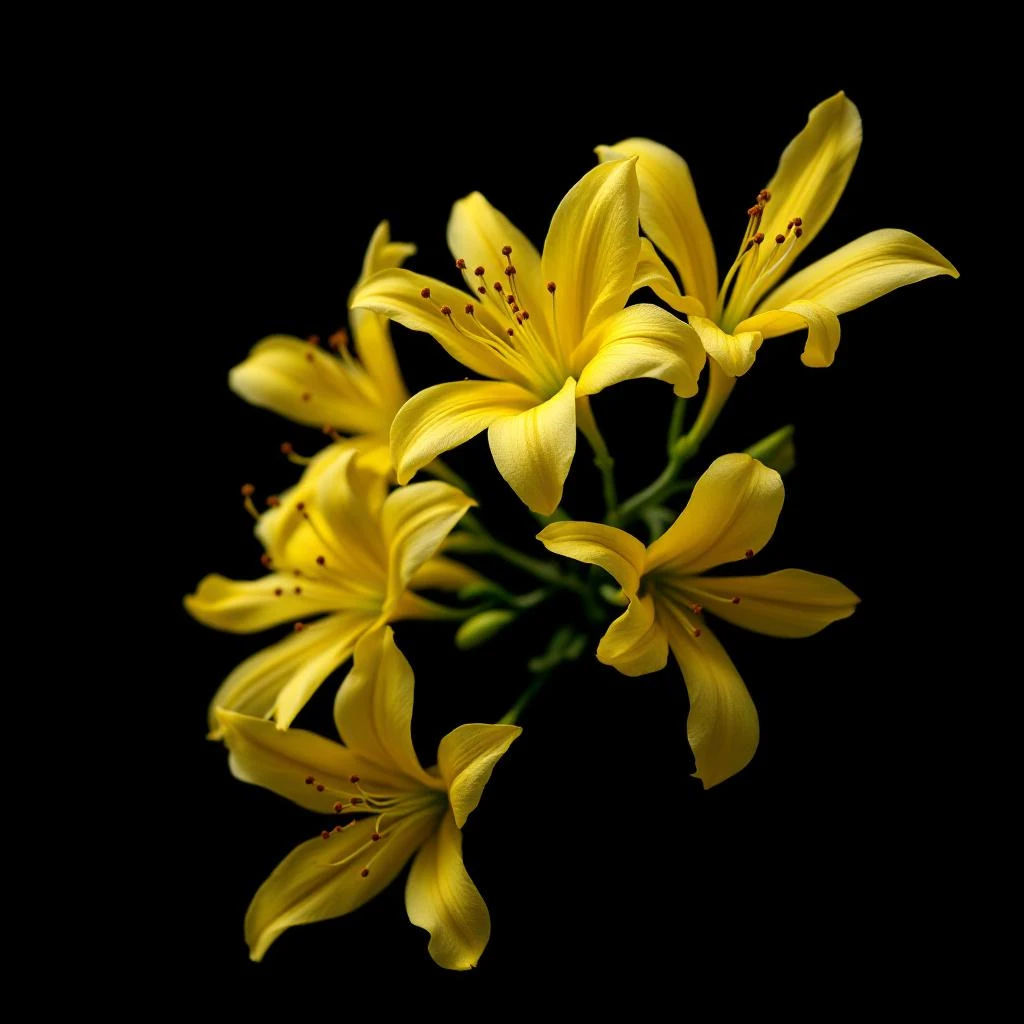
Kadam (Nypa fruticans) is a mangrove palm whose fragrant flowers are steam-distilled to produce an aromatic material used as a fixative and heart note in fine fragrances. The material adds a subtle, sweet-green character with faint earthy undertones, often enhancing the longevity of brighter top notes in attars and natural perfume compositions.
Character
How it smells
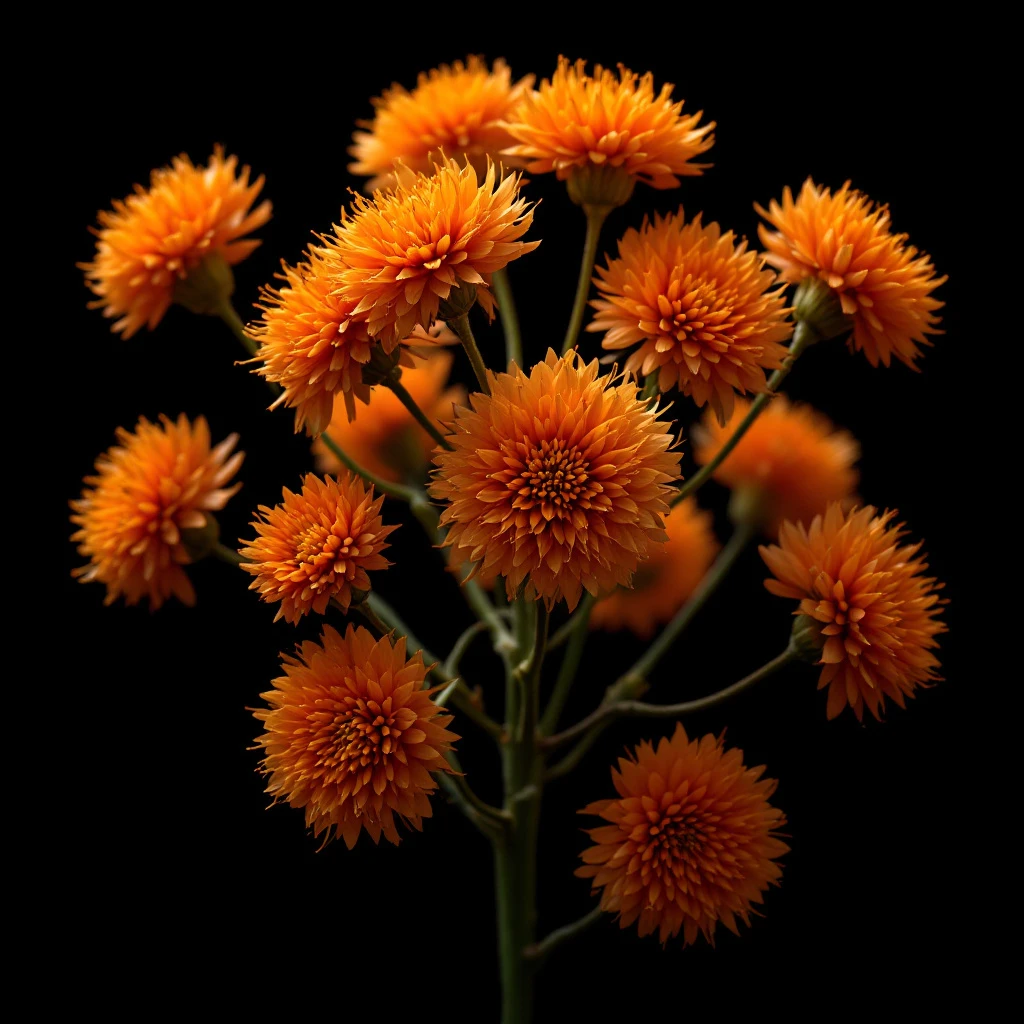
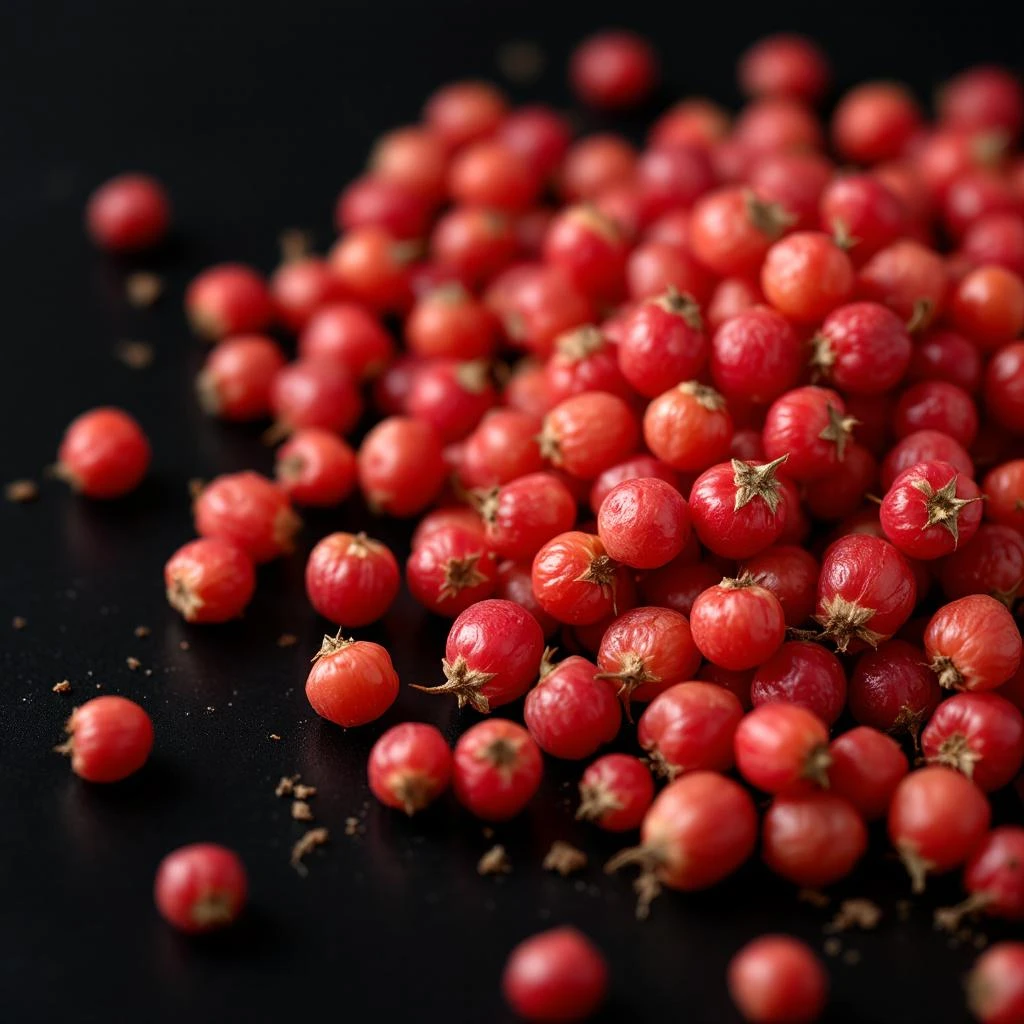
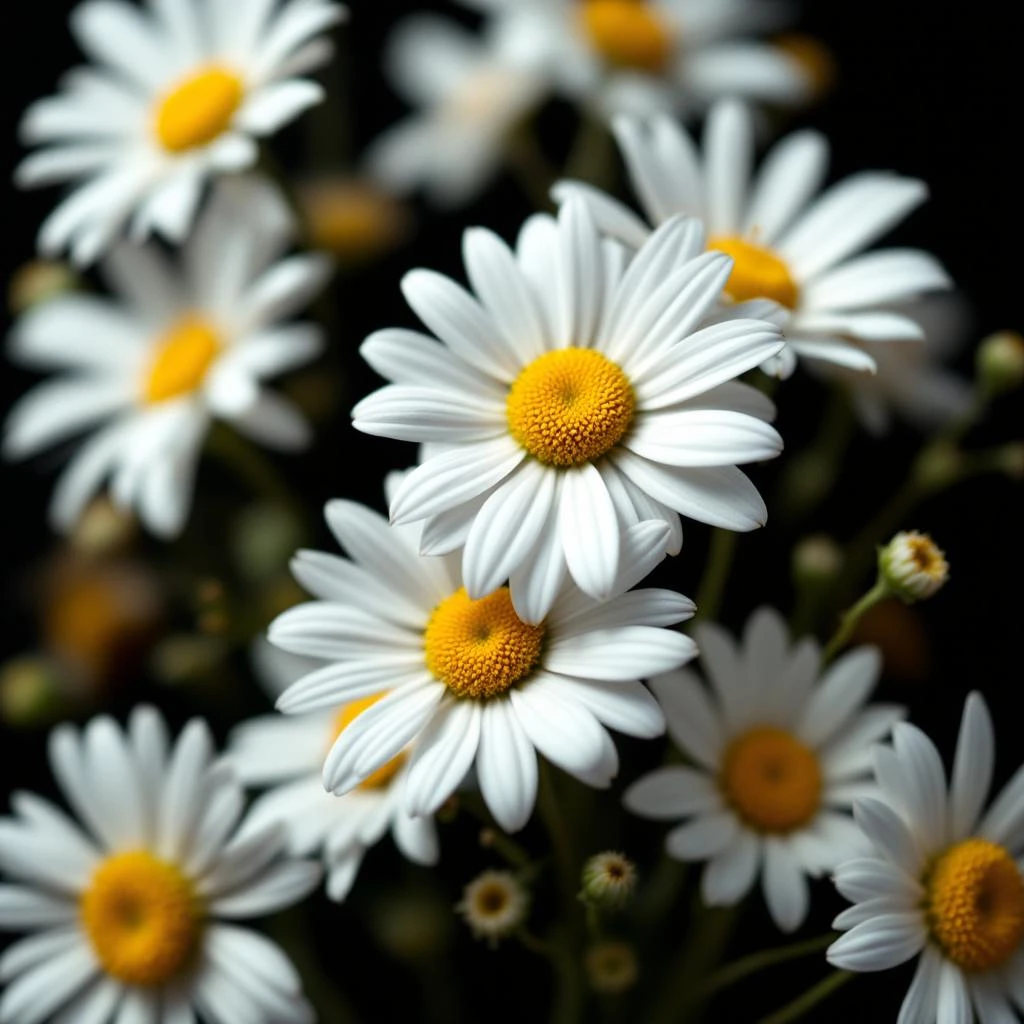
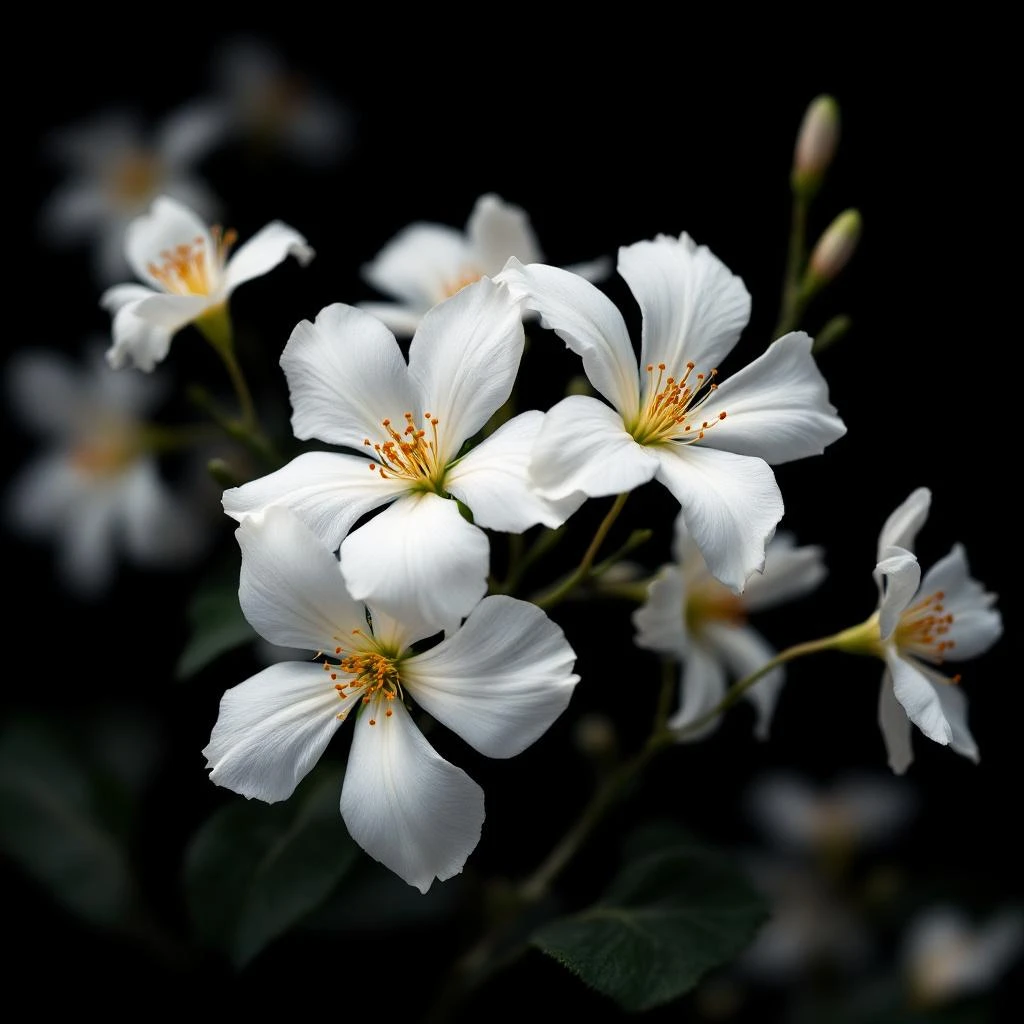
Mangrove sweetness, coastal memory, the green heart of ancient attars
Nipa palm is one of the oldest flowering plant lineages on Earth, appearing in the fossil record roughly 90 million years before modern humans.
Origin
India
Nypa fruticans grows in mangrove ecosystems spanning from India through Southeast Asia to northern Australia, with the Indian subcontinent representing the western boundary of its natural range. The Sundarbans delta and coastal regions of West Bengal and Odisha support significant populations of this ancient palm species. While ancient Mesopotamian and Indus Valley perfumers documented numerous botanical materials, direct written evidence for kadam's specific historical use remains limited.
However, oral traditions among Kannauj artisan families suggest continuous use of kadam flowers in attar production for several centuries. The plant's salt-tolerant biology makes it uniquely suited to the tidal environments where coastal perfumers historically operated.
Wears it best
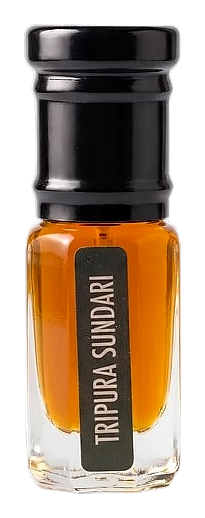
Fragrances featuring Kadam
Brands
Brands known for Kadam
Good to know
Questions, answered
The essentials on Kadam in perfumery: how it smells, where it comes from, and how it behaves on skin.
What does Kadam smell like in perfume?
Kadam delivers a sweet-green scent with subtle earthy undertones. In blends, it acts as a quiet fixative, supporting brighter materials rather than dominating. The aroma evokes wet vegetation and faint floral sweetness, reminiscent of coastal marshes at dawn.
Why is Kadam used in perfumery?
Kadam serves primarily as a fixative in natural perfume formulations. Its aromatic compounds help slow the evaporation of more volatile top notes, extending a fragrance's longevity on skin. Artisan attar makers in Kannauj value it for this functional role.
Is Kadam in perfume natural or synthetic?
Kadam material in commercial perfumery is primarily natural, extracted from Nypa fruticans flowers via steam distillation. Synthetics are not typically used as direct replacements. Natural kadam remains relatively niche, found mainly in traditional attars rather than mainstream fragrances.
What famous perfumes contain Kadam?
Kadam does not appear in widely documented commercial fragrances as a named ingredient. It remains primarily a component of traditional Indian attars produced in small batches by Kannauj artisans. Most mainstream Western perfumes do not list kadam in their formulations.
Is Kadam a top note, heart note, or base note?
Kadam functions as a heart note material in fragrance construction. Its aromatic intensity peaks after top notes dissipate, contributing body and fixative stability to the fragrance's middle phase. The material also carries base note qualities due to its longevity.
What notes pair well with Kadam in perfume?
Kadam pairs naturally with other florals native to Indian perfumery traditions, including jasmine, tuberose, and marigold. Its green, earthy character also complements woody materials like sandalwood and vetiver. Citrus top notes create contrast against its subtle sweetness.
Where does Kadam come from?
Kadam (Nypa fruticans) grows in mangrove habitats across the Indo-Pacific region. In India, it occurs primarily in the Sundarbans delta and coastal wetlands of West Bengal and Odisha. The flowers are harvested by hand from wild stands growing in tidal environments.
Is Kadam used in men's or women's fragrances?
Kadam appears in attars used by both men and women across South Asia. Its subtle, non-gendered aroma profile lacks strong masculine or feminine associations. Traditional Indian perfumery typically avoids gendered marketing, presenting attars as universal.