Jasmine Water
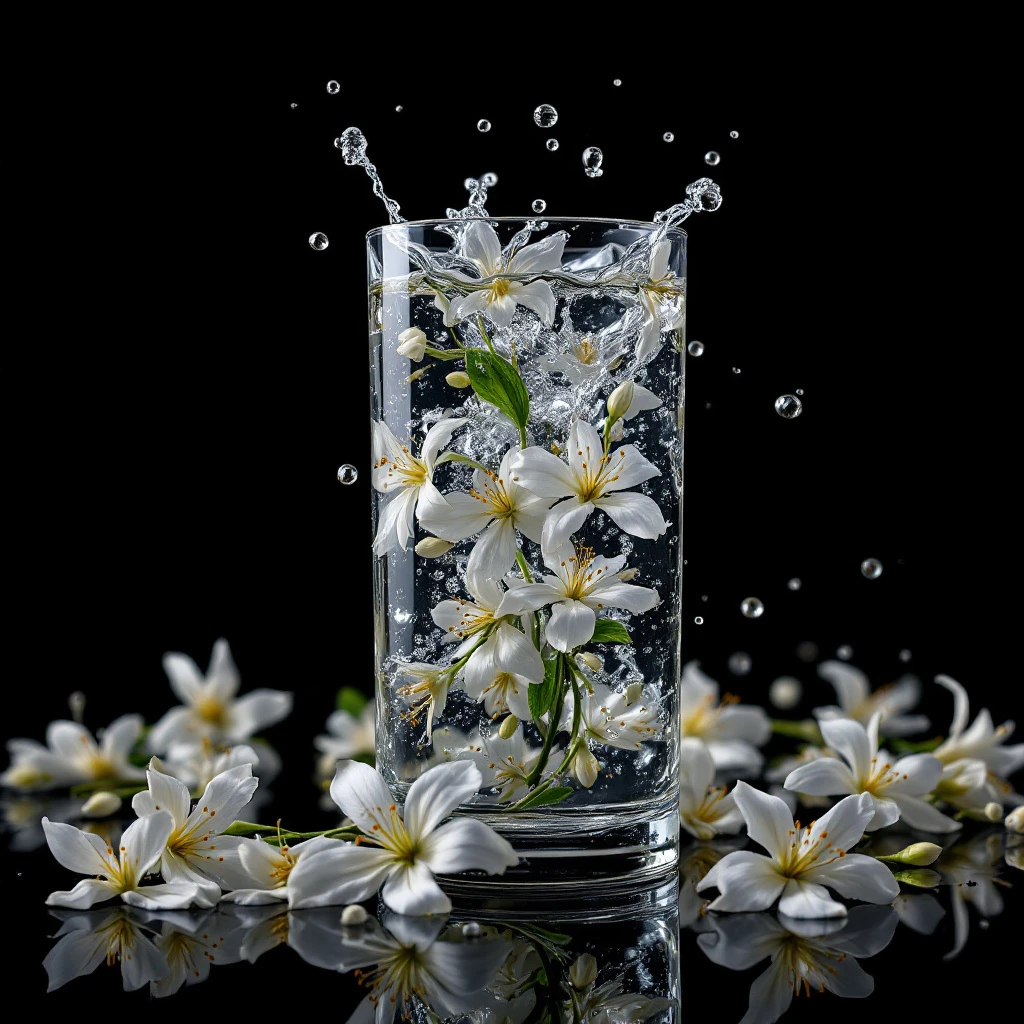
Jasmine Water captures the luminous, heady soul of jasmine blossoms in a gentle aqueous form. Unlike potent absolutes, this aromatic hydrosol delivers jasmine's signature scent with soft clarity, offering perfumers a versatile medium for transparent, floral compositions.
Character
How it smells
Jasmine's luminous soul, suspended in water.
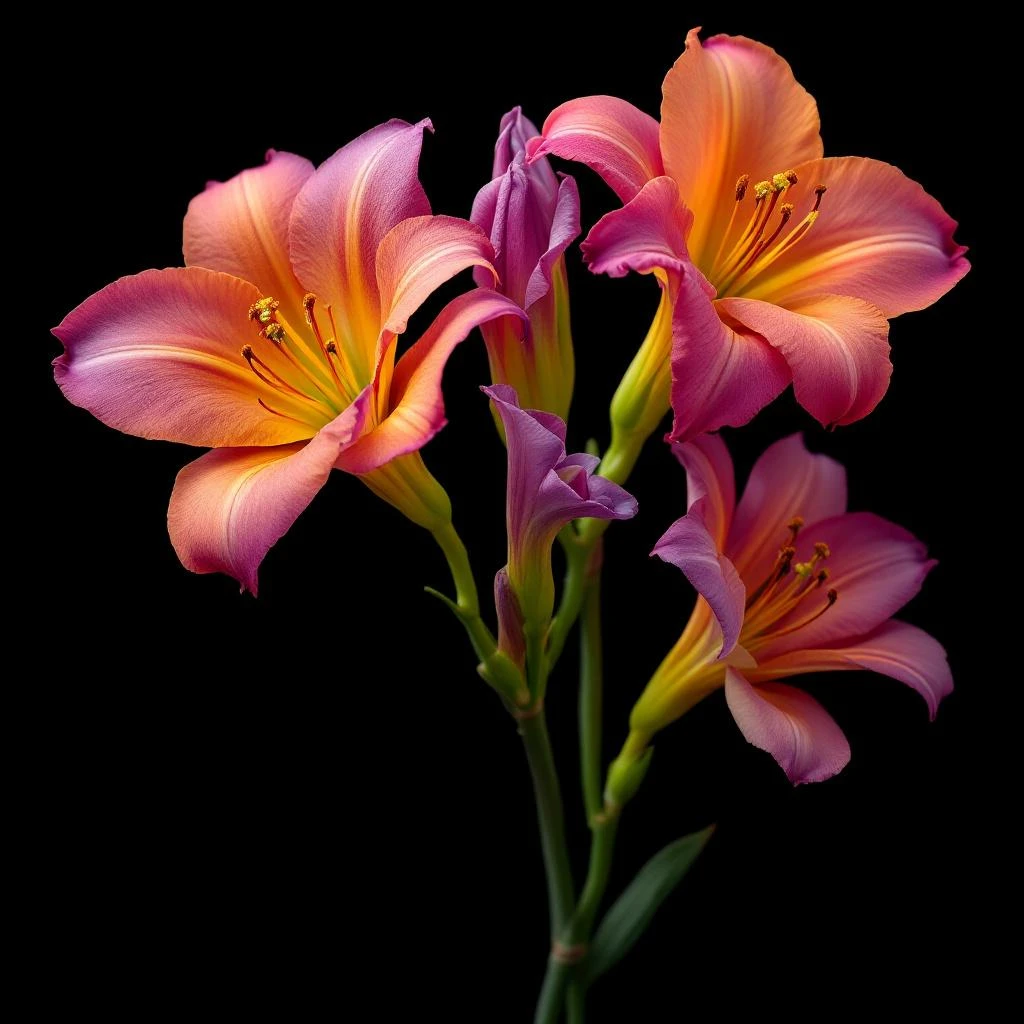
Harvesting jasmine requires precise timing: pickers gather blossoms before sunrise when the flowers' aromatic compounds peak.





Origin
India
Jasmine has been cultivated for over two millennia, with origins traced to ancient Persia and Egypt. Egyptian priests used jasmine in sacred rituals as early as 1000 BCE, considering the flower sacred to the goddess Isis. The plant spread along trade routes to India, where it became integral to religious ceremonies and traditional medicine.
Jasmine arrived in Grasse, France, in the 16th century, eventually becoming the cornerstone of the region's perfume industry by the 1850s. The town of Grasse perfected enfleurage techniques to capture jasmine's ephemeral scent, laying groundwork for modern extraction methods that continue to honor this ancient flower.
Wears it best
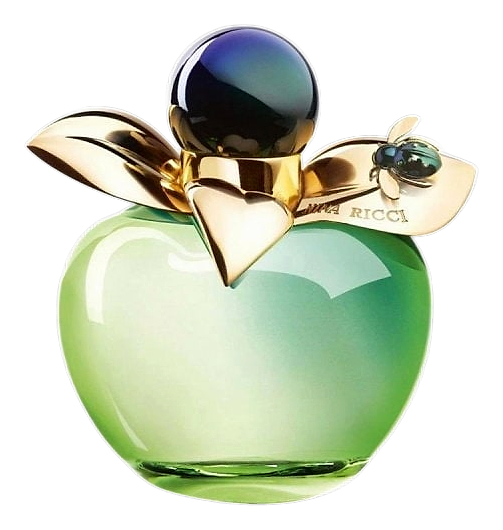
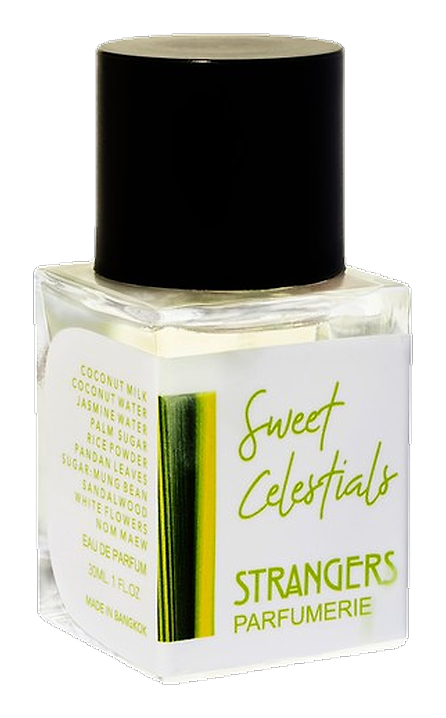
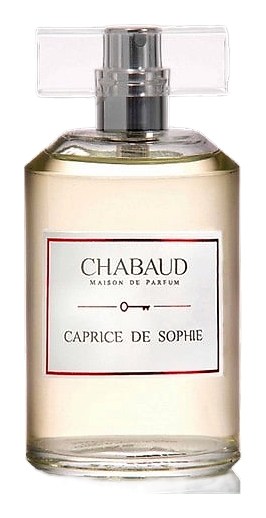
Fragrances featuring Jasmine Water
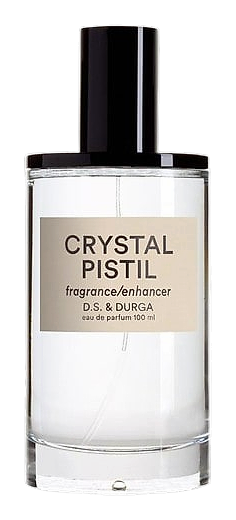
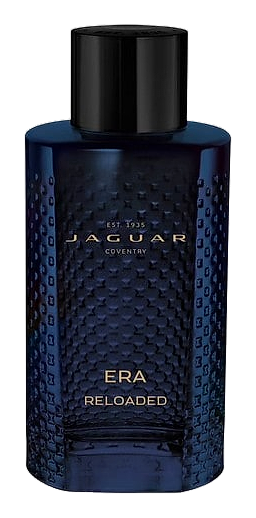
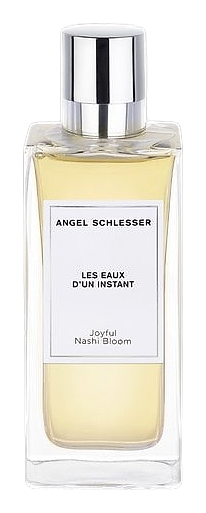
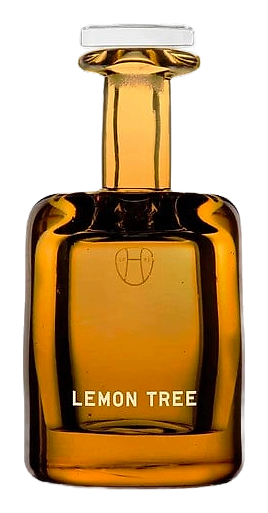
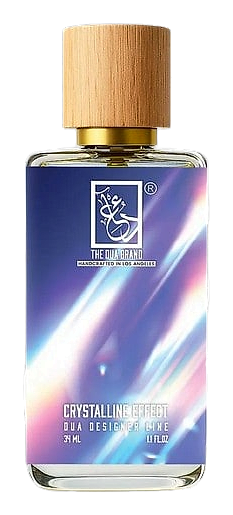


Brands
Brands known for Jasmine Water
Good to know
Questions, answered
The essentials on Jasmine Water in perfumery: how it smells, where it comes from, and how it behaves on skin.
What is Jasmine Water in perfumery?
Jasmine Water is an aromatic hydrosol obtained during steam distillation of jasmine flowers. It contains water-soluble aromatic compounds from the blossom, offering jasmine's characteristic scent in a lighter, more transparent form than absolutes.
How does Jasmine Water differ from Jasmine Absolute?
Jasmine Absolute is a highly concentrated solvent extract capturing nearly all aromatic molecules. Jasmine Water contains only water-soluble compounds, resulting in a gentler, more subtle scent profile suitable for transparent formulations.
When are jasmine flowers harvested for distillation?
Flowers are harvested before sunrise, typically between 5 and 10 AM. This timing is critical because jasmine's aromatic compounds peak during early morning hours when the flowers open.
Which countries produce Jasmine Water?
India, Egypt, and Morocco are the largest jasmine producers. France maintains small-scale production around Grasse, honoring the region's historic perfumery tradition that began in the 1850s.
Can Jasmine Water be used in cosmetics?
Yes, Jasmine Water is commonly used in cosmetic and skincare formulations. Its gentle aromatic profile makes it suitable for facial mists, toners, and products seeking subtle floral fragrance without overwhelming the formula.
What does Jasmine Water smell like?
Jasmine Water presents jasmine's signature indolic, heady floral character with softer projection than absolutes. Expect notes of white flowers, tropical warmth, and a subtle honeyed quality characteristic of the jasmine species.
How much jasmine is needed to produce Jasmine Water?
Approximately 2,000 pounds of jasmine flowers yield one pound of essential oil. Jasmine Water captures the water-soluble fraction during this distillation process, making it a byproduct of concentrated oil production.
Is Jasmine Water natural or synthetic?
Jasmine Water is a natural product derived from steam distillation of real jasmine flowers. The process preserves the flower's natural aromatic compounds without synthetic intervention.





