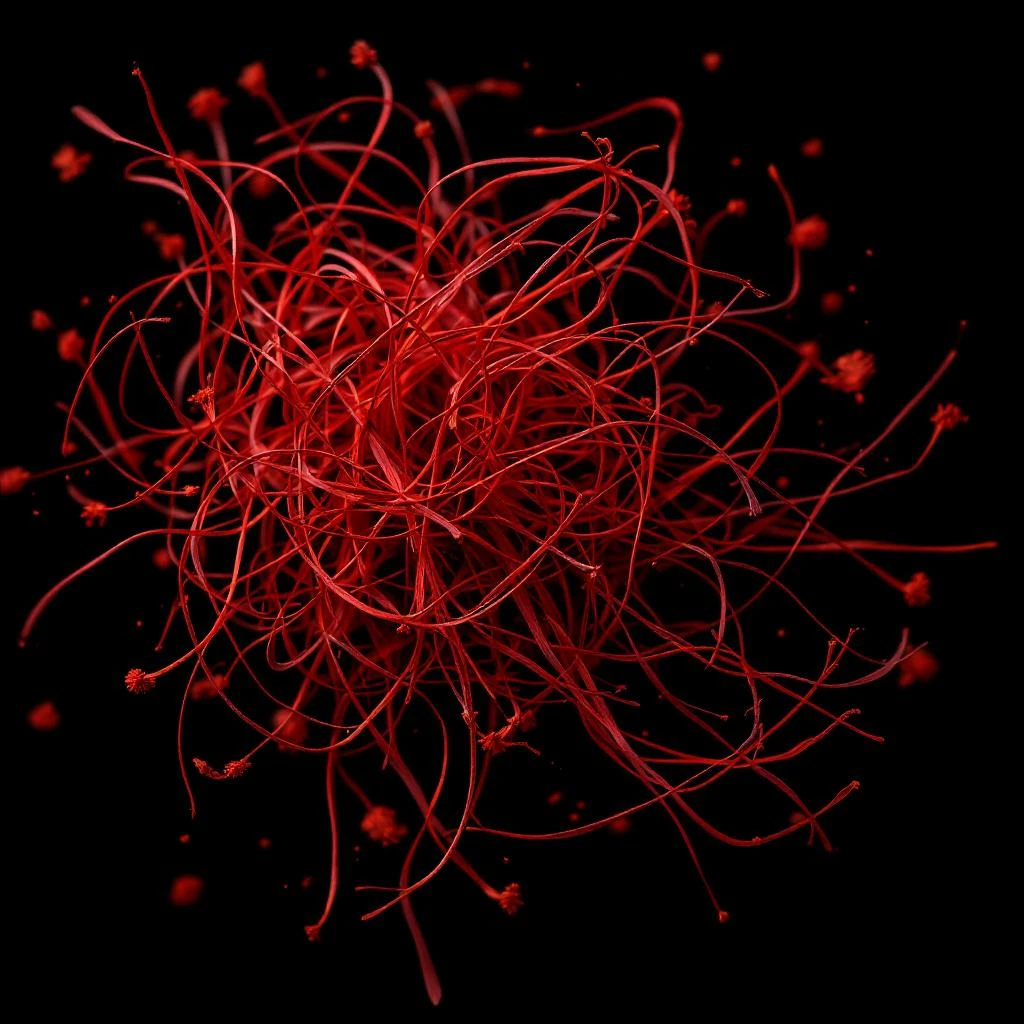
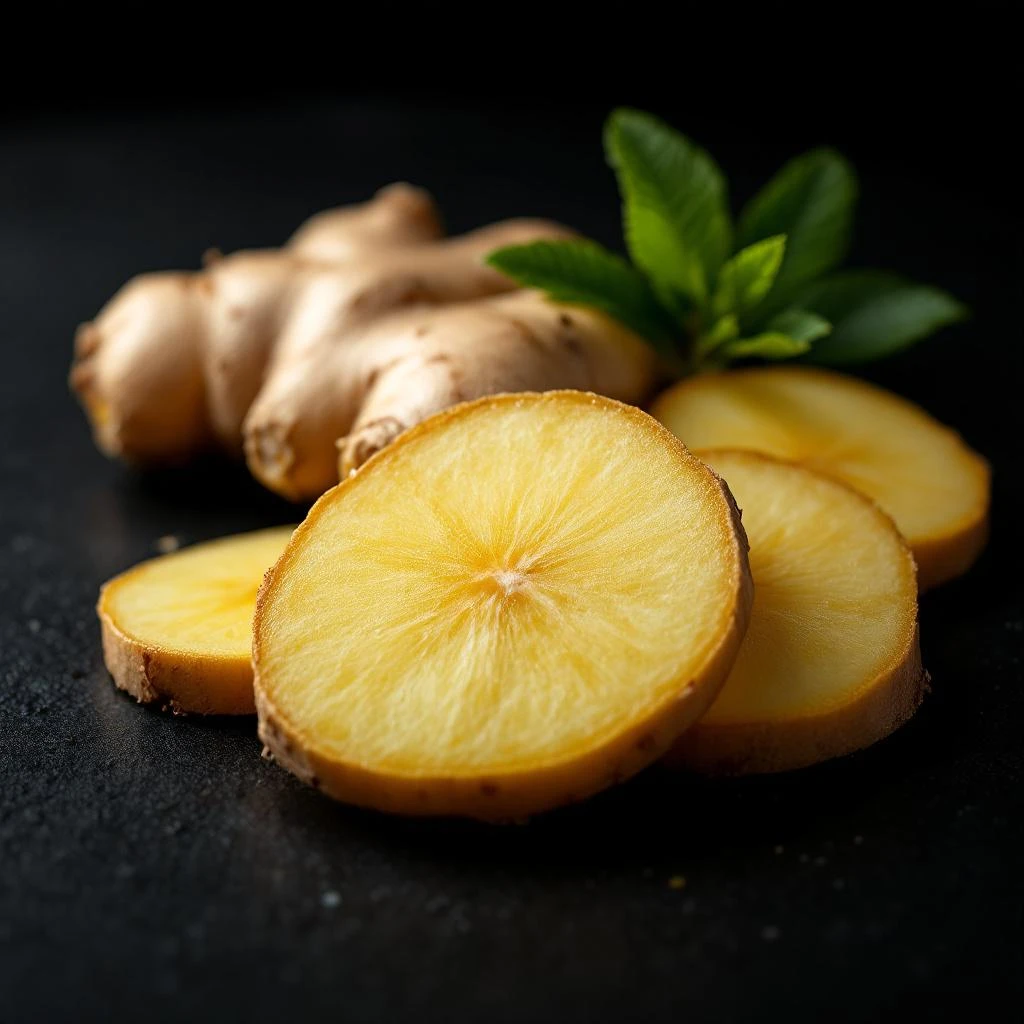
Ivory Coast Ginger
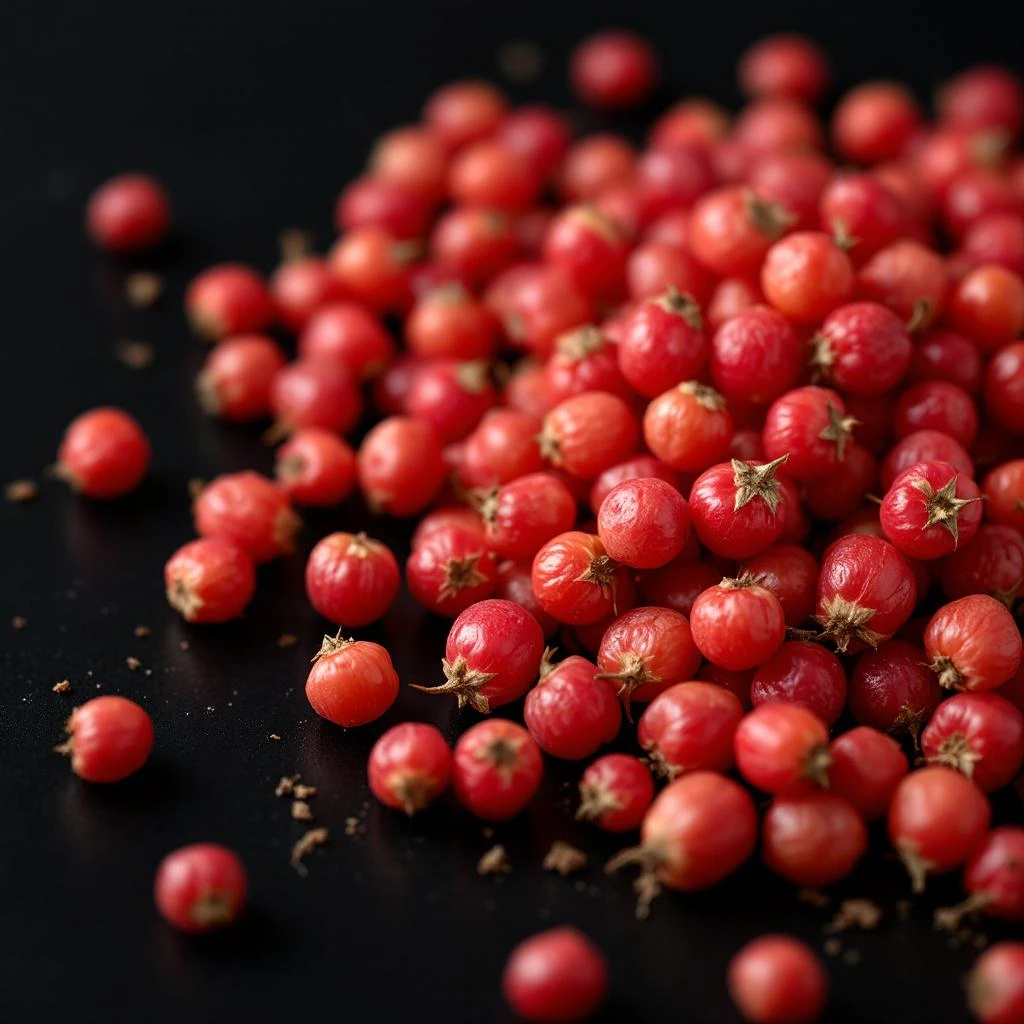
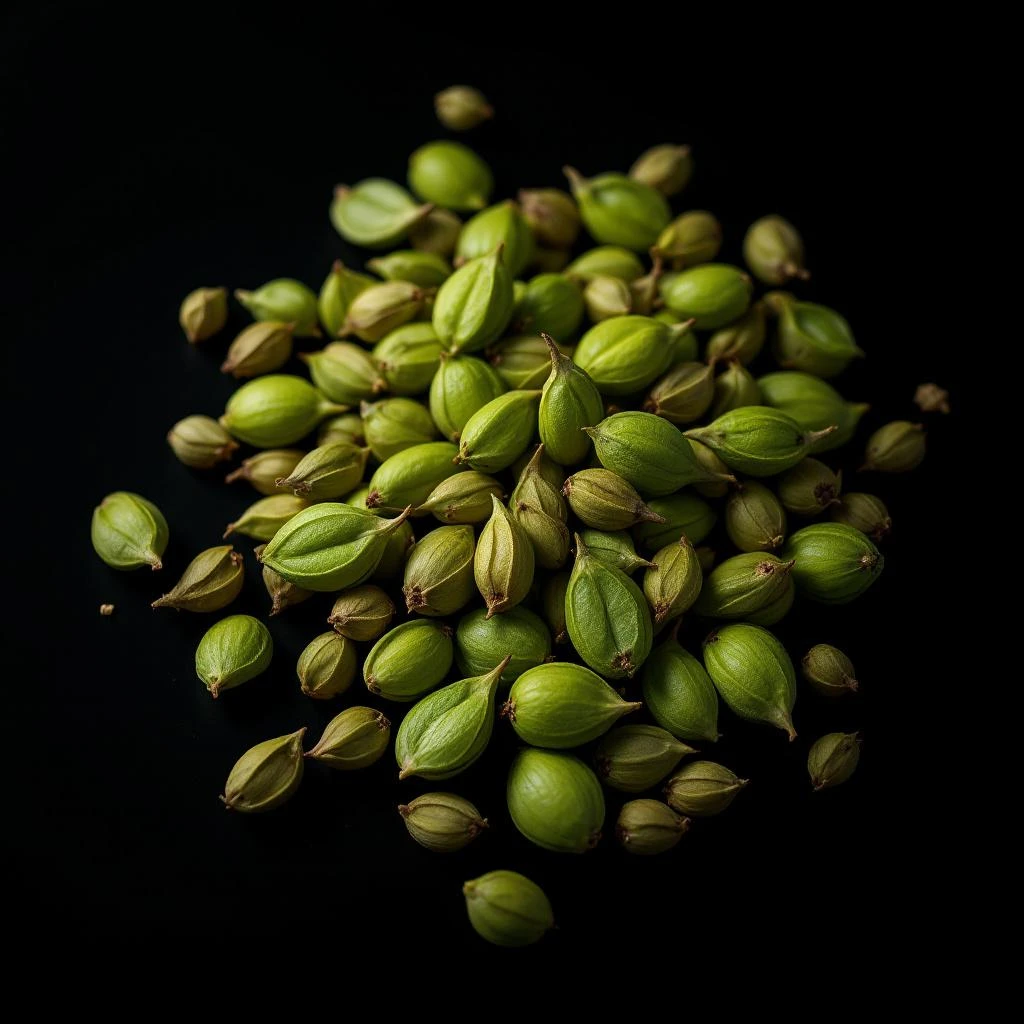
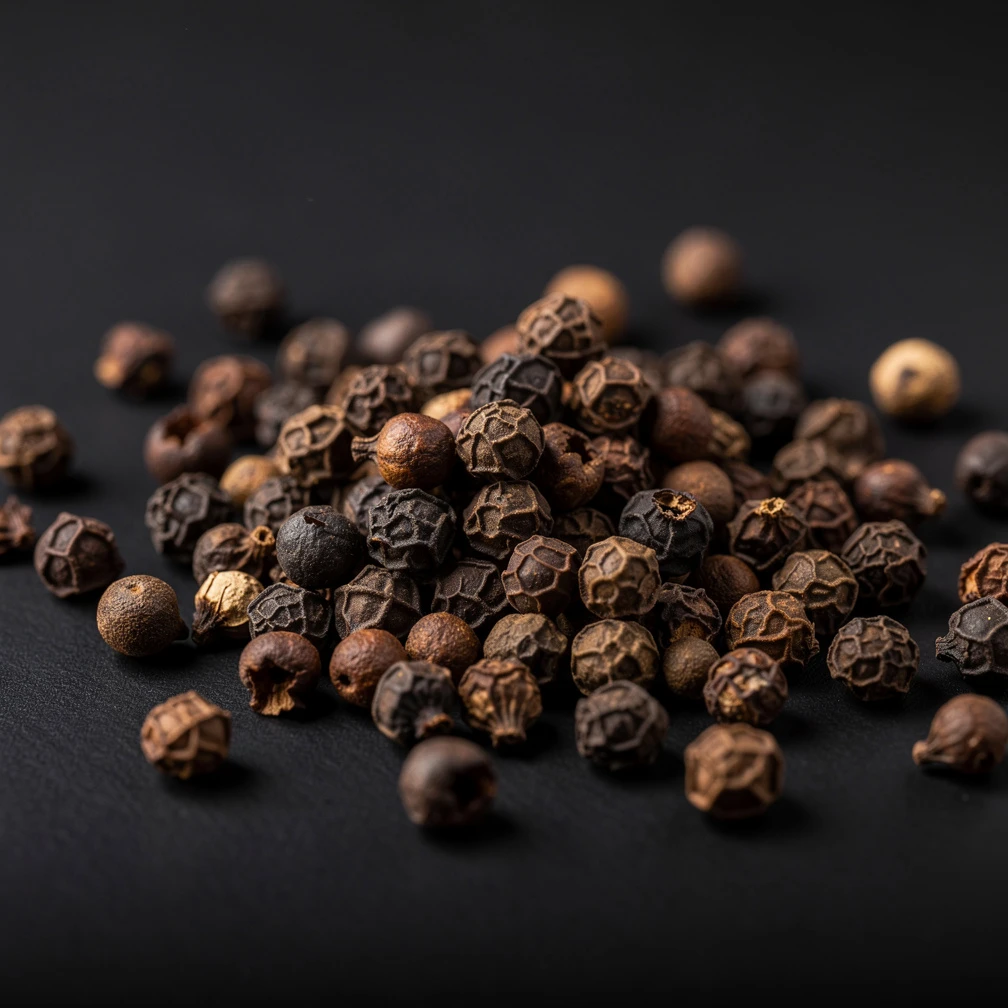
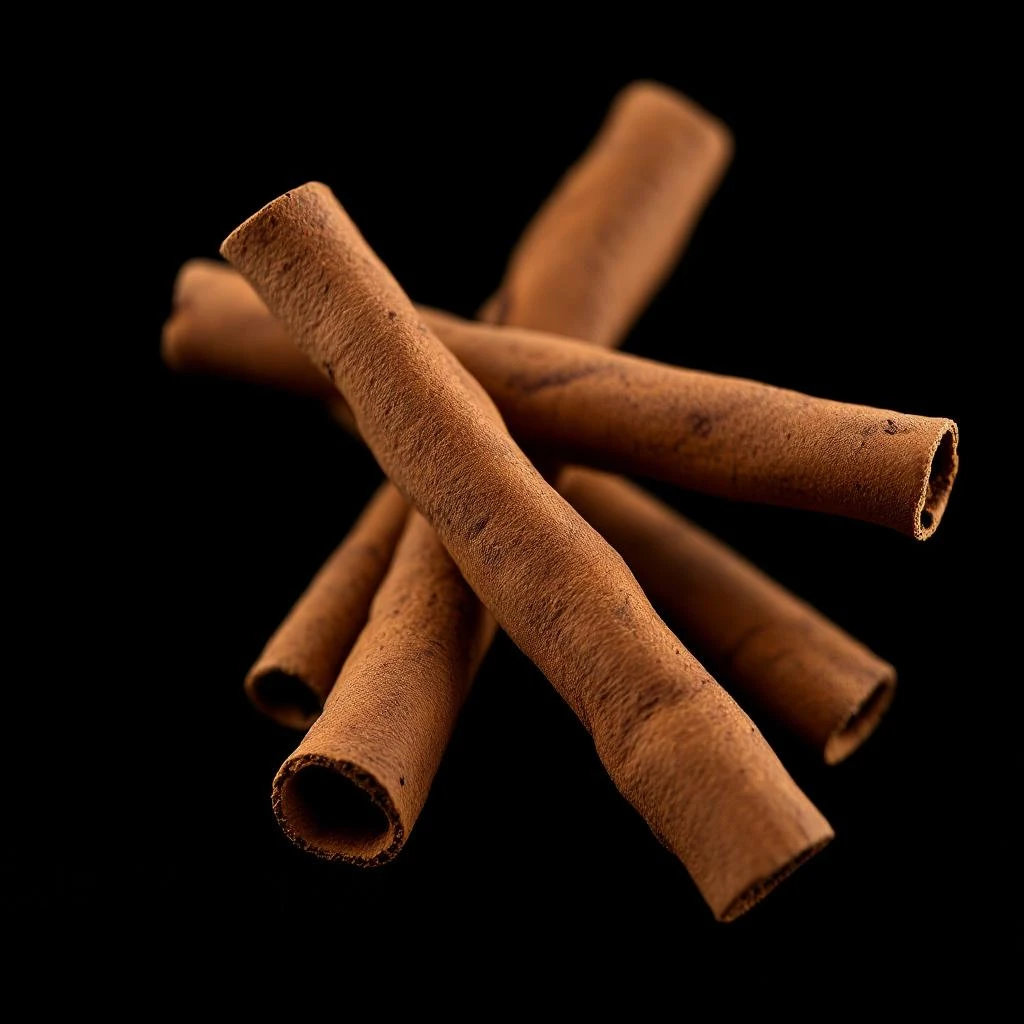
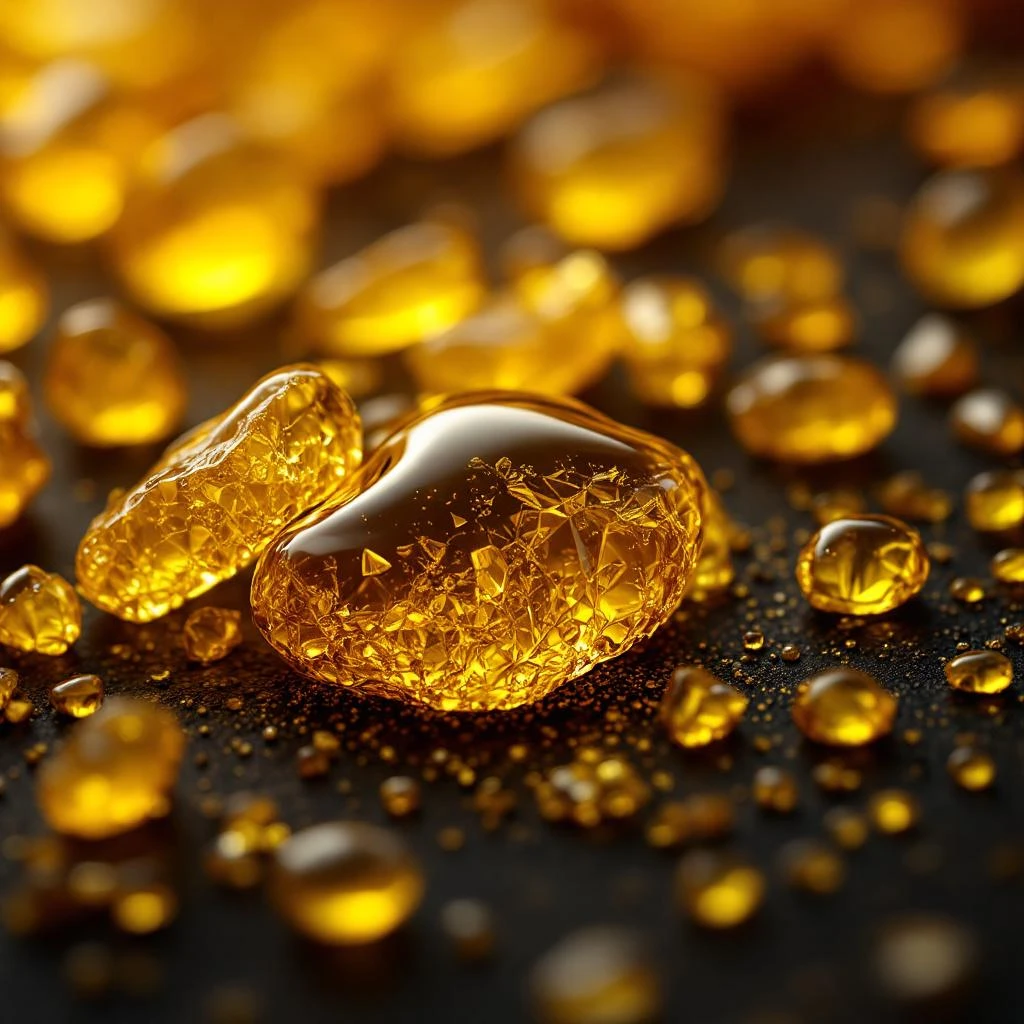
Ivory Coast Ginger delivers an exceptionally fresh, vibrant aroma with warm spicy heat, bright lemony facets, and subtle peppery depth. Sourced from West Africa's tropical coast, this ginger variety stands apart for its concentrated aromatic volatiles and freshly pungent character.
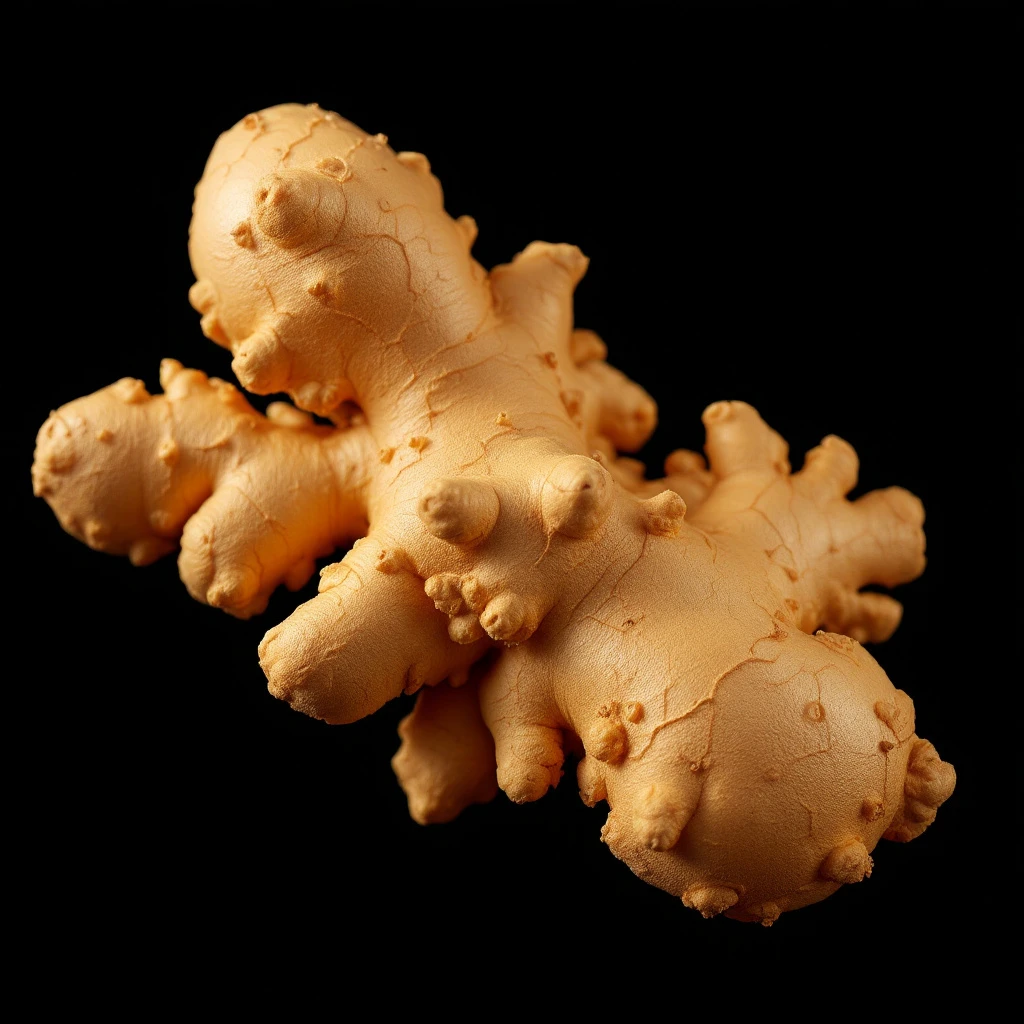
Character
How it smells
West African warmth in every note.
Ginger rhizomes have been harvested for over 3000 years, traded along ancient spice routes that connected Asia to the Mediterranean long before modern perfumery existed.





Origin
Côte d'Ivoire
Ginger ranks among the oldest aromatic substances in human history, with documented use stretching back over 3000 years across South and Southeast Asian cultures where it originated. Ancient traders carried the rhizome along spice routes connecting India and China to the Persian Gulf and Mediterranean, making it one of the first truly global botanicals. West African cultivation, particularly in the Ivory Coast, developed as trade networks expanded, with the region becoming a significant producer during the colonial era.
Today, the Ivory Coast ranks among the world's leading ginger exporters, with its tropical climate and coastal humidity producing rhizomes prized for their aromatic intensity. In perfumery, ginger oil found its footing during the 19th century shift toward natural ingredients, valued for its ability to add warmth, lift, and a clean spiciness that bridges citrus and wood notes.
Wears it best
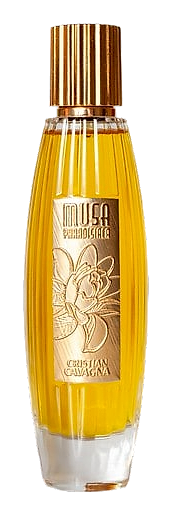
Fragrances featuring Ivory Coast Ginger
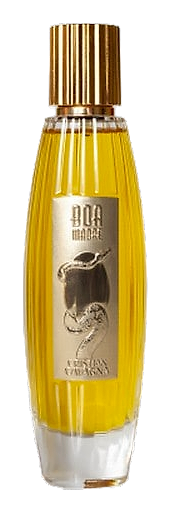
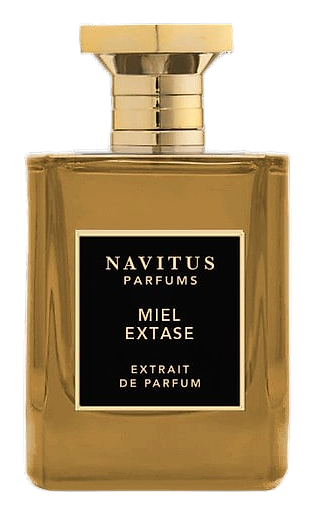
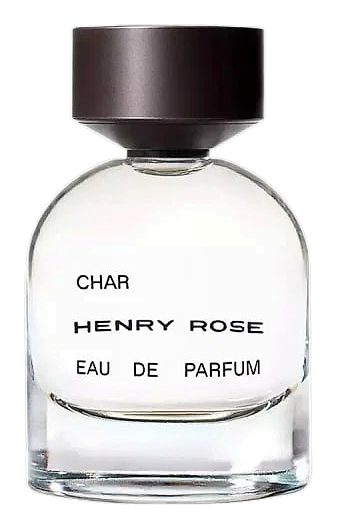
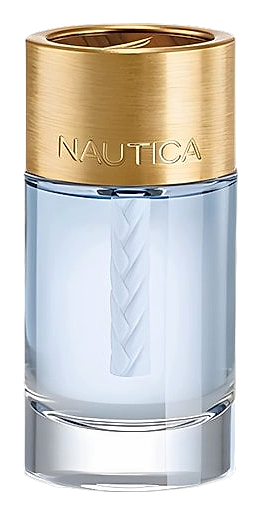
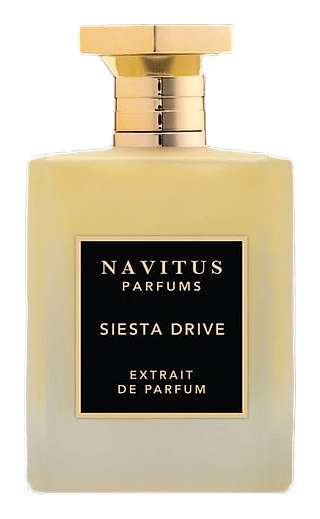
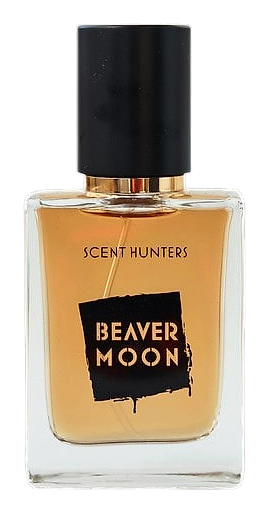
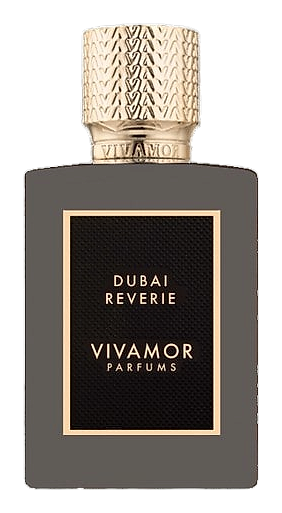
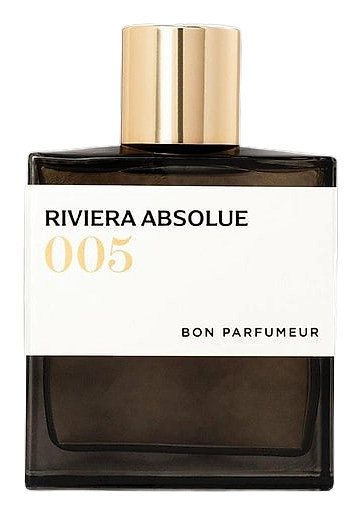
Brands
Brands known for Ivory Coast Ginger
Good to know
Questions, answered
The essentials on Ivory Coast Ginger in perfumery: how it smells, where it comes from, and how it behaves on skin.
What does Ivory Coast Ginger smell like?
Ivory Coast Ginger offers an exceptionally fresh and vibrant aroma with warm spicy heat, bright lemony facets, and subtle peppery depth. Its low-pressure CO2 extraction preserves pungent top notes that feel clean and immediate on the skin.
How is Ivory Coast Ginger extracted?
Supercritical CO2 extraction at low pressure captures the most aromatic volatiles from fresh rhizomes. This method preserves a broader range of heat-labile compounds compared to steam distillation, resulting in a more faithful representation of the fresh root.
Why is Côte d'Ivoire known for ginger production?
Côte d'Ivoire's tropical coastal climate and humid conditions produce ginger rhizomes with high aromatic intensity. The region has become one of West Africa's leading ginger exporters, with cultivation supported by centuries of agricultural tradition.
What parts of the ginger plant are used in perfumery?
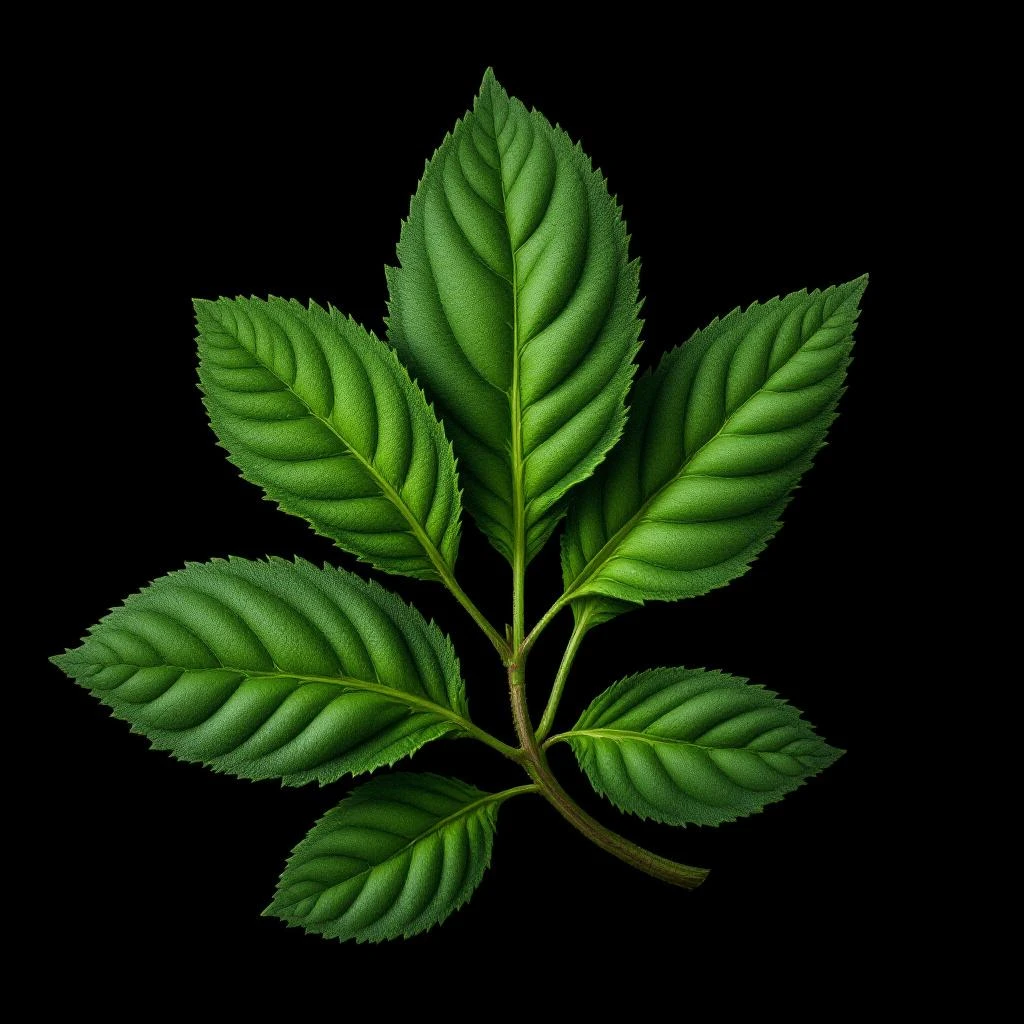
Perfumers use the rhizomes, the fleshy underground stems of the Zingiber officinale plant. Both fresh and dried rhizomes can be processed, though fresh material processed via CO2 extraction retains the most vibrant aromatic profile.
How long has ginger been used in fragrance?
Ginger's use in perfumery traces to the 19th-century revival of natural ingredients, though the rhizome itself has been traded and used for over 3000 years. Its warm, spicy character made it a natural addition to perfumery's palette of botanicals.
What fragrance families pair well with Ivory Coast Ginger?
Ivory Coast Ginger works well in oriental, fresh, and spicy fragrance compositions. It bridges citrus and wood notes, adding lift and warmth to colognes, Eaux de Parfum, and spicy perfumes alike.
Is Ivory Coast Ginger a natural or synthetic ingredient?
Ivory Coast Ginger is a fully natural ingredient. The CO2 extract comes directly from fresh rhizomes grown in Côte d'Ivoire, without synthetic replication of its complex aromatic profile.
What distinguishes Ivory Coast ginger from other origins?
Low-pressure CO2 extraction concentrates the most aromatic volatiles and freshly pungent top notes that Ivory Coast ginger is known for. This origin produces a brighter, cleaner spiciness compared to ginger from other regions.