Israeli Myrrh
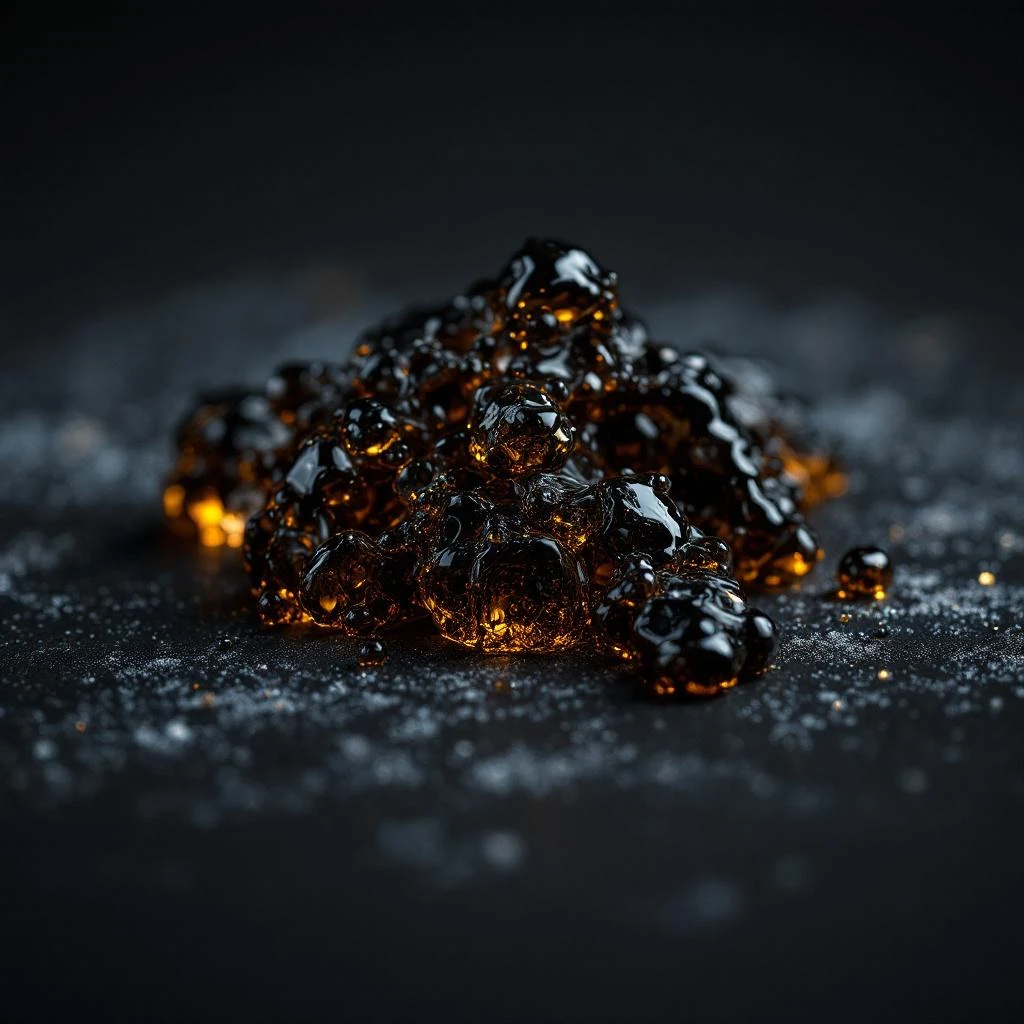
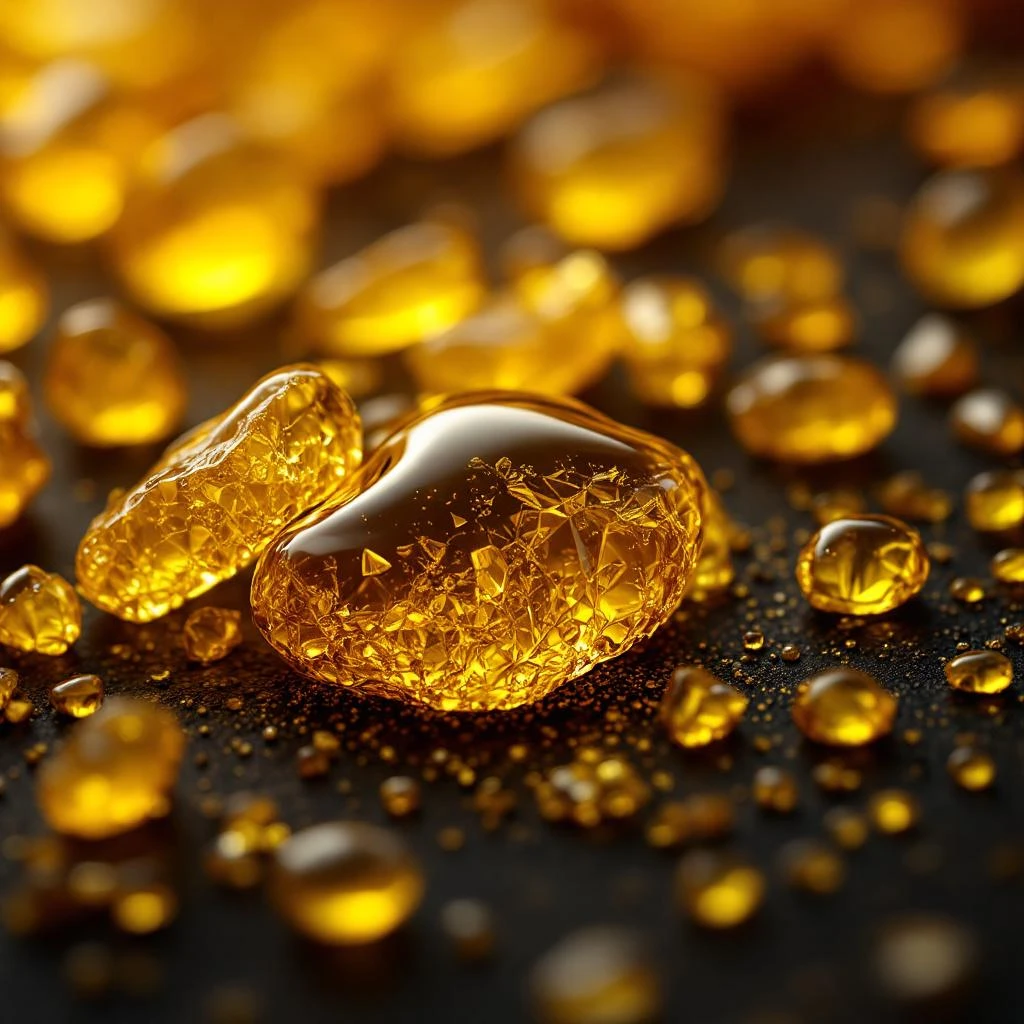
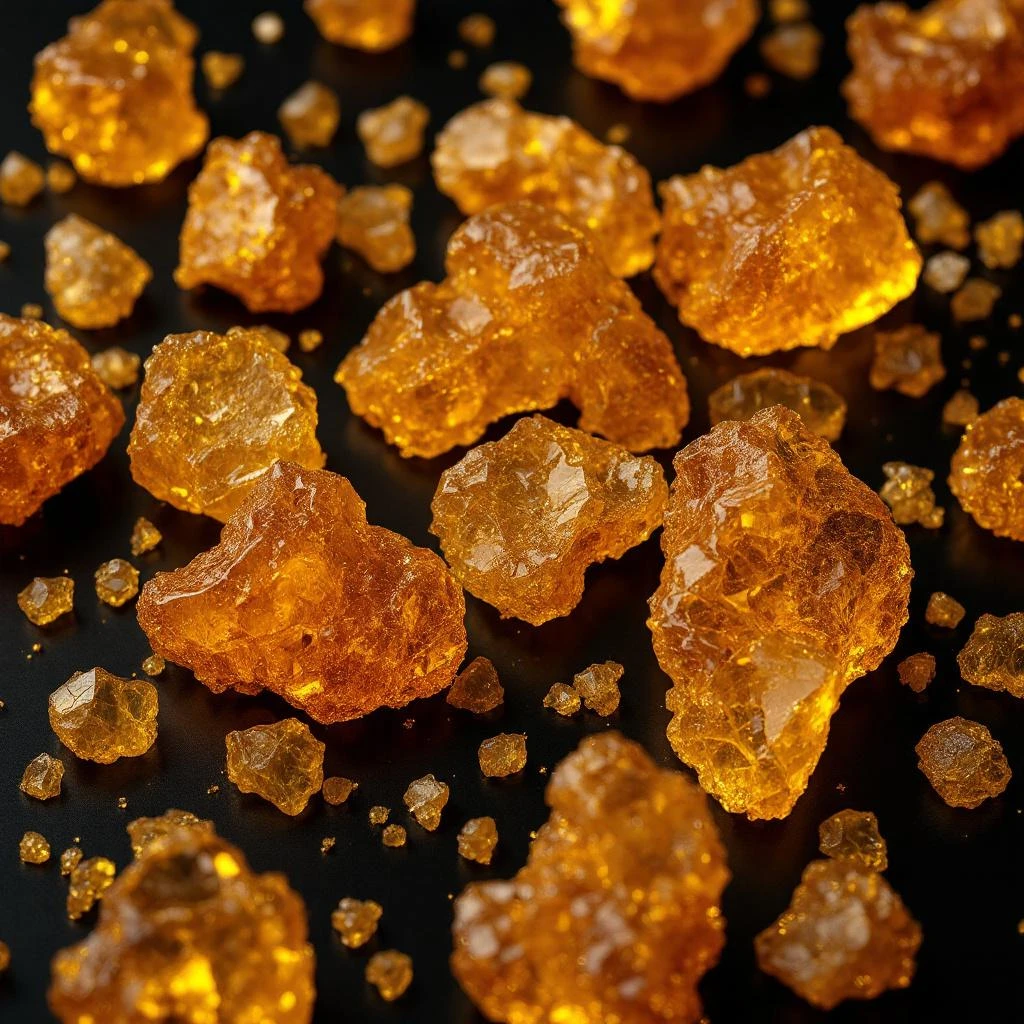
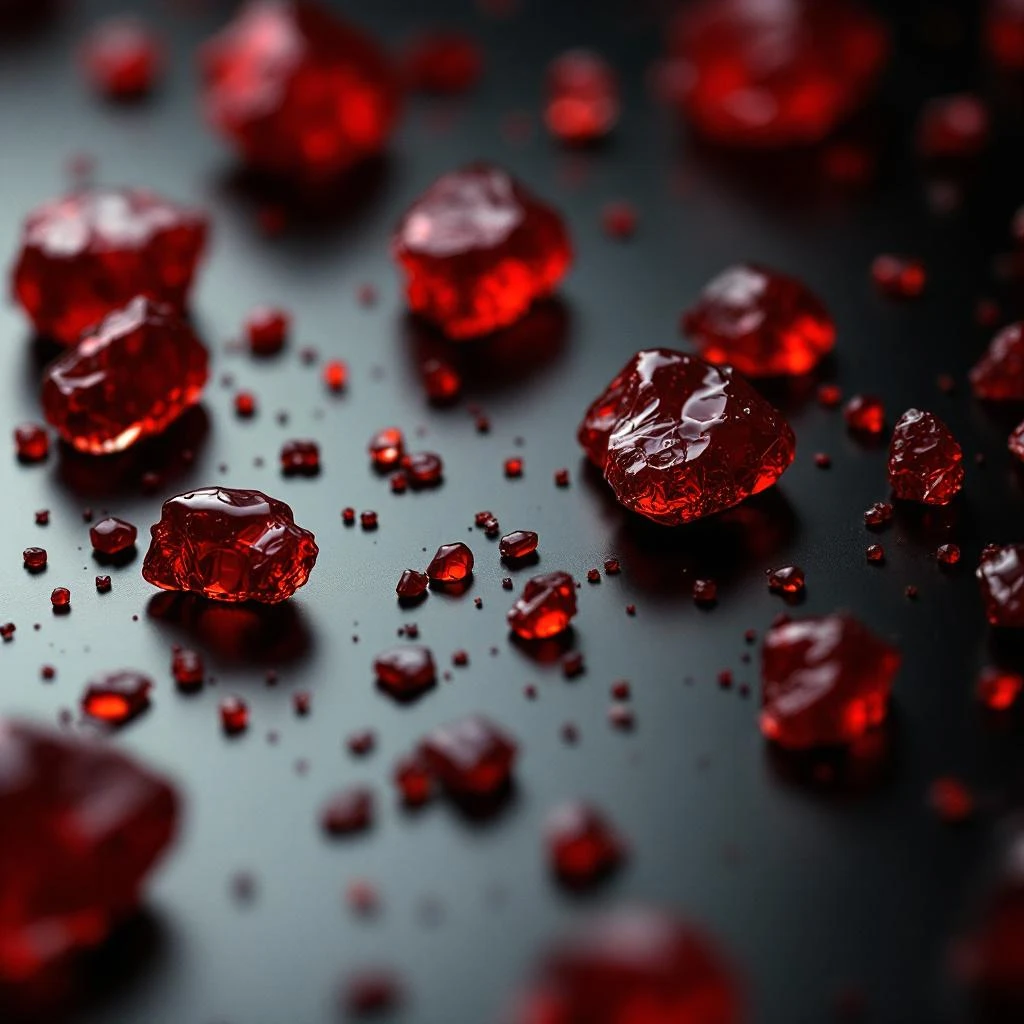
Israeli Myrrh is a resinous aromatic note harvested from Commiphora species native to the Levant. It carries a warm, balsamic character with subtle smoky undertones, bridging ancient ritual traditions with modern perfumery.
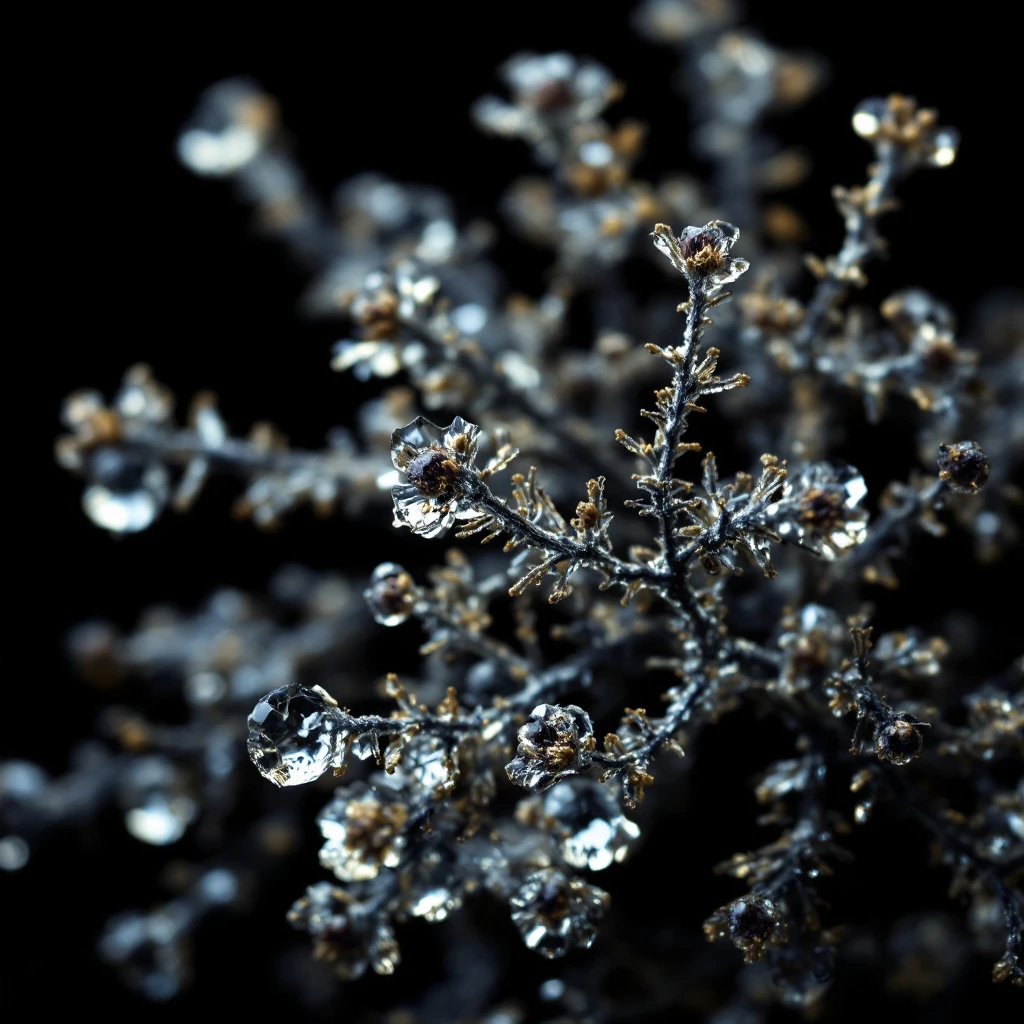
Character
How it smells
Ancient resin from the Holy Land's wild trees
Myrrh was a primary component of kyphi, the sacred temple incense ancient Egyptian priests burned at dusk in Karnak and Luxor.

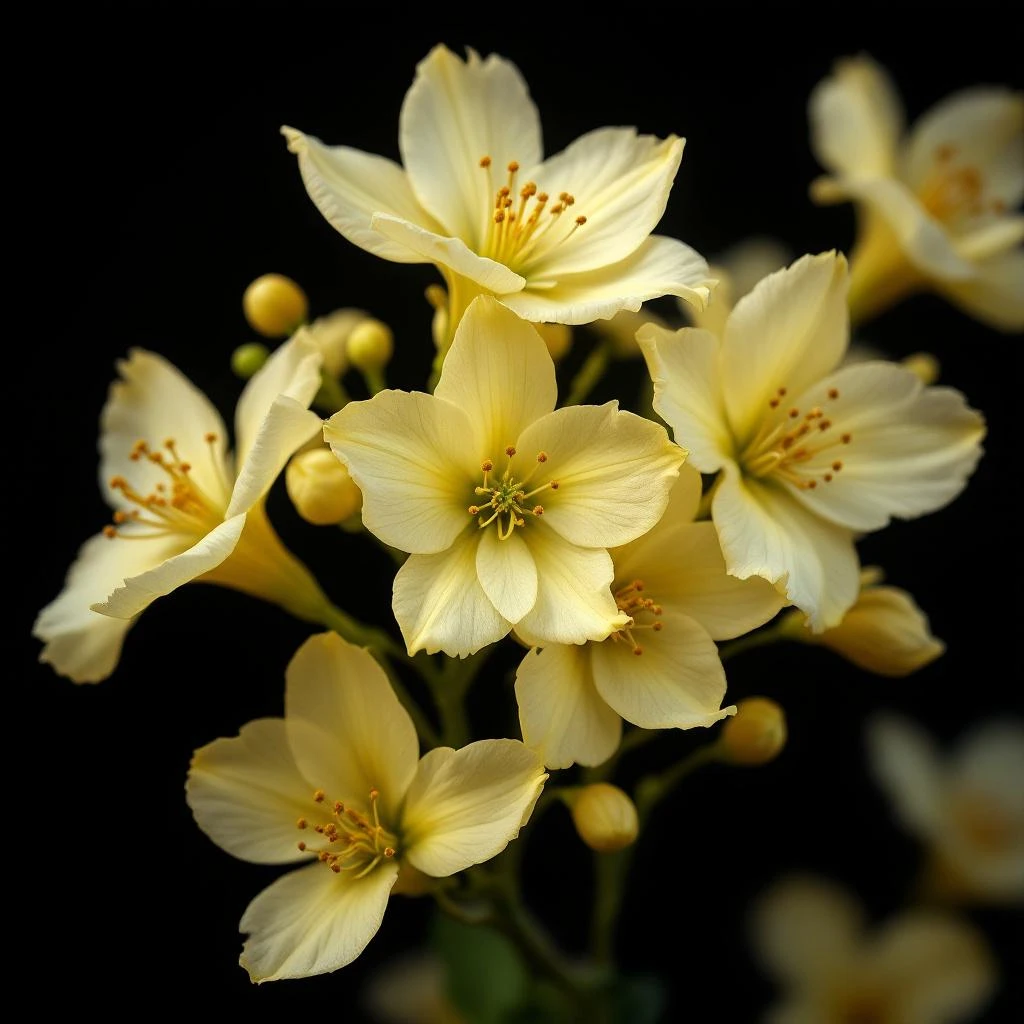
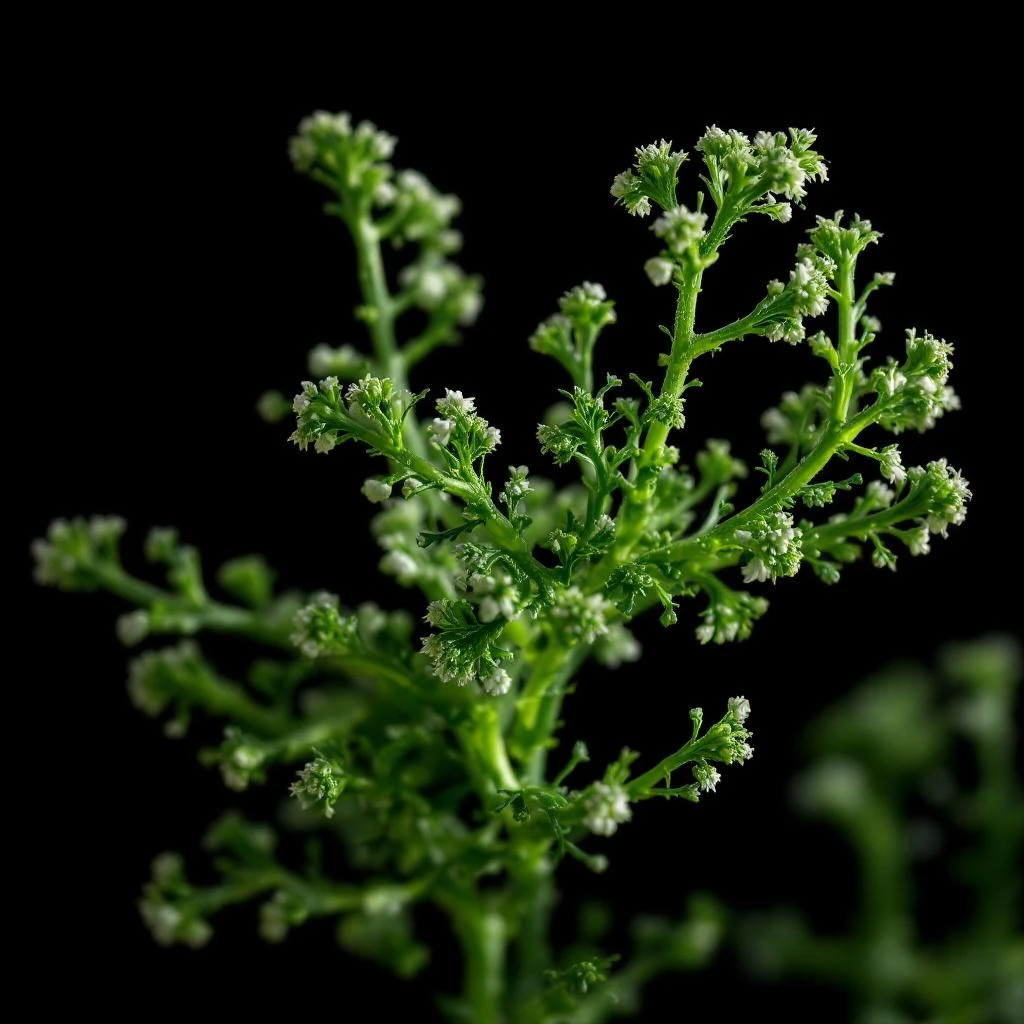


Origin
Israel
Myrrh carries one of the longest documented histories of any perfumery material. Ancient Egyptian temple records describe its inclusion in kyphi, a complex incense burned during nightly rituals.
The Hebrew Bible references myrrh multiple times as a sacred anointing substance, and the Talmud discusses its importation and medicinal applications in ancient Judea. During the Second Temple period, myrrh-based perfumes were among the luxury goods traded through the incense route connecting Arabia, Gaza, and the Mediterranean.
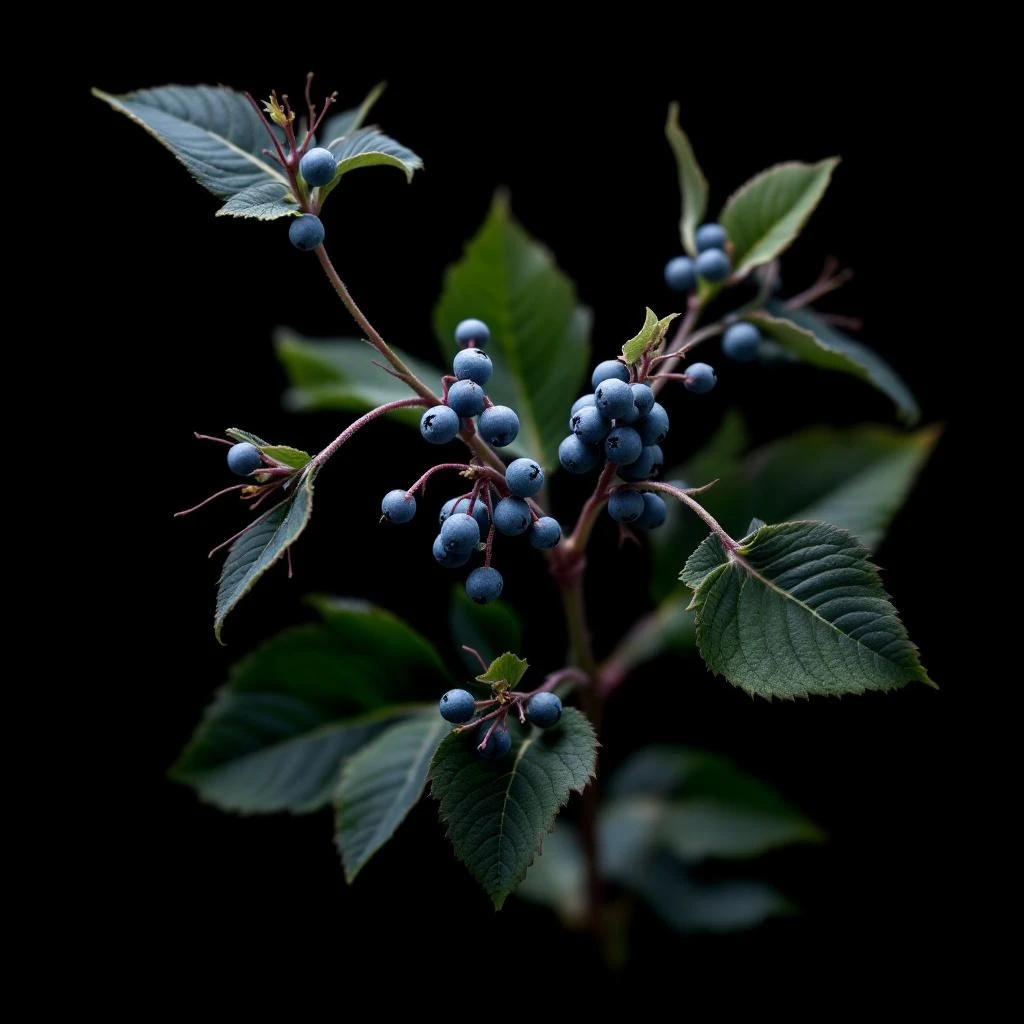
Commiphora gileadensis, the species native to the Levant, was historically so valued that its resin appears in early botanical texts describing the region. Its modern resurgence in niche perfumery reflects renewed interest in terroir-driven ingredients with verifiable geographic lineage.
Wears it best
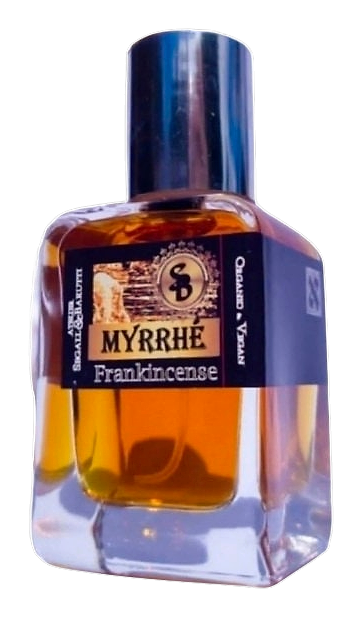
Fragrances featuring Israeli Myrrh
Brands
Brands known for Israeli Myrrh
Good to know
Questions, answered
The essentials on Israeli Myrrh in perfumery: how it smells, where it comes from, and how it behaves on skin.
What does Israeli Myrrh smell like?
Israeli Myrrh carries a warm, balsamic profile with smoky and slightly bitter resinous qualities. It tends to read drier and more austere than Somali myrrh, reflecting the arid desert conditions where Commiphora gileadensis grows.
How is Israeli Myrrh different from African myrrh?
The key distinction is species and terroir. Israeli myrrh comes from Commiphora gileadensis native to the Levant, producing a lighter, more delicate resin. African myrrh typically derives from Commiphora myrrha in Somalia and Ethiopia, yielding a denser, more intensely bitter aroma.
Where does Israeli Myrrh come from?
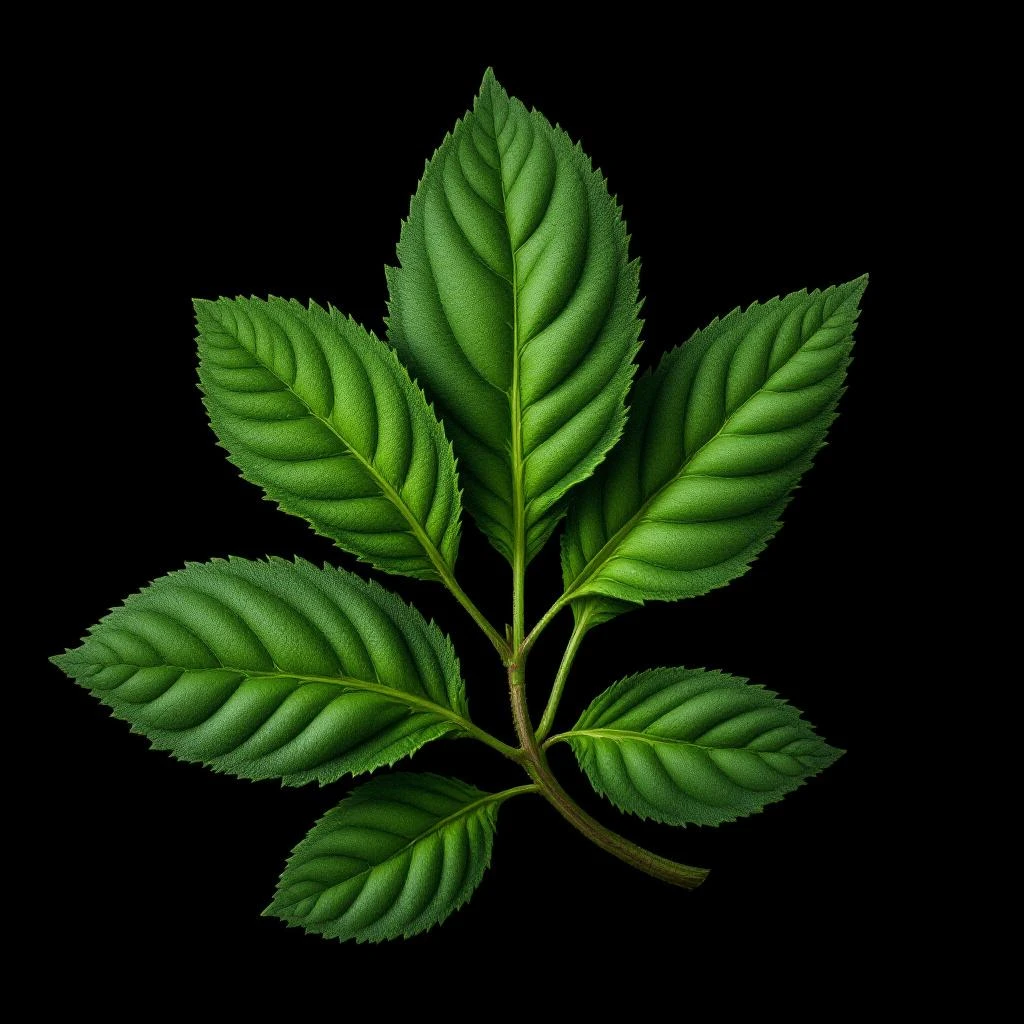
Israeli Myrrh is harvested from wild Commiphora trees in the Galilee, Judean Desert, and Jordan Valley. These thorny trees thrive in rocky, arid terrain across northern and eastern Israel, where mature specimens have been tapped for centuries.
Is Israeli Myrrh sustainably sourced?
Yes. Production relies on wild harvesting from native populations rather than plantation cultivation. Harvesters score bark by hand, collect exuded tears days later, and leave trees to regenerate, keeping pressure on wild stocks minimal.
Is myrrh mentioned in the Bible?
Myrrh appears repeatedly in biblical texts as an anointing oil, temple incense, and burial preparation. The Gospel accounts describe gifts of myrrh offered to newborn Jesus, cementing its enduring association with sacred ceremony.
What is the difference between myrrh oil and myrrh resin?
Myrrh resin is the raw dried gum harvested directly from the tree. Myrrh oil is produced by steam distilling that resin, concentrating its volatile aromatic compounds into a pale yellow liquid used in perfumery.
Why has Israeli Myrrh regained popularity in perfumery?
Growing demand for terroir-specific ingredients has drawn attention to Commiphora gileadensis. Its documented Levantine history and distinctive drier aromatic profile offer perfumers a verifiable alternative to common African sources.
Is Israeli Myrrh safe for skin application?
When properly diluted in a carrier oil or finished fragrance formulation, myrrh essential oil is generally considered safe for topical use. Concentrated undiluted oil may cause sensitivity in some individuals and should be patch tested first.