Israeli Blood Orange
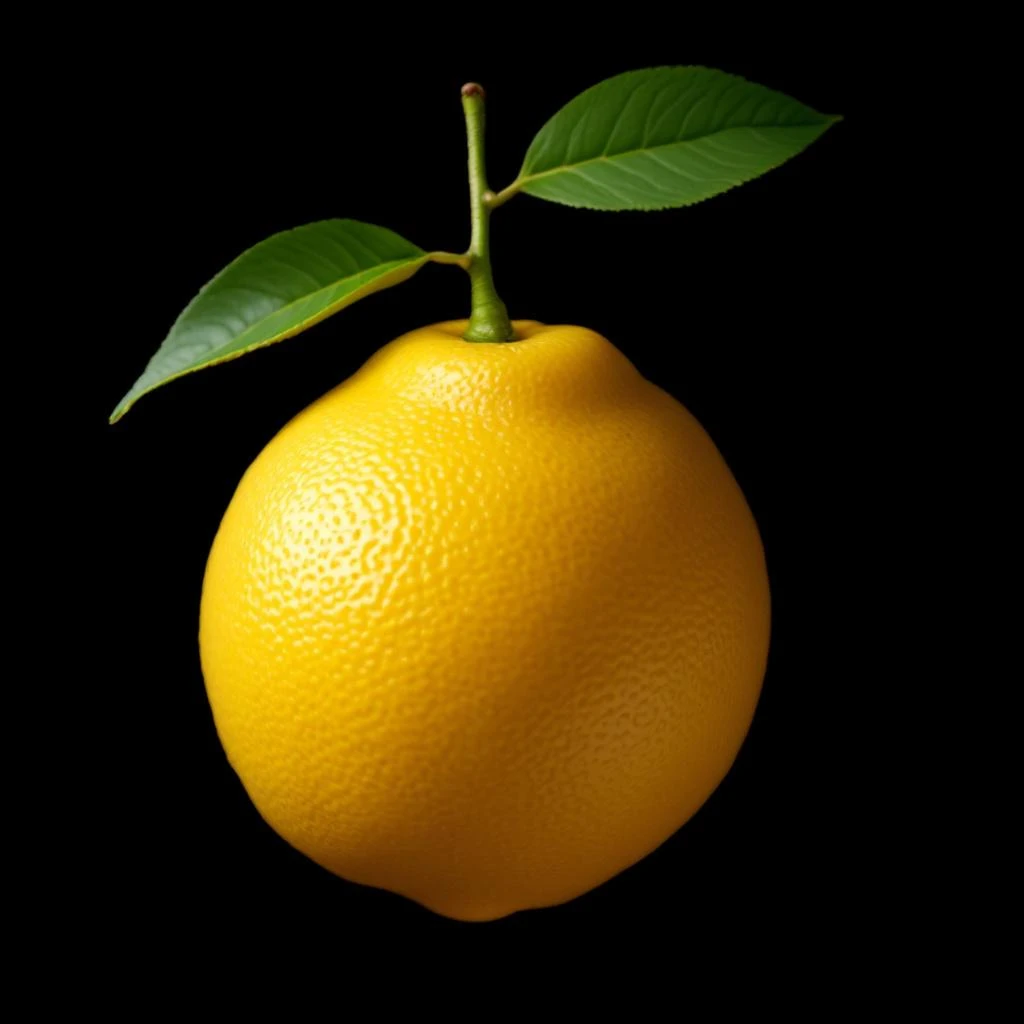
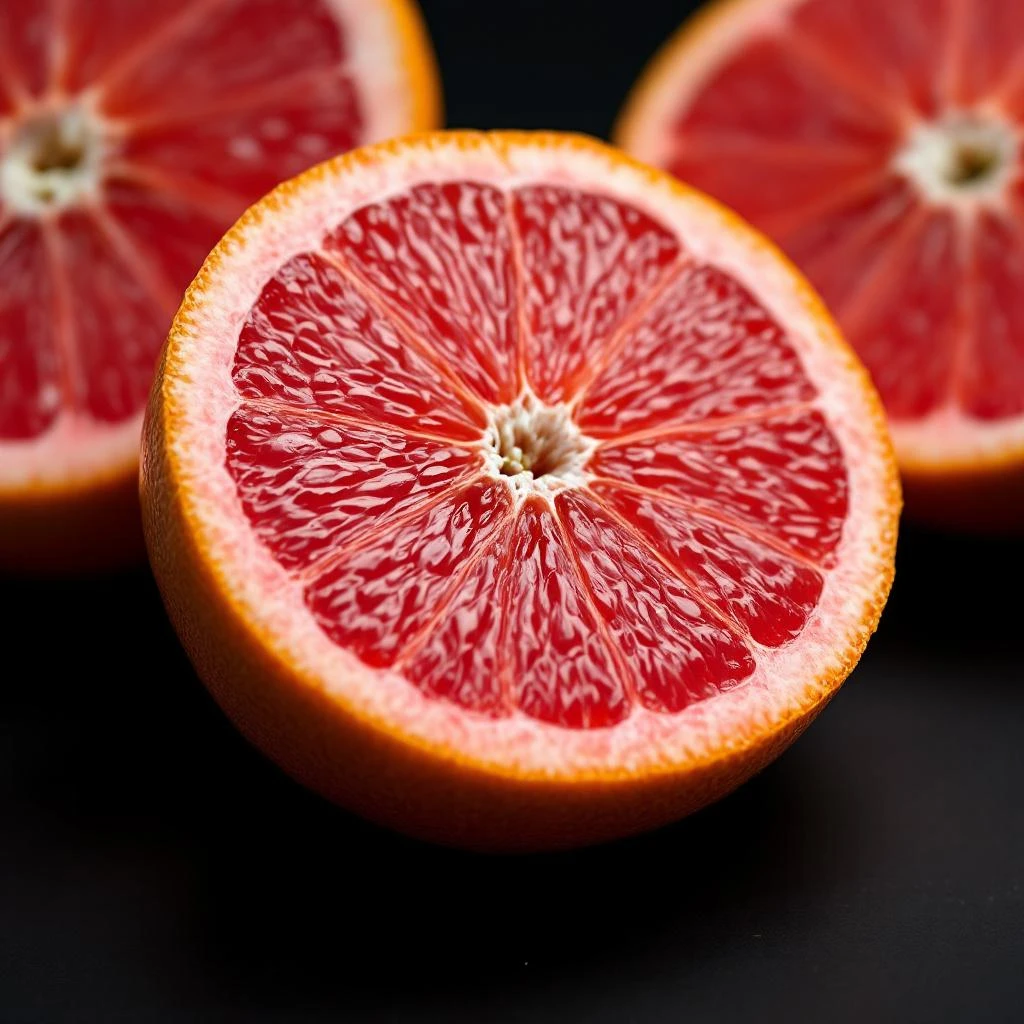
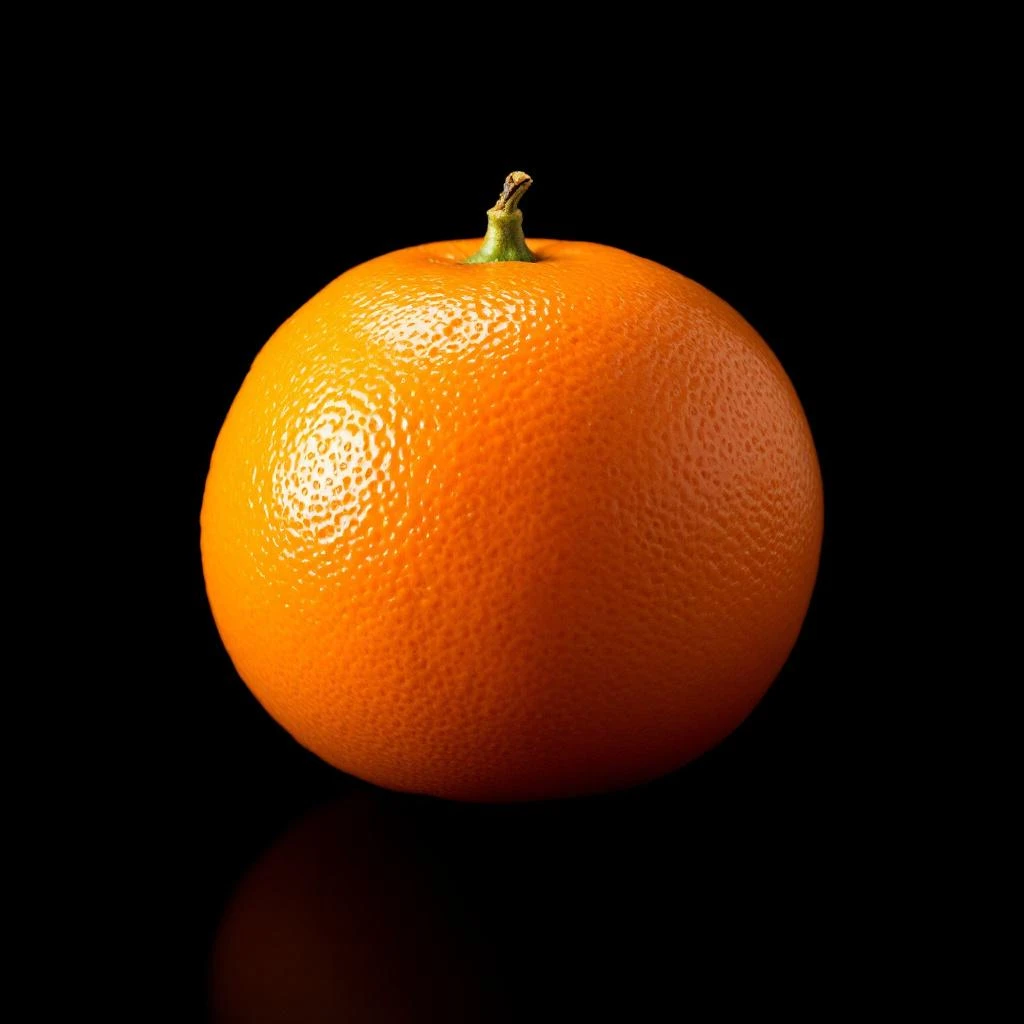
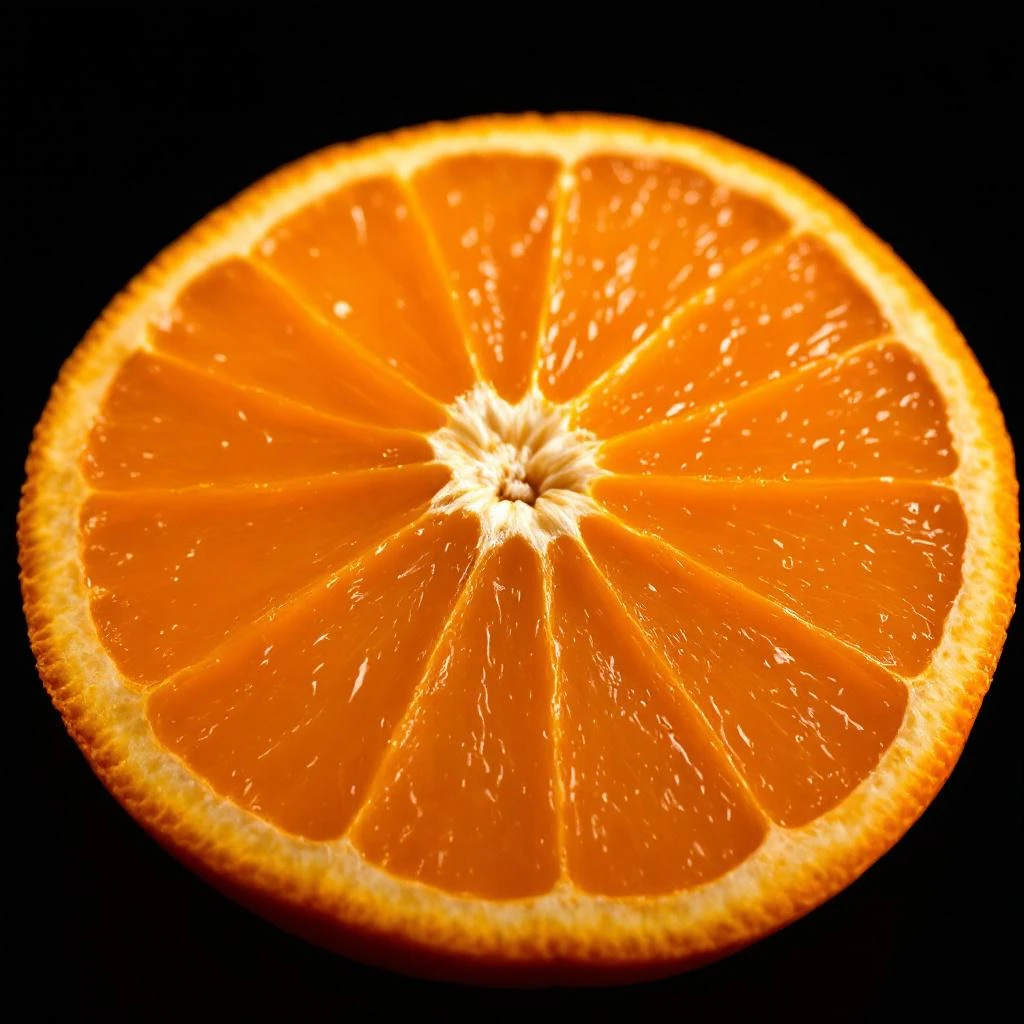
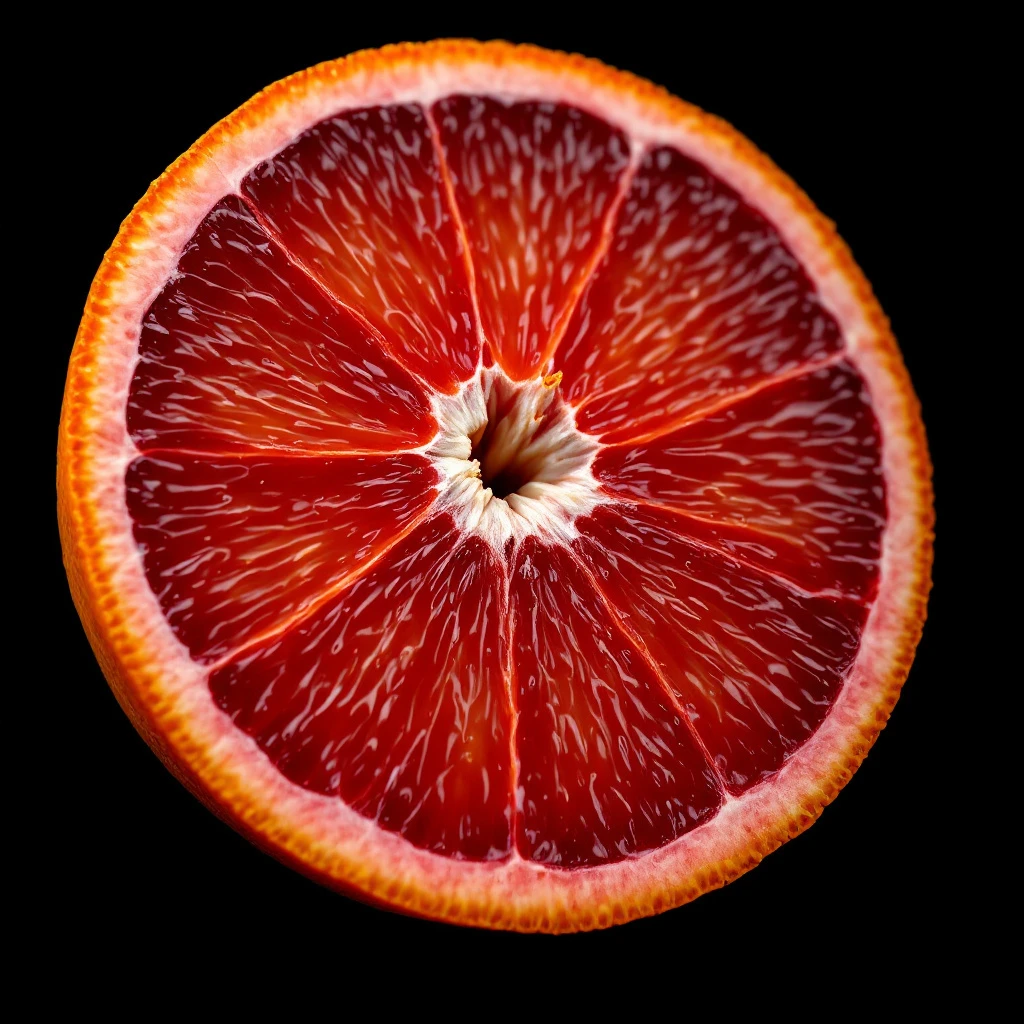
Israeli blood orange brings a sun-warmed citrus brightness to perfumery, its ruby-tinged peel yielding an essential oil sharper and sweeter than its common cousin. Grown in the Mediterranean basin's mineral-rich soils, it captures both zest and faint berry undertones.
Character
How it smells
Ruby citrus with Mediterranean fire
The deep red pigment anthocyanin, rare in citrus, develops in blood oranges only when cool desert nights follow warm Israeli days, a pigment absent in standard oranges entirely.


Origin
Israel
Blood oranges reached the Mediterranean centuries ago, likely through trade routes connecting Sicily and North Africa, though the pigmented mutation originated in the citrus belt of southern China. Israeli cultivation began in the mid-twentieth century, when agricultural planners identified the coastal and inland valleys as ideal for citrus production. Kibbutz-founded orchards became central to the industry, with cooperatives refining both juice and essential oil streams.
The Israeli fragrance sector, noted for producing key aroma chemicals and natural isolates, found in blood orange a signature ingredient that differentiated regional output from Italian and Spanish producers. The country's perfume ingredient industry expanded notably after the 1980s, driven by companies specializing in citrus oils and specialty extracts. Archaeologists have uncovered evidence of citrus-adjacent perfumery in the broader Eastern Mediterranean dating back millennia, including a 4,000-year-old factory in Cyprus.
Today, Israeli blood orange appears in both niche and commercial fragrance compositions, prized for its concentrated aroma and the visual drama of its peel.
Wears it best
Fragrances featuring Israeli Blood Orange
Brands
Brands known for Israeli Blood Orange
Good to know
Questions, answered
The essentials on Israeli Blood Orange in perfumery: how it smells, where it comes from, and how it behaves on skin.
What does Israeli blood orange smell like in perfume?
Israeli blood orange essential oil offers a bright, juicy citrus character with sharper zest than sweet orange and a subtle berry-like undertone. The ruby pigment in the peel corresponds to slightly sweeter, more complex aromatic compounds compared to standard varieties.
How is Israeli blood orange essential oil extracted?
Producers extract the oil by cold pressing the fruit peel, mechanically rupturing the oil vesicles in the rind. Centrifugal force then separates the essential oil from water and pulp fragments, preserving the volatile top notes without heat damage.
What is the difference between blood orange and regular orange in perfumery?
Blood orange oil contains a marginally sweeter, more rounded citrus profile with faint raspberry notes. The anthocyanin-rich cultivars, Tarocco, Sanguinello, and Moro, yield oils with slightly higher aldehyde content than common sweet orange.
Which blood orange cultivar is most common in Israeli production?
The Tarocco cultivar dominates Israeli cultivation, prized for its balanced acidity and deep red flesh. Sanguinello and Moro varieties appear in smaller volumes, typically used for specialized juice and extract applications.
Why is Israel known for blood orange cultivation?
Israel's Mediterranean climate delivers warm days and cool nights, conditions that trigger anthocyanin development in blood orange peel. The Sharon plain and Upper Galilee regions produce fruit with deeper pigmentation and concentrated sugar levels.
Is Israeli blood orange oil used in fine fragrance or only commercial scents?
Israeli blood orange oil appears in both fine and commercial perfumery. Niche houses value its distinct aromatic profile, while larger manufacturers use it as a top-note component in eau de toilette and cologne formulations.
Can blood orange oil be confused with neroli or petitgrain?
Yes, blood orange oil belongs to the broader bitter and sweet orange family alongside neroli (from blossoms) and petitgrain (from leaves and twigs). Blood orange is pressed from the fruit peel and carries a distinctly juicier, zestier character.
Does Israeli blood orange oil have any sustainability considerations?
Cold pressing blood orange peel generates minimal waste, as the remaining fruit enters juice production streams. Israeli producers increasingly adopt water recycling and integrated pest management to address the arid growing region's resource constraints.