Isobutyl Quinoline
Isobutyl Quinoline is a potent synthetic base note celebrated for its rich, leathery character and animalic warmth. This fragrance cornerstone brings depth and sophistication to chypre, leather, and masculine accord formulations, making it essential in sophisticated perfume compositions.

Character
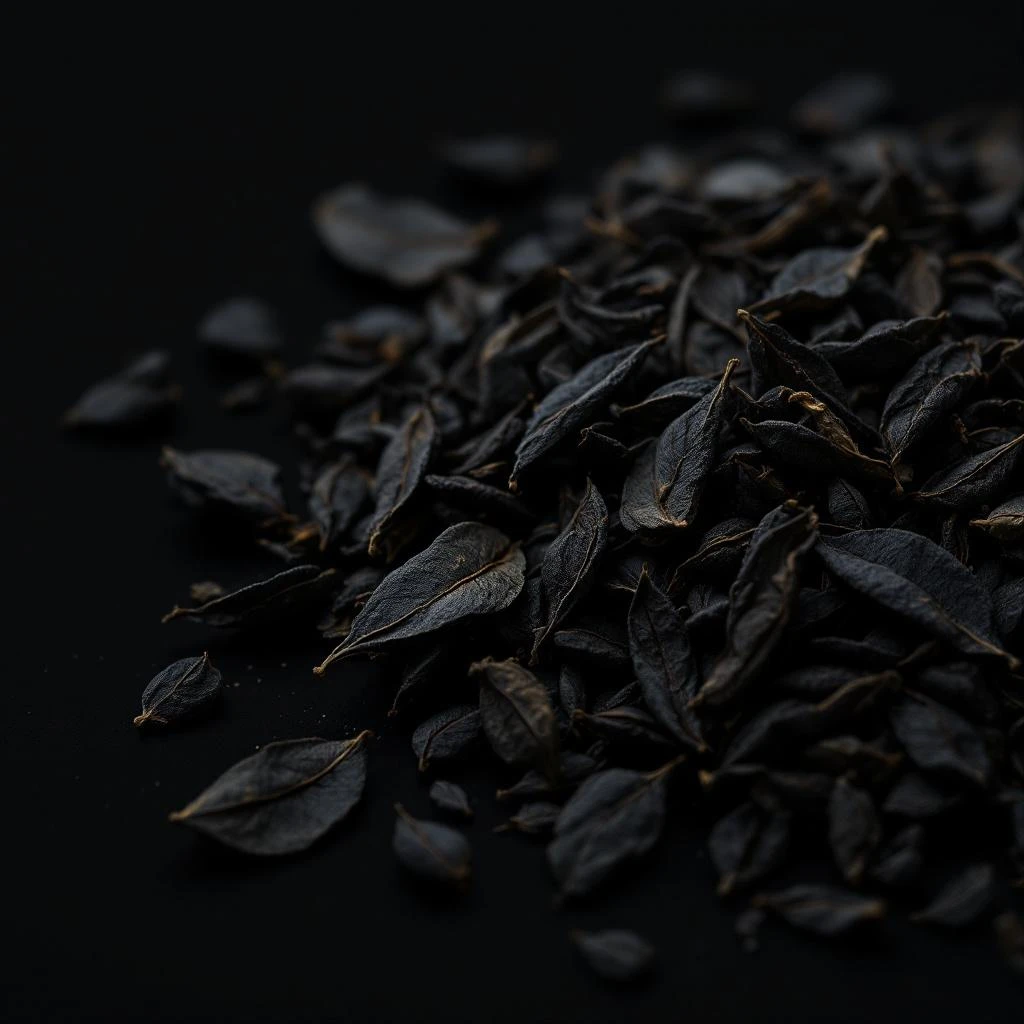
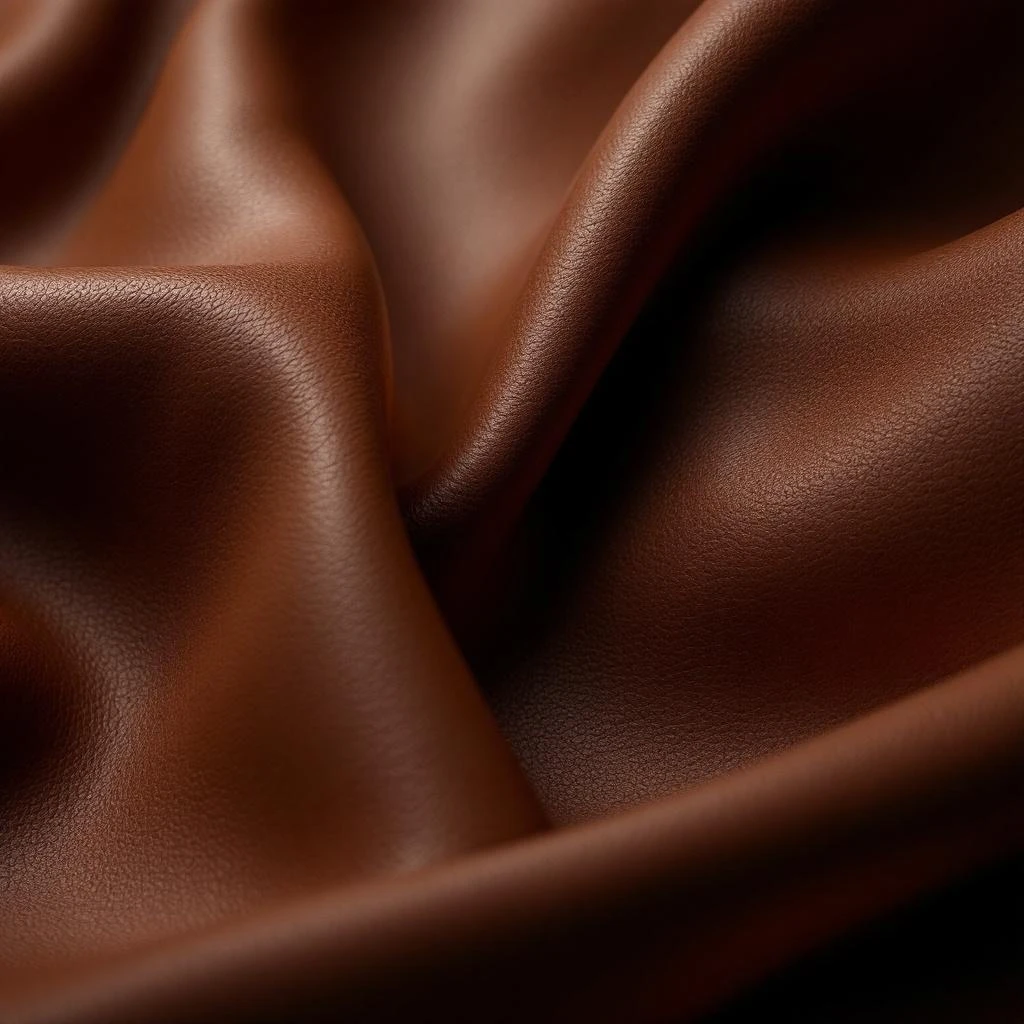
How it smells
A leathery cornerstone that anchors bold fragrance compositions.
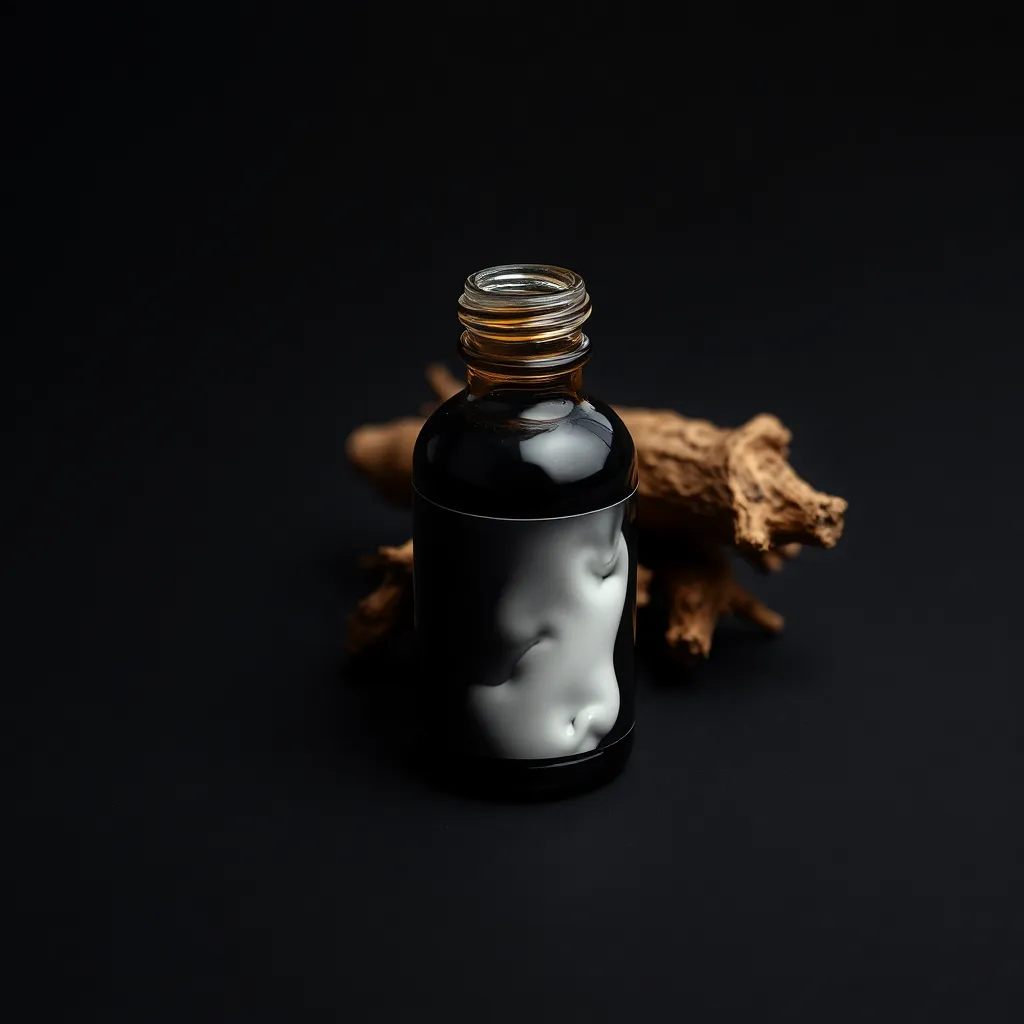
De Laire's discovery of Isobutyl Quinoline directly inspired the creation of the legendary Mousse de Saxe base, revolutionizing leather perfume compositions in the mid-20th century.





Origin
Germany
The discovery of Isobutyl Quinoline represents a watershed moment in modern perfumery chemistry, particularly within the domain of leather and chypre accords. Fragrance chemists at the De Laire company, operating in France, identified this synthetic quinoline derivative and recognized its extraordinary potential for creating deep, complex leather characters previously achievable only through natural materials like birch tar or cade oil. The revelation that this single molecule could serve as the foundation for the celebrated Mousse de Saxe base demonstrated how synthetic chemistry could replicate and even surpass natural olfactory effects.
This breakthrough paved the way for countless leather-themed compositions throughout the late 20th century, from classic masculine fragrances to contemporary gender-neutral creations. Today, Isobutyl Quinoline remains a treasured tool in the perfumer's palette, embodying the discipline's ongoing dialogue between science and sensory artistry.
Wears it best
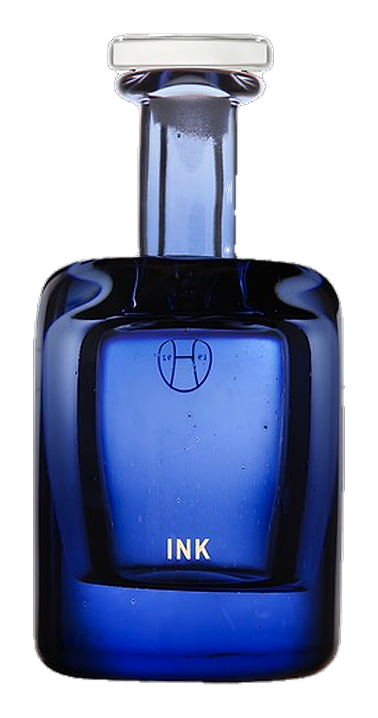
Fragrances featuring Isobutyl Quinoline
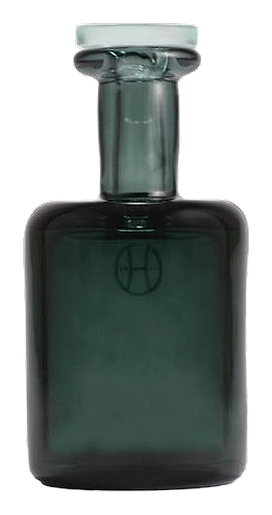

Brands
Brands known for Isobutyl Quinoline
Good to know
Questions, answered
The essentials on Isobutyl Quinoline in perfumery: how it smells, where it comes from, and how it behaves on skin.
What does Isobutyl Quinoline smell like in perfume?
Isobutyl Quinoline delivers a distinct leathery character with warm, animalic undertones and subtle earthy depth. Perfumers often describe its scent profile as reminiscent of classic leather goods, with a rich, almost smoky quality that adds sophistication when used at typical concentrations of 0.1 to 2% in fragrance bases.
Why is Isobutyl Quinoline used in perfumery?
This ingredient serves as a powerful base note fixative that provides long-lasting leather character to fragrance compositions. Its high substantivity means it remains detectable on skin for 12+ hours, making it invaluable for creating fragrances with exceptional staying power and depth in chypre and leather accord formulas.
Is Isobutyl Quinoline in perfume natural or synthetic?
Isobutyl Quinoline is entirely synthetic, produced through controlled organic chemical synthesis in industrial fragrance chemistry facilities. The quinoline framework with its isobutyl substituent is constructed from petroleum-derived precursors, bypassing any need for natural extraction methods.
What famous perfumes contain Isobutyl Quinoline?
While specific formulas remain proprietary, Isobutyl Quinoline appears in numerous classic leather and chypre fragrances across the industry. Its presence is particularly notable in masculine perfumery from houses that favor rich, sophisticated bases, though the exact concentrations and combinations are closely guarded secrets of each fragrance house.
Is Isobutyl Quinoline a top note, heart note, or base note?
Isobutyl Quinoline functions as a base note material due to its low volatility and high molecular weight. This fixative property ensures the leathery character unfolds slowly over time, typically becoming prominent 30 to 60 minutes after application as lighter top notes dissipate.
What notes pair well with Isobutyl Quinoline in perfume?
Classic pairings include labdanum, oakmoss, and cistus for traditional chypre structures, while modern compositions often combine it with patchouli, vetiver, and iso E Super. Blending at approximately 0.5 to 1.5% in the fragrance concentrate creates harmonious balance with floral heart materials like jasmine or rose.
Where does Isobutyl Quinoline come from?
Isobutyl Quinoline originates from industrial fragrance chemistry laboratories, primarily manufactured by major aroma companies like Symrise in Germany. The synthesis process involves multi-step organic reactions combining quinoline base compounds with isobutyl groups under controlled conditions to achieve the precise molecular structure required for perfumery use.
Is Isobutyl Quinoline used in men's or women's fragrances?
While historically more prominent in masculine fragrances, contemporary perfumers increasingly use Isobutyl Quinoline in gender-neutral and women's compositions. Its leather character integrates well with florals like iris and violet, creating sophisticated women's chypres at usage levels of 0.1 to 1% in the concentrate.