Iris Milk
Iris Milk blends powdered orris root with creamy lactonic accords, creating a scent that bridges earthy rhizome and silken dairy. The result feels both ancient and modern, soft yet grounded.
Character
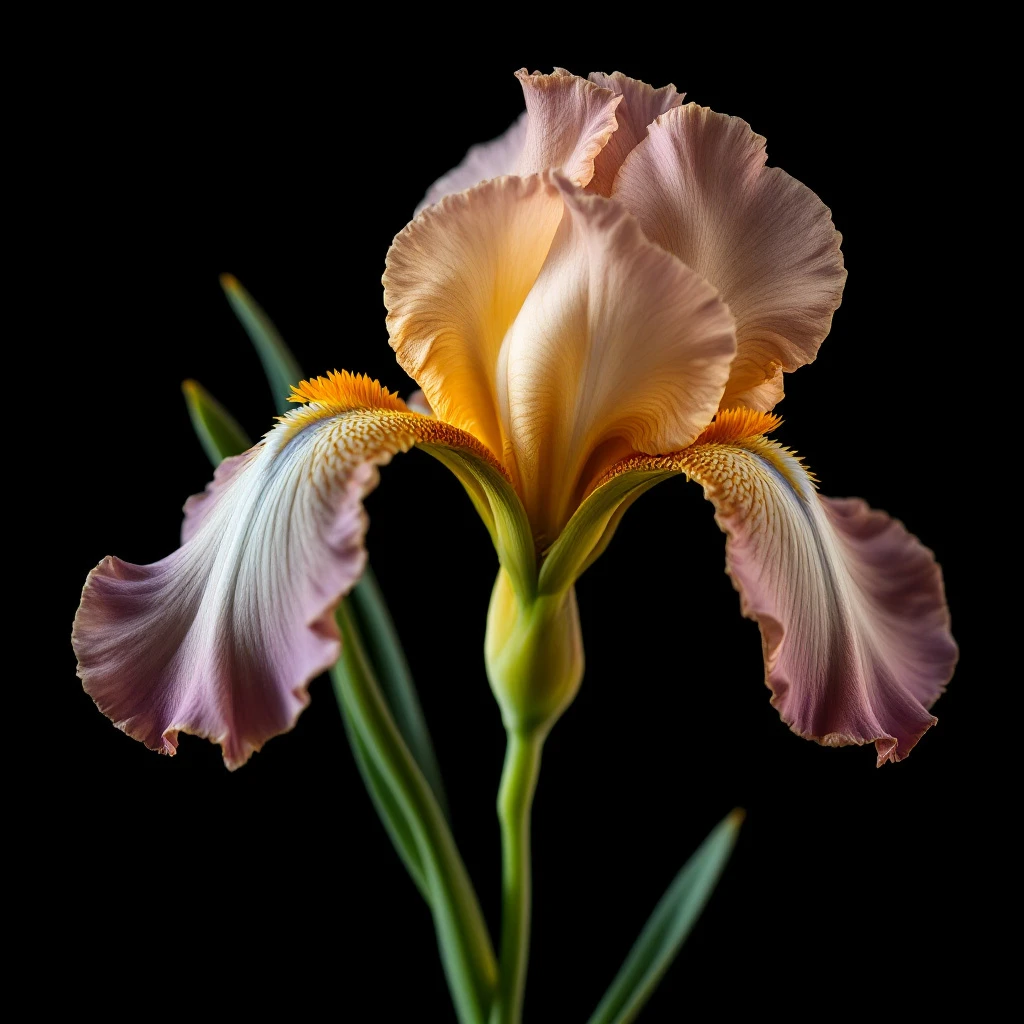
How it smells
Powdered root meets liquid silk
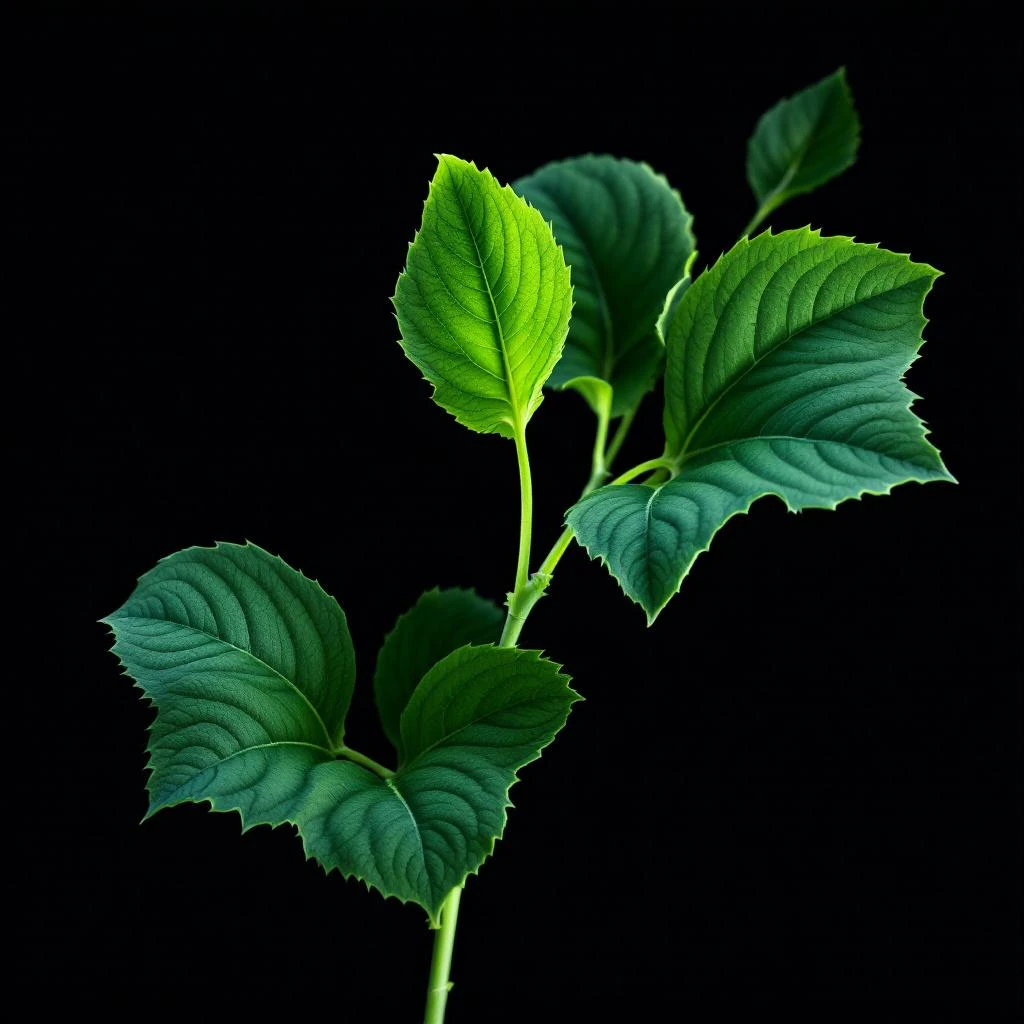
Orris rhizomes must age three to five years after harvest before they develop the violet-like scent prized in perfumery.



Origin
Italy
Iris stands among the oldest documented perfumery ingredients, with roots stretching back over three thousand years to ancient Egypt. Egyptian texts reference Kophia, a sacred unguent blending orris root with frankincense, myrrh, and honey. Archaeologists found iridescent iris residues in cosmetic vessels from the tomb of Pharaoh Hatshepshut's circle, dating to roughly 1500 BCE. Greeks and Romans later valued orris for medicinal and aromatic purposes; Theophrastus described iris unguents in his botanical writings around 300 BCE.
The ingredient's modern perfumery chapter opened in Renaissance Italy, where Tuscan farmers near San Polo di Piave began cultivating Iris pallida commercially. Catherine de Medici reportedly smuggled orris plants to France, planting them in Grasse, the future perfume capital. By the 19th century, French perfumers had mastered steam distillation of aged rhizomes, and iris became a fixture in haute perfumery. Empress Josephine adored iris-scented pomades, cementing its aristocratic associations.
Today, orris remains one of perfumery's most labor-intensive raw materials. Each kilogram of essential oil requires roughly 2,000 kilograms of fresh rhizomes. This scarcity, combined with the multi-year curing cycle, keeps Iris Milk accords confined to niche and luxury houses rather than mass-market fragrances.
Wears it best
Fragrances featuring Iris Milk
Brands
Brands known for Iris Milk
Good to know
Questions, answered
The essentials on Iris Milk in perfumery: how it smells, where it comes from, and how it behaves on skin.
What does Iris Milk smell like?
Iris Milk combines powdery, violet-like orris root with creamy lactonic accords for a scent that smells soft, earthy, and milky. It bridges the gap between dry rhizome and warm skin.
Is Iris Milk a natural ingredient?
Only partially. The iris component derives from steam-distilled orris rhizomes, while the milky quality comes from synthetic lactones or natural sandalwood notes. Pure iris milk does not exist in nature.
Why is iris so expensive in perfumery?
Iris rhizomes require three to five years of curing before distillation. Combined with labor-intensive Tuscan cultivation, this makes orris butter one of perfumery's priciest raw materials.
What is the difference between orris and Iris Milk?
Orris refers strictly to aged iris root distillate. Iris Milk is a modern accord that blends orris with creamy lactones to soften the rhizome's earthy intensity with dairy-like smoothness.
Where is iris primarily cultivated for perfumery?
Iris pallida is grown mainly in Tuscany, Italy, near the village of San Polo di Piave. Smaller cultivation zones exist in Morocco, China, and the Balkans.
How long do iris roots need to age?
Freshly harvested rhizomes must cure for three to five years before distillation. This aging period allows irones to develop, producing the characteristic violet-like scent.
What fragrances use Iris Milk accords?
Many niche houses incorporate iris milk accords into soft, skin-focused compositions. The note appears frequently in gender-neutral and gourmand-leaning iris releases.
Can iris milk be synthesized?
Yes. Synthetic alpha-irone and beta-irone replicate the violet facets of natural orris, while gamma-decalactone provides the creamy dairy impression. These molecules make iris milk accords accessible at lower costs.