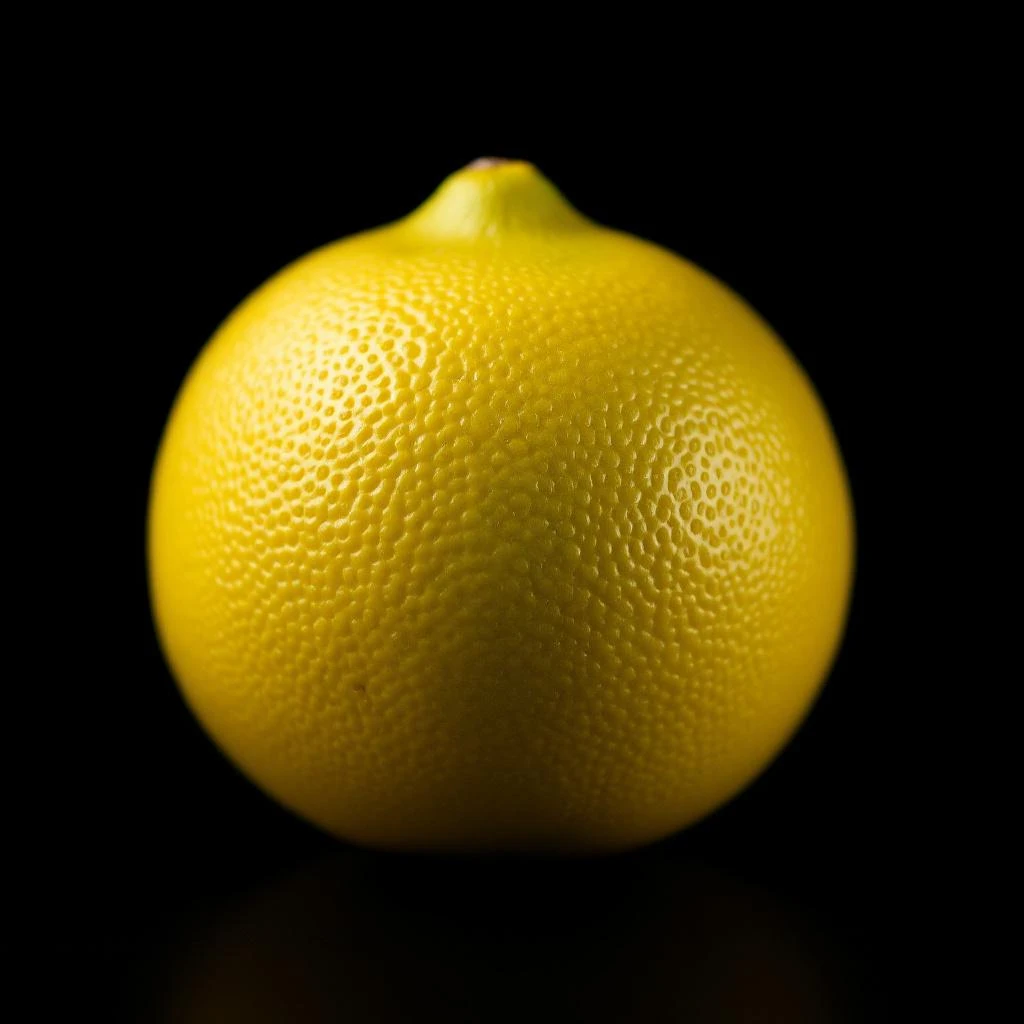
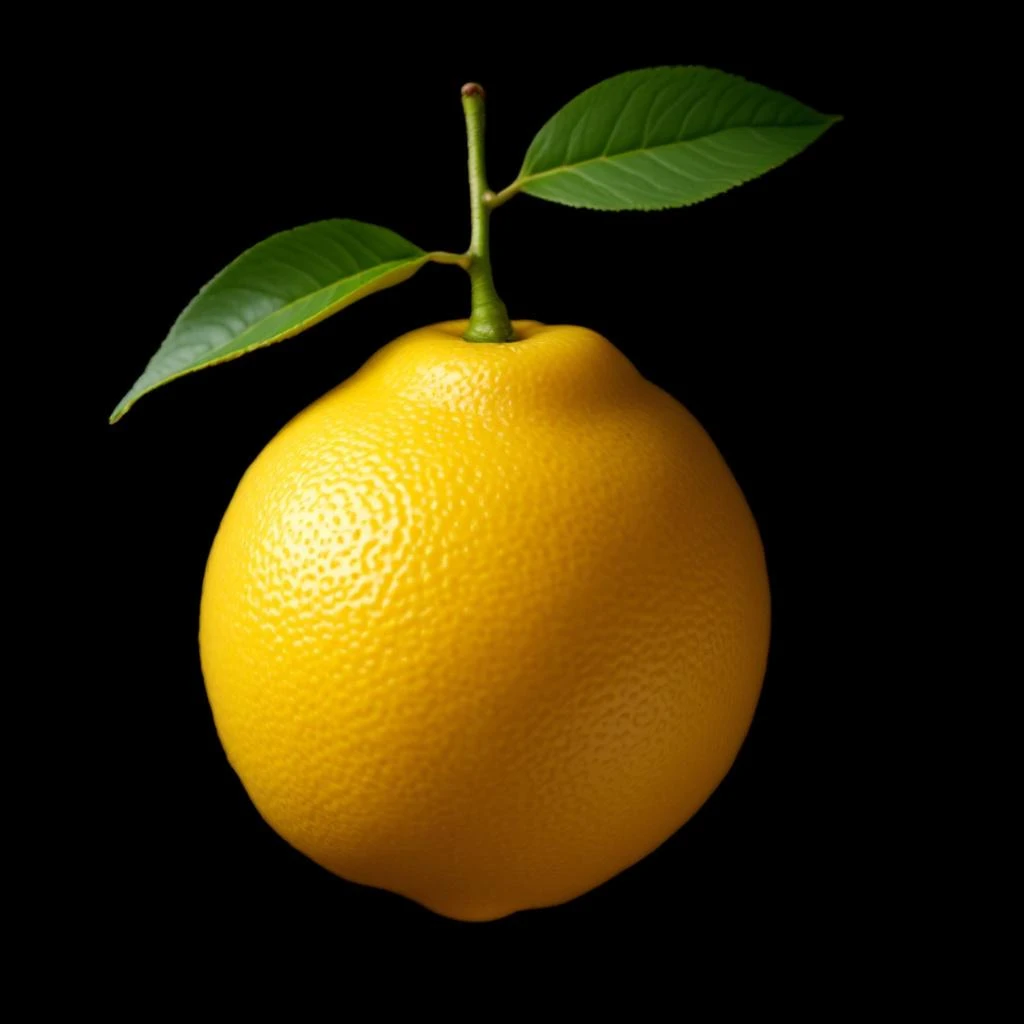
Ichang Lemon
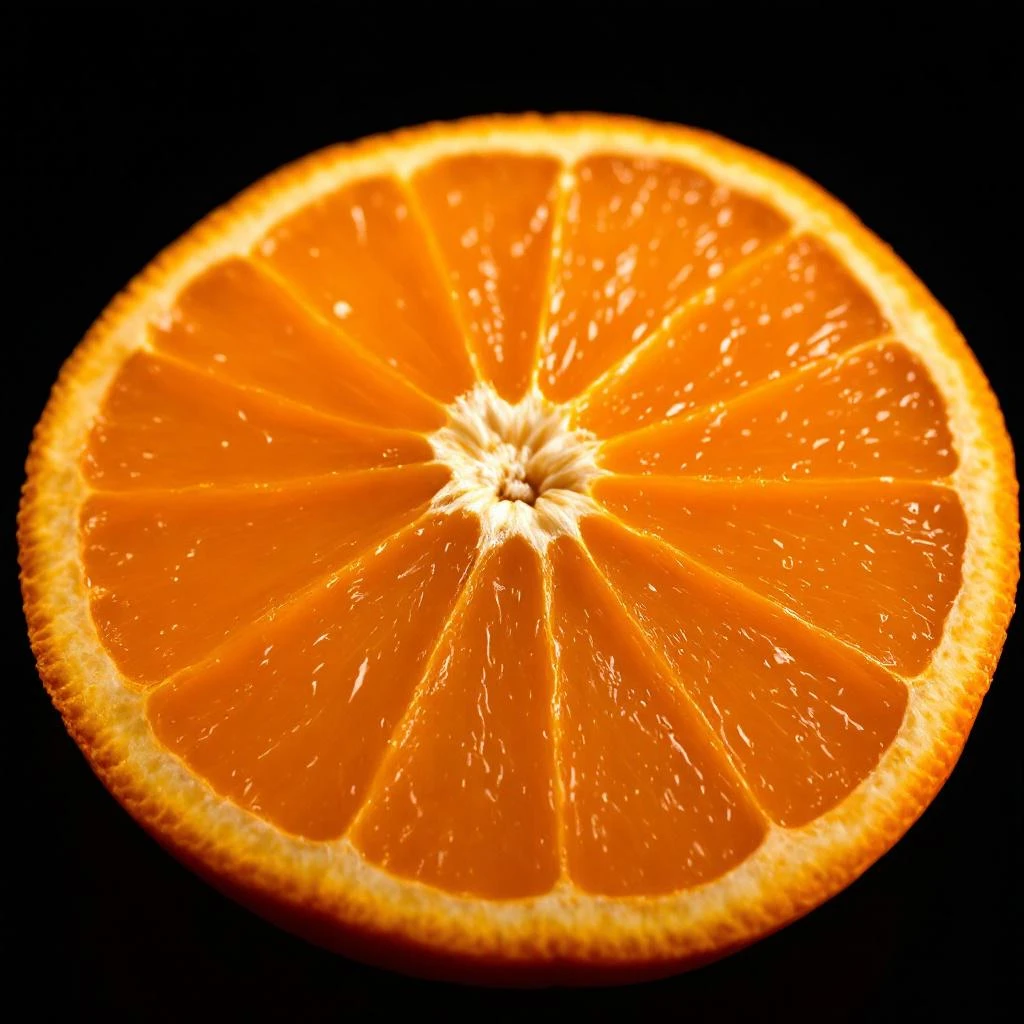
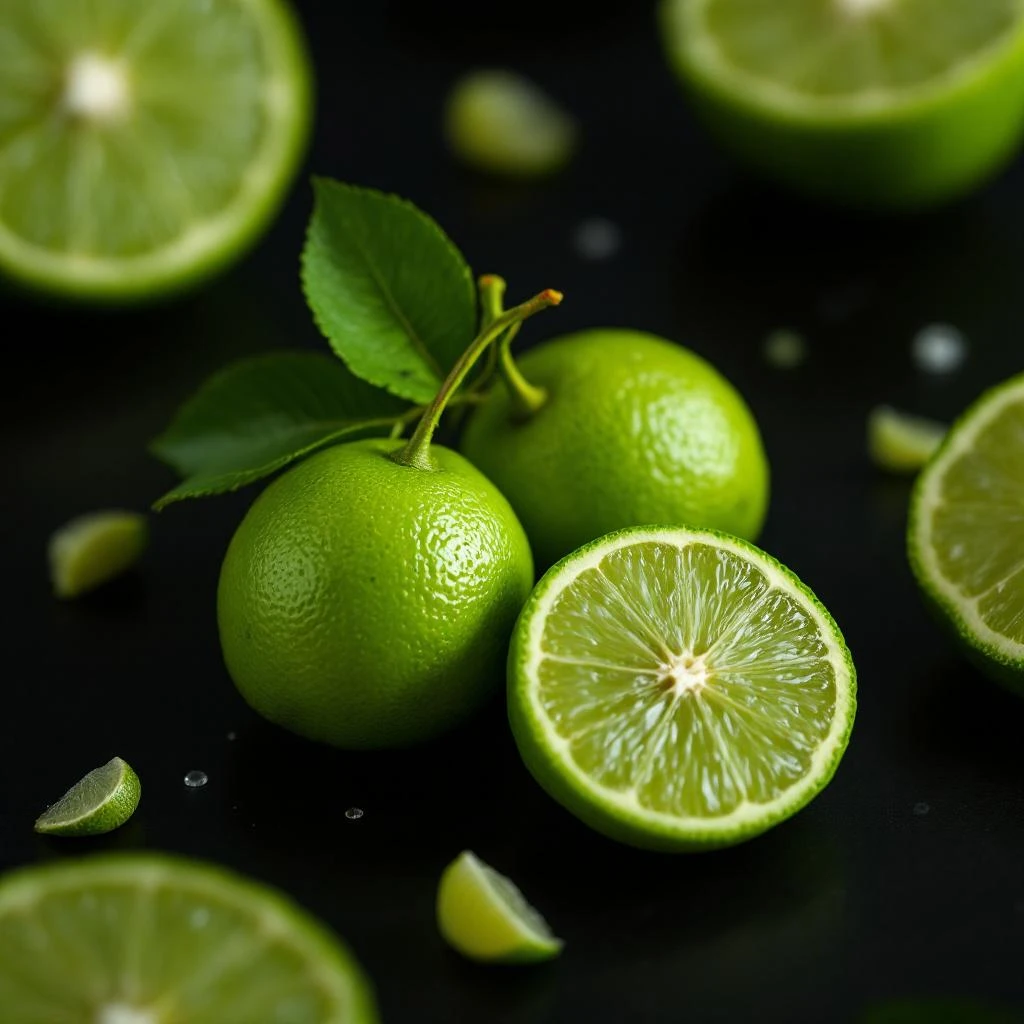
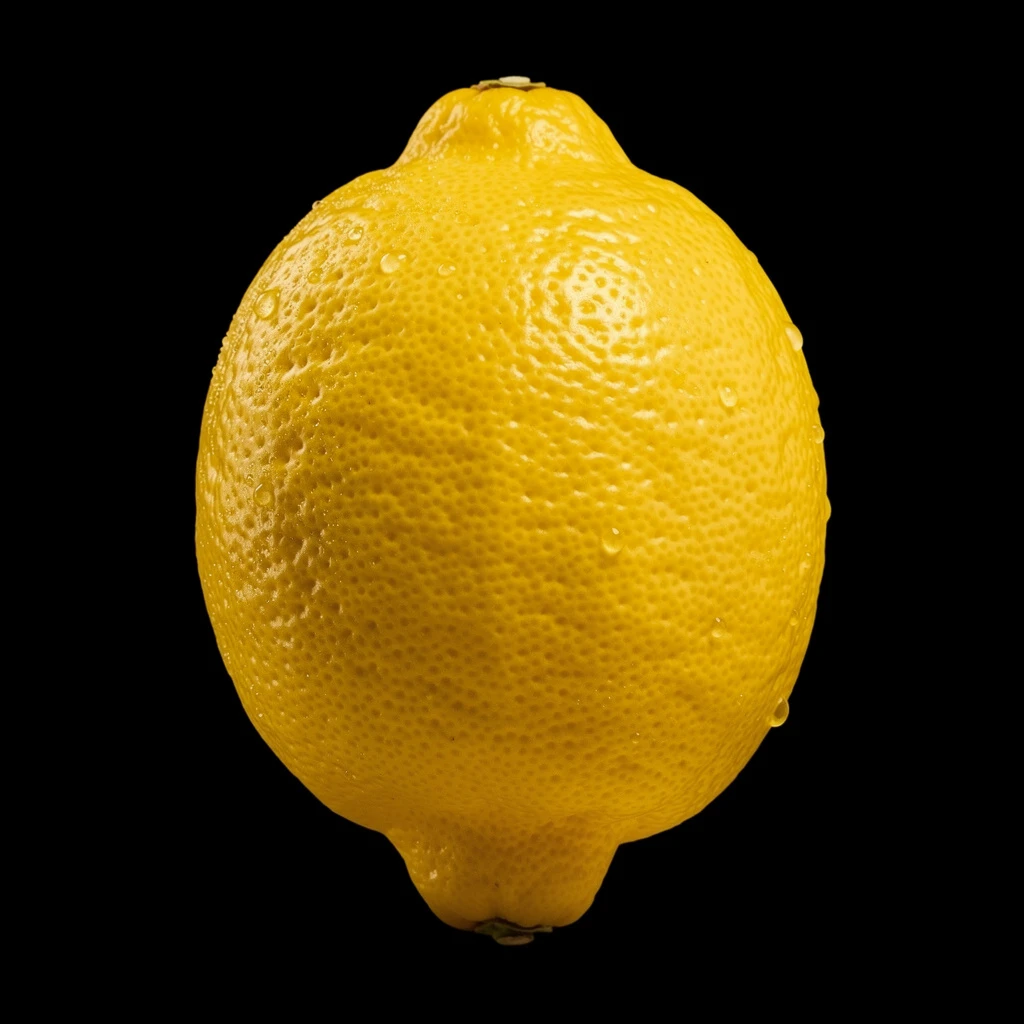
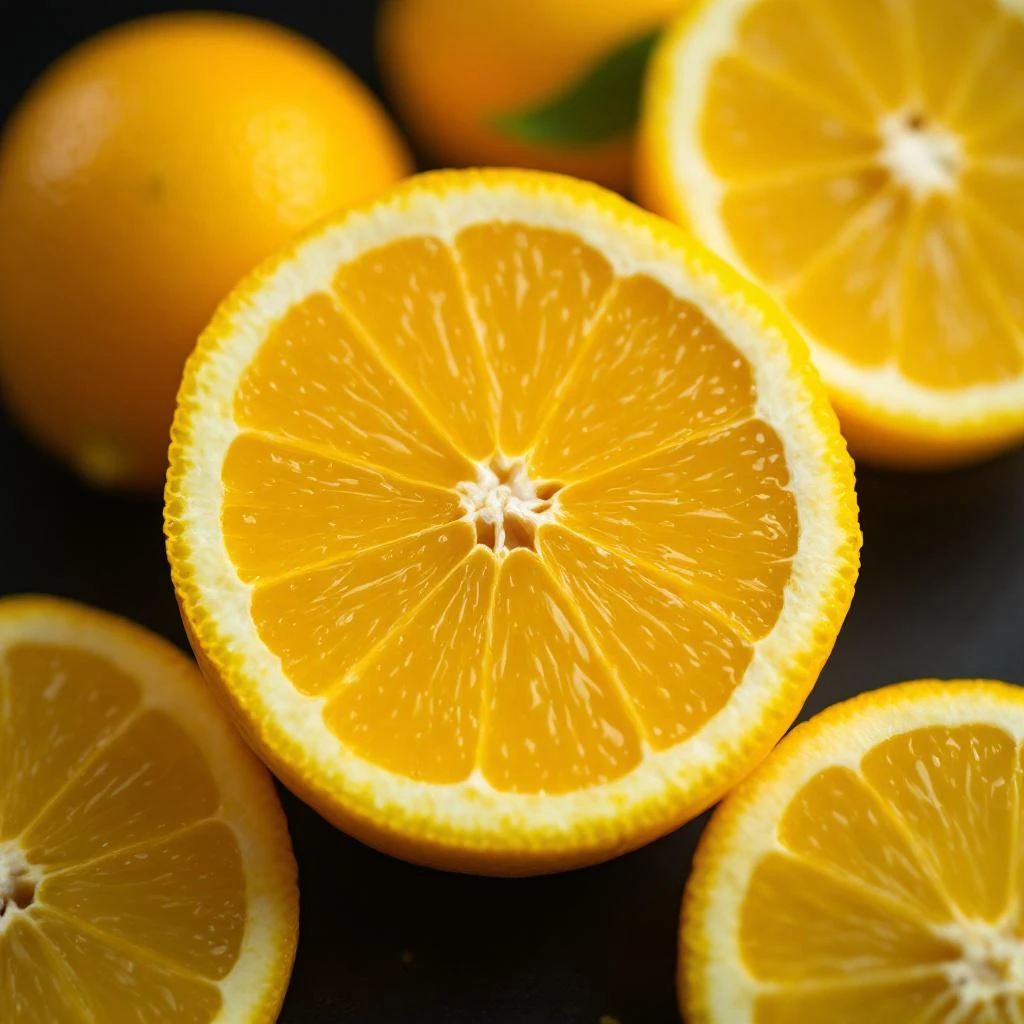
A vivid Chinese citrus note balancing zesty brightness with a distinctive green, tart edge that recalls peel, leaves, and freshly cut fruit.
Character
How it smells
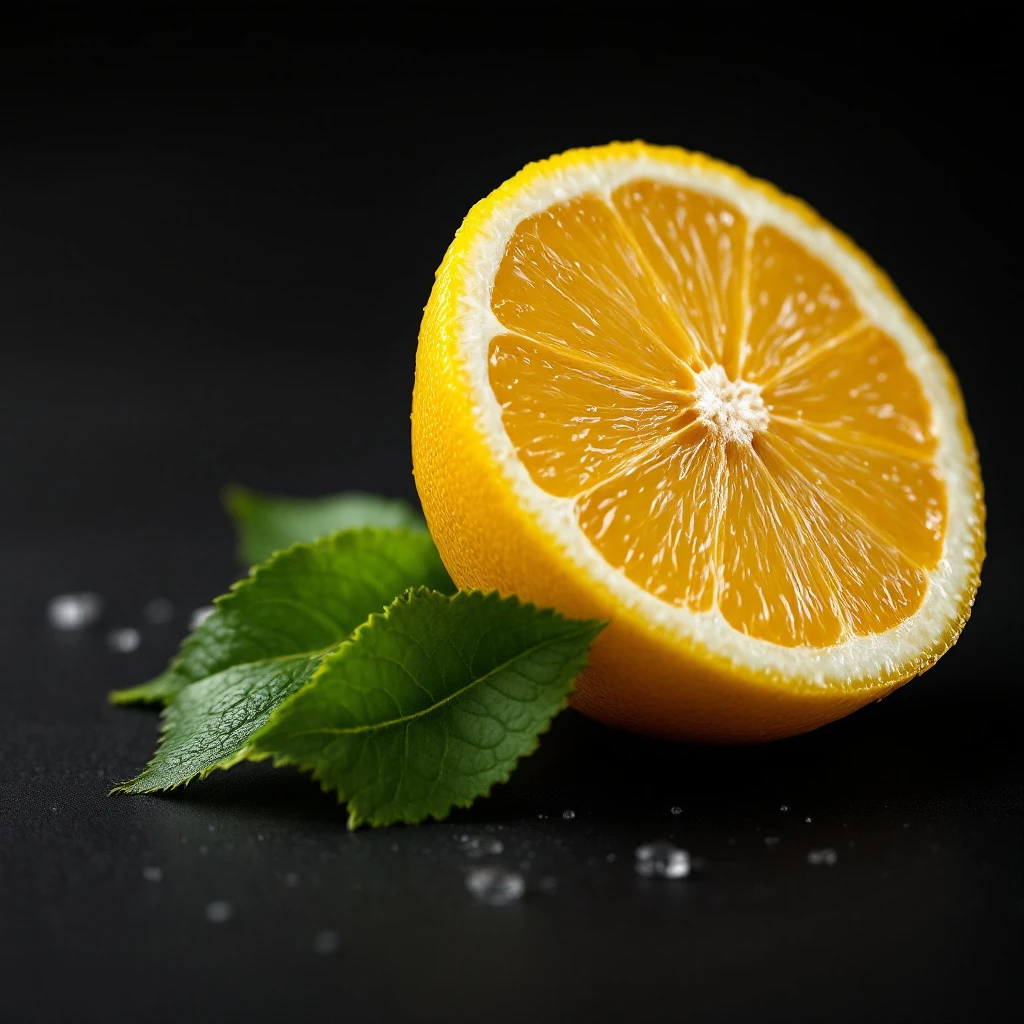
Sharp citrus, softly wild.
Ichang lemon is one of the citrus parents associated with yuzu, a fragrant hybrid long cultivated in Japan.

Origin
China
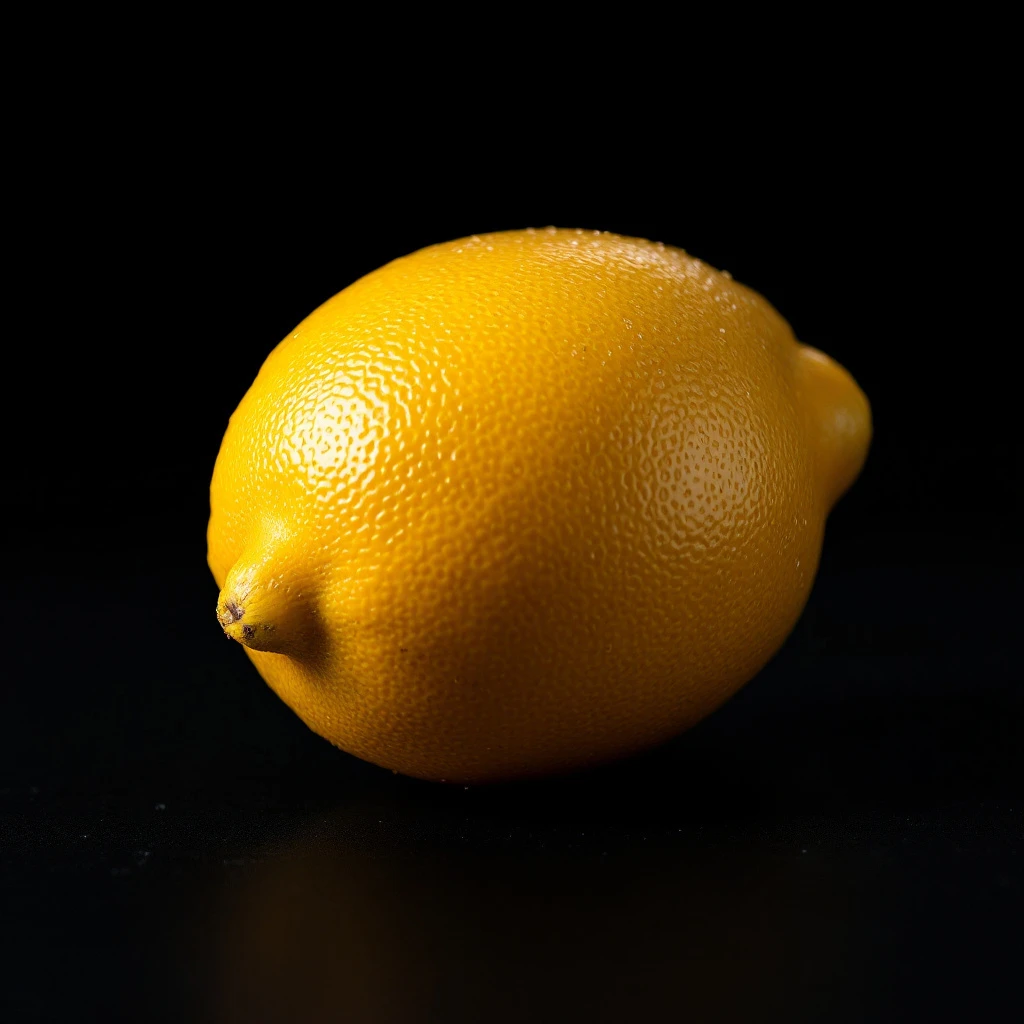
Ichang lemon is a Chinese citrus fruit with an origin that is not fully documented. A preserved accession records seed material collected in China in 1919, but its parents remain unknown, indicating an established but imperfectly recorded agricultural history.
Citrus cultivation had already spread widely through Asia and the Middle East before European records became prominent, and Ichang lemon belongs to a diverse world of sour and aromatic citrus varieties. The fruit is also historically connected with yuzu: modern accounts commonly describe yuzu as a hybrid of wild mandarin and Ichang lemon, though citrus ancestry can be complex.
Yuzu later became especially important in Japanese cuisine and fragrance, valued for its clean citrus aroma and bitter peel. Ichang lemon's place in that story reflects its lasting influence beyond its own region.
Wears it best
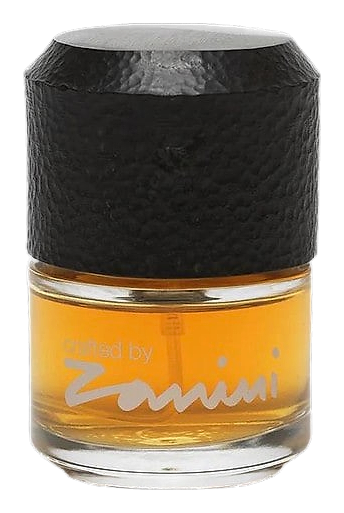
Fragrances featuring Ichang Lemon
Brands
Brands known for Ichang Lemon
Good to know
Questions, answered
The essentials on Ichang Lemon in perfumery: how it smells, where it comes from, and how it behaves on skin.
What does Ichang lemon smell like in perfumery?
It smells sharp, fresh, and citrus-like, with tart and green nuances that make it more distinctive than standard lemon. Its aroma is strongest in the fragrance top notes.
How is Ichang lemon essential oil produced?
The oil is mainly produced by cold-pressing the fruit peel. This method captures volatile peel compounds while preserving the fruit's fresh, lively character.
Where does Ichang lemon originate?
Ichang lemon is associated with China, particularly the Ichang region of Hubei province. Its precise ancestry is not fully documented, although historical seed material from China dates to 1919.
Is Ichang lemon related to yuzu?
Yuzu is commonly described as a hybrid of wild mandarin and Ichang lemon. Its ancestry is complex, but the connection explains Ichang lemon's importance to this famous Japanese citrus.
What part of the plant is used for fragrance oil?
The fruit peel is the primary source of Ichang lemon fragrance oil. Citrus oils contain many volatile aromatic compounds concentrated in the outer peel.
Is Ichang lemon oil cold-pressed or distilled?
Commercial citrus oil is typically cold-pressed rather than steam-distilled. Cold expression is preferred for its fresh aroma and efficient recovery of peel oils.
Why does Ichang lemon smell different from ordinary lemon?
Its distinctive profile reflects the fruit's cultivar, peel composition, and growing conditions. The result can be greener, sharper, and more tart than familiar lemon oil.
When is Ichang lemon oil most noticeable in a perfume?
It is most noticeable at the opening because citrus peel oils are highly volatile. As a fragrance settles, softer supporting notes become more apparent.