The Story
Why it exists.
The beginning
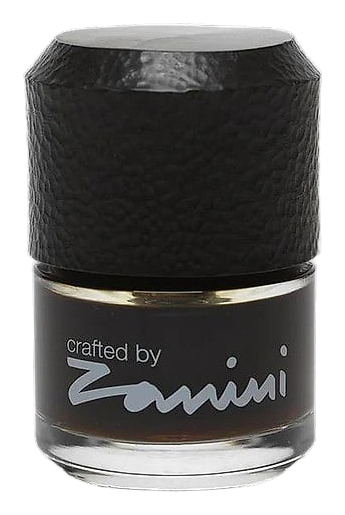
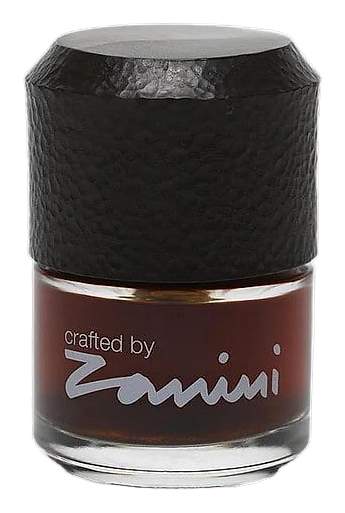
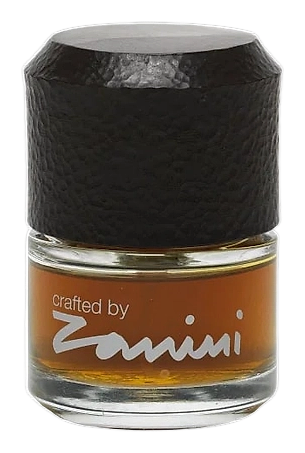
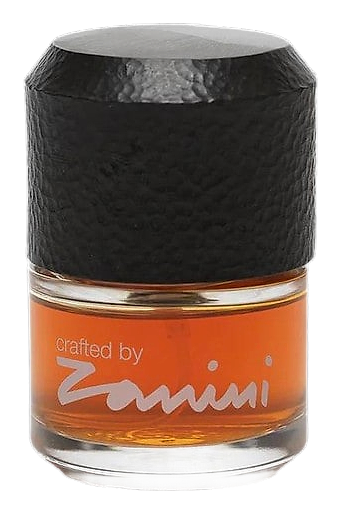
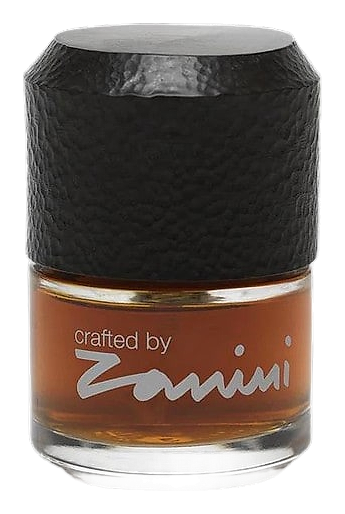
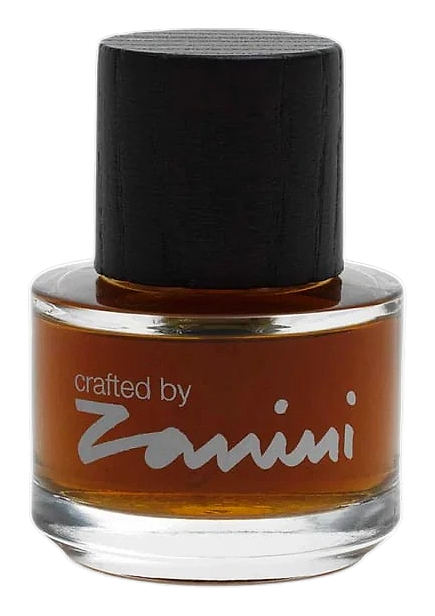
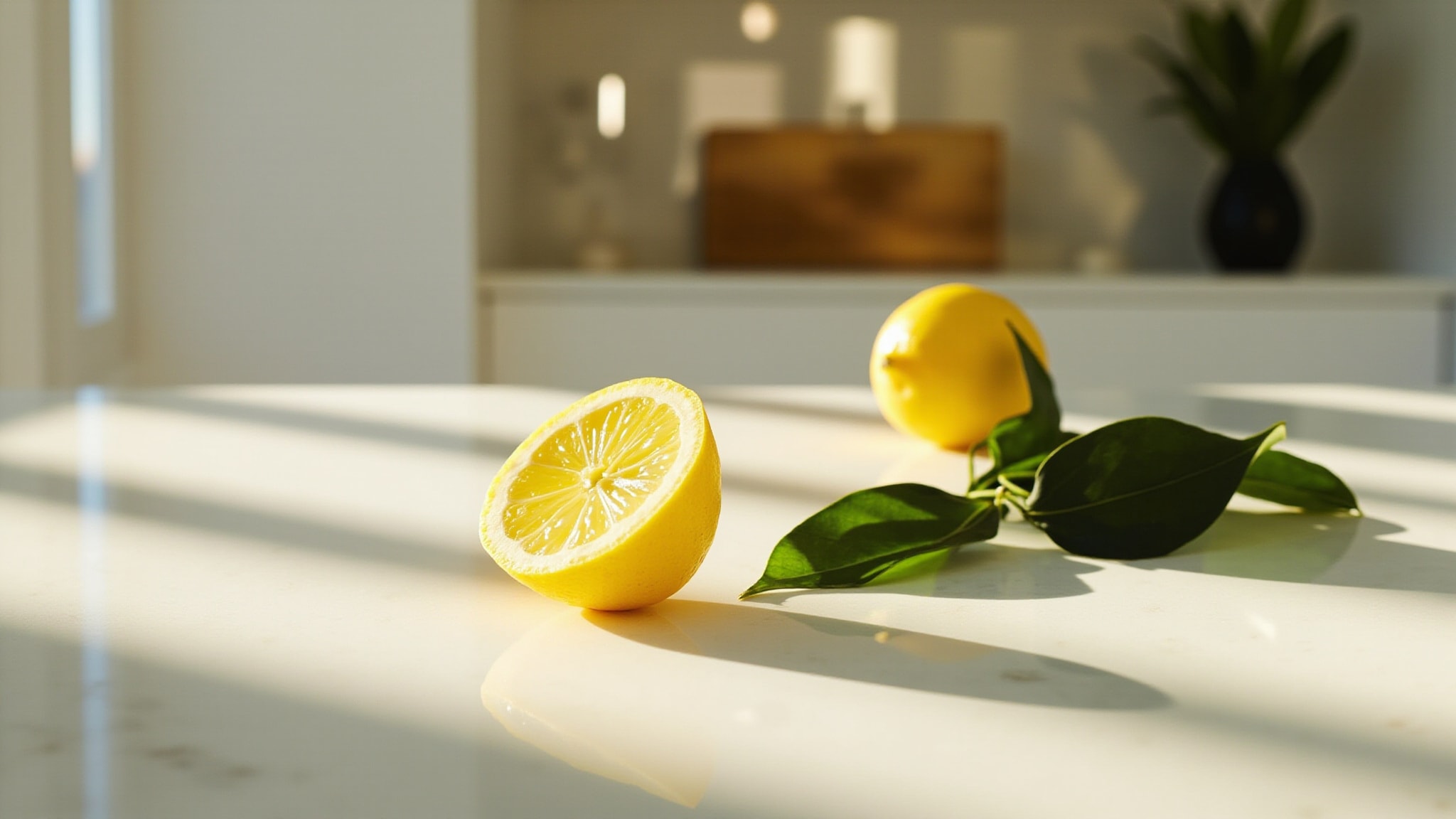
Daphne Meli was launched in 2024 by Italian perfumer Filippo Zanini. The name carries an association with laurel, and the composition places that green, resinous image beside a bright collection of citrus and white flowers. That pairing is the fragrance's central idea. Lemon, pomelo, calamansi, and yuzu bring a sharp opening, while jasmine and lemon blossom soften the encounter with honey and beeswax. Later fir resin, hyssop, chestnut blossom, and sheep's wool absolute give the airy citrus structure a warmer, more tactile underside. Nothing about it is a simple breakfast scent. It starts clean, then takes a long, aromatic turn.
The interesting part is the collision of materials. Citrus brings peel, pulp, salt, and brightness, while fir resin and hyssop make the air feel cooler and more wooded. Honey and beeswax add sweetness without turning the composition into dessert, and sheep's wool absolute introduces an unusual animalic texture. Jasmine and chestnut blossom keep the middle floral and warm rather than sheer. Together, these materials make Daphne Meli feel citrus-aromatic but tactile, with a dry green edge and a soft, almost skin-like finish.
The evolution
At first, the lemon family arrives hard and clear: Italian lemon, American lemon, pomelo, calamansi, and Ichang lemon bring peel, pulp, and a saline snap. Black locust and jasmine add a green-white lift, with bay leaf sharpening the air around them. After that first burst, the scent softens into lemon blossom, yuzu, chestnut, honey, and beeswax. Jasmine becomes more prominent, but it doesn't turn powdery. It takes on a warm, slightly animalic softness beside the wool and resin notes. Fir resin and hyssop remain as a dry aromatic trail. By the later hours, the bright citrus has faded into something closer to sunlit greenery, sweet pollen, fir, and soft wool. Moderate sillage means it stays noticeable without taking over, settling close to the wearer as a warm, textured citrus floral.
Cultural impact
Daphne Meli fits Zanini's Italian poetic sensualism, where fragrance is treated as an experience of mood and memory rather than a simple statement scent. Its limited release and unusual wool, honey, fir, and citrus combination appeal to people who prefer intimate niche compositions with a clear image and a slower reveal.
The House
ZaniniZanini is an Italian niche perfume house that treats scent as a landscape rather than a simple fragrance. Founded in the early 2020s, the brand releases collections that aim to translate moments, places and emotions into olfactory form. Recent releases such as Essere Gentile (2025), Rosa Umami (2024) and Radici (2025) illustrate a commitment to narrative‑driven compositions that invite wearers to linger, reflect and imagine. Zanini positions itself beside Italy’s artisanal perfume tradition while speaking in a contemporary, art‑focused language.
The Creator
Filippo ZaniniZanini favors natural extracts harvested at peak ripeness, often working with small‑batch distillations and cold‑presses. He builds structures around a single botanical anchor – such as lily in Principio or Mediterranean fig in Dafne‑Meli – then layers complementary notes that…