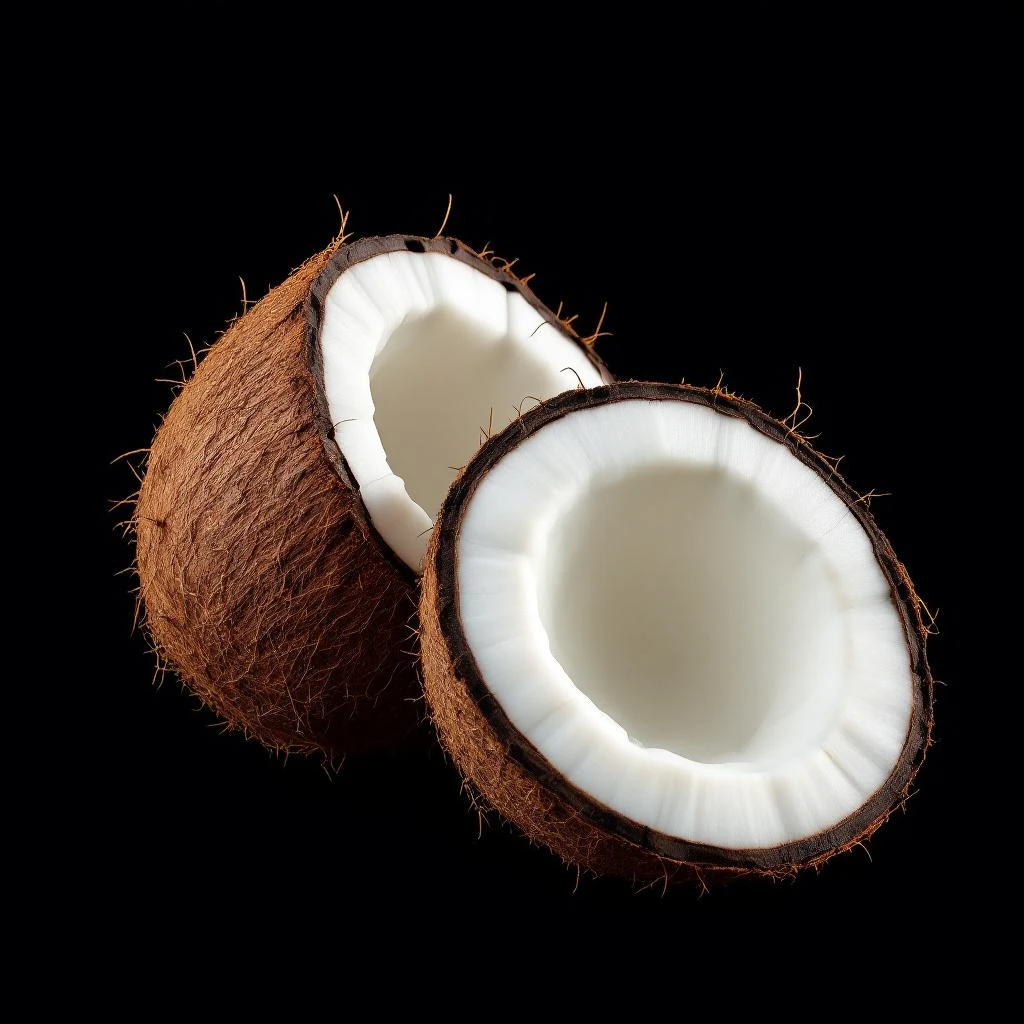
Asian Pomelo
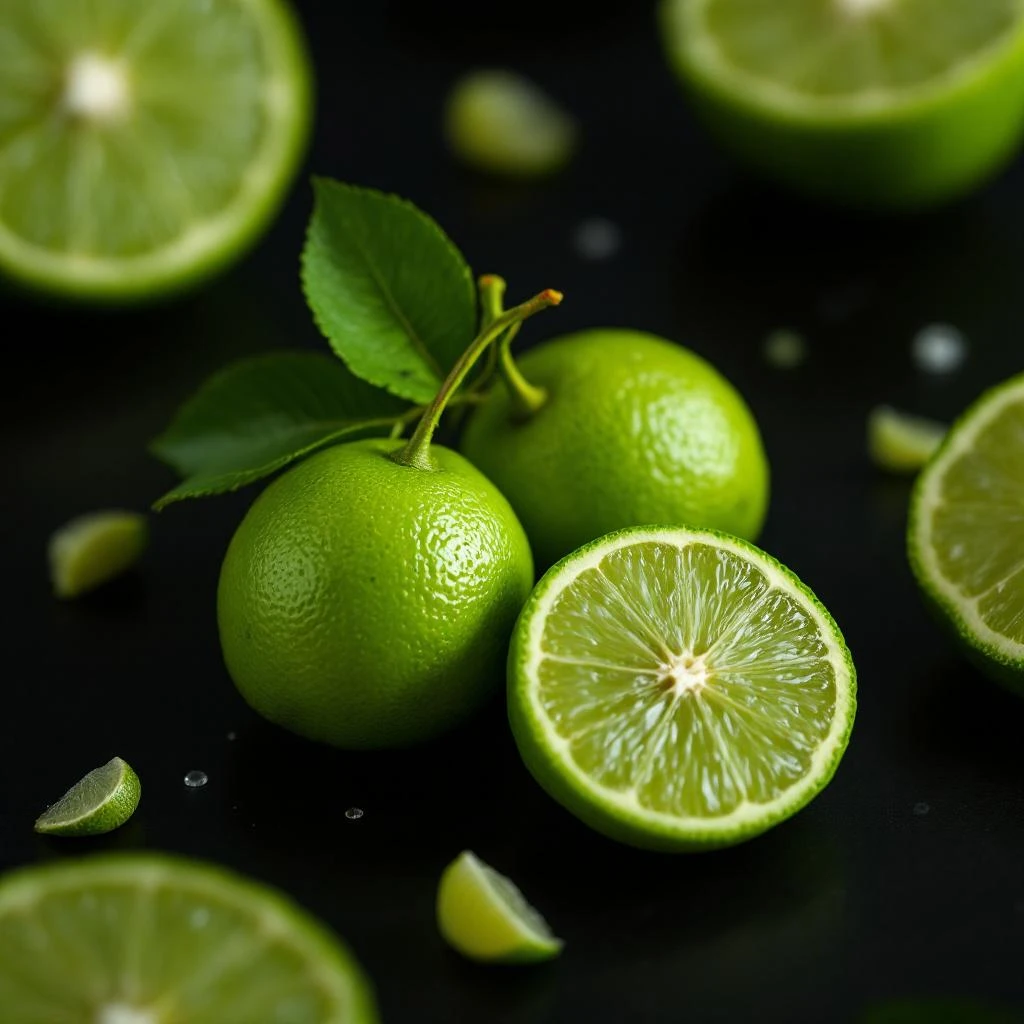
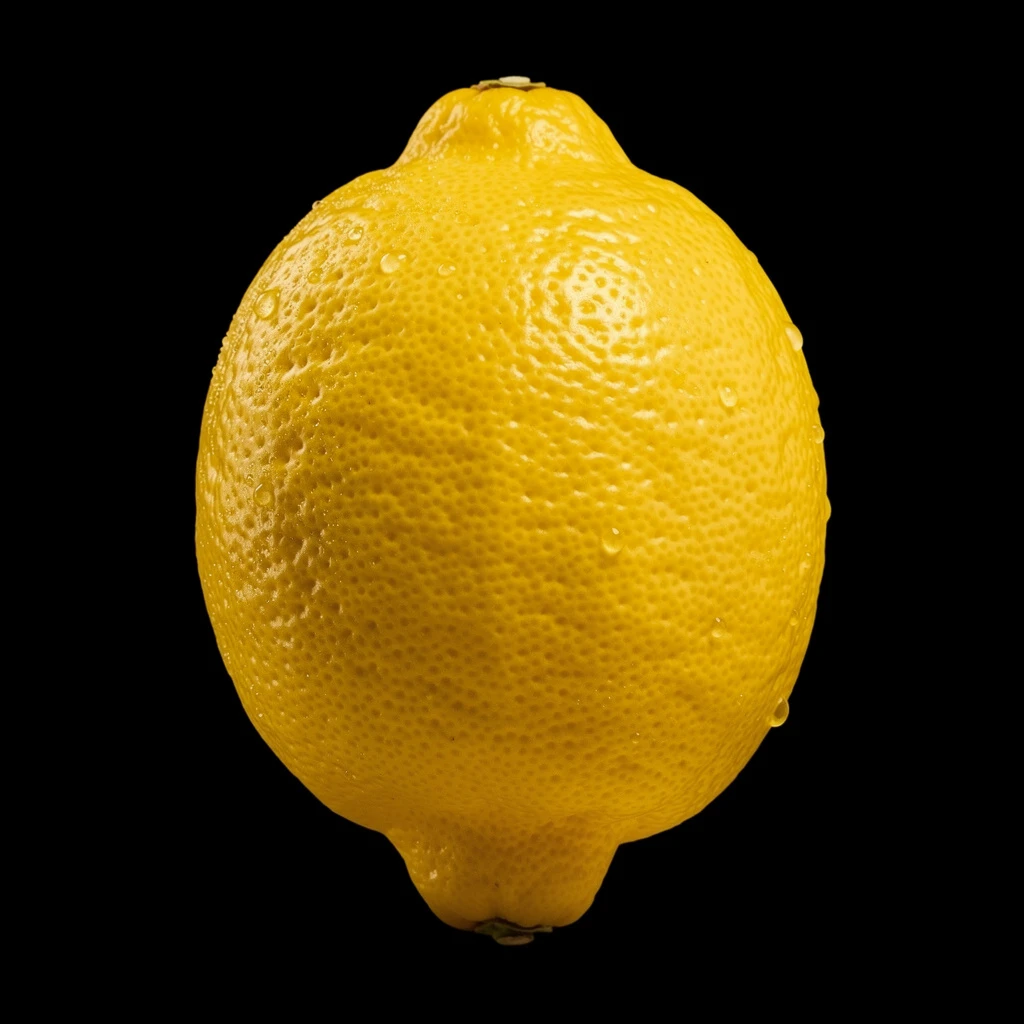
Asian pomelo brings a bright, sun-warmed citrus burst to fragrance compositions. Its thick peel yields a crisp, slightly sweet oil prized for adding luminous freshness to colognes and modern aquatic blends.
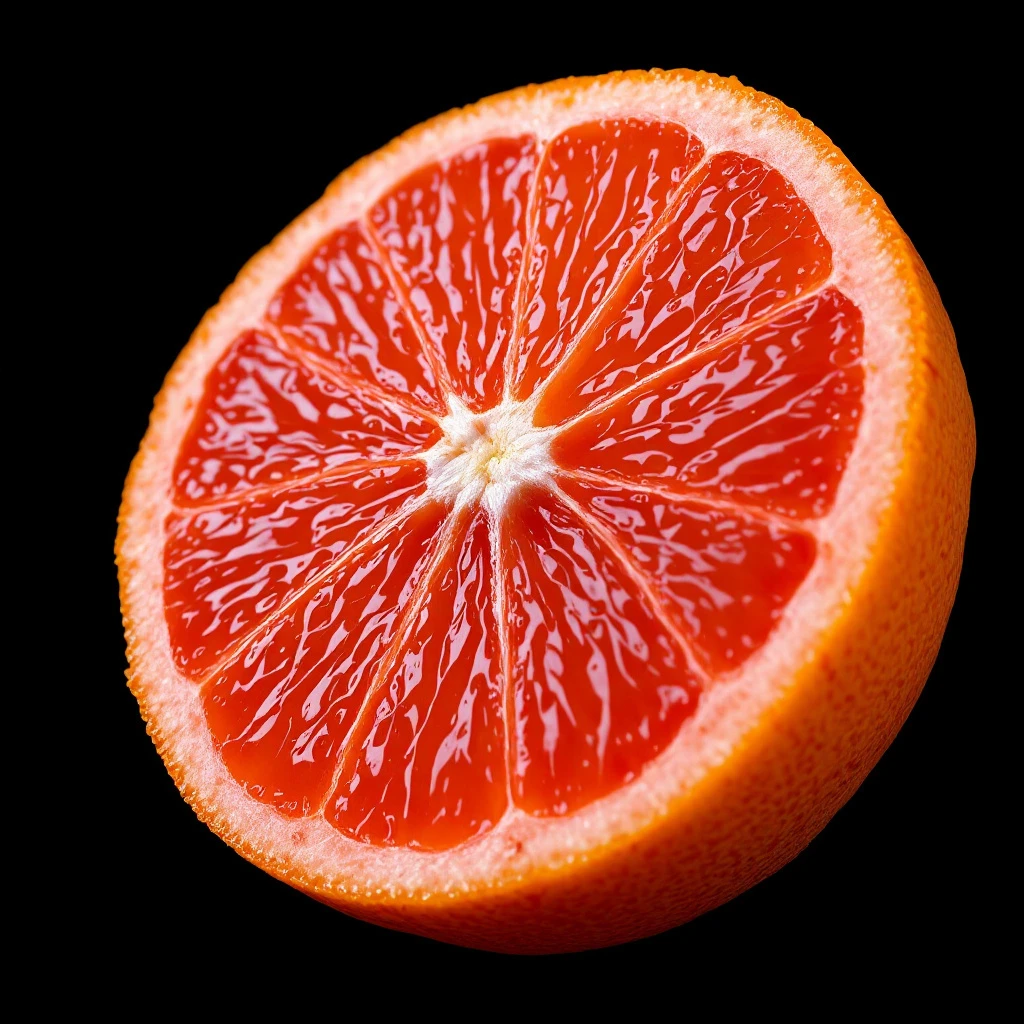
Character
How it smells
The sunlit giant of citrus perfumery
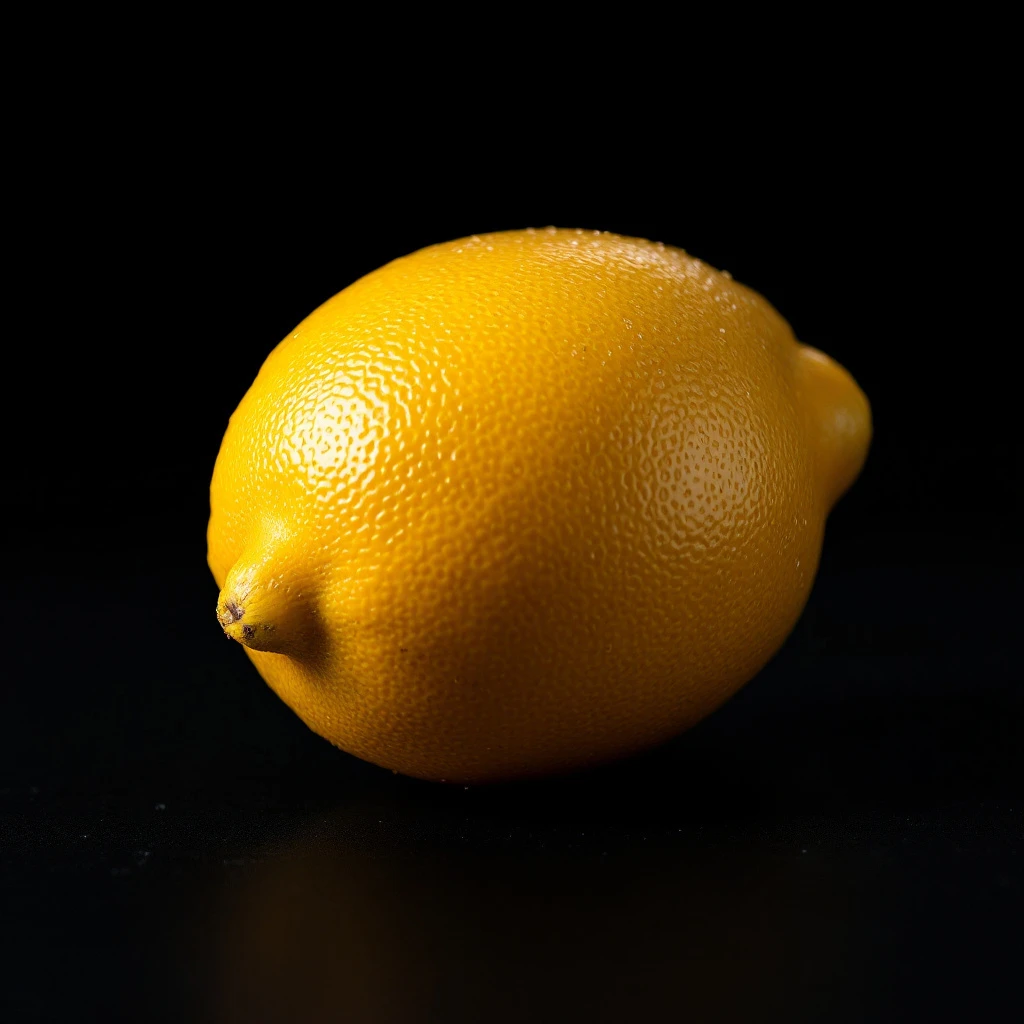
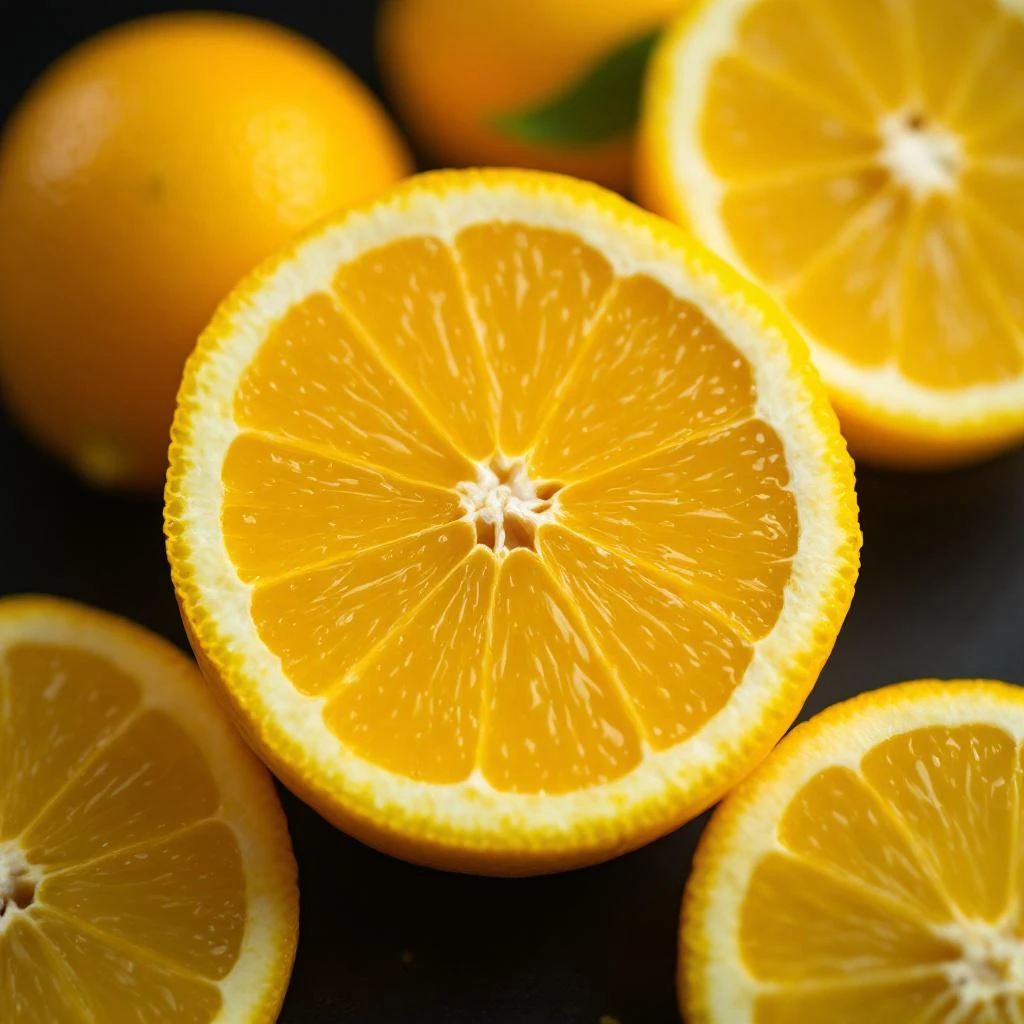
The pomelo is the largest citrus fruit in the world, with some varieties reaching the size of a small melon and weighing up to 10 pounds.
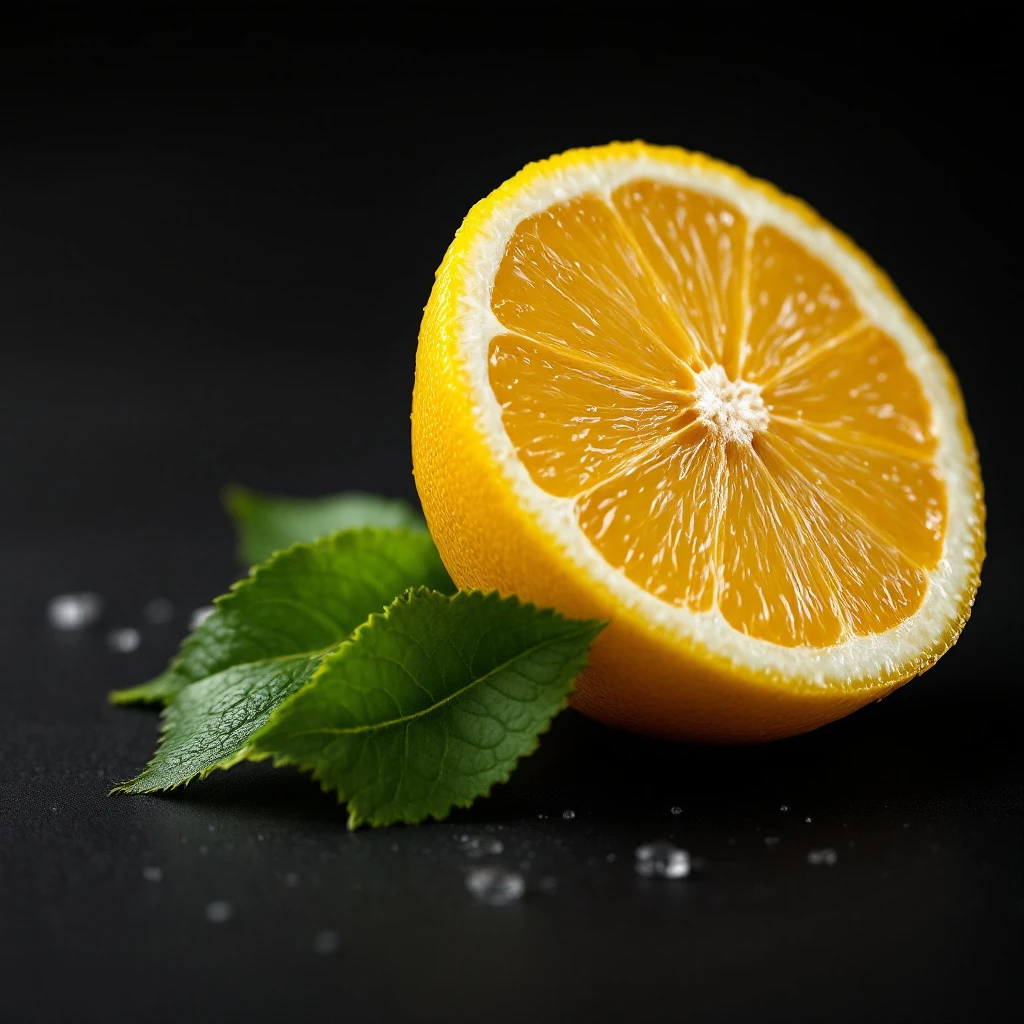


Origin
China
The pomelo has been cultivated across Southeast Asia for thousands of years, with ancient Chinese and Malaysian orchards tending the tree long before it traveled west. Botanists believe it is one of the ancestral species from which the modern grapefruit later developed through natural hybridization in the Caribbean during the 17th century.
In traditional Chinese culture, the pomelo held symbolic weight during the Mid-Autumn Festival, where its round shape and golden hue represented family unity and abundance. The leaves and peel also featured in early Chinese herbal remedies, recorded in texts dating back over a thousand years.
The fruit entered European awareness through trade routes in the 17th century, though it remained a botanical curiosity rather than a perfumery staple. Its oil only began appearing in modern fragrance compositions in the late 20th century as perfumers sought fresher, more nuanced alternatives to grapefruit. Today it anchors bright top notes in both classic eau de colognes and contemporary citrus-aquatic formulations.
Wears it best
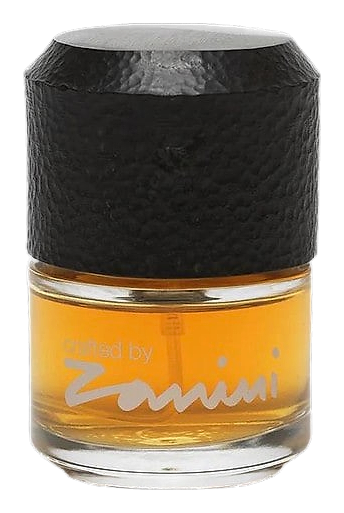
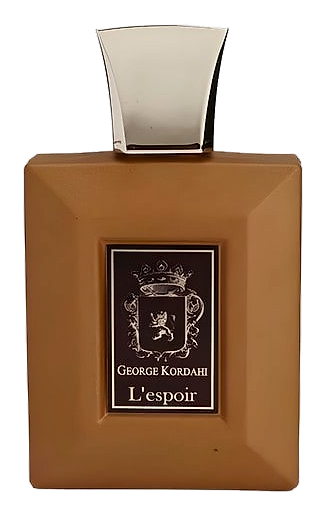
Fragrances featuring Asian Pomelo
Brands
Brands known for Asian Pomelo
Good to know
Questions, answered
The essentials on Asian Pomelo in perfumery: how it smells, where it comes from, and how it behaves on skin.
What does Asian pomelo smell like in perfume?
Asian pomelo oil offers a bright, juicy citrus scent with a slightly bitter, green edge. It smells fresher and less sharp than grapefruit, with a subtle floral sweetness underneath the zest.
How is Asian pomelo oil extracted?
The oil is cold pressed from the outer peel of the ripe fruit, then separated by centrifuge. Heat is avoided because it degrades the delicate top-note molecules that give the oil its crisp character.
Where does Asian pomelo originate?
The pomelo is native to Southeast Asia, with the longest cultivation history recorded in southern China and Malaysia. Chinese growers have tended the tree for several thousand years.
Is Asian pomelo the same as grapefruit?
No, though they are close relatives. The pomelo is the largest citrus fruit and is considered an ancestral species. Modern grapefruit arose as a hybrid involving pomelo centuries later in the Caribbean.
What fragrances commonly use Asian pomelo?
Pomelo oil appears most often in bright eau de colognes, aquatic fragrances, and fresh citrus-musk compositions. It serves as a luminous top note that lifts the opening without the sharper bite of grapefruit.
Why do perfumers prefer cold pressing for pomelo?
Cold pressing preserves the volatile aldehydes and esters that give pomelo its signature freshness. Steam distillation would destroy these heat-sensitive compounds and produce a flat, dull oil.
Does Asian pomelo oil last long on skin?
Like most citrus oils, pomelo is a top note with limited longevity, typically lasting 20 to 45 minutes before fading. Perfumers often pair it with fixatives like musk or vetiver to extend its presence.
Is Asian pomelo sustainable as a fragrance ingredient?
Pomelo cultivation produces a high yield of usable peel, and cold pressing requires no chemical solvents. The process generates minimal waste, making it one of the more sustainable citrus options in perfumery.