Calamansi
Calamansi yields a bright, tart citrus oil extracted through cold expression from its thin, aromatic rind. The scent carries a zesty, sparkling quality with tangy undertones distinct from sharper citruses like lemon. In fragrance, it functions as a natural top-note modifier, lending freshness to citrus compositions and softening bolder aromatic profiles.
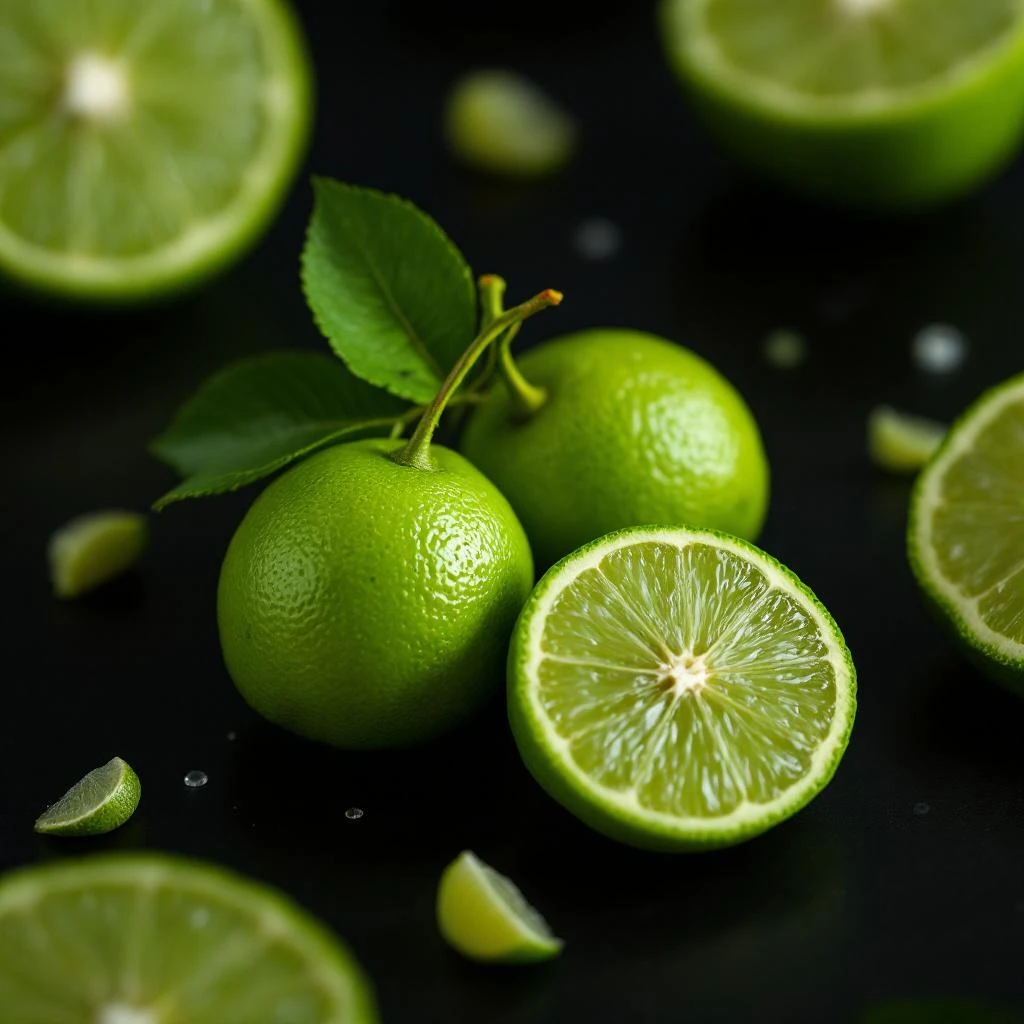
Character
How it smells
Sun-bright citrus from Southeast Asia, captured at the moment of peak aroma.
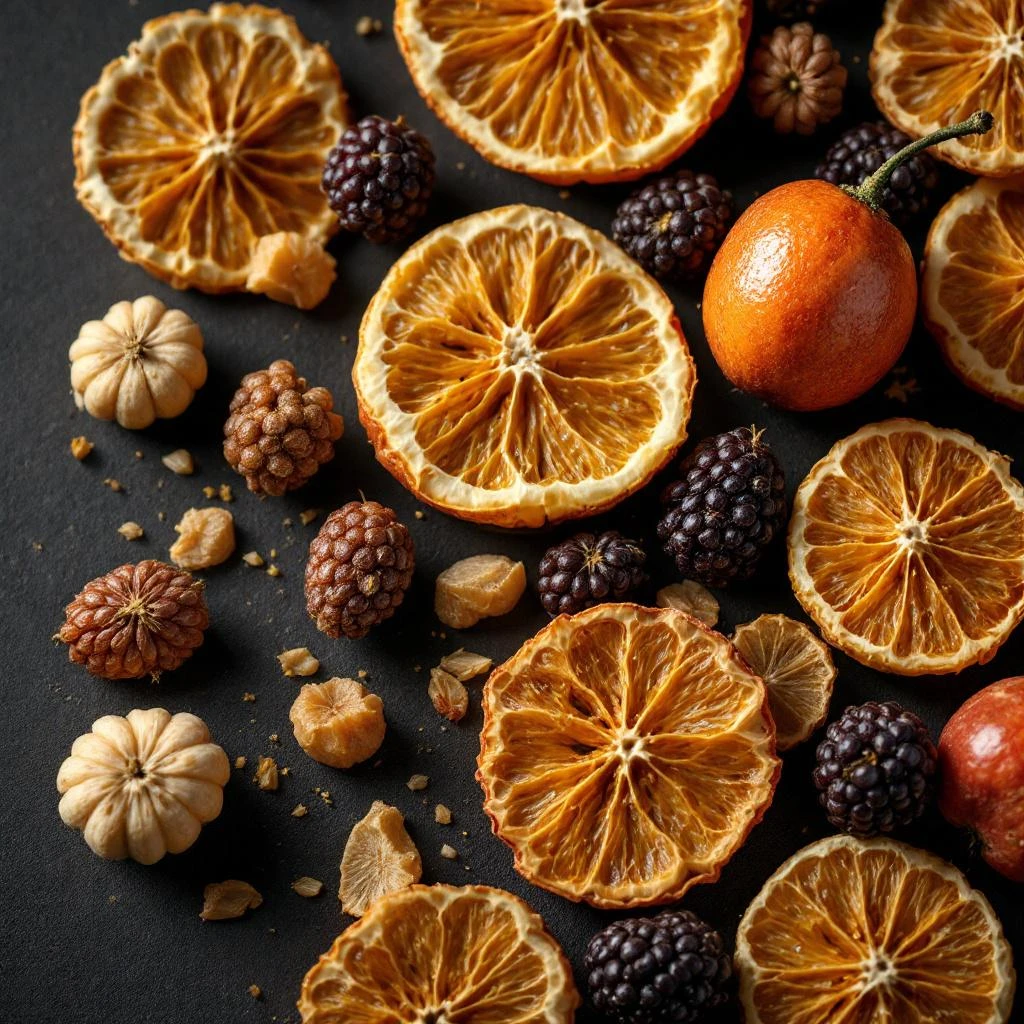
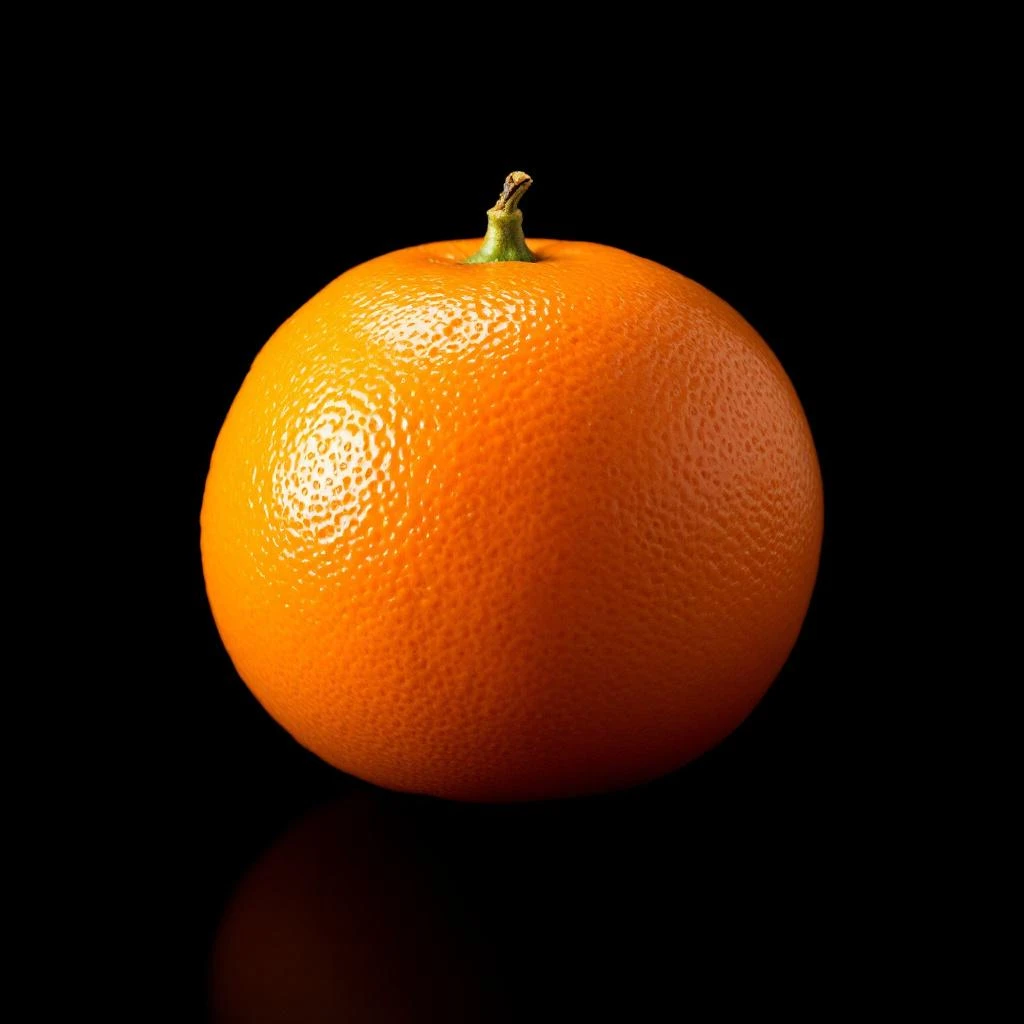
Calamansi is not a true species but a hybrid between a kumquat (Fortunella) and a mandarin orange (Citrus reticulata), a natural cross that occurred centuries ago in Southeast Asian orchards.






Origin
Philippines
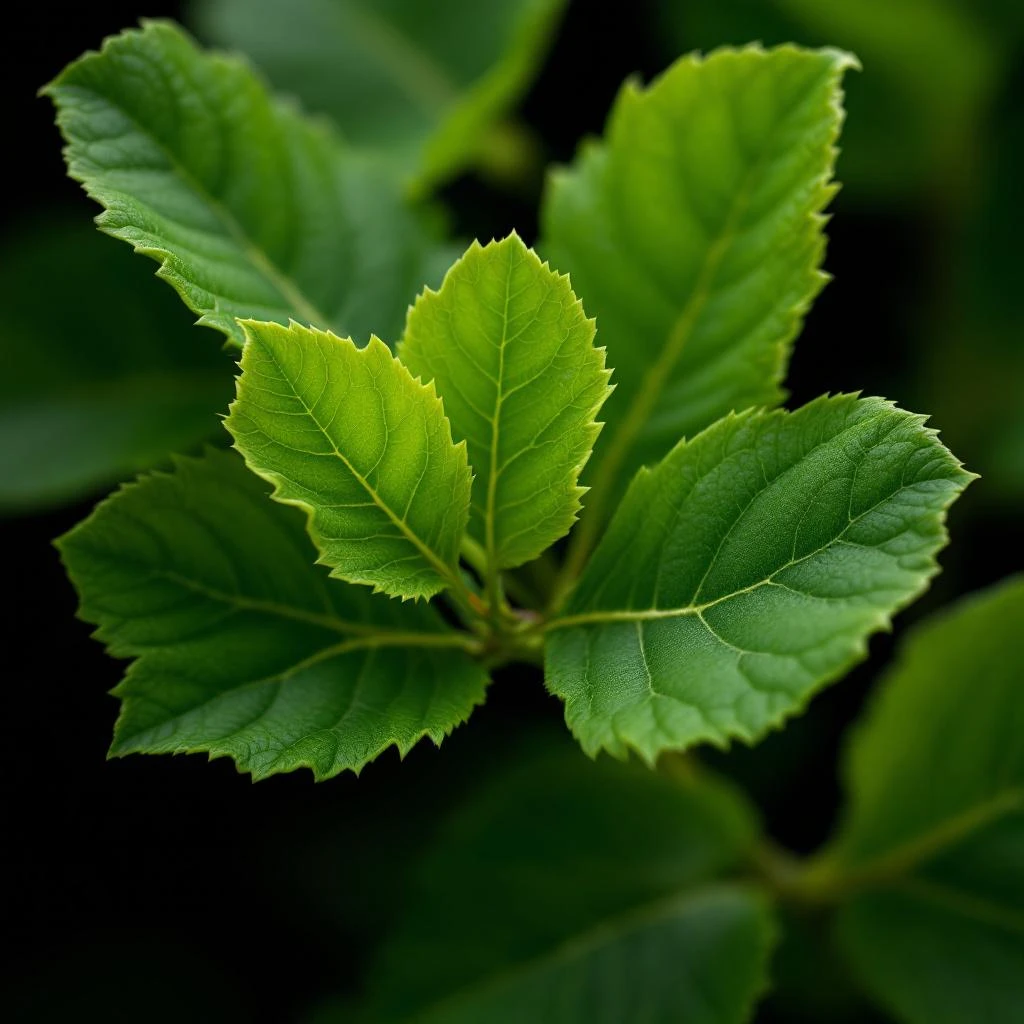
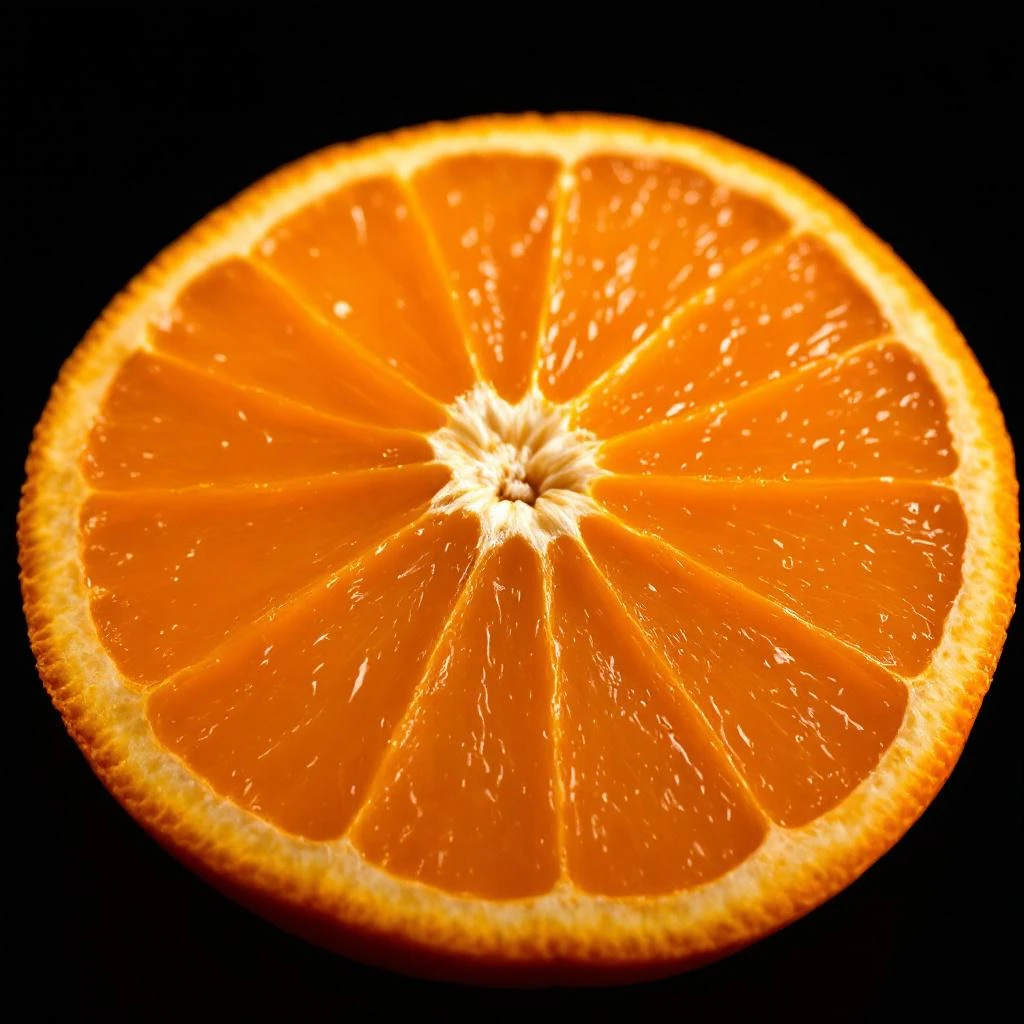
Calamansi has been a cornerstone of Southeast Asian gardens for centuries, valued both as a culinary and aromatic material long before its introduction to perfumery. The fruit belongs to no single nation, though the Philippines has developed the most extensive cultivation traditions, where smallholder farms produce it for domestic markets, beverages, and marinades. The plant likely arose as an accidental hybrid between kumquat and mandarin stock carried along ancient maritime trade routes.
Indigenous medicine systems in the Philippines and Indonesia incorporated calamansi peel in topical preparations, unknowingly accessing the same aromatic compounds later refined by European perfumers. During the colonial period, European traders encountered citrus varieties across the Malay Archipelago, sparking interest in regional botanicals. Calamansi's distinctive scent profile, different from Mediterranean citruses, remained largely unexplored by Western fragrance industries until the late twentieth century.
Today, it represents a bridge between Southeast Asian botanical heritage and global perfumery, prized for its singular freshness in a market saturated with conventional citrus materials.
Wears it best
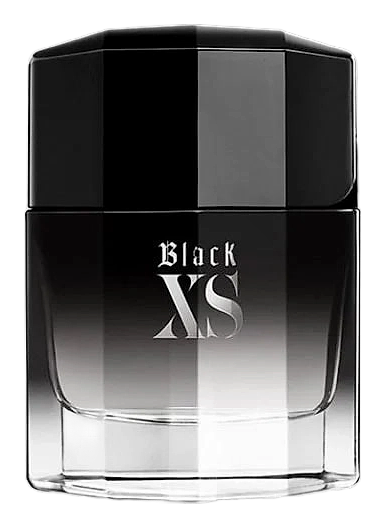
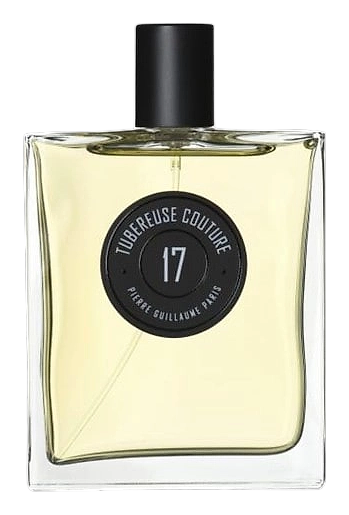
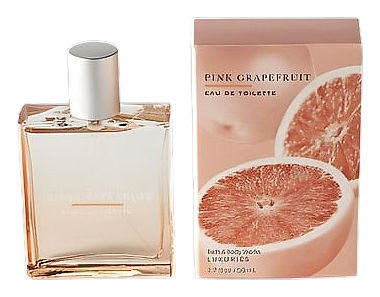
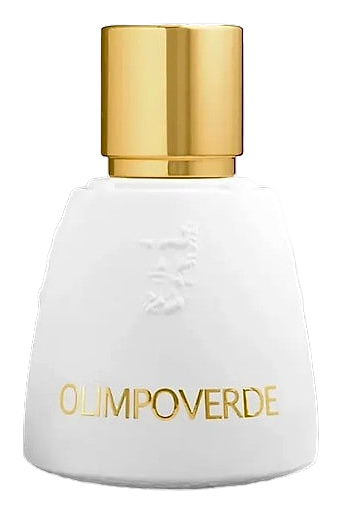
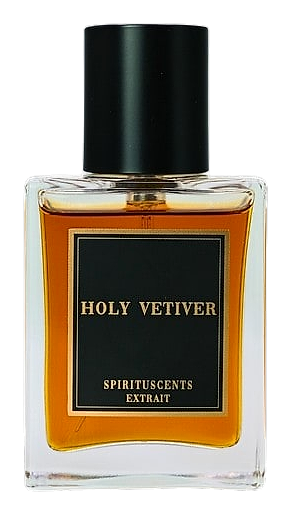
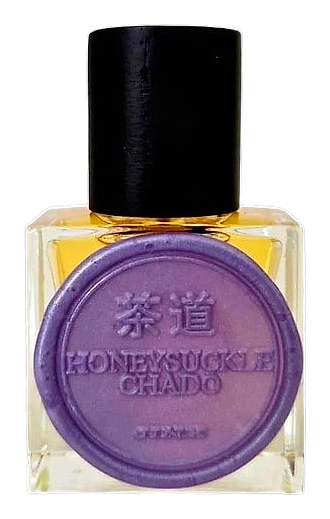
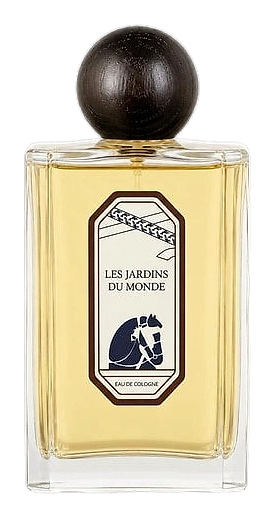
Fragrances featuring Calamansi




Brands
Brands known for Calamansi
Good to know
Questions, answered
The essentials on Calamansi in perfumery: how it smells, where it comes from, and how it behaves on skin.
What does Calamansi smell like in perfume?
Calamansi smells bright and tangy, with a zesty citrus character distinct from lemon or grapefruit. The scent has sparkling, almost effervescent qualities that convey natural freshness. Its profile blends tartness with a subtle, almost floral sweetness uncommon in more common citrus materials.
Why is Calamansi used in perfumery?
Calamansi provides a fresh, tropical citrus note that differentiates fragrances from standard citrus compositions. Cold expression preserves nuanced aromatic compounds, so perfumers gain access to a citrus profile unavailable from synthetic materials mimicking generic lemon or orange.
Is Calamansi in perfume natural or synthetic?
Calamansi oil in perfume is natural, extracted through cold expression from the fruit rind. Some mass-market fragrances simulate the scent using synthetic citrus accord, but premium producers typically specify natural calamansi extract when using the ingredient.
What famous perfumes contain Calamansi?
Calamansi appears primarily in fresh and aquatic fragrance families rather than blockbuster signature scents. niche houses working with Southeast Asian botanical materials and Filipino artisanal perfumers most commonly feature the ingredient, as major luxury brands have only recently begun exploring Philippine citrus notes.
Is Calamansi a top note, heart note, or base note?
Calamansi functions as a top note in fragrance composition. Cold-expressed citrus oils are volatile and dissipate within minutes of application. Perfumers apply it during formulation stages to establish freshness that persists from the opening moments through the mid-drydown.
What notes pair well with Calamansi in perfume?
Calamansi pairs naturally with white florals, especially gardenia and jasmine, where its citrus brightness amplifies floral sweetness. It complements aquatic accords, green tea, and lightweight wood bases like bamboo or cedar. Blending tests show harmonious combinations with ylang-ylang and light musks.
Where does Calamansi come from?
Calamansi originates from Southeast Asia, with most commercial production concentrated in the Philippines, which cultivates the fruit on smallholder farms across Luzon and Visayas regions. It also grows in Malaysia and Indonesia, though Philippine varieties dominate the fragrance ingredient supply chain.
Is Calamansi used in men's or women's fragrances?
Calamansi appears in both women's and men's fragrances, though its fresh, unbonded character makes it especially prevalent in gender-neutral and masculine-leaning compositions. Perfumers appreciate its versatility across the fragrance spectrum, from delicate florals to sporty citrus waters.