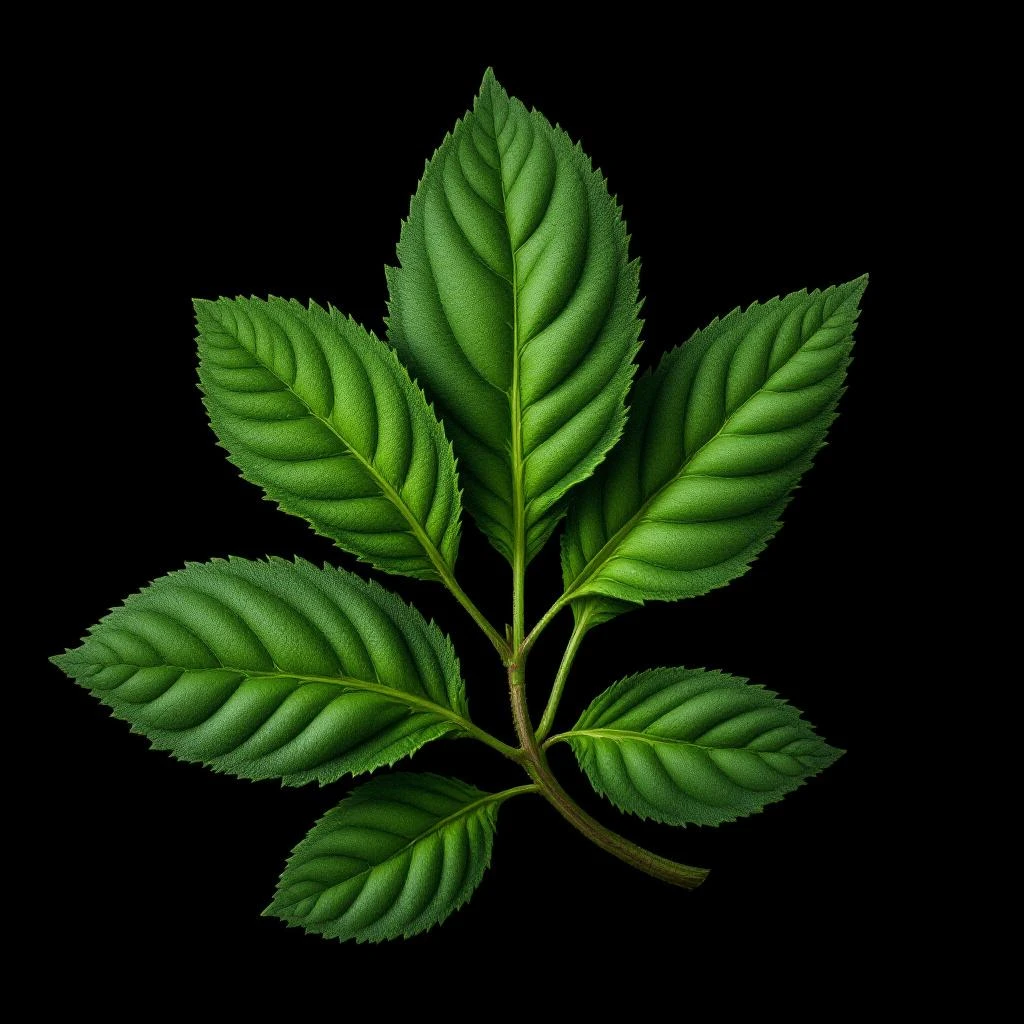
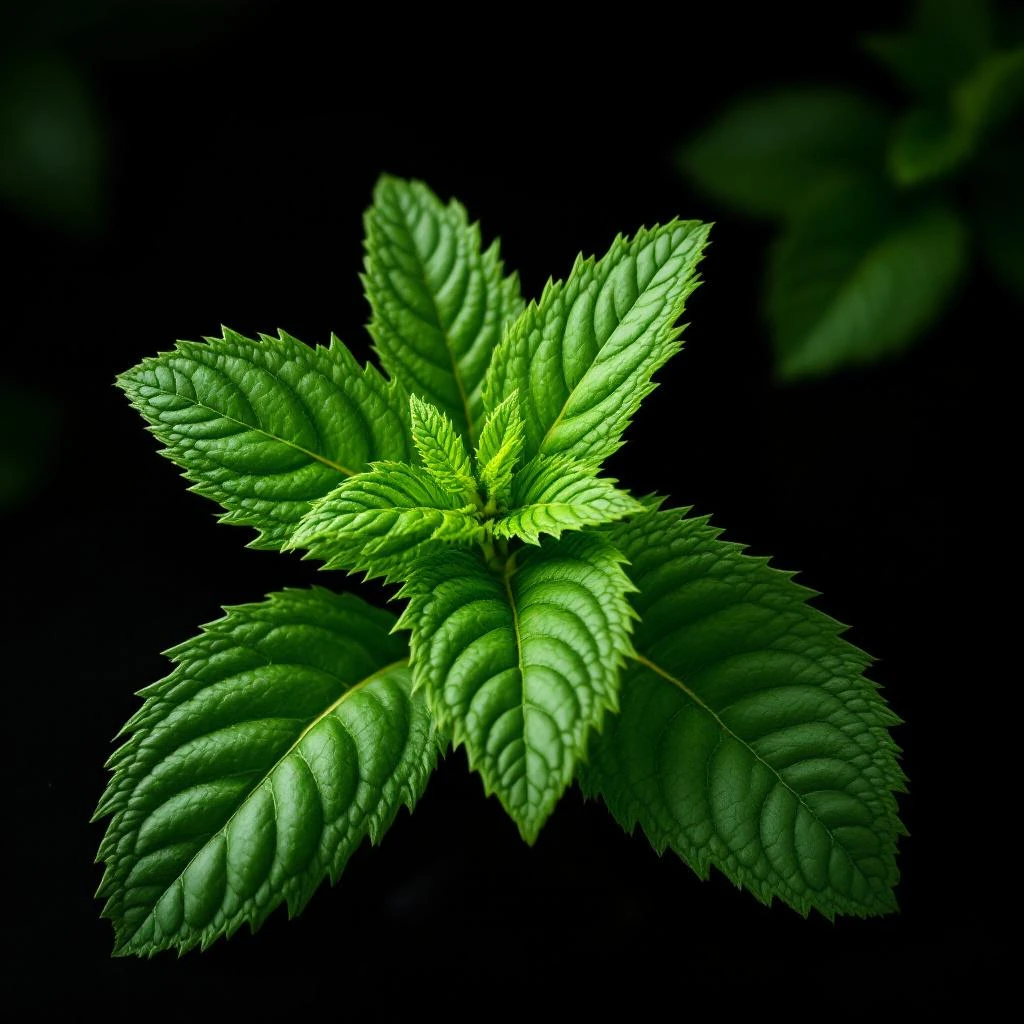
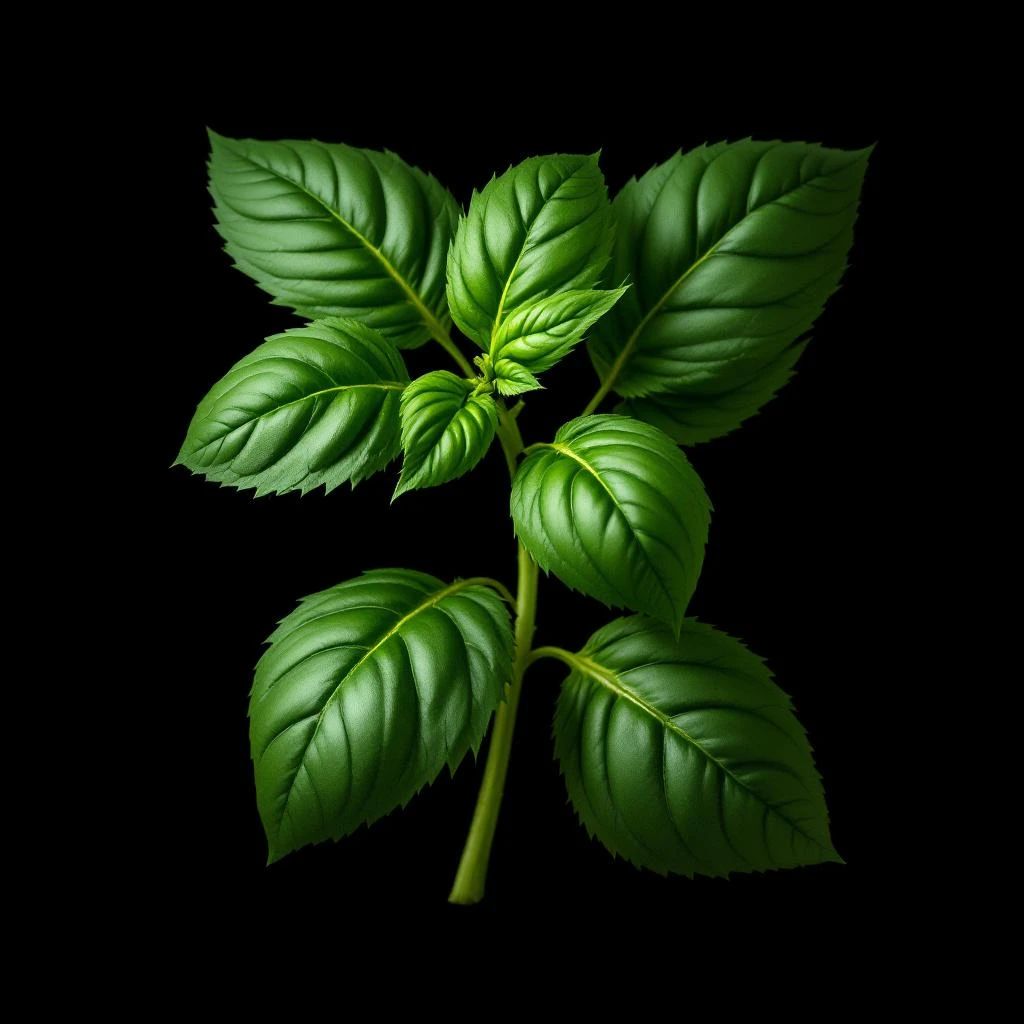
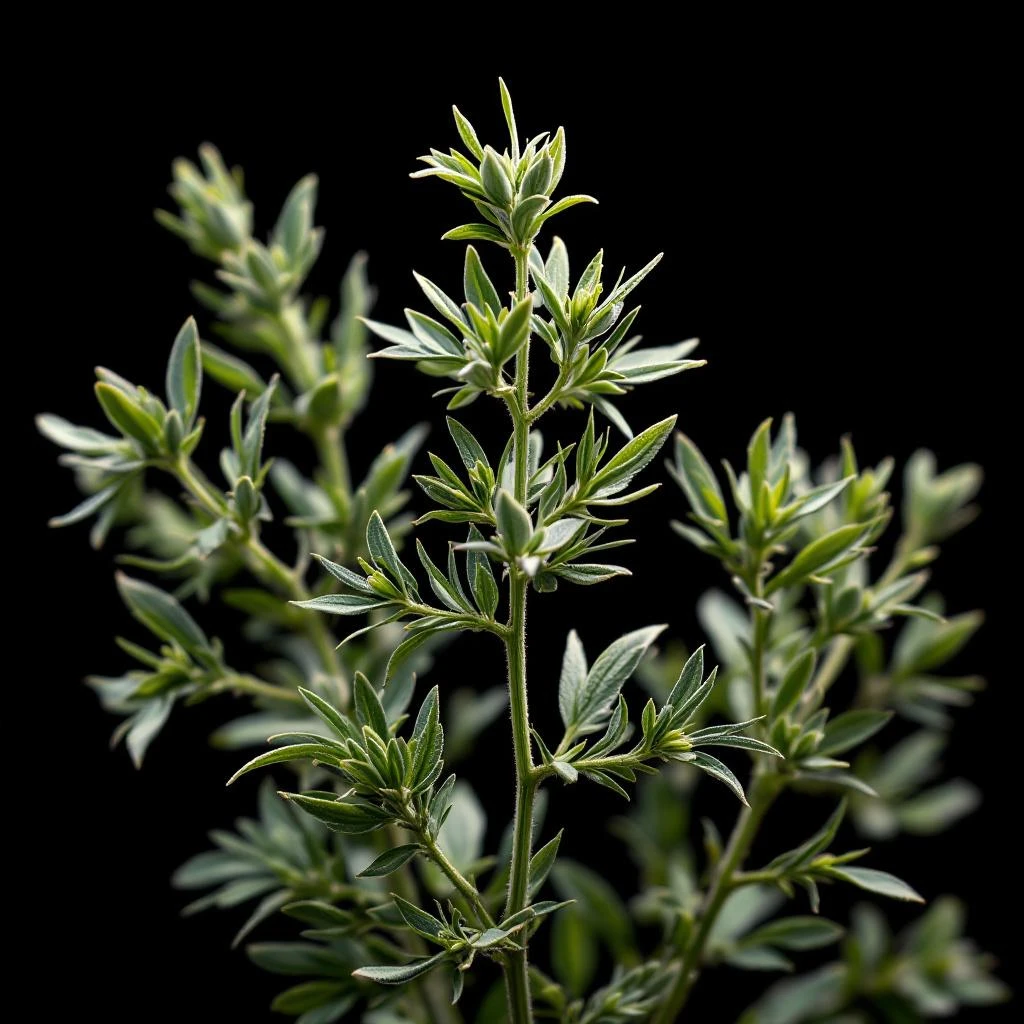
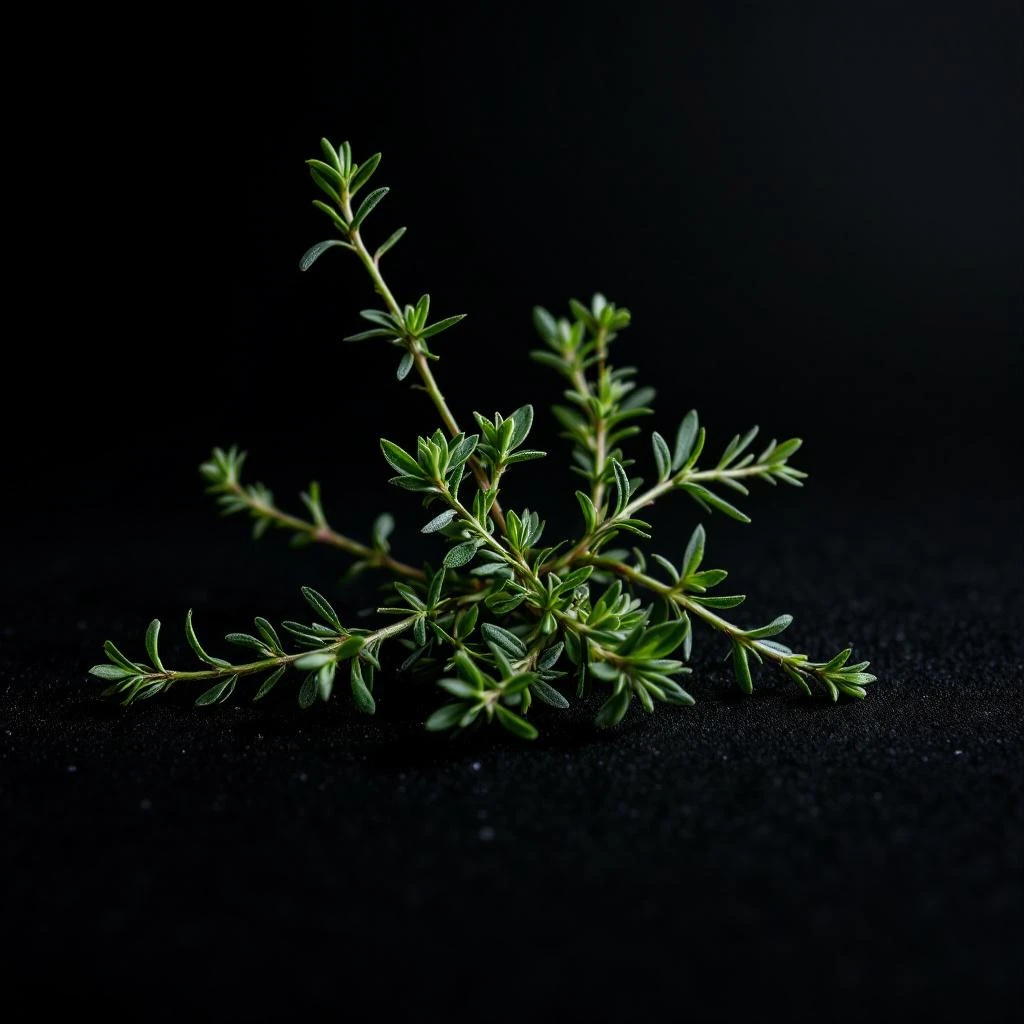
Hop
A resinous botanical with bitter green depth, hop brings an unexpected backbone to fragrance—earthy, herbal, and boldly masculine.
Character
How it smells
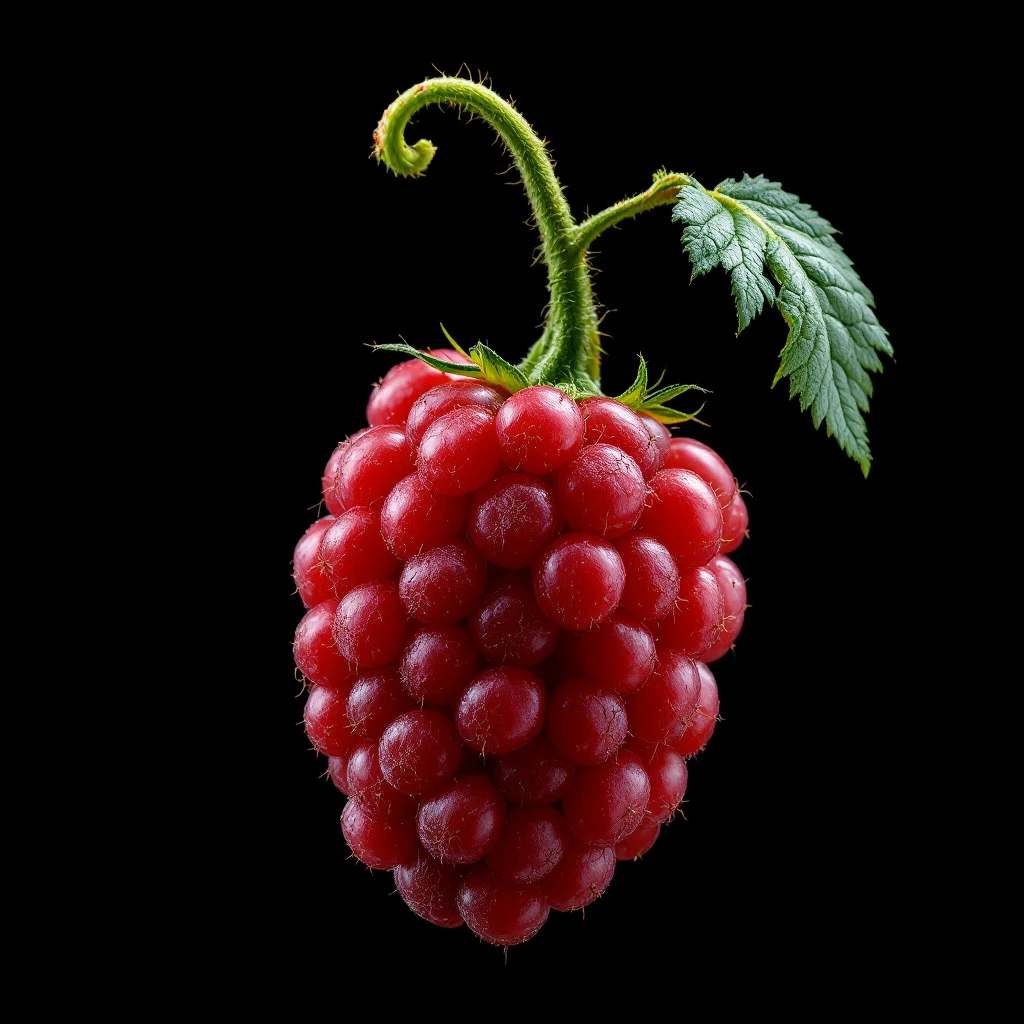
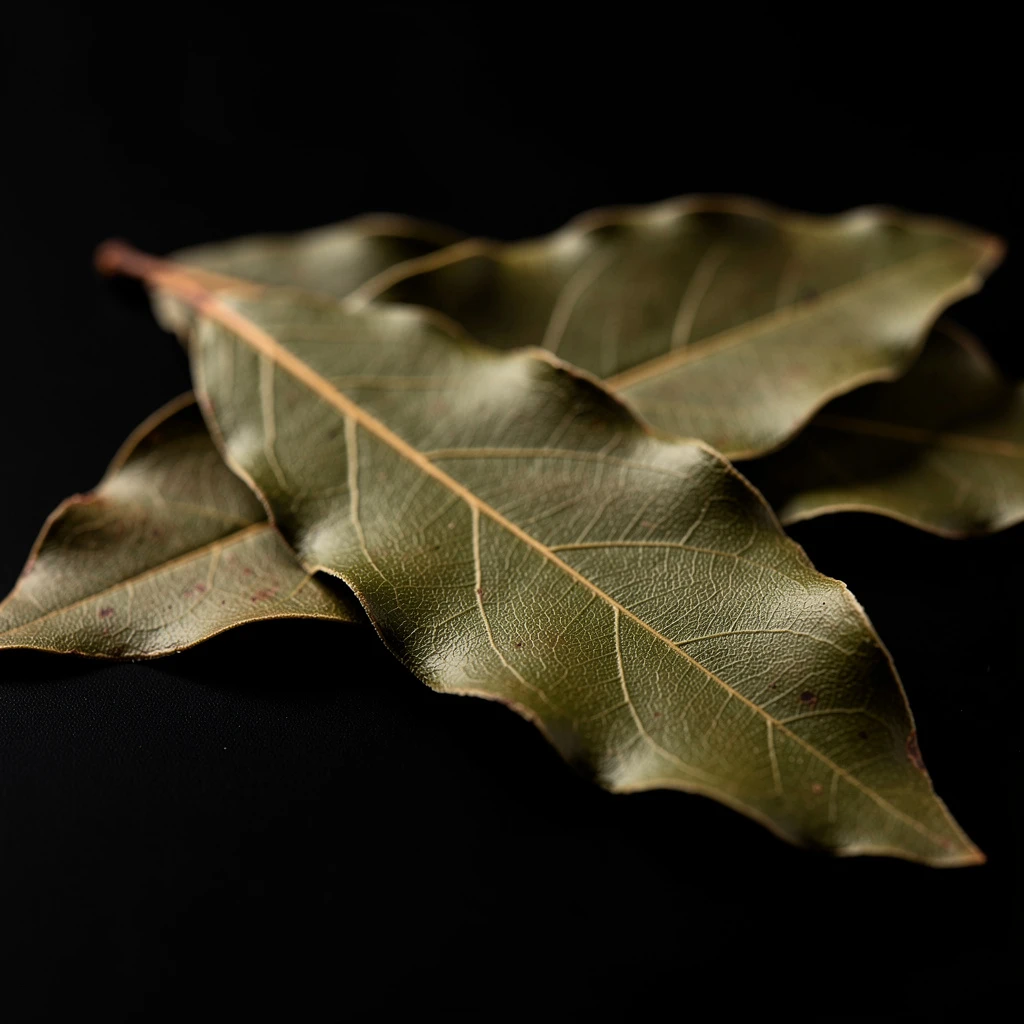
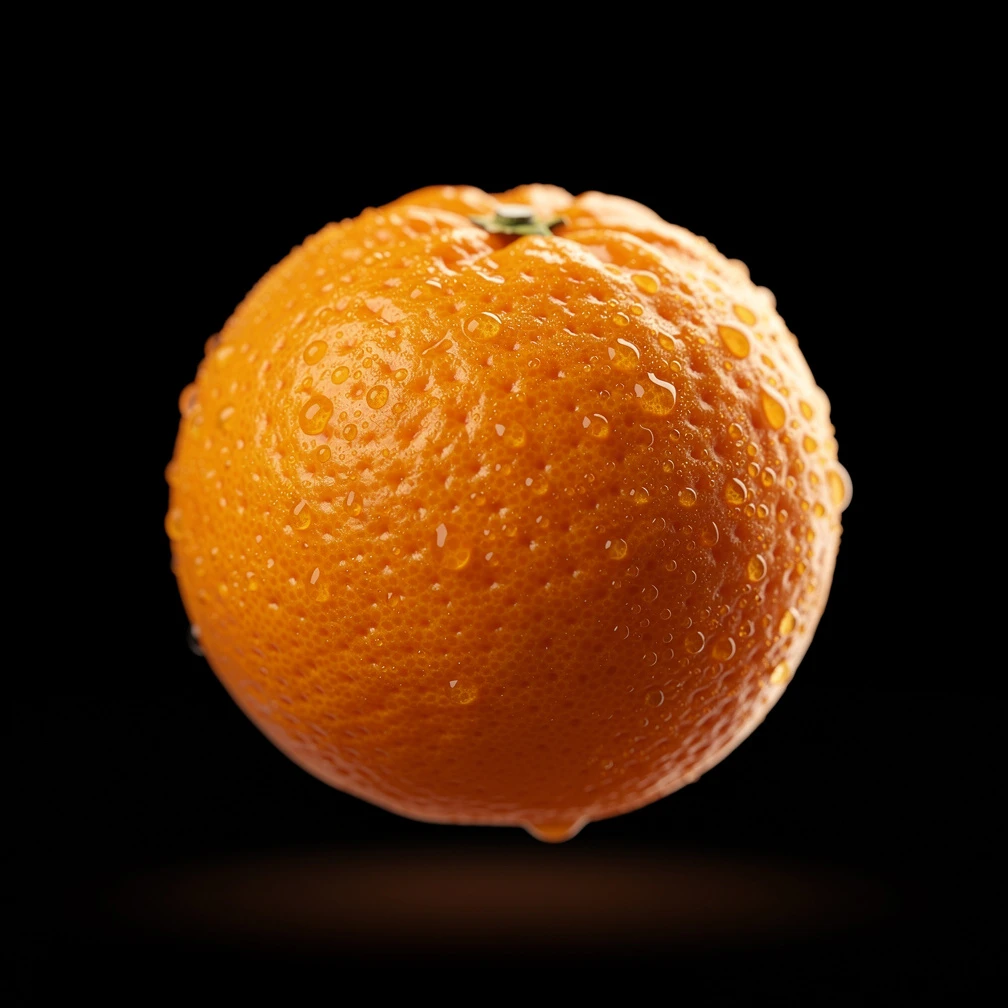
Bitter greens from the brewer's garden.
Only female hop plants produce the aromatic cones used in perfumery; male plants are removed from cultivated fields to prevent seed production.


Origin
United States
Humulus lupulus originated in Europe and Western Asia, where it has grown wild for millennia. Documented use dates to the 8th century in German monasteries, where monks began adding hops to beer for their preservative and bittering properties.
Prior to this, brewers relied on gruit—a blend of bitter herbs. Hops gradually replaced gruit across Europe by the 12th and 13th centuries.
The plant's transition into perfumery came much later, as fragrance chemists recognized the value of its complex bitter-green aroma in masculine and botanical compositions. Today, the United States Pacific Northwest dominates global hop production, particularly Yakima Valley, Washington, which supplies premium aromatic varieties to both the brewing and fragrance industries.
Wears it best
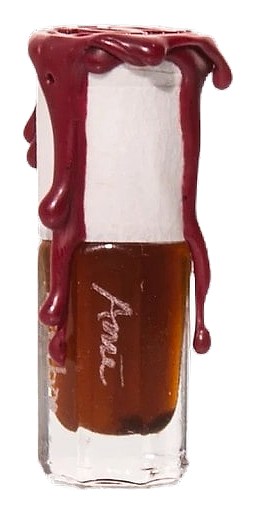
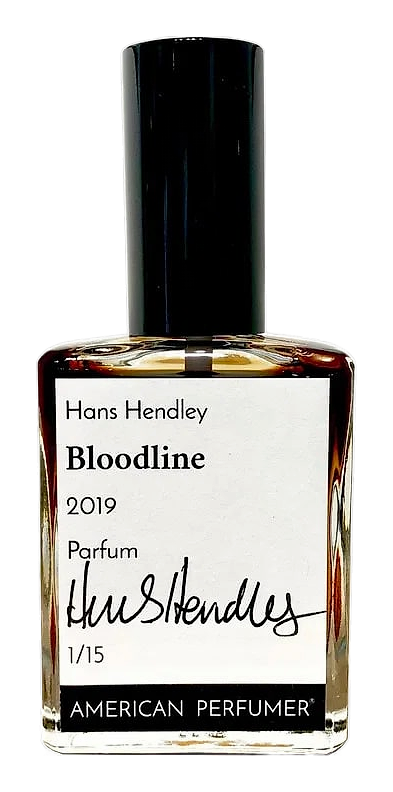
Fragrances featuring Hop

Brands
Brands known for Hop
Good to know
Questions, answered
The essentials on Hop in perfumery: how it smells, where it comes from, and how it behaves on skin.
What does hop smell like in fragrance?
Hop absolute has a bitter, resinous aroma with green herbaceous top notes, earthy undertones, and a faintly floral sweetness reminiscent of wild chamomile.
Is hop a natural or synthetic ingredient in perfumery?
Hop used in perfumery is a natural extract derived from the dried cones of Humulus lupulus, most commonly produced via solvent extraction or supercritical CO2.
Which fragrance families use hop?
Masculine bases, herbal chypres, and fresh fougères most frequently incorporate hop absolute as a modifier and fixative element.
What is hop absolute used for in perfume?
Perfumers use hop absolute to add bitter-green depth, lend a natural herbal character, and extend the longevity of masculine and botanical fragrance bases.
Where do perfumery-grade hops come from?
The Pacific Northwest of the United States, particularly Yakima Valley, Washington, is the world's leading supplier of aromatic hops for fragrance applications.
Does hop work well with other ingredients?
Hop pairs naturally with lavender, clary sage, oakmoss, vetiver, and citrus oils, creating herbal-green compositions with masculine orientation.
Is hop commonly found in mainstream perfumes?
Hop appears less frequently than common materials but shows up in masculine fragrances from heritage and niche houses seeking distinctive bitter-green signatures.
How is hop different from cannabis in scent?
While both belong to the Cannabaceae family, hop lacks the psychoactive compound THC and produces a bitter, herbal aroma rather than the funkier, earthier character of cannabis.