Honeydew Blossom
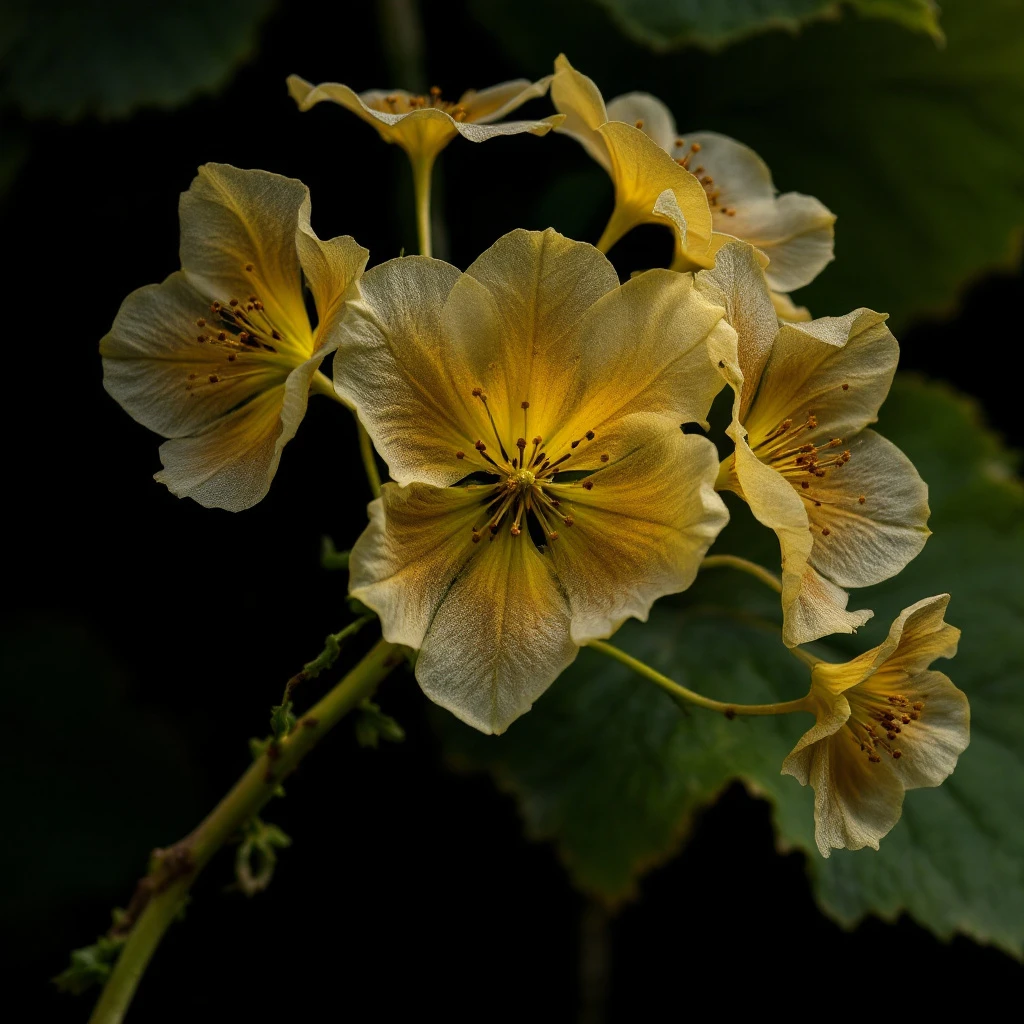
Honeydew Blossom captures the delicate, dewy scent of cantaloupe vine flowers in peak bloom. This modern aromatic captures fleeting garden freshness with rare precision.
Character
How it smells
Dewy garden freshness, bottled.
Honeydew melon vines only bloom for a single morning before closing, making each flower a fleeting aromatic event.






Origin
Switzerland
The quest to bottle garden freshness drove fragrance chemistry forward throughout the twentieth century. Before synthetic aromatics existed, perfumers relied entirely on plant extractions, which varied dramatically by season, climate, and harvest timing.
In 1895, chemists first synthesized lab-made floral scents, beginning with jasmine and rose compounds. This breakthrough opened doors to hundreds of new aromatic materials.
Honeydew Blossom emerged as part of this continuing tradition of aromatic innovation, developed to satisfy modern perfumers seeking specific green-floral effects. The ingredient reflects perfume chemistry's evolution from mimicking nature to enhancing it, giving creators tools their predecessors never possessed.
Wears it best
Fragrances featuring Honeydew Blossom
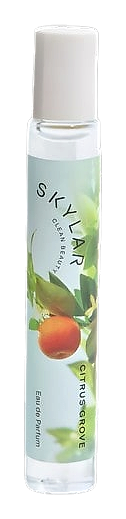
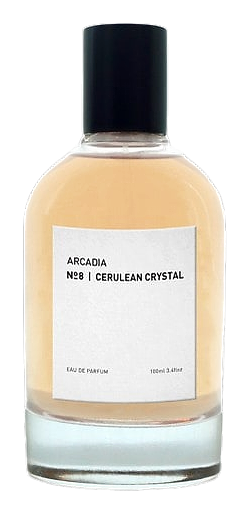
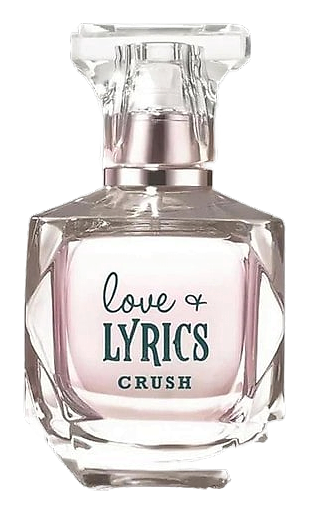
Brands
Brands known for Honeydew Blossom
Good to know
Questions, answered
The essentials on Honeydew Blossom in perfumery: how it smells, where it comes from, and how it behaves on skin.
What is Honeydew Blossom in perfumery?
Honeydew Blossom is a synthetic aromatic material designed to replicate the fresh, green-floral scent of honeydew melon vine flowers. It provides consistent fragrance chemistry that natural extracts cannot match.
Is Honeydew Blossom natural or synthetic?
Honeydew Blossom is a synthetic aromatic compound. Laboratory production ensures batch-to-batch consistency and eliminates the seasonal variability inherent in natural botanical sources.
What scent characteristics does Honeydew Blossom provide?
Honeydew Blossom delivers a clean green-floral impression with subtle melon-like freshness. It reads as dewy, slightly sweet, and reminiscent of morning garden air at first light.
What fragrance families pair well with Honeydew Blossom?
Honeydew Blossom works excellently in fresh, green, and floral compositions. It combines naturally with citrus, aquatic notes, and lighter florals like lily of the valley.
How does Honeydew Blossom differ from actual honeydew melon extract?
True honeydew melon extracts capture fruit characteristics, while Honeydew Blossom replicates the subtle floral scent of the actual vine flowers, which are far more delicate and green than the ripe fruit.
When did synthetic floral aromatics first appear?
Organic chemists first created lab-made floral scents in 1895, synthesizing compounds mimicking jasmine and rose. This breakthrough launched modern fragrance chemistry.
What concentrations do perfumers typically use for Honeydew Blossom?
Honeydew Blossom typically appears at concentrations between 0.5% and 5% in fragrance concentrates, depending on the desired green-fresh effect and the composition's overall structure.
Why do modern perfumers choose synthetic aromatics like Honeydew Blossom?
Synthetics offer reproducibility, sustainability, and precise olfactory effects. Natural extracts vary by harvest and weather, while Honeydew Blossom delivers identical results every time.


