The Story
Why it exists.
The beginning
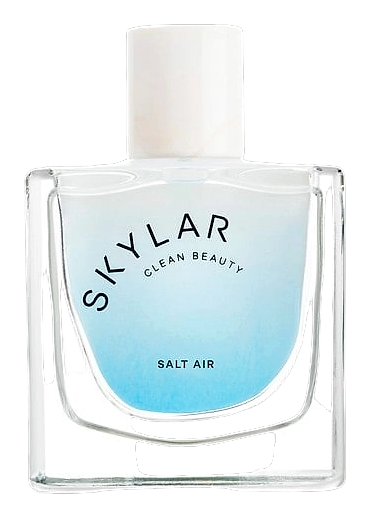
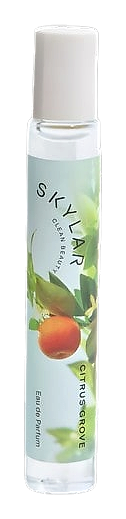
Skylar built its line around a simple conviction: fragrance should work for everyone, including sensitive skin. When Sarah Horowitz-Thran sat down to compose Citrus Grove in 2021, the brief was specific to that ethos. Build something that opens bright, stays clean, and doesn't chase the skin into irritation. The citrus gave her the brightness. The honeydew blossom and magnolia gave her the softness. Pistachio gave her the twist, a green nuttiness that arrives quietly and refuses to be ignored.
What makes the honeydew blossom and mint pairing interesting is the temperature play. Honeydew carries a cool, watery sweetness; mint brings a clean, almost mentholated lift. Together they create a heart that feels airy without being thin, the fragrance equivalent of stepping into a garden where the dew is still on the petals. The almond milk in the base is what ties everything together: it softens the citrus, rounds the nuttiness, and gives the musk and amber somewhere warm to land. No single note dominates. The whole composition earns its name.
The evolution
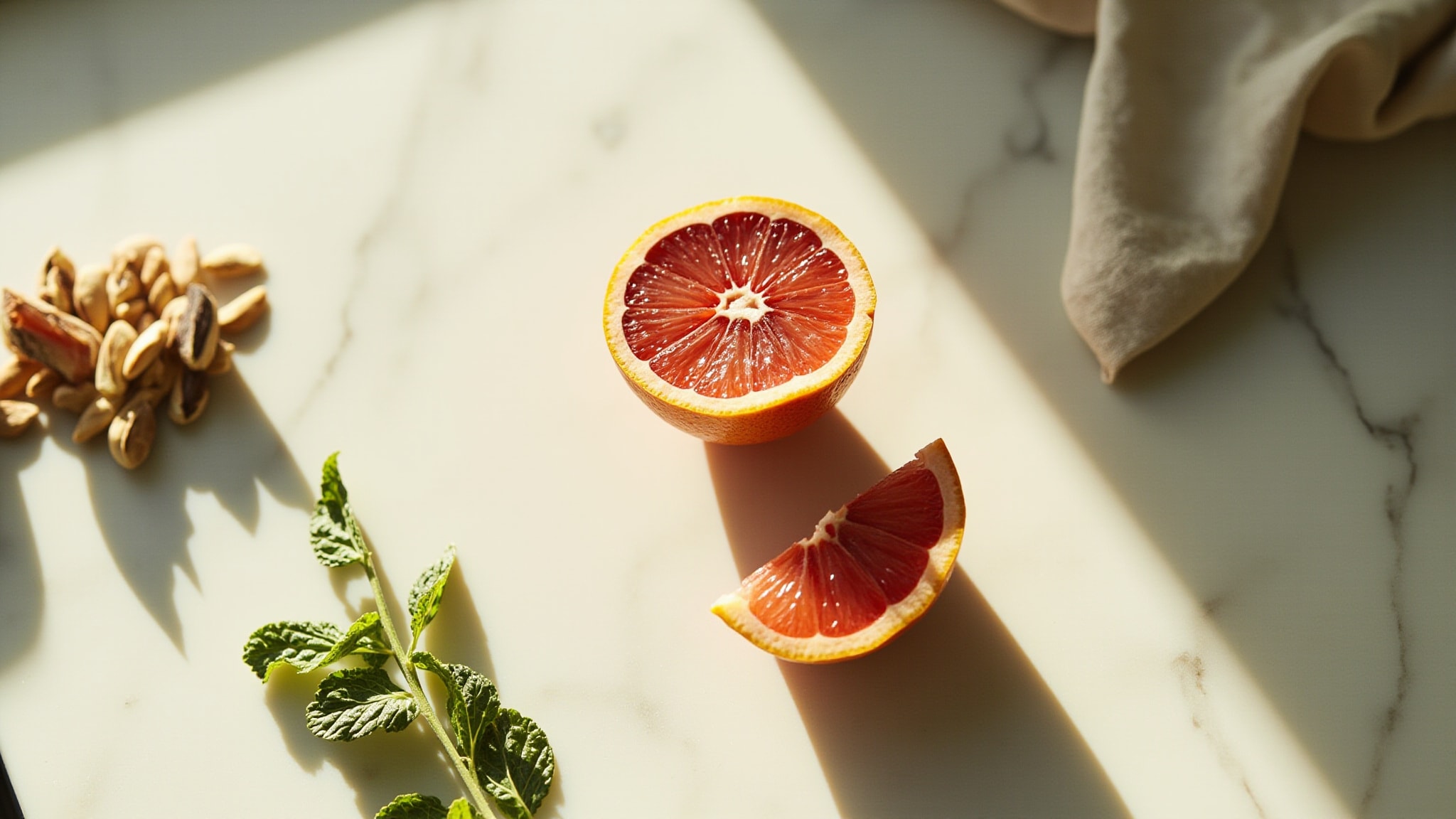
Citrus Grove opens with a bitter edge. The grapefruit reads more like orange peel than zest, there's pith in it, a slight astringency that wakes the skin rather than decorates it. Mandarin follows, sweeter but still restrained, and the pistachio is the quiet third voice that adds just enough depth to keep it from smelling generic. Around the thirty-minute mark the mint arrives and the whole thing cools down, the floral heart of magnolia and honeydew blossom softens the citrus, shifting it from sharp to green. Two to three hours in, the almond milk asserts itself. That's the turn: the brightness recedes and what remains is warm, close, skin-like. Musk and amber hold the base without dragging it down. By hour four, it's intimate. By hour five, it's a memory.
Cultural impact
Citrus Grove arrived during the clean beauty boom of the late 2010s and early 2020s, when consumers began questioning what they put on their skin. Skylar's launch in 2017 preceded a wave of hypoallergenic and transparent fragrance brands. The scent itself represents a shift away from dense, sillage-heavy perfumes toward breathable, everyday wearability. Its clean chemistry approach mirrored broader wellness culture priorities, and the straightforward citrus-floral-nut arc made complex fragrance more accessible to newcomers. The 2021 release found its audience among professionals and minimalists seeking presence without projection.