Hibiscus Blossom
Hibiscus blossom brings a vivid tartness to fragrance, like biting into a sun-ripened berry. Its jammy sweetness and tropical warmth make it a standout among florals.
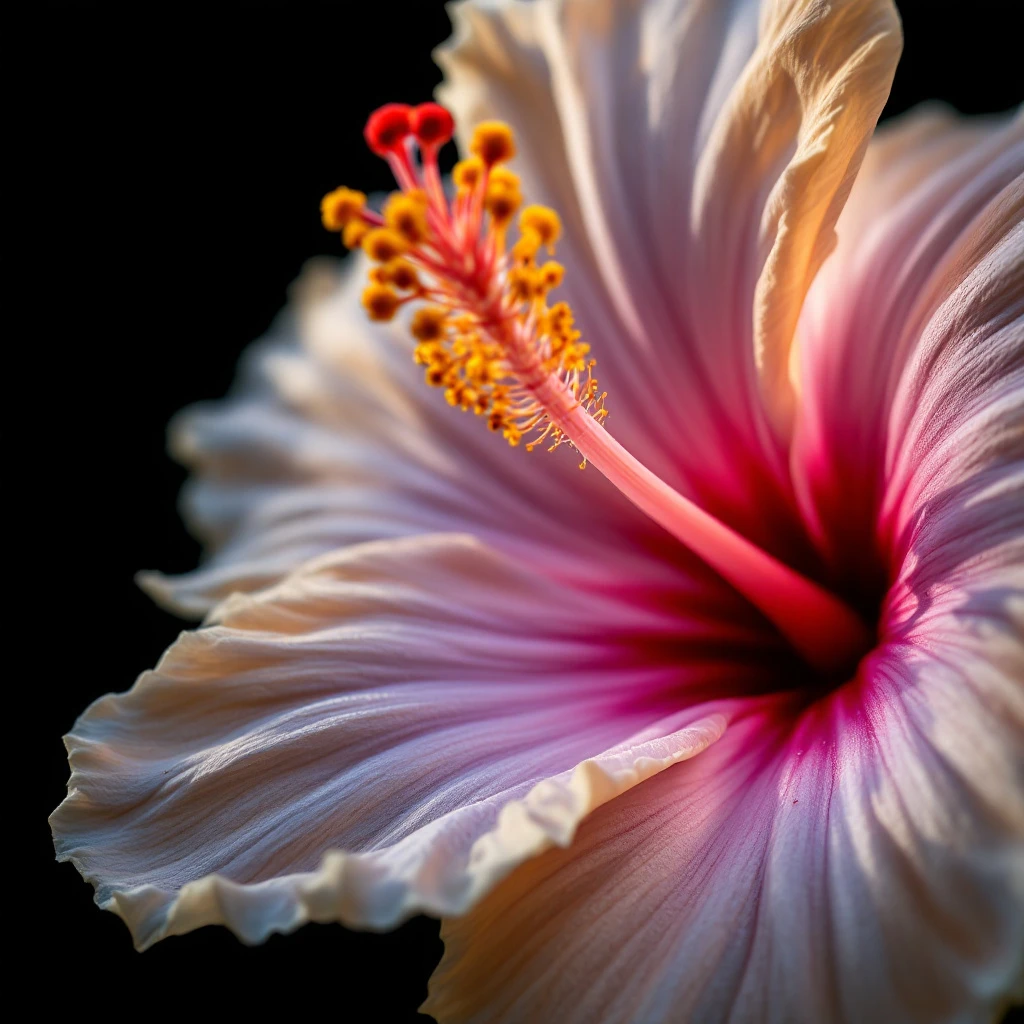
Character
How it smells
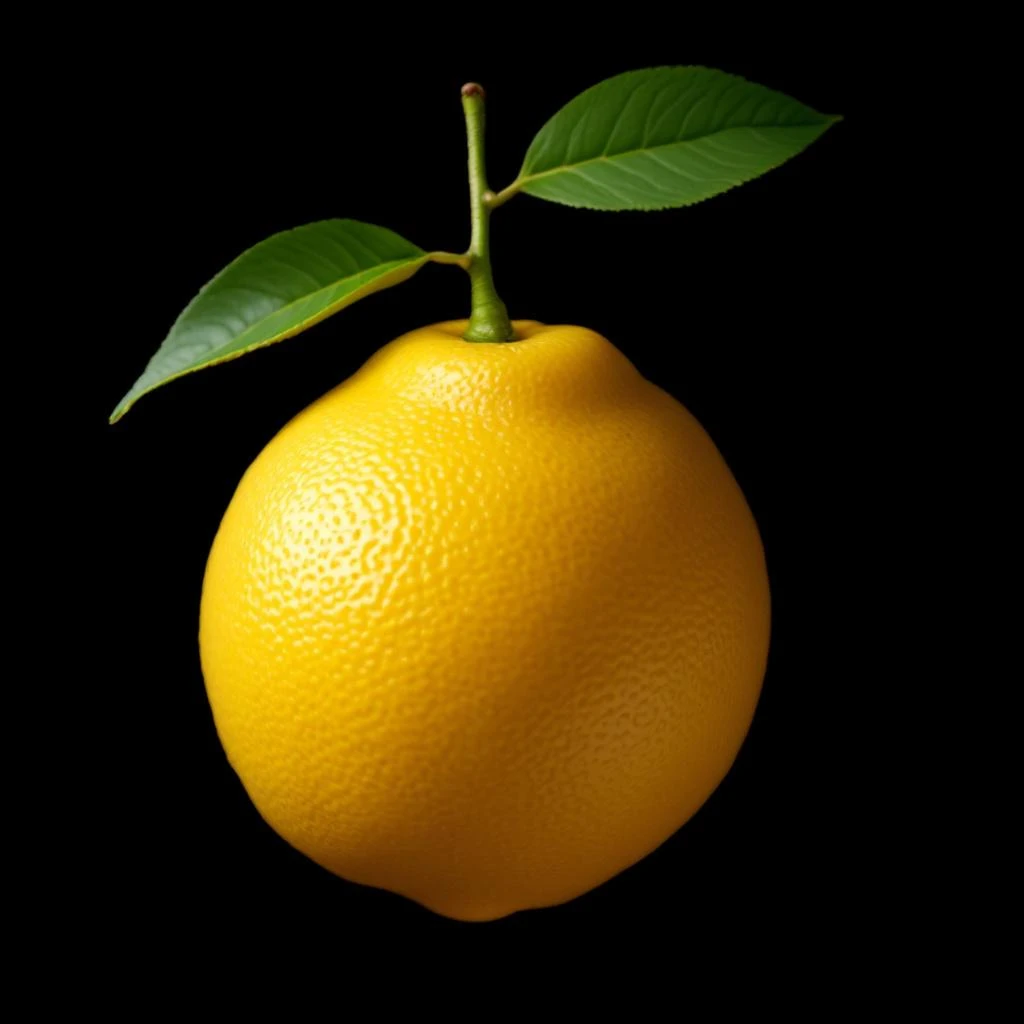
Jammy, tart, and unmistakably tropical.
Hibiscus belongs to the Malvaceae family, which also includes okra, cotton, and cocoa.




Origin
China
Hibiscus flowers have grown across tropical Asia for thousands of years. Ancient cultures valued them for their beauty, medicinal properties, and fragrance. Chinese cultivation of Hibiscus rosa-sinensis dates back centuries, while Indian traditions incorporated hibiscus into religious ceremonies and Ayurvedic preparations.
Pacific island cultures used hibiscus for both fragrance and practical purposes. This long relationship between humans and hibiscus eventually influenced Western perfumery, though extracting the scent proved difficult. The flower did not become a recognized perfumery ingredient until modern extraction techniques advanced.
Today hibiscus represents a newer chapter in fragrance history, prized for its distinctive character that sets it apart from traditional florals like jasmine and rose.
Wears it best
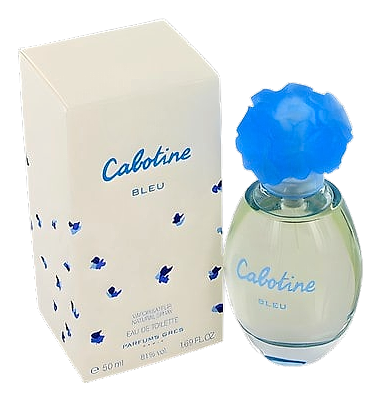
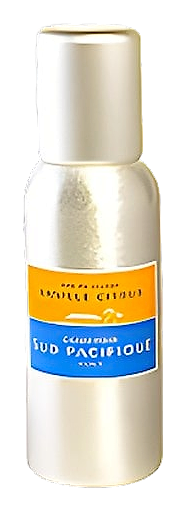
Fragrances featuring Hibiscus Blossom
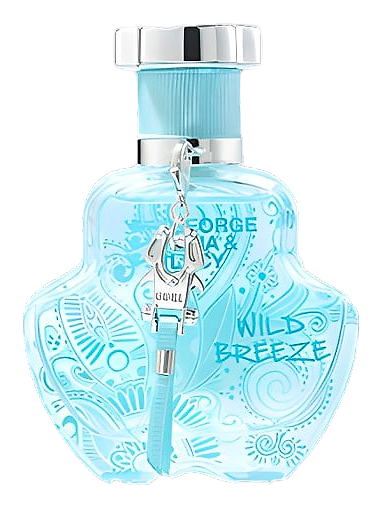
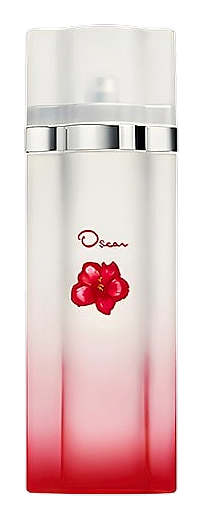
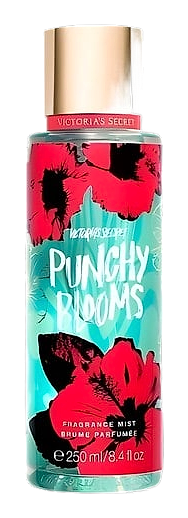
Brands
Brands known for Hibiscus Blossom
Good to know
Questions, answered
The essentials on Hibiscus Blossom in perfumery: how it smells, where it comes from, and how it behaves on skin.
What does hibiscus smell like in perfume?
Hibiscus smells like cranberry jam with tropical florals. The scent carries sweet, jammy notes with a distinctive tartness that gives it a berry-like quality. A subtle citrus brightness and green undertones round out the profile.
Why is hibiscus considered unique among floral notes?
Hibiscus stands apart because its tartness resembles a fresh berry rather than a traditional flower. While jasmine and rose offer sweet warmth, hibiscus brings acidic brightness. This quality gives it versatility in both bright summer scents and unexpected contrast pairings.
How do perfumers extract fragrance from hibiscus?
Steam distillation fails with hibiscus petals because the delicate compounds break down under heat. Perfumers turn to solvent extraction instead, producing a hibiscus absolute that captures the flower's full aromatic profile.
Is hibiscus a natural or synthetic ingredient in perfume?
Both exist in perfumery. Natural hibiscus absolute remains rare because extraction from fresh petals is difficult and costly. Most commercial fragrances rely on synthetically reconstructed aromatic molecules that reliably mimic hibiscus's tart, jammy sweetness at scale.
What type of extract does hibiscus produce?
Hibiscus yields an aromatic absolute through solvent extraction. This thick, deeply colored material captures the flower's scent profile more completely than steam-distilled essential oil, which is why it is the standard extract for perfumery use.
Is sourcing hibiscus sustainably possible?
Yes. Hibiscus is widely cultivated as a food crop, particularly in Sudan, India, and Mexico, with multiple harvests per year. This makes responsible sourcing more feasible than for rarer botanicals, though supporting fair-trade agricultural practices still matters.
Which ingredients pair well with hibiscus in fragrance?
Hibiscus harmonizes naturally with tropical companions like coconut, mango, and passion fruit. It also combines interestingly with other florals such as rose and jasmine, or with unexpected contrasts like smoky vetiver and warm resins.
What species of hibiscus does perfumery use?
Perfumers work with several species from the Malvaceae family. Hibiscus sabdariffa, known as roselle, provides the hibiscus absolute used in fine fragrance. Ambrette seeds from Hibiscus abelmoschus yield a separate aromatic material with distinct musky qualities.