Healingwood
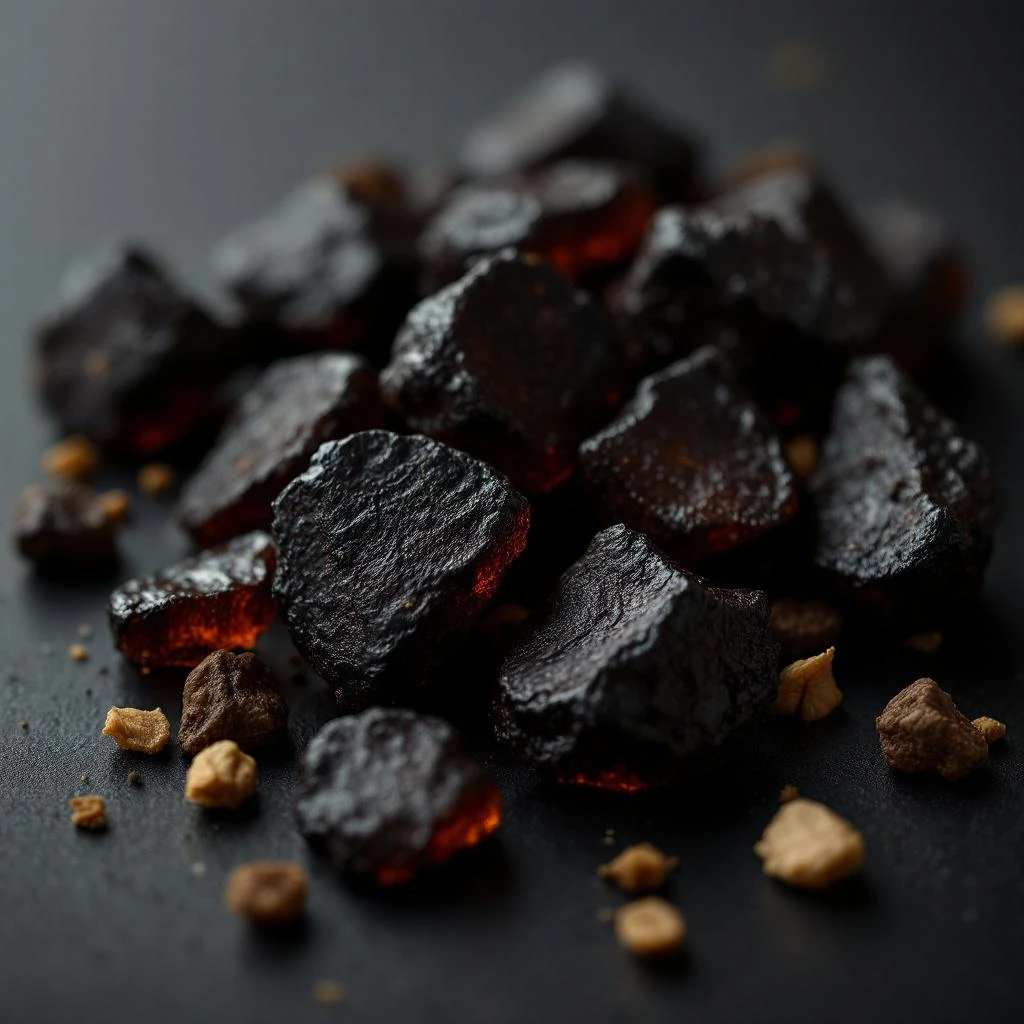
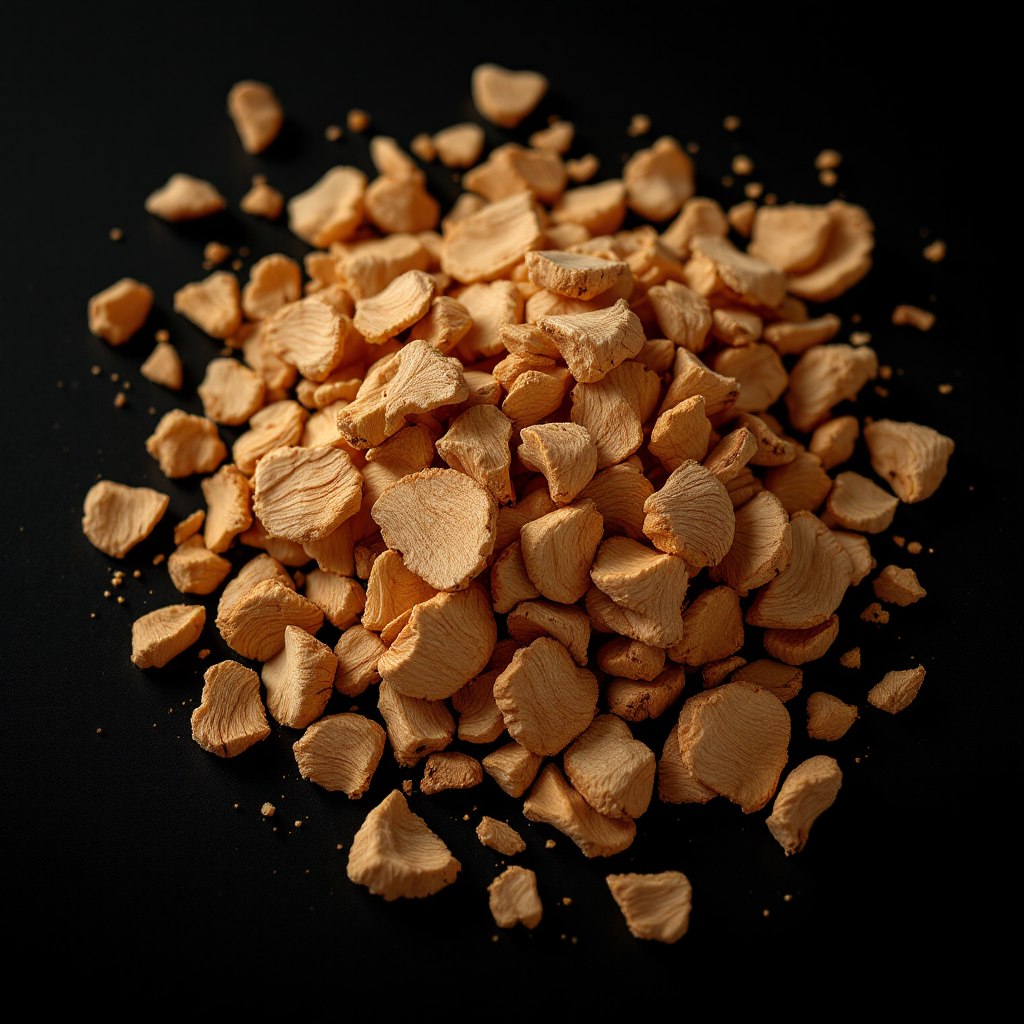
Healingwood captures the restorative essence of ancient arboreal remedies. This modern perfumery accord blends the grounding depth of patchouli with the balsamic warmth of guaiacwood, evoking the calm of a forest sanctuary.
Character
How it smells
Where ancient wisdom meets modern woody depth.
Healingwood emerged from LMR Naturals in 2010 when perfumers sought radiant woods without the heaviness of traditional patchouli.





Origin
Multi-origin (India, Paraguay)
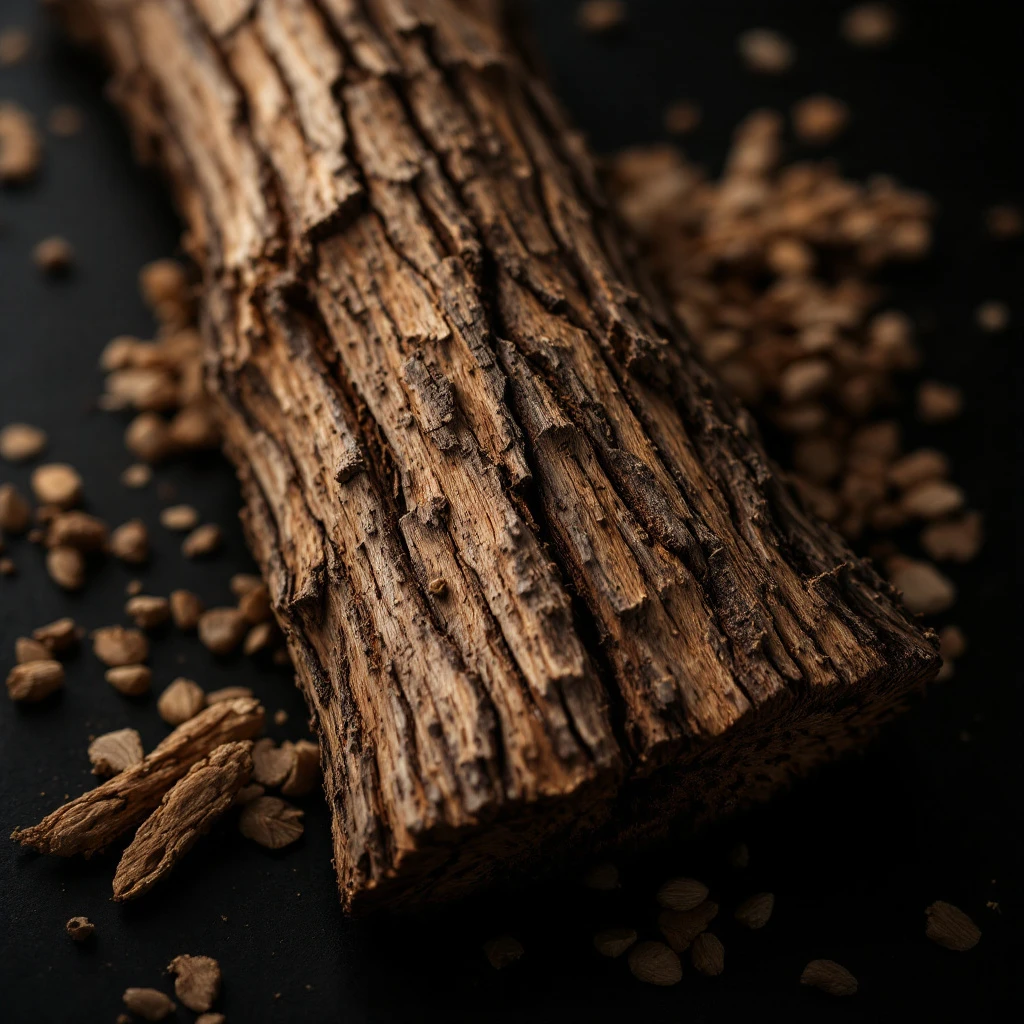
The concept of Healingwood draws from a long human tradition of turning to trees for physical and spiritual restoration. Guaiacum wood, central to this accord, arrived in Europe in the 16th century aboard Spanish treasure ships, quickly becoming a remedy for syphilis and inflammatory conditions throughout the continent's pharmacies. Meanwhile, patchouli has anchored Eastern fragrance traditions for centuries, used in textiles and religious rites across India and Southeast Asia.
LMR Naturals formalized this lineage in 2010, creating Healingwood as a bridge between herbal medicine's woody materia medica and contemporary perfumery's demand for complex, multi-dimensional base notes. The accord gained rapid adoption among niche fragrance houses seeking to evoke therapeutic forests without relying on endangered sandalwood.
Wears it best
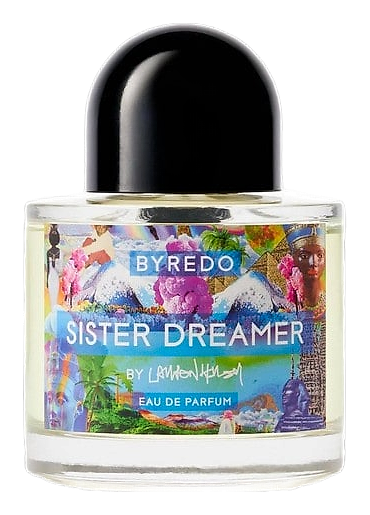
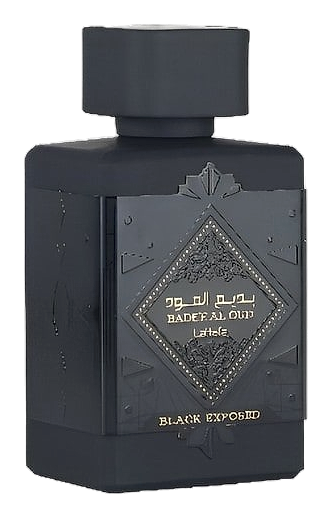
Fragrances featuring Healingwood
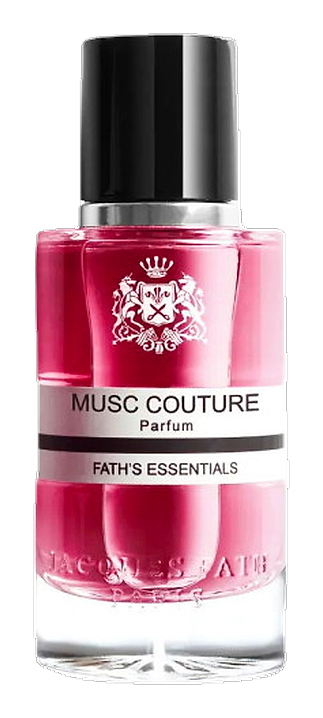
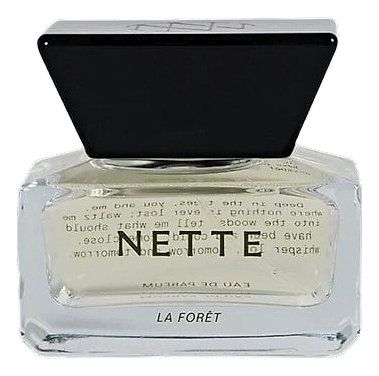
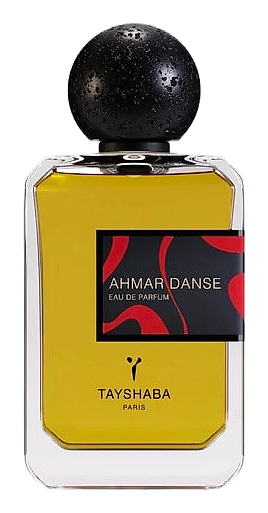
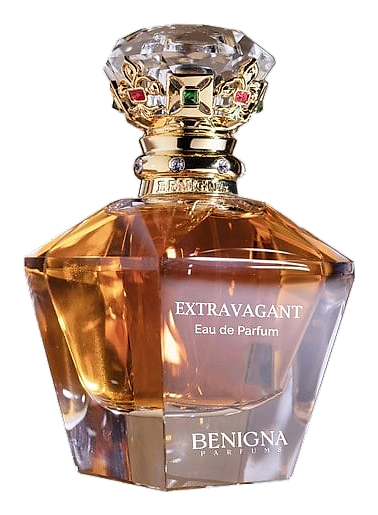
Brands
Brands known for Healingwood
Good to know
Questions, answered
The essentials on Healingwood in perfumery: how it smells, where it comes from, and how it behaves on skin.
What exactly is Healingwood in perfumery?
Healingwood is a concept accord, not a single botanical. It recreates the restorative, warm-woody character of traditional medicinal woods by blending patchouli's earthiness with guaiacwood's cleaner woody-rosy notes.
Does Healingwood contain natural patchouli?
Yes. Patchouli leaf oil forms the aromatic backbone. Global patchouli production reaches approximately 1,300 tonnes annually, with India and Indonesia as leading suppliers.
What fragrance families use Healingwood?
Modern chypre structures benefit most from Healingwood. The accord also works in woody-oriental and fresh fougere compositions where radiant, non-heavy base notes are needed.
How does Healingwood differ from regular patchouli?
Standard patchouli can feel dense and earthy. Healingwood tempers this with guaiacwood's brighter, rosier woody character, producing a more luminescent effect in the dry-down.
Is Healingwood sustainable to source?
Guaiacwood oil typically derives as a byproduct of furniture-grade wood processing, making it relatively efficient. Patchouli cultivation supports smallholder farmers across Sumatra and Java.
When did Healingwood first appear in perfume?
LMR Naturals introduced Healingwood around 2010, and it appeared in commercial fragrances by 2012. Several niche houses have featured it as a signature base note since.
What aromas pair well with Healingwood?
Bergamot, labdanum, iris, and musks create natural pairings. The accord bridges citrus freshness and resinous warmth without overwhelming mid-section florals.