Green Suede
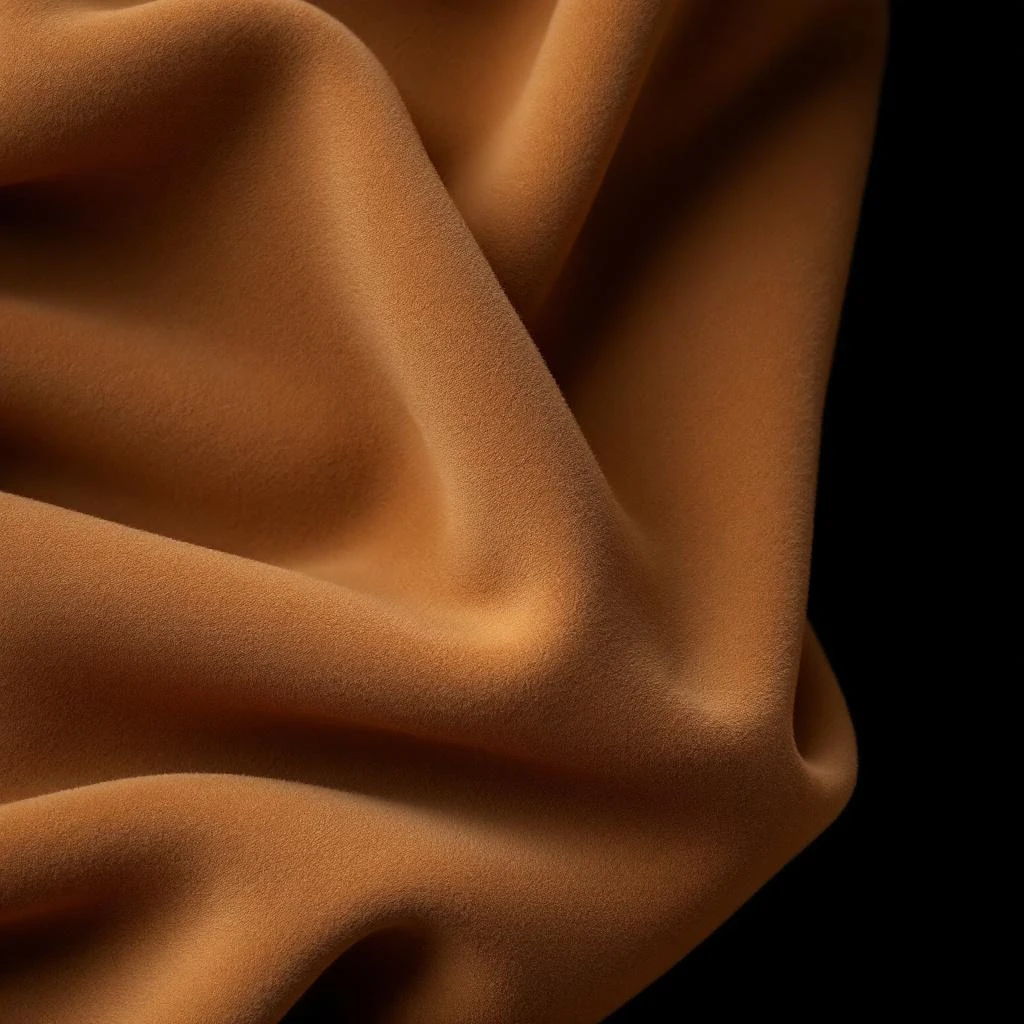
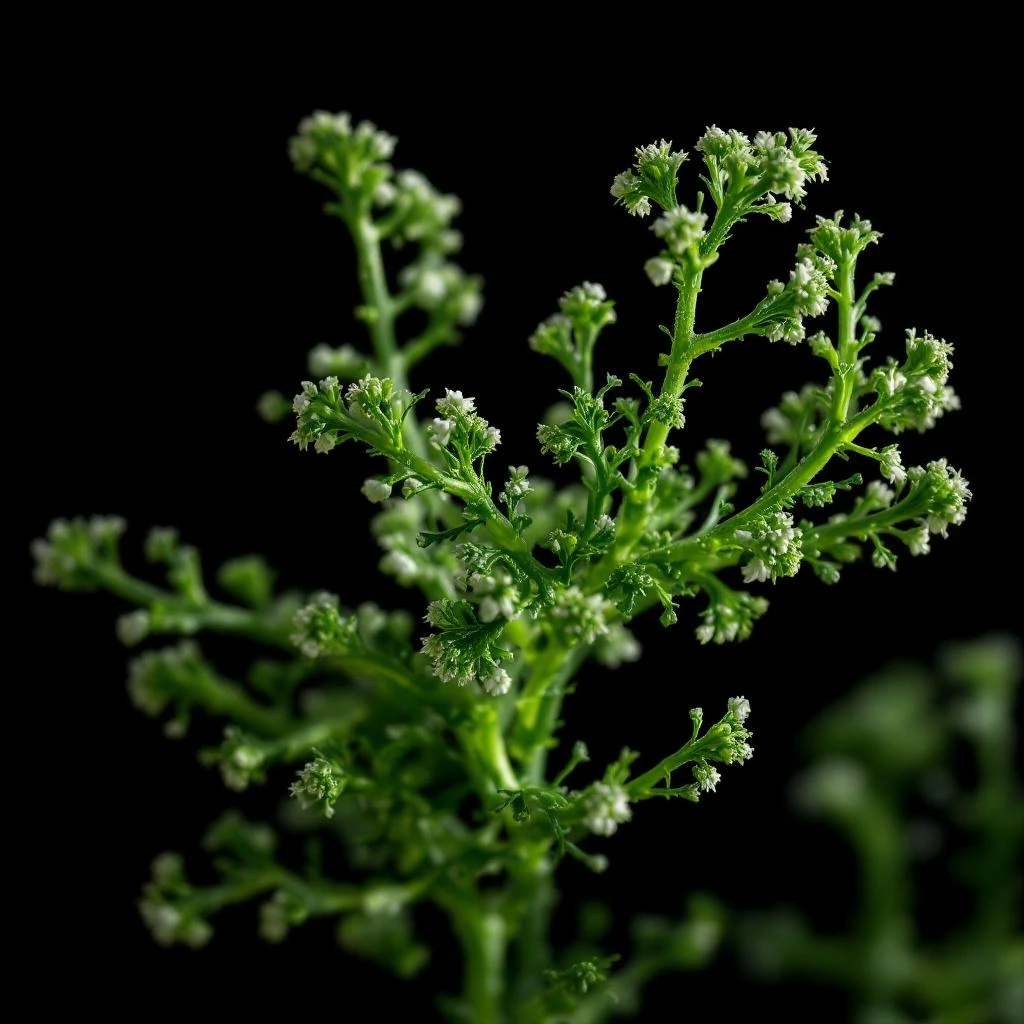
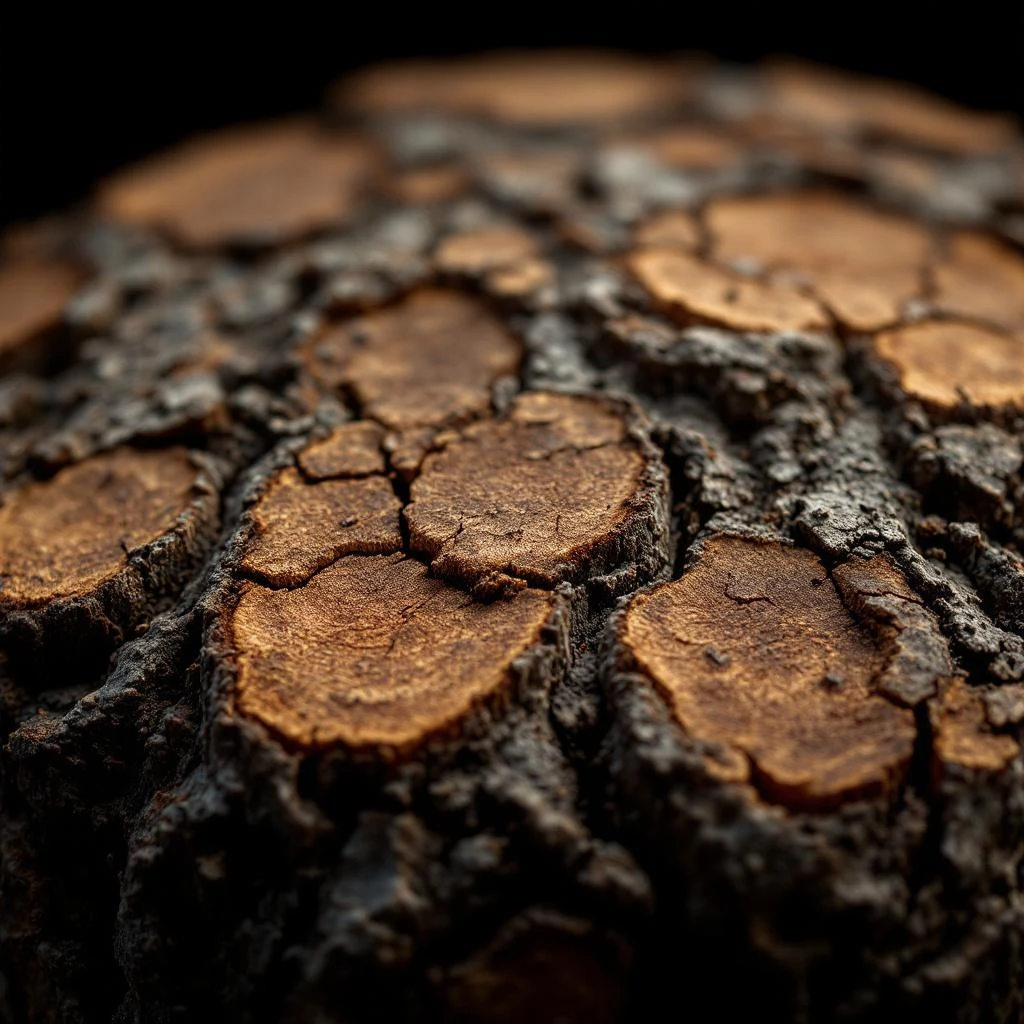
Green suede brings the dry, velvety scent of brushed suede into focus with a restrained leafy accent, balancing soft texture and quiet herbal depth.

Character
How it smells
Velvety leather, softened by a cool green facet.
Although called a leather note, green suede is usually composed from synthetic aroma molecules rather than extracted leather.






Origin
France
Suede has a long cultural history as a tactile material, but its fragrance interpretation belongs mainly to modern perfumery rather than to the extraction of actual suede. Early perfumes drew heavily on plant oils, resins, and fragrant woods, while leather-like effects emerged more clearly once modern aroma chemistry made it possible to construct impressions independent of their physical source. The commercial synthesis of aroma compounds in the late nineteenth century gave perfumers new tools for familiar notes such as vanilla, coumarin, and later leather accords.
As French and European leather traditions shaped the language of perfumery, suede developed a distinct image: clean, close, and velvety rather than glossy or heavily smoked. The green variant extends this classic association with diffuse herbal and moss-like notes. It reflects a broader move in perfumery toward recreating impressions through blended molecules.
Many green notes are likewise supplied as synthetic compositions, allowing consistent color, strength, and stability. Green suede therefore sits between material memory and olfactory construction, presenting the intimate character of soft leather through a cool, leafy lens.
Wears it best
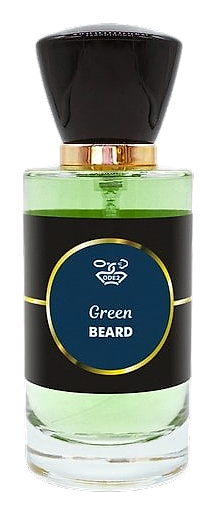
Fragrances featuring Green Suede
Brands
Brands known for Green Suede
Good to know
Questions, answered
The essentials on Green Suede in perfumery: how it smells, where it comes from, and how it behaves on skin.
What does green suede smell like in perfume?
Green suede smells soft, dry, and velvety, with a leather-like center and a cool accent of leaves, moss, or herbs. It suggests brushed suede without the strong animal or smoky character found in many leather scents.
Is green suede made from real suede?
No, green suede is generally not extracted from animal hide. Perfumers build the effect with blended woody, leather-like, green, and synthetic aroma compounds.
Is green suede the same as leather?
No. Leather usually suggests a richer, often smoky or polished hide, while green suede is drier, softer, and paired with a fresher herbal or mossy facet.
Which fragrance notes pair well with green suede?
Green suede pairs well with woods, vetiver, moss, soft florals, and aromatic herbs. It works especially well beside sandalwood, cedar, violet leaf, and tea-like accords.
Is green suede a natural or synthetic fragrance note?
It can include natural-derived materials, but most green suede accords rely on synthetic aroma molecules. This approach gives perfumers consistent texture and a controlled balance of leather, woods, and greenery.
Where does the idea of suede fragrance come from?
The idea reflects the cultural association between suede and French leathercraft, especially in footwear and leather goods. Perfumery later translated that tactile, close-to-the-skin impression into an abstract accord.
Why are most green notes synthetic in modern perfumery?
Most green notes are recreated with synthetic molecules because they offer consistency, strength, and stability. Natural sources can vary by harvest, region, and extraction method, making precise formulation more difficult.
Does green suede smell only like leather?
No. Its green side adds a restrained leafy or mossy character, making it cleaner and more aromatic. The composition may move from suede-like softness toward damp foliage, but it should never smell dominated by raw leather.