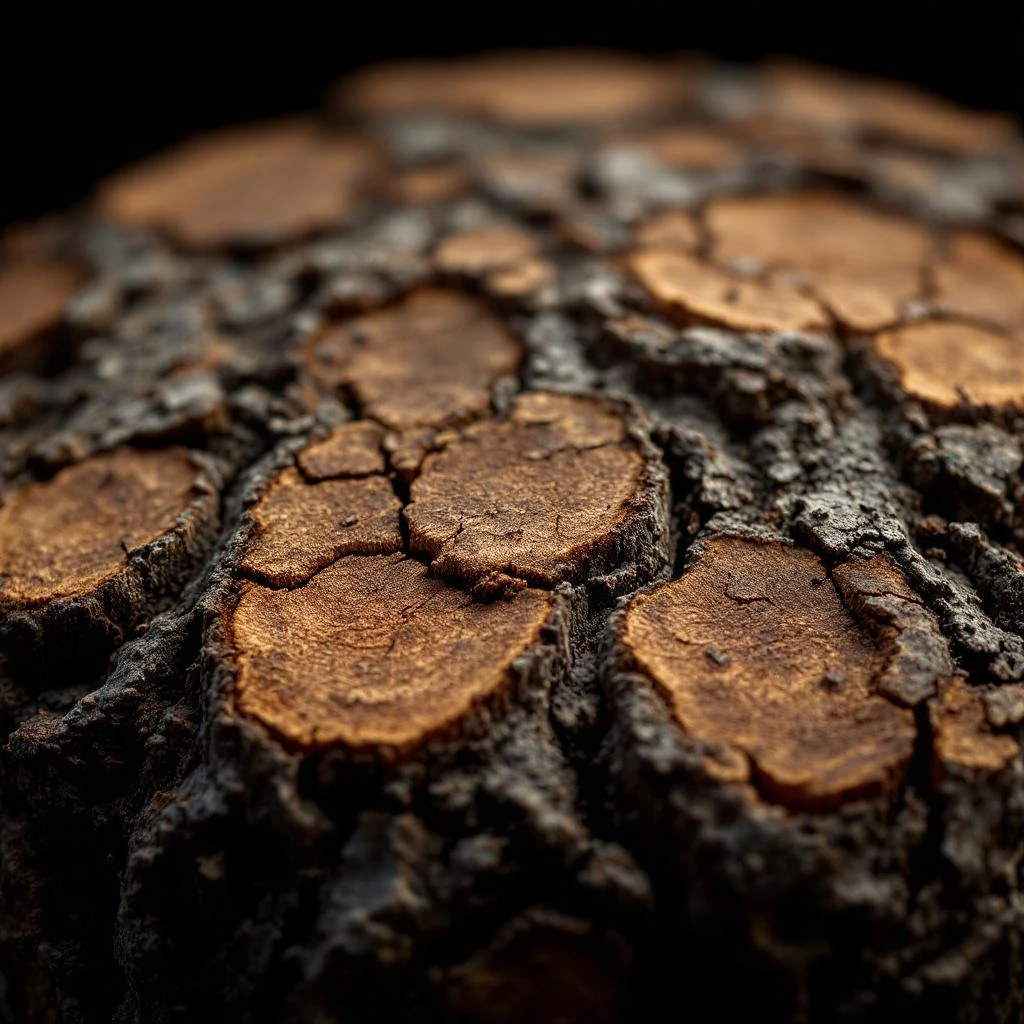
Tree bark
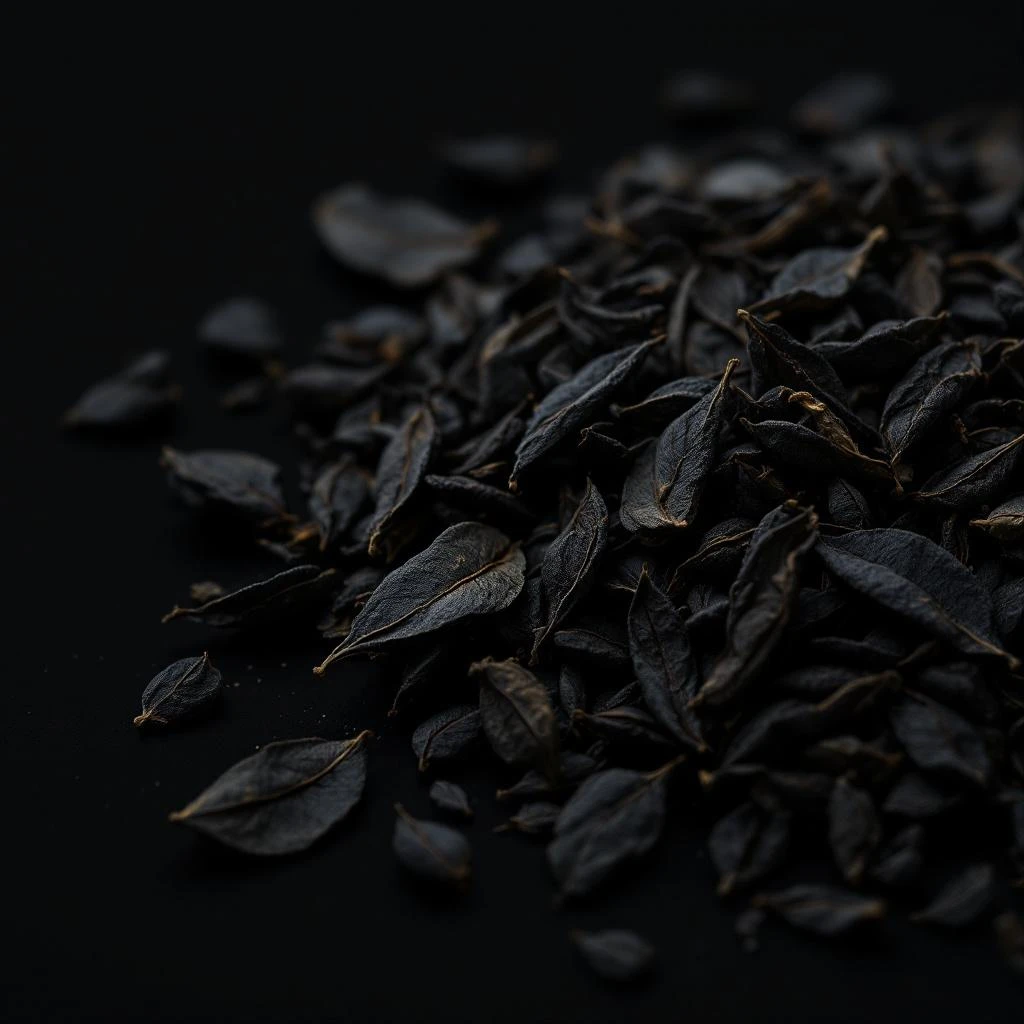
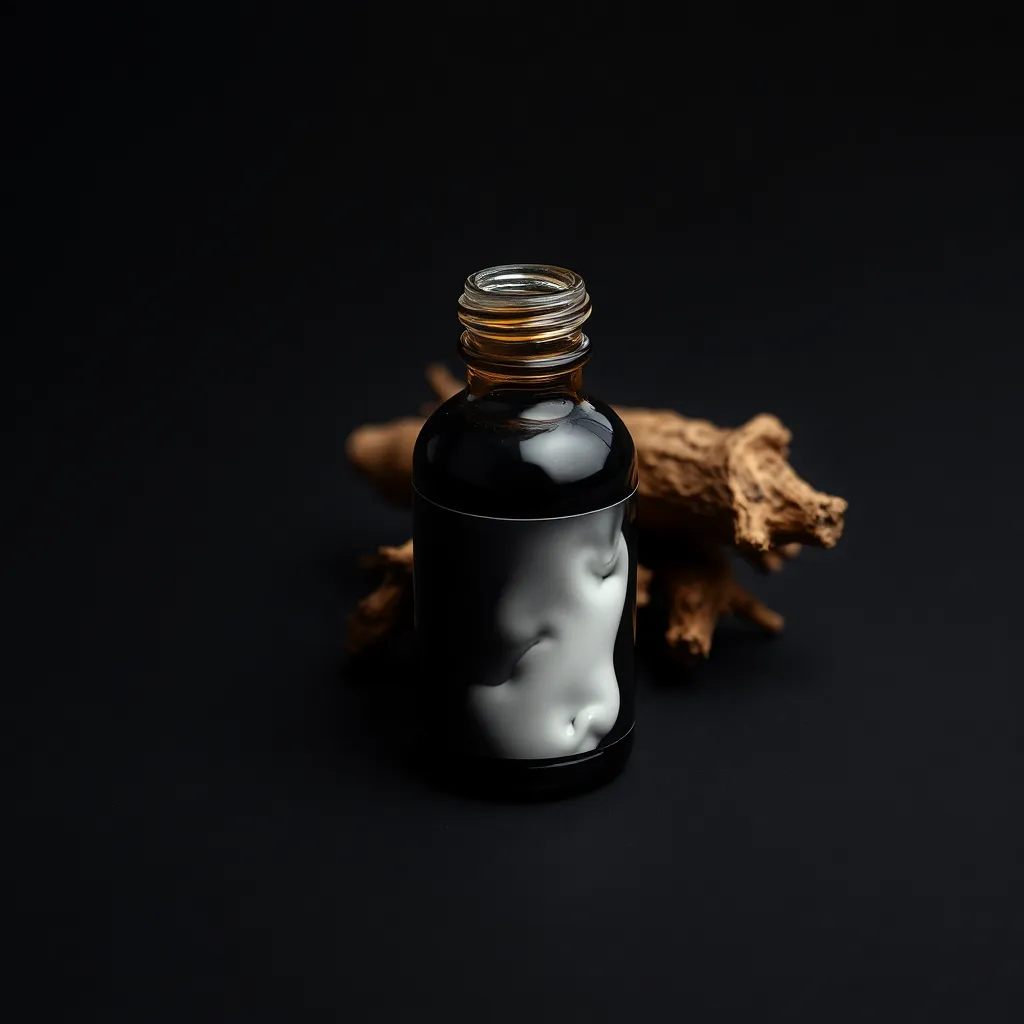
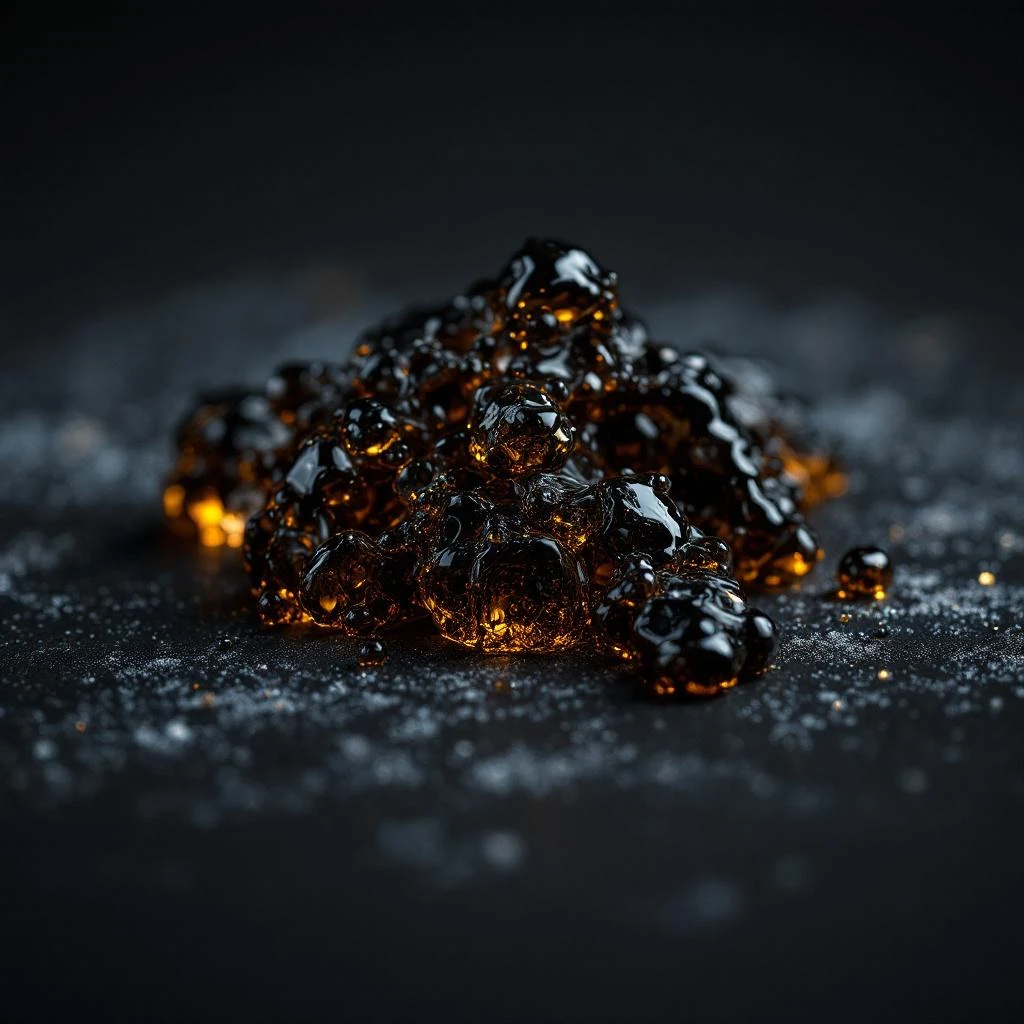
Tree bark supplies dry, smoky, resinous tones that anchor a fragrance, offering a natural counterpoint to brighter notes. Its textured aroma evokes forest floor and aged timber, adding depth and stability to complex blends.
Character
How it smells
Grounded bark, timeless depth in every scent.
The first synthetic vanilla flavor, vanillin, was derived from pine bark in 1874, marking a milestone in modern chemistry.






Origin
Germany
Ancient Egyptians burned bark of cinnamon and myrrh in temples, believing the smoke carried prayers to the gods. Greeks and Romans added birch tar to ceremonial ointments, noting its antiseptic qualities. In medieval Europe, pine bark was a staple in incense blends used during religious rites.
The 19th century brought scientific attention when Wilhelm Haarmann patented a method to synthesize vanillin from pine bark, linking bark to modern flavor chemistry. By the early 20th century, perfume houses such as Chanel and Dior began incorporating bark absolutes to add smoky depth, a practice that continues in contemporary niche fragrances.
Wears it best
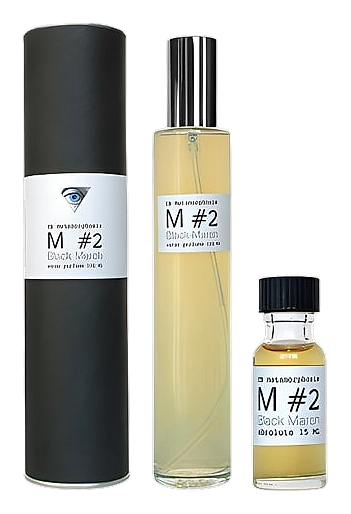
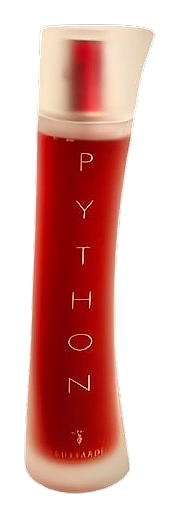
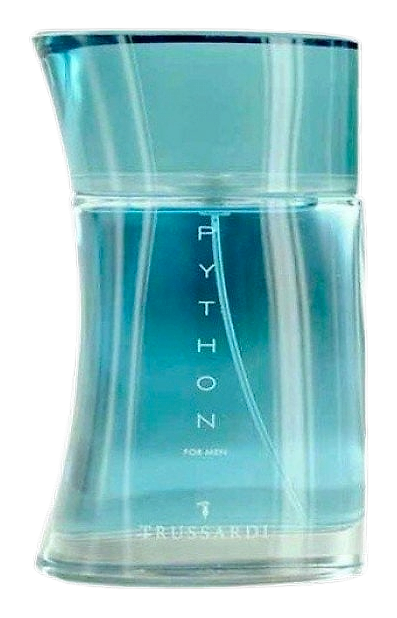
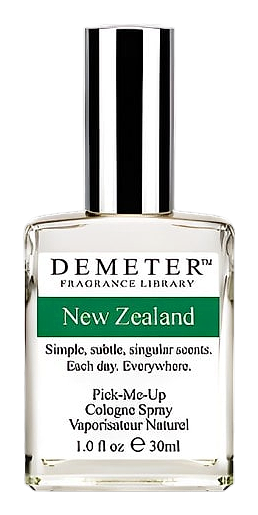
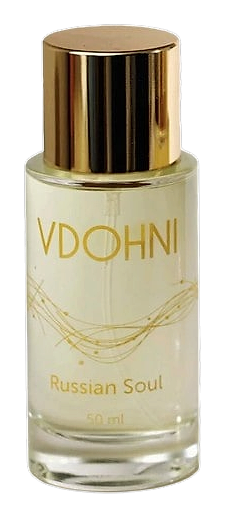
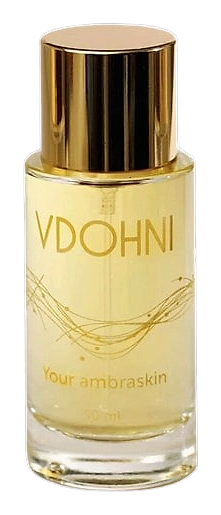
Fragrances featuring Tree bark
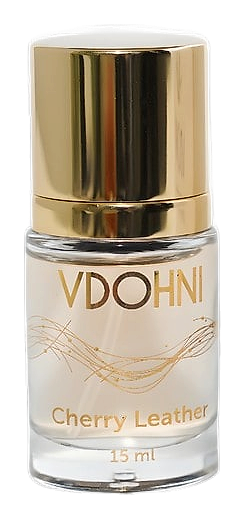
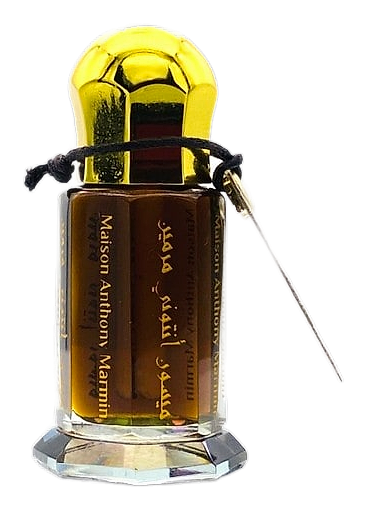
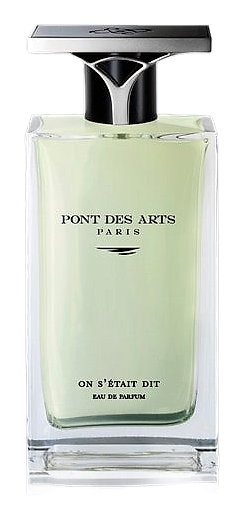
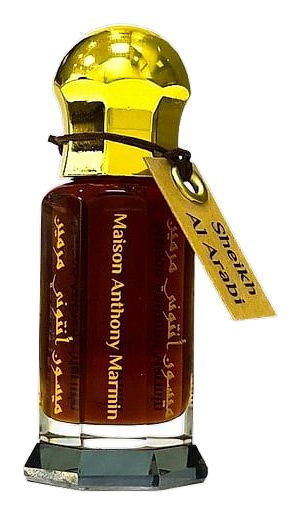

Brands
Brands known for Tree bark
Good to know
Questions, answered
The essentials on Tree bark in perfumery: how it smells, where it comes from, and how it behaves on skin.
What scent profile does tree bark provide?
Tree bark adds dry, smoky, resinous notes that feel like forest floor. In a 2020 GC‑MS study, pine bark oil contained 45 % pinene, a compound that delivers the characteristic crisp, woody aroma.
Which extraction method yields the purest bark oil?
Steam distillation produces the cleanest essential oil from bark, preserving volatile terpenes while removing heavy resins. A 2018 comparison showed steam‑distilled pine bark oil retained 92 % of its original α‑pinene content versus 68 % after solvent extraction, making it the preferred choice for high‑purity applications.
How is bark harvested sustainably?
Harvesters strip bark during the dormant season, leaving the cambium intact so the tree can heal and continue growth. The Forest Stewardship Council recorded that 2021 German pine forests saw a 12 % increase in certified bark harvests, confirming compliance with sustainable standards.
Which major perfume houses have featured bark notes?
Chanel, Dior, and Tom Ford have incorporated bark‑derived absolutes in several flagship scents. In 2015 Chanel’s “Sycomore” listed birch tar as a key ingredient, contributing a smoky backbone that reviewers measured at 0.3 % concentration in the final formula, and remained stable over a six‑month aging test.
Can bark be used in natural cosmetics?
Yes, bark extracts appear in after‑shave balms and deodorants for their antiseptic and astringent properties. A 2019 safety assessment listed pine bark oil at a maximum of 0.5 % in leave‑on products, confirming its compliance with EU cosmetic regulations, making it suitable for daily skin routines.
Does bark contain common allergens?
Some bark oils, especially from birch and oak, include methyl salicylate, a known skin sensitizer. The 2021 EU Cosmetic Ingredient Database recorded 3 % of patch‑test participants reacting to birch bark oil at 0.2 % concentration, indicating careful formulation is required for sensitive users.
How long does bark oil last on skin?
Tree bark essential oil typically persists for 6–8 hours, thanks to its high terpene content. A 2022 wear‑test on 30 volunteers measured an average longevity of 7.2 hours for pine bark oil applied at 1 % concentration, making it a reliable base for daytime compositions.
What is the typical concentration of bark note in a perfume?
Formulators usually include bark absolutes at 0.1–0.5 % of the total fragrance oil, balancing its intensity with lighter accords. In a 2018 survey of 120 niche perfumes, the average bark content measured 0.32 % by weight, ensuring the note remains subtle yet perceptible.