
The Story
Why it exists.
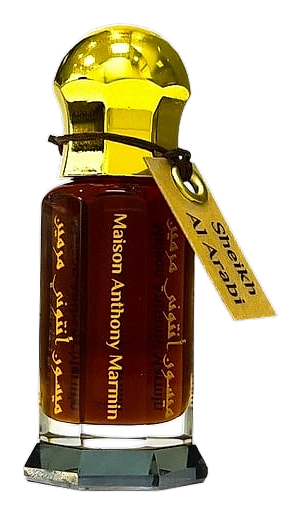
Sheikh Al Arabi takes its name from a hadith, a recorded saying of the Prophet Muhammad, describing how Ibn Umar performed fumigation using pure aloeswood, or aloeswood with camphor added. The house didn't want to simply reference Arabian heritage in name alone. Anthony Abdul Karim Marmin built the composition around that exact pairing: camphor as the opening, oud as the foundation. The idea was a scent that honored the tradition it drew from, using the same materials the source material described. What emerged is something cool and austere at first, then deeply warm as it settles, two gestures from one text, translated into smell.
If this were a song
Community picks
Fever (feat. Blackstone)
Nina Simone
The Beginning
Sheikh Al Arabi takes its name from a hadith, a recorded saying of the Prophet Muhammad, describing how Ibn Umar performed fumigation using pure aloeswood, or aloeswood with camphor added. The house didn't want to simply reference Arabian heritage in name alone. Anthony Abdul Karim Marmin built the composition around that exact pairing: camphor as the opening, oud as the foundation. The idea was a scent that honored the tradition it drew from, using the same materials the source material described. What emerged is something cool and austere at first, then deeply warm as it settles, two gestures from one text, translated into smell.
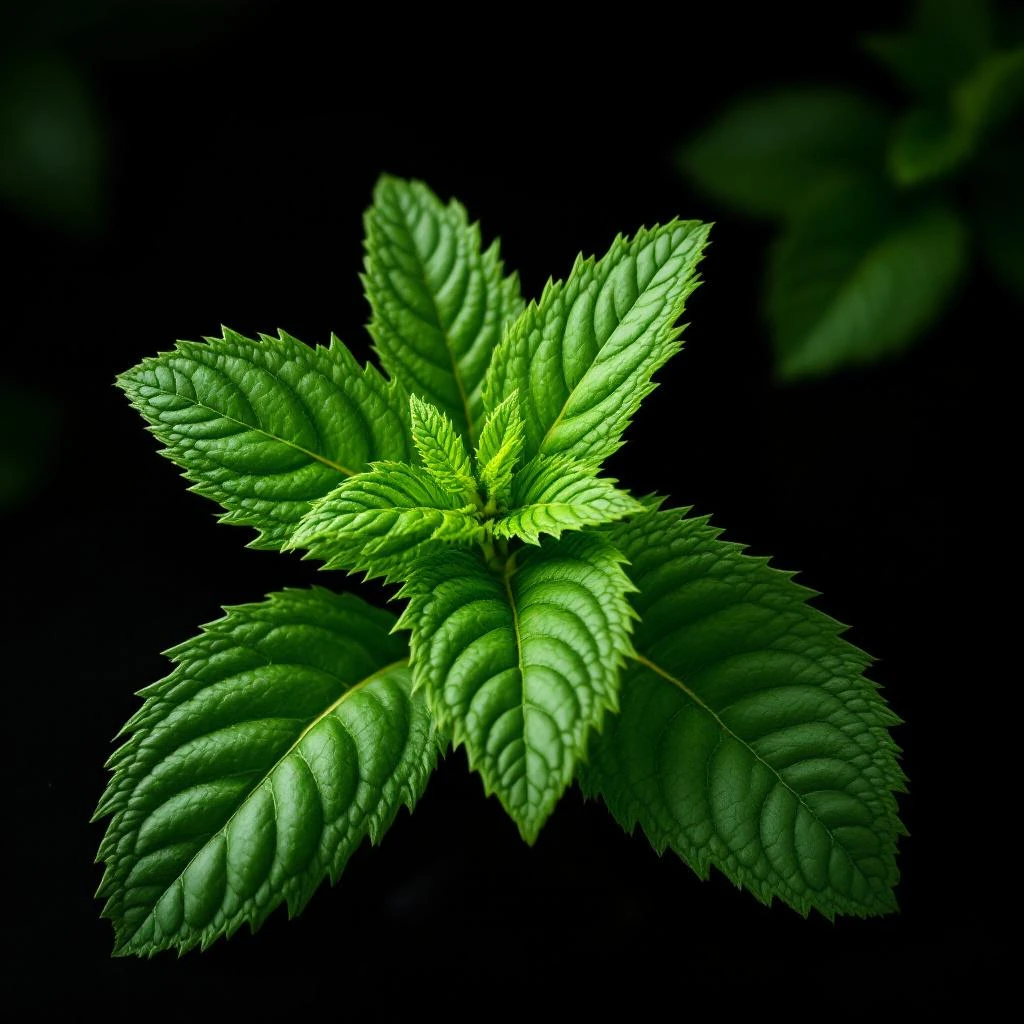
Camphor is an unusual choice for a top note. It's sharp, almost clinical, the kind of material perfumers use in small amounts for lift. Here it leads, and mint rides alongside it, creating an opening that feels more like entering a mosque's stone courtyard at dawn than stepping into a fragrance. The dried fruits in the heart bring sweetness that arrives quietly, almost hesitantly, as if the fragrance is still deciding whether to trust you. Then the double oud, Cambodian and Indian, anchors everything that came before. Smoked wood ties it together, keeping the base from becoming heavy or literal.
The Evolution
The camphor hits first, cold and immediate. Think the smell of ice on a window, or the way eucalyptus opens a stuffed nose. Twenty minutes in, the mint still lingers but the dried fruits begin to assert themselves, fig-like sweetness, dusty and soft. Tree bark emerges around the hour mark, adding a grainy warmth. The real shift happens between the second and third hours: that's when the oud takes over. Not loud, not smoky in a barbecue sense, more like the memory of smoke, pressed into wood. Cambodian and Indian oud together create something layered. By hour four, you're wearing the drydown. Smoked wood, close to the skin, intimate. On fabric, it lasts into the next day, faint traces that smell like warm resin.
Cultural Impact
Sheikh Al Arabi reflects a modern reinterpretation of Arabian heritage, merging traditional oud with crisp camphor and mint to echo the region’s desert breezes and bustling souks. Launched in 2022, it captures the contrast between ancient spice routes and contemporary luxury, resonating with consumers who value cultural authenticity while seeking a fresh, invigorating scent experience that honors its Middle Eastern roots without relying on cliché motifs.
The House
United Arab Emirates · Est. 2013
Maison Anthony Marmin is an independent perfume house based in Dubai. The studio creates pure perfume oils, extrait de parfum and incense that marry Arabian raw materials with French compositional techniques. Signature offerings include Musk Di Palermo, Oud Cuiré, Imperial Ambergris and the 2021 release Baghdad 2. Each composition arrives in a minimalist amber bottle that highlights the liquid’s colour and texture, while the brand’s incense line brings traditional Arabian aromatics into contemporary spaces.
If this were a song
Community picks
The fragrance moves from medicinal clarity to warm resinous depth, like walking from a cold stone courtyard into a room where incense has been burning for hours. The music should hold both states at once.
Fever (feat. Blackstone)
Nina Simone