Green Grapefruit Zest
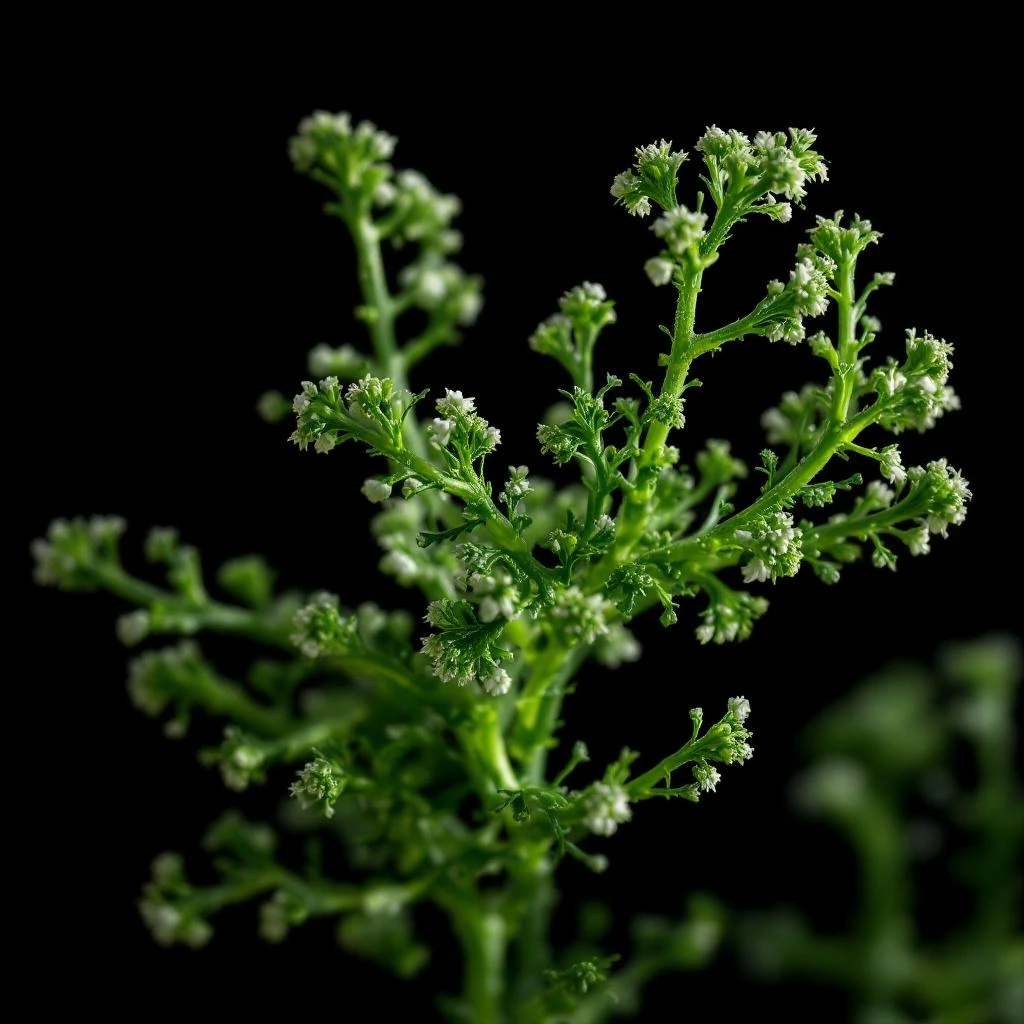
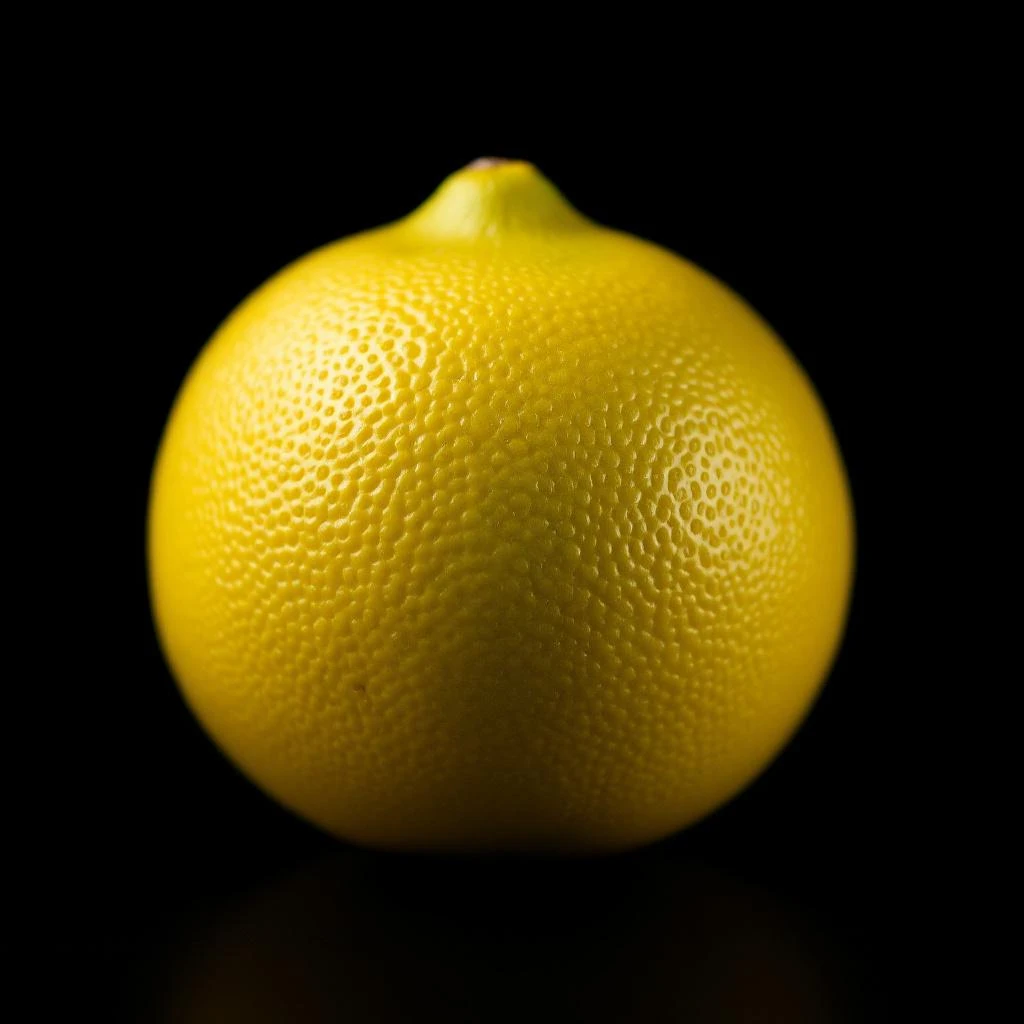
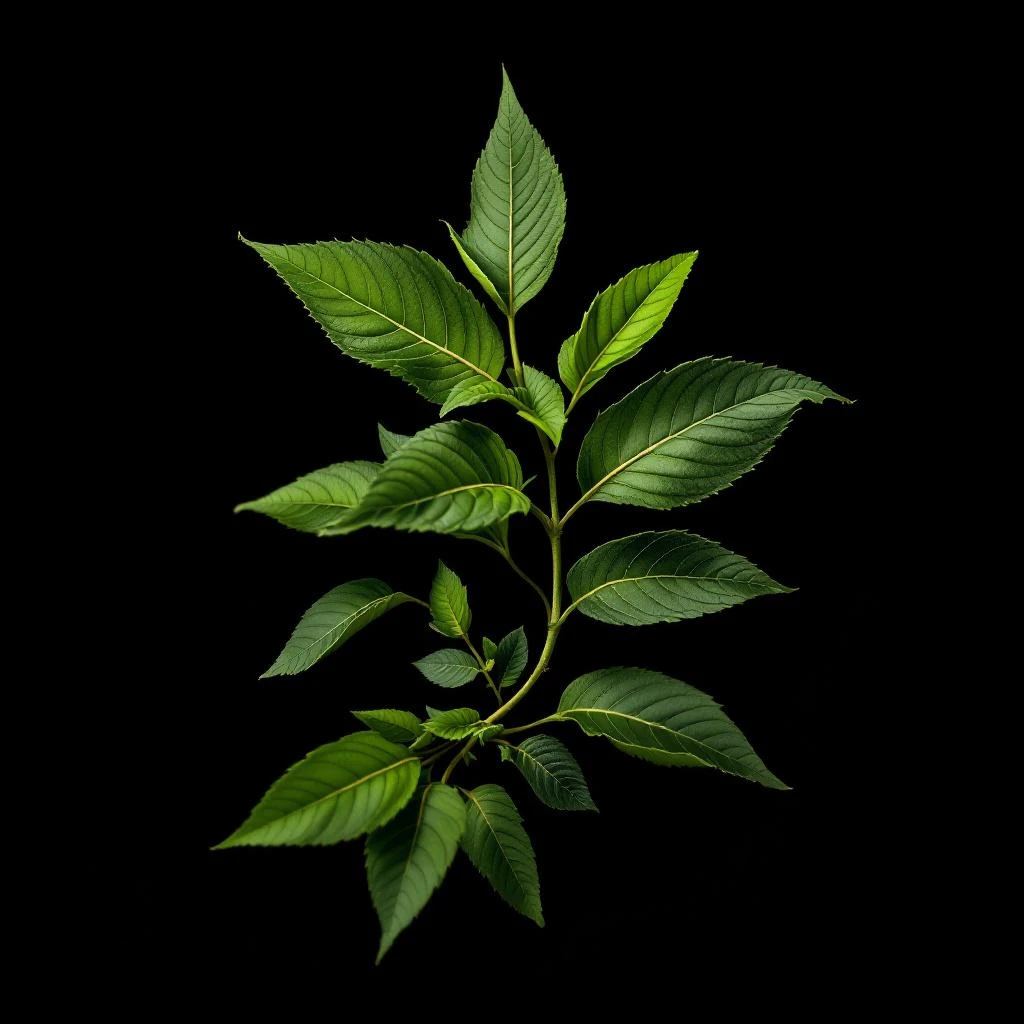
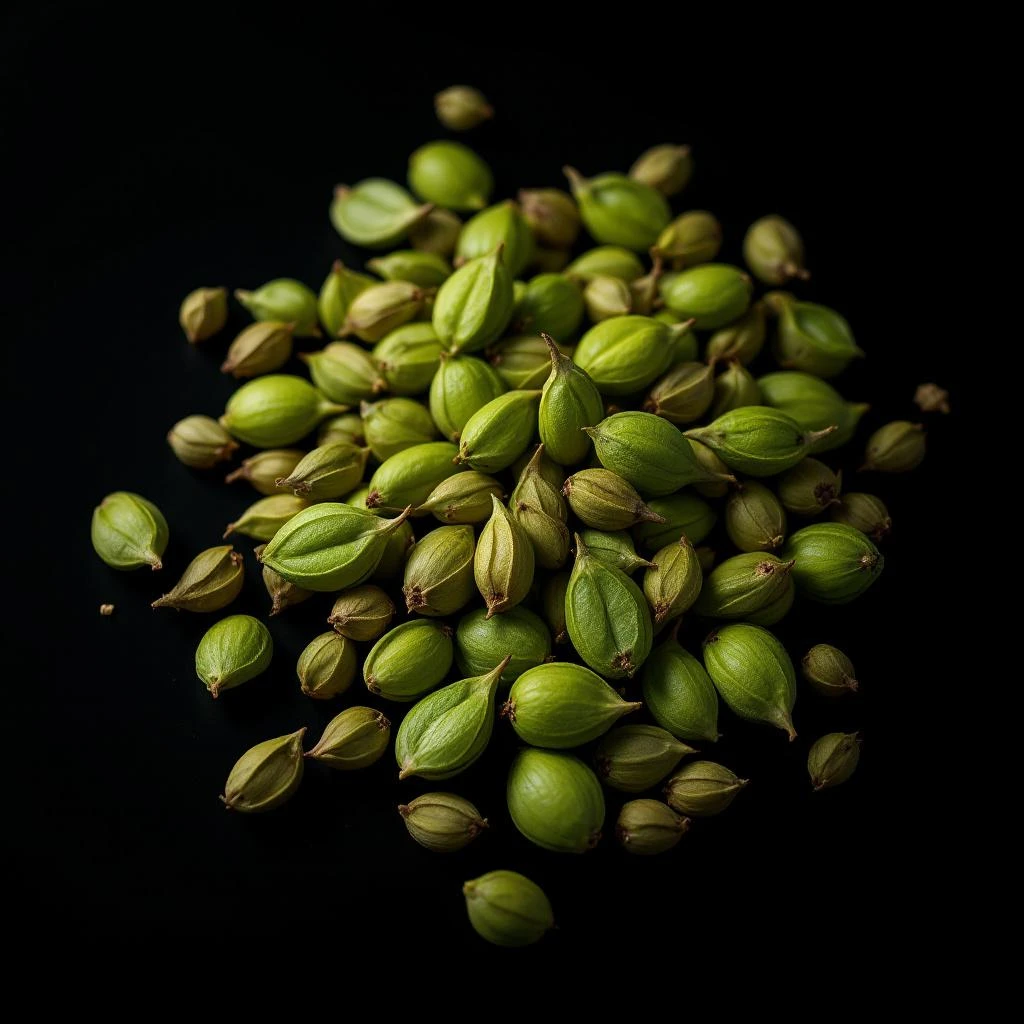
A bright, bitter citrus note shaped by grapefruit peel: green, tart and lightly sparkling, with a clean leafy edge that lifts a fragrance from its opening.

Character
How it smells
Bitter citrus with a vivid green edge
Grapefruit was documented in Barbados in 1750 by the Welsh cleric and naturalist Rev. Griffith Hughes.



Origin
Barbados
Grapefruit is a relatively recent member of the citrus family. It is widely believed to have arisen as a natural hybrid, and its documented history begins in Barbados, where Rev. Griffith Hughes recorded the fruit in 1750.
Grapefruit later became associated with Florida and commercial citrus production. A key moment for perfumery came in 1933, when Florida produced its first batches of grapefruit essential oil, establishing a stronger supply for fragrance use. The oil became valued for its tart peel aroma and its ability to introduce a fresh top note.
Today, grapefruit oils and related ingredients appear across fine fragrance, personal care and home fragrances. Their profile varies with cultivar, origin and extraction method, but the expressive peel remains the defining part of the material.
Wears it best
Fragrances featuring Green Grapefruit Zest
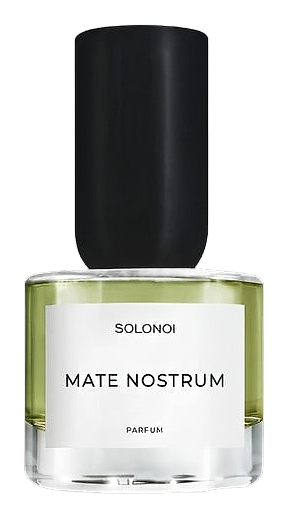
Brands
Brands known for Green Grapefruit Zest
Good to know
Questions, answered
The essentials on Green Grapefruit Zest in perfumery: how it smells, where it comes from, and how it behaves on skin.
What does green grapefruit zest smell like in perfume?
It smells tart, bitter and citrusy, often with a green, leafy edge. In perfume, it usually functions as a bright top note that creates an immediate impression of freshness.
How is grapefruit essential oil made for fragrance?
It is mainly produced by cold pressing grapefruit peel. This method captures oils from the peel’s surface glands while preserving the fruit’s lively citrus character, although storage and oxidation can affect quality.
Does grapefruit oil come from the fruit or the peel?
The fragrance oil comes primarily from the peel, especially its outer surface. The juice and flesh contribute little to the distinctive aroma used in most grapefruit fragrance materials.
Where did grapefruit originate?
Grapefruit is believed to have originated as a natural hybrid in the Caribbean, with Barbados cited as its early documented location. It was recorded there by Rev. Griffith Hughes in 1750.
When did grapefruit become important for perfumery?
Florida produced its first batches of grapefruit essential oil in 1933. That milestone helped establish a commercial supply and supported wider use of the ingredient in fragrance.
Is green grapefruit zest the same as lime or bergamot?
No. Green grapefruit zest comes from grapefruit peel and has a bittersweet, pink-fruited citrus profile. Bergamot and lime are different citrus species with distinct peel aromas.
Why is grapefruit used at the top of a fragrance?
Grapefruit aroma is volatile and widely perceived as fresh, so it commonly appears near the opening. Its lively character helps the composition register quickly before deeper floral or woody notes develop.
Does grapefruit oil vary by country?
Yes. Citrus oils can reflect cultivar, soil, climate and cultivation conditions. These differences may appear as changes in bitterness, greenness, sweetness and peel richness.