Geranium Macrorrhizum
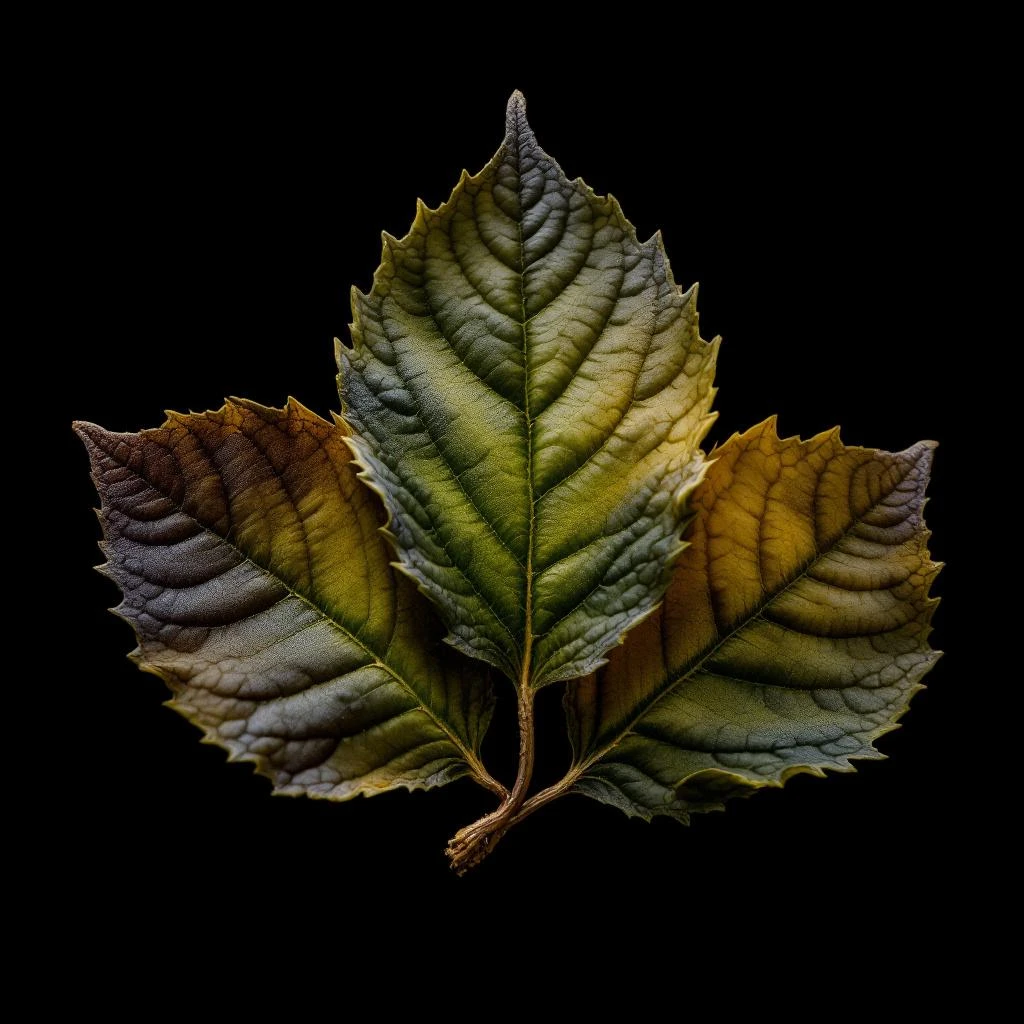
Rose-scented geranium brings a green, softly floral character to perfume, pairing rosy facets with a lucid herbal edge that suits both classic and contemporary compositions.
Character
How it smells
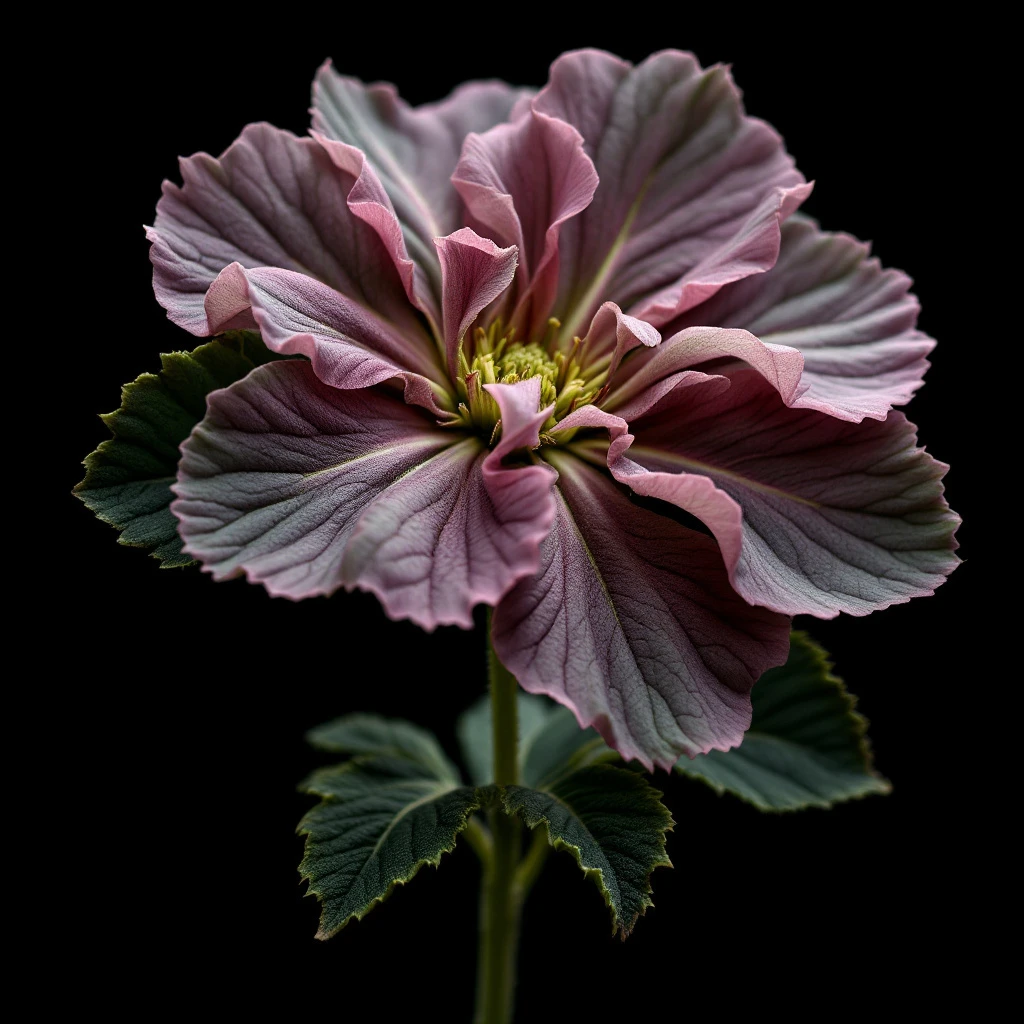
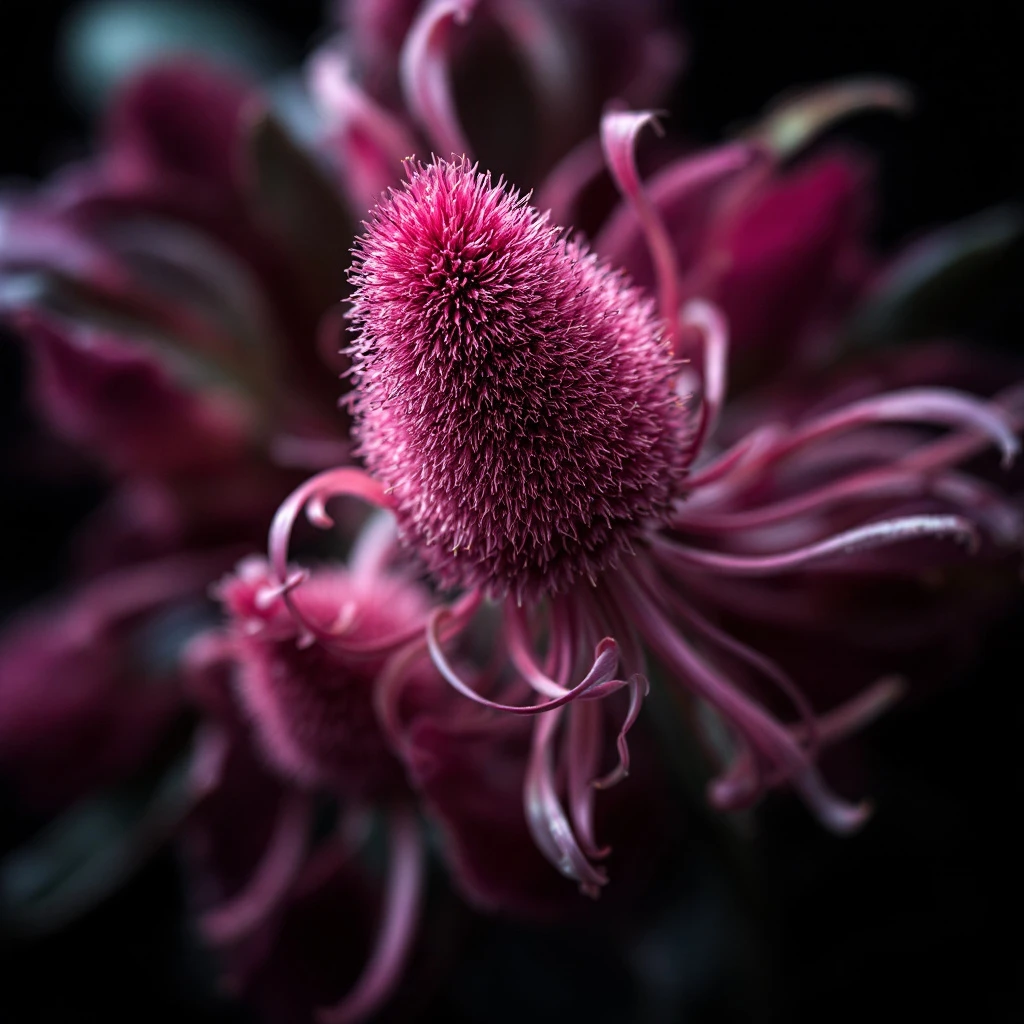
Green foliage, rose shadows, and a polished herbal lift.
Despite its common name, rose geranium does not belong to the true Geranium genus; perfumers recognize it as Pelargonium graveolens.

Origin
South Africa
Rose geranium is native to South Africa, where it grows among the Cape region's aromatic plant communities. European traders and collectors brought Pelargonium plants to Europe during the 17th century, introducing a new group of scented geraniums to gardens and botanical collections. Cultivation for oil production later developed in France, especially around Grasse, and expanded in other Mediterranean and tropical growing regions.
The plant reached wider commercial importance through its use in colognes, cosmetics, flavoring, and perfumery. Its oil became valued for a rose impression that was distinct from true rose oil, while adding a greener and more herbaceous character. Geranium cultivation also developed on Réunion, historically called Bourbon, and in Algeria and Madagascar.
Today, the ingredient connects South African botanical origins with a long French and Mediterranean tradition of aromatic plant cultivation. Its enduring role reflects the ability of one essential oil to function as both a floral material and a balancing herbal note.
Wears it best
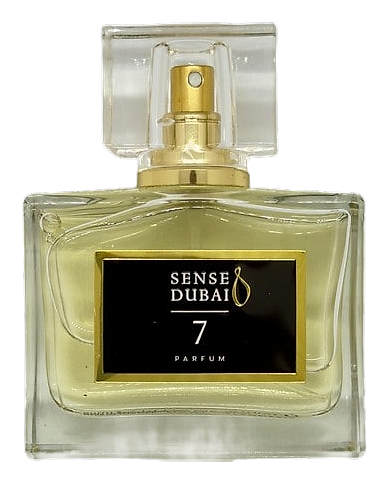
Fragrances featuring Geranium Macrorrhizum
Brands
Brands known for Geranium Macrorrhizum
Good to know
Questions, answered
The essentials on Geranium Macrorrhizum in perfumery: how it smells, where it comes from, and how it behaves on skin.
What does Geranium macrorrhizum smell like in perfumery?
It has a rose-like floral character with green, leafy, slightly herbal facets. The impression is often described as rose geranium, although perfume oils commonly come from related Pelargonium species rather than the true Geranium genus.
Which part of the plant is used to make geranium essential oil?
Perfume-grade rose geranium oil is mainly distilled from the leaves and stems. These aromatic tissues contain the volatile compounds responsible for the oil's soft rose, green, and herbal profile.
Is Geranium macrorrhizum the same as rose geranium?
Not always. Rose geranium essential oil is usually associated with Pelargonium graveolens, while Geranium macrorrhizum is a distinct botanical name; labeling can vary depending on the species and oil supplier.
Where did rose geranium originate?
Rose geranium originates in South Africa, particularly the Cape region. It was later introduced to Europe and cultivated in places such as France, where its essential oil became important to perfumery.
How is geranium oil extracted for fragrance use?
The leaves and stems are usually processed by steam distillation. Steam carries volatile plant compounds into a condenser, and the oil separates from the collected hydrosate before it is filtered and prepared for fragrance formulation.
Does geranium oil contain the same compounds as rose oil?
No. Geranium oil has its own mixture of aromatic compounds, including geraniol, citronellol, and related terpenes, which create a rose impression without reproducing the chemical composition of rose absolute or rose essential oil.
Why is geranium oil used in cologne and floral perfumes?
Its green, rose-like aroma adds freshness and definition to floral compositions. In citrus colognes, it can provide a herbal lift, while in broader fragrance formulas it helps connect florals with leaves, woods, and musks.
What factors change the quality of geranium oil?
Plant species, growing climate, soil, harvest timing, drying, and distillation conditions all influence the profile. Oils from different regions may vary in balance, so producers evaluate each batch by its aroma and chemical composition.