Fringed Pink
Fringed Pink (Dianthus superbus) is a delicate floral material with a distinctive clove-like spice interwoven with sweet, honeyed petals. In perfumery it functions as a heart note, adding natural complexity to floral and aromatic compositions. The absolute is rarely dominant but acts as a nuanced accent that recalls wild gardens and herbaceous countryside.
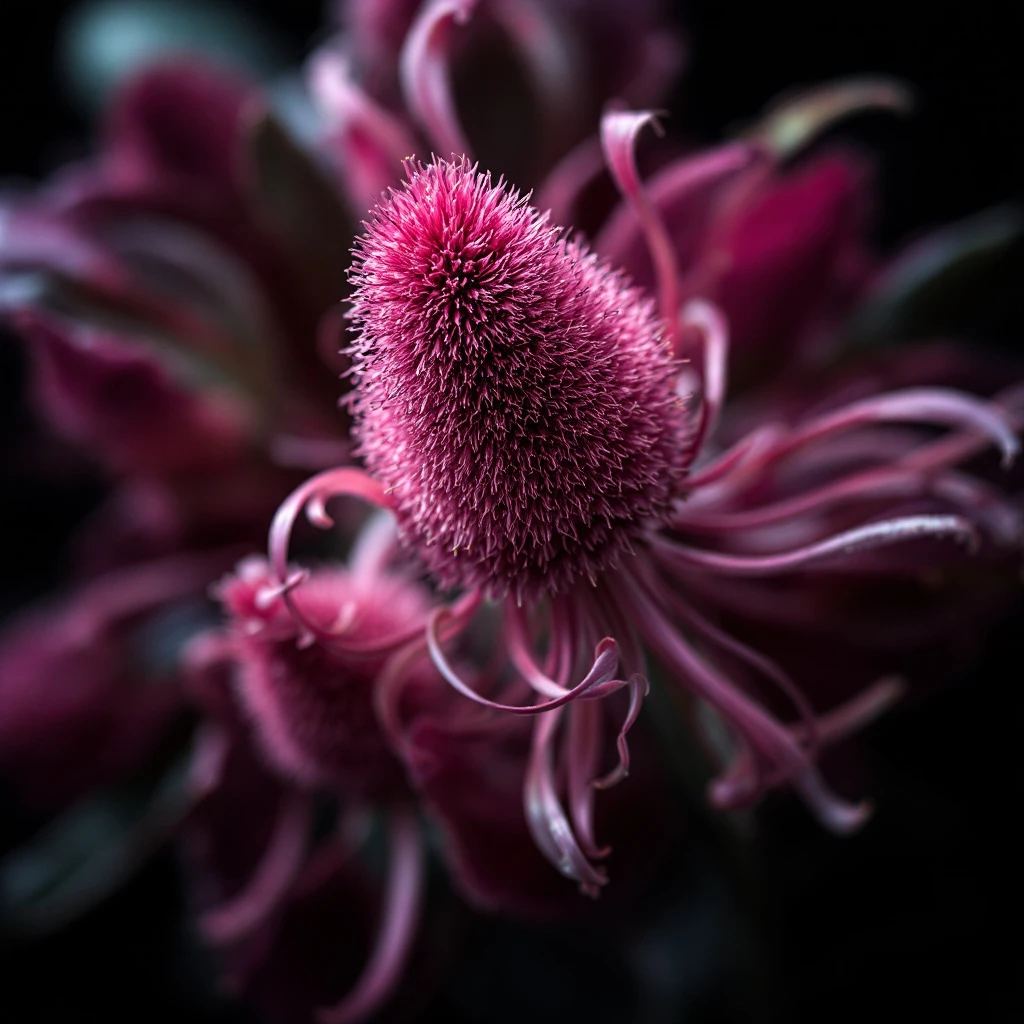
Character
How it smells
Wild petals with a spicy clove warmth, softly honeyed and unmistakably garden fresh.
The genus name Dianthus translates from Greek as "divine flower," a name that has endured for over two thousand years and reflects how ancient cultures prized this bloom for both ceremony and scent.
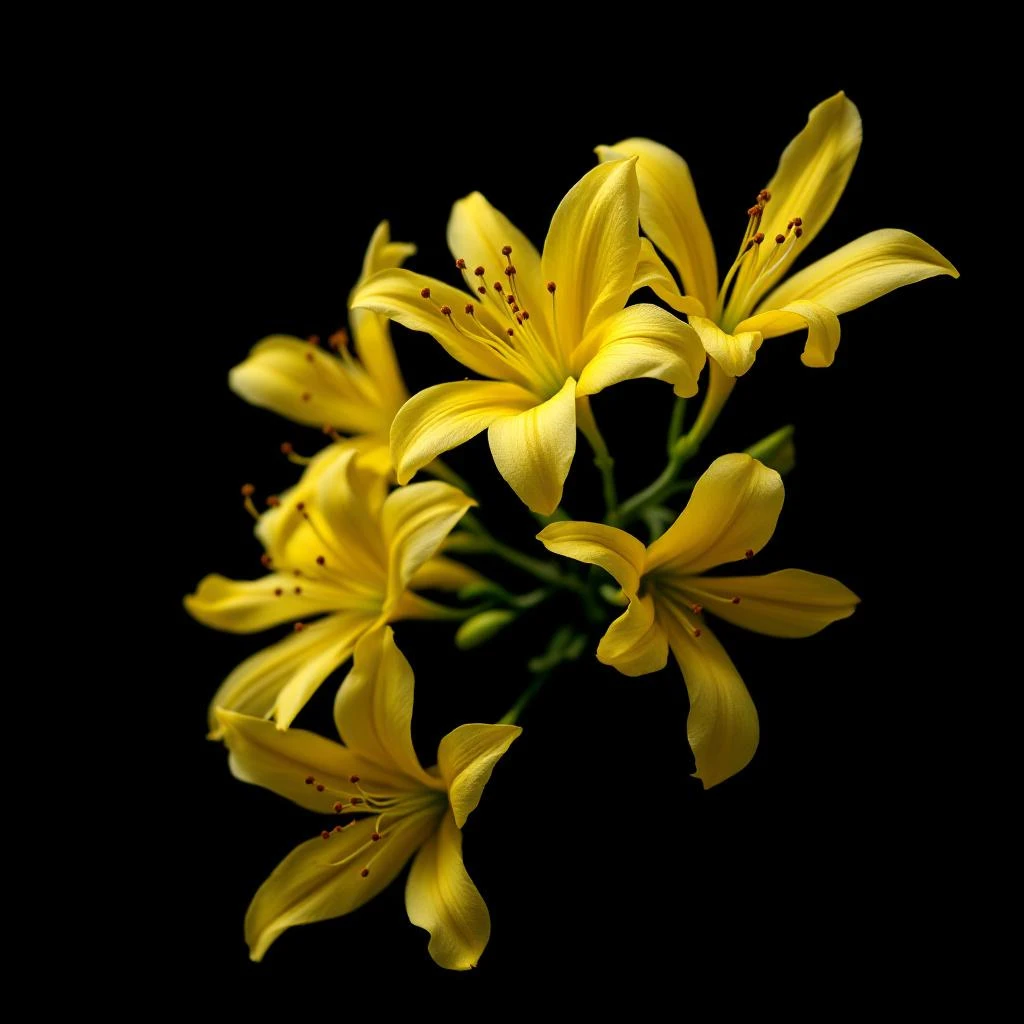




Origin
France
Fringed Pink has been gathered for fragrance purposes across Europe for centuries, with documented use extending into the monastic gardens of medieval France where monks cultivated aromatic plants for medicinal and ceremonial purposes. The plant was frequently featured in cottage gardens not for ornament alone but for its reliable scent, which could be captured in sachets or infused into drinking waters. By the nineteenth century, as the French perfume industry expanded around Grasse and Paris, perfumers began experimenting with an ever-wider range of floral materials.
Fringed Pink found occasional inclusion in floral bouquets where its spicy edge distinguished it from more conventional rose or jasmine notes. Though never a mainstream ingredient like Damask Rose or jasmine, it retains a quiet presence in certain classical fragrance families, particularly in refined applications where perfumers seek natural complexity rather than mass-market appeal.
Wears it best
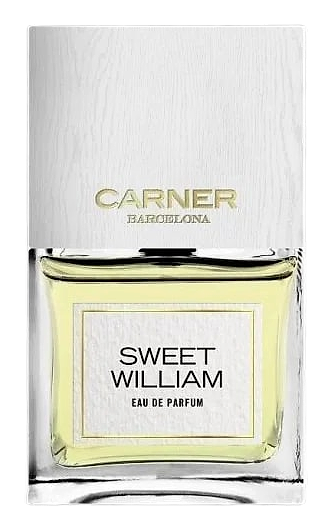
Fragrances featuring Fringed Pink
Brands
Brands known for Fringed Pink
Good to know
Questions, answered
The essentials on Fringed Pink in perfumery: how it smells, where it comes from, and how it behaves on skin.
What does Fringed Pink smell like in perfume?
Fringed Pink has a spicy-sweet floral scent often described as clove and honey intertwined with fresh petals. The aroma recalls wild garden blooms with a natural peppery warmth that distinguishes it from rounder florals like peony or lily.
Why is Fringed Pink used in perfumery?
Fringed Pink is valued for its distinctive spicy-floral complexity that adds character to compositions. Only a small number of flowers produce usable material, making it a niche ingredient that perfumers employ selectively to introduce natural warmth and aromatic depth.
Is Fringed Pink in perfume natural or synthetic?
Natural Fringed Pink absolute is produced through solvent extraction of fresh flowers, though it remains rare in commercial perfumery. Synthetic Fringed Pink aroma may be created in laboratories to approximate the clove and floral facets of the natural material.
What famous perfumes contain Fringed Pink?
Fringed Pink is not a dominant note in major commercial fragrances, which limits publicly documented examples. It appears more frequently in niche and artisanal perfumes where perfumers seek unconventional floral materials for composition character.
Is Fringed Pink a top note, heart note, or base note?
Fringed Pink functions primarily as a heart note in perfume composition. Its floral character unfolds on the dry-down alongside other middle-stage ingredients, contributing aromatic complexity rather than initial impression strength.
What notes pair well with Fringed Pink in perfume?
Fringed Pink pairs naturally with other florals such as rose and geranium, and its spicy edge complements warm spices like cardamom and pink pepper. It also harmonises with herbal materials and soft woody bases to create layered, natural-smelling compositions.
How is Fringed Pink extracted?
Fresh Fringed Pink flowers are processed via solvent extraction to produce a concrete and subsequently an absolute. This method preserves the delicate aromatic compounds that steam distillation would likely damage, resulting in a material with pronounced clove and honey floral facets.
Is Fringed Pink used in men's or women's fragrances?
Fringed Pink is not gender-exclusive; its spicy-floral character adapts to both masculine and feminine compositions. Perfumers typically position it within aromatic, fougere, or chypre structures for men and floral or powder bases for women.





