Frosted Mango
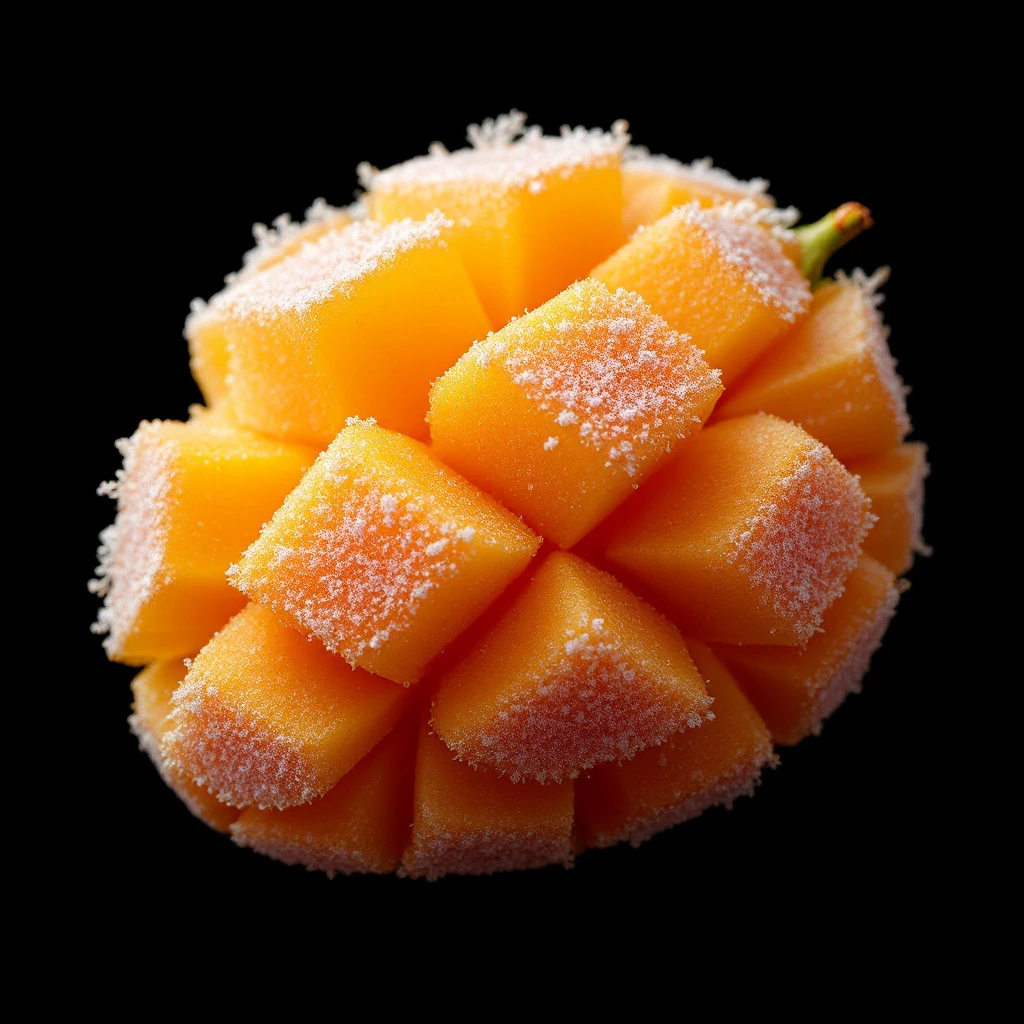
Frosted Mango captures the moment a ripe mango meets winter air. The fruit's tropical sweetness cools into something crystalline and bright, translating sun-drenched flesh into an icy, sensory snapshot that reframes a summer staple as something unexpected.
Character
How it smells
Tropical sweetness, crystallized.
A single mango cultivar can produce over 50 distinct aromatic compounds depending on soil minerals and harvest timing.



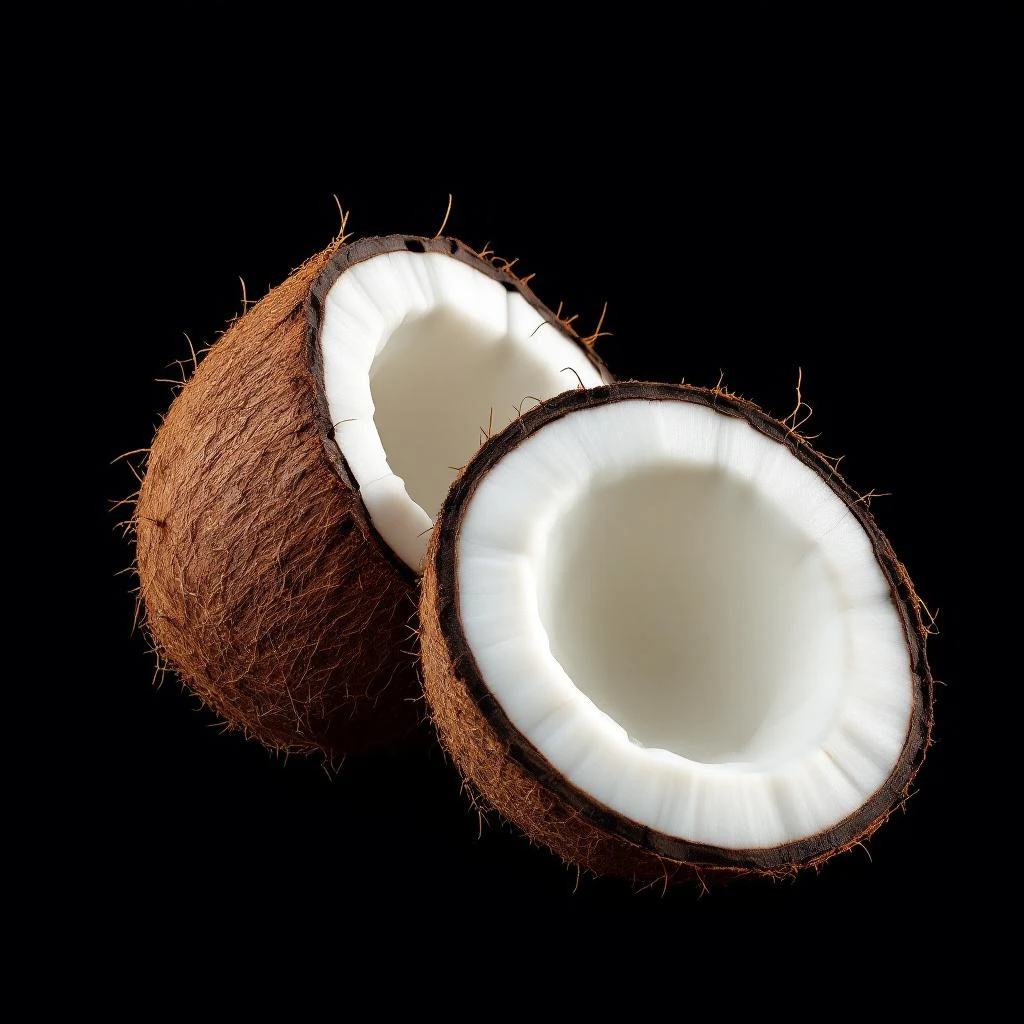
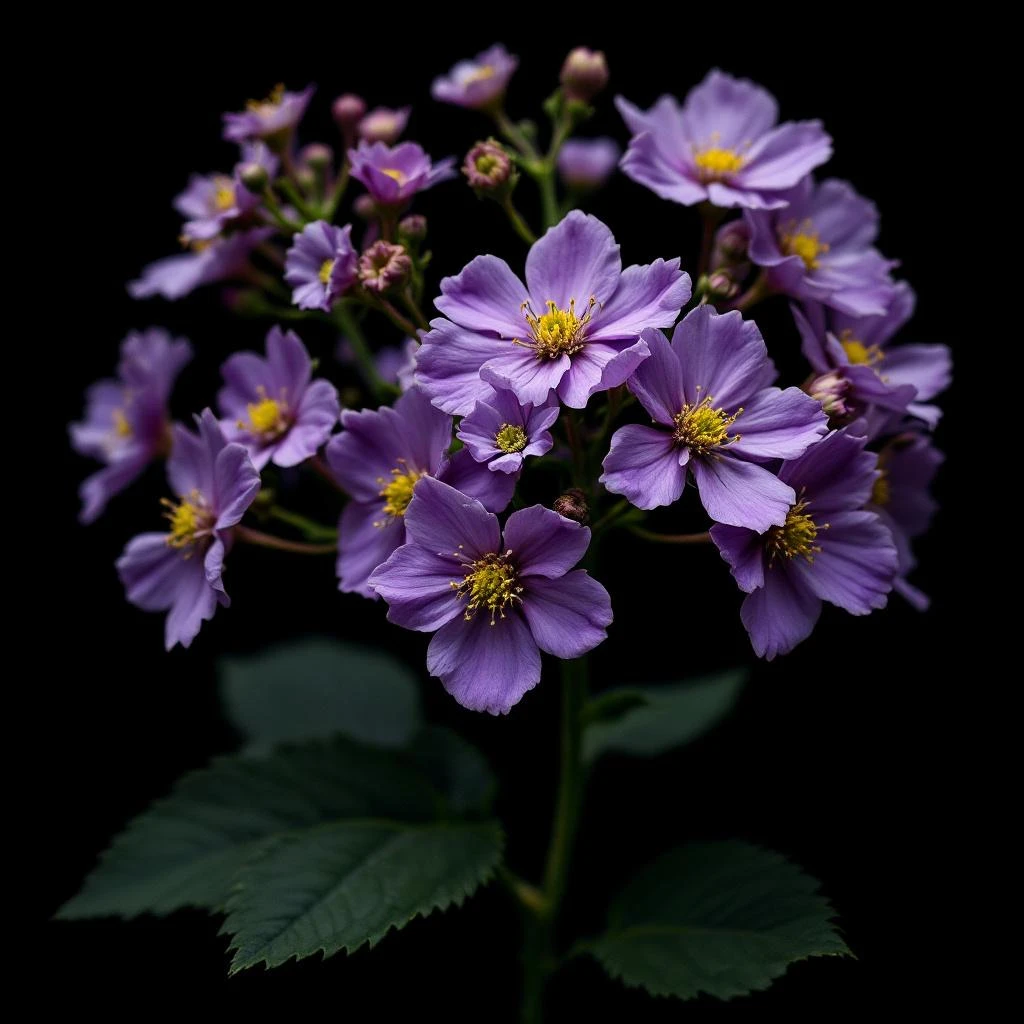

Origin
India
Mango cultivation spans 4,000 years in South and Southeast Asia, where ancient texts celebrated the fruit as food, medicine, and spiritual symbol. European traders encountered mangoes through colonial spice routes, but the fruit resisted preservation. Nineteenth-century advances in organic chemistry finally allowed perfumers to isolate the complex ester combinations that define mango's scent signature.
The Frosted Mango concept emerged more recently, driven by modern consumer demand for cooling sensations in fragrance. Asian markets, where ice and chilled foods dominate summer traditions, first embraced the idea. Western fragrance houses adopted the interpretation in the early 2000s, when mint and eucalyptus pairings gained popularity.
Today, Frosted Mango represents a distinctly contemporary approach: taking an ancient fruit and filtering it through modern sensory technology.
Wears it best
Fragrances featuring Frosted Mango
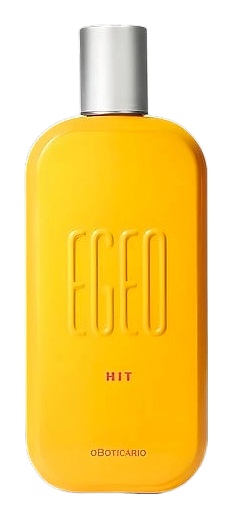
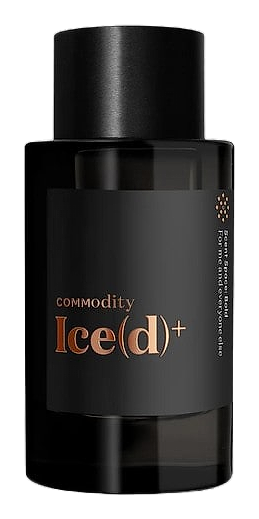
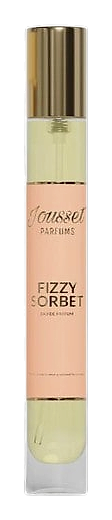
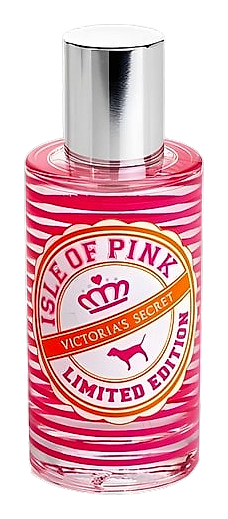
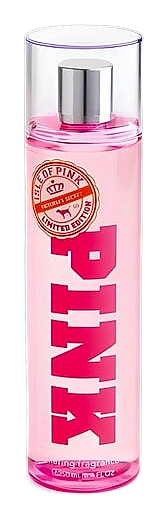
Brands
Brands known for Frosted Mango
Good to know
Questions, answered
The essentials on Frosted Mango in perfumery: how it smells, where it comes from, and how it behaves on skin.
What does Frosted Mango smell like?
Frosted Mango smells like sweet mango with a cooling, almost mentholated finish. The tropical fruit character remains but takes on a crystalline quality, like fresh mango frozen briefly before slicing.
Is Frosted Mango a natural or synthetic ingredient?
Frosted Mango typically combines natural mango absolutes with synthetic cooling agents. Pure mango extract lacks inherent coldness, so perfumers add cryogenic processing or paired synthetics to achieve the frost effect.
What compounds create mango's scent profile?
Mango scent depends on esters like ethyl butanoate and terpinolene. Cultivar and geography shift the ratio: Indian Alphonso mangoes lean toward caramel-tropical, while Southeast Asian varieties add more citrus and pine notes.
Which fragrance families use Frosted Mango?
Frosted Mango appears most often in bright florals, citrus chypres, and tropical waters. The cooling effect pairs naturally with mint, eucalyptus, and white tea, adding refreshment to otherwise sweet compositions.
Does Frosted Mango have any regulatory restrictions?
IFRA regulations restrict certain mango aroma compounds for skin contact limits. Most commercial fragrances use compliant concentrations well below threshold levels, ensuring safety in consumer products.
Can Frosted Mango replace fresh mango in perfumery?
No natural material reproduces fresh mango exactly. Frosted Mango offers a creative interpretation, trading botanical authenticity for a distinctive coolness that no fresh fruit provides. Perfumers treat it as its own concept.
Why do perfumers add cooling effects to tropical ingredients?
Cooling sensations trigger contrast effects in fragrance. Heat and cold share neural pathways in the skin, so a frost note amplifies the perceived freshness of any paired ingredient, making mango seem more vibrant.
What harvest factors affect mango fragrance quality?
Ripeness stage at harvest dramatically changes the scent profile. Unripe mangoes produce grassy, sour notes; peak ripeness maximizes ester complexity; overripe fruit develops fermentative qualities that differ from perfumery goals.