French oak wood
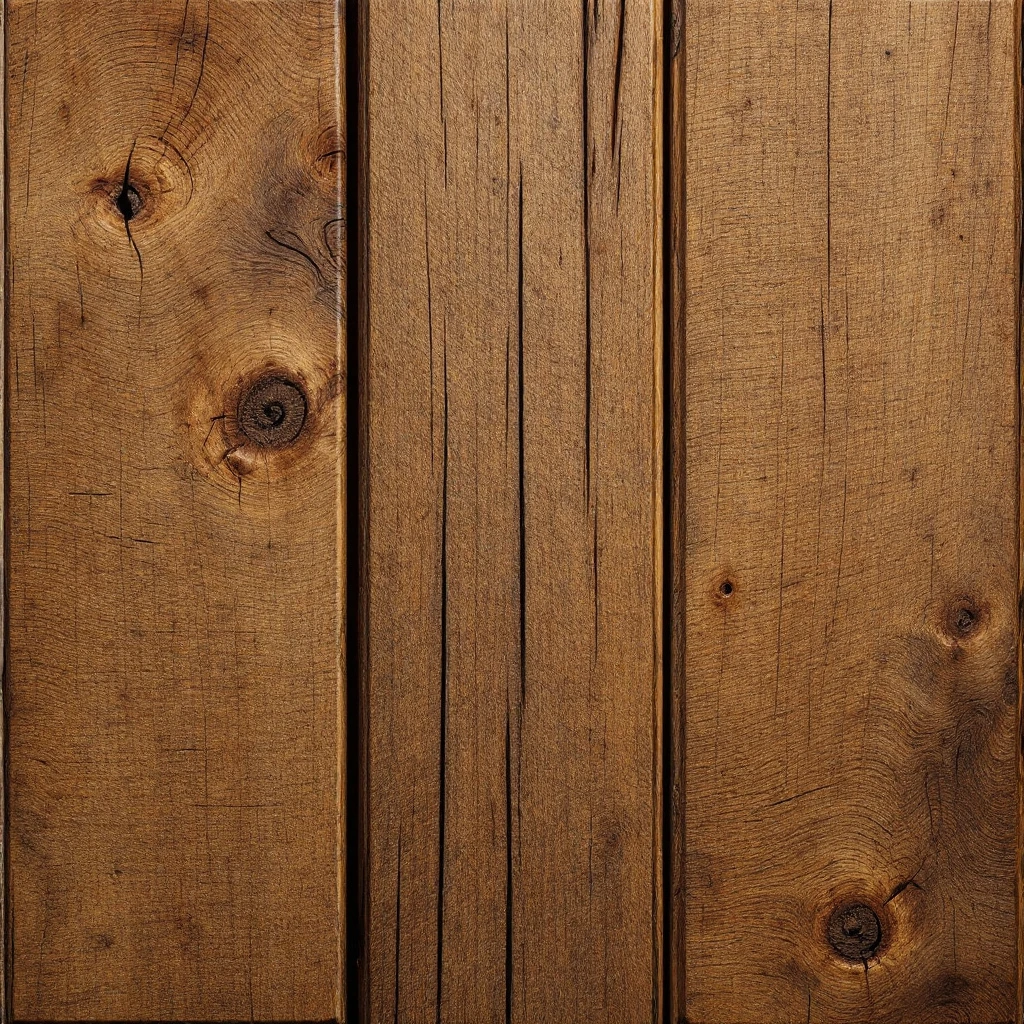
French oak wood brings dry, warm woody depth with subtle vanilla and spice. Sourced from ancient French forests, this material carries centuries of heritage in its grain.
Character
How it smells
Barrel-aged elegance captured in scent.
The same oak barrels used to age Cognac for decades transfer aromatic compounds to spirits—and now inspire perfumers seeking that same warm, complex depth.







Origin
France
France's relationship with oak predates modern perfumery. The Tronçais forest, planted under Louis XIV in the 17th century, was cultivated specifically for shipbuilding and royal barrels. When winemakers discovered aged oak imparted extraordinary complexity to spirits, distilleries in Cognac and Armagnac regions built traditions around specific forest sources.
Perfumery adopted these wood notes later, borrowing from the sensory vocabulary of French barrel-aging culture. Today, French oak remains a marker of quality—a material steeped in the same terroir consciousness that defines French wine and spirits.
Wears it best
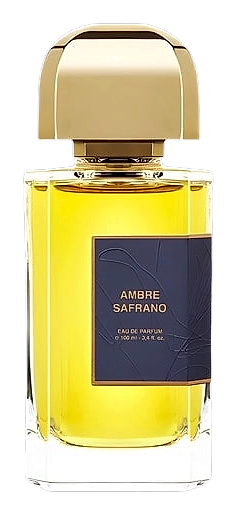
Fragrances featuring French oak wood
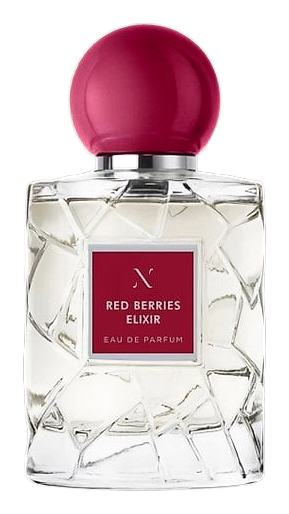
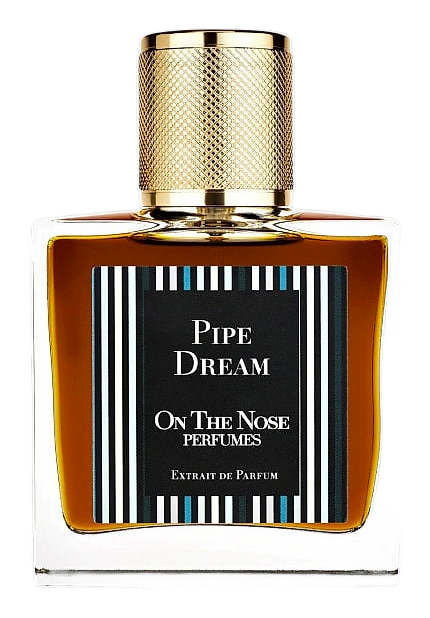
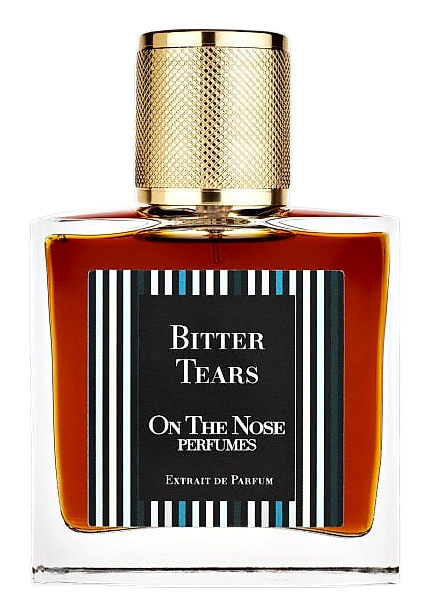
Brands
Brands known for French oak wood
Good to know
Questions, answered
The essentials on French oak wood in perfumery: how it smells, where it comes from, and how it behaves on skin.
What does French oak wood smell like in perfume?
It presents as warm, dry, and woody with subtle vanilla and spice. The scent carries a slightly tannic quality, reminiscent of aged barrels and forest floors.
Is French oak wood used as a natural or synthetic ingredient?
Both forms exist. Natural extraction comes from French forests like Tronçais, while modern perfumery often uses accords that replicate the barrel-aged character using isolated compounds like oak lactones.
Which French region produces the most prized oak for perfumery?
The Tronçais forest in central France is considered premium. Trees there grow slowly in clay-limestone soil, developing dense heartwood with complex aromatic compounds.
Is French oak wood used more in men's or women's fragrances?
It appears across genders but features prominently in masculine and unisex fragrances as a base note. It provides structural depth in both masculine and feminine compositions.
What aromatic compounds define French oak wood's scent?
Key compounds include oak lactones (coconut-woody), vanillin (vanilla), eugenol (clove-like spice), and furfural (sweet, almond). These develop during barrel aging.
How is French oak wood different from other oak species?
French oak (Quercus robur) has higher lignin content than American oak, producing more vanillin and oak lactones. The slower growth in French forests creates tighter grain and more concentrated aromatics.
Can French oak wood be sustainably sourced?
French oak forests are carefully managed. Trees require 80-150 years to reach harvestable maturity, but sustainable forestry practices ensure long-term supply from managed forests.
What famous fragrances feature French oak wood?
It appears in numerous compositions as a base note. Houses like Serge Lutens, Dior, and niche brands like Scents of Wood have developed prominent French oak wood interpretations.