Fragonia
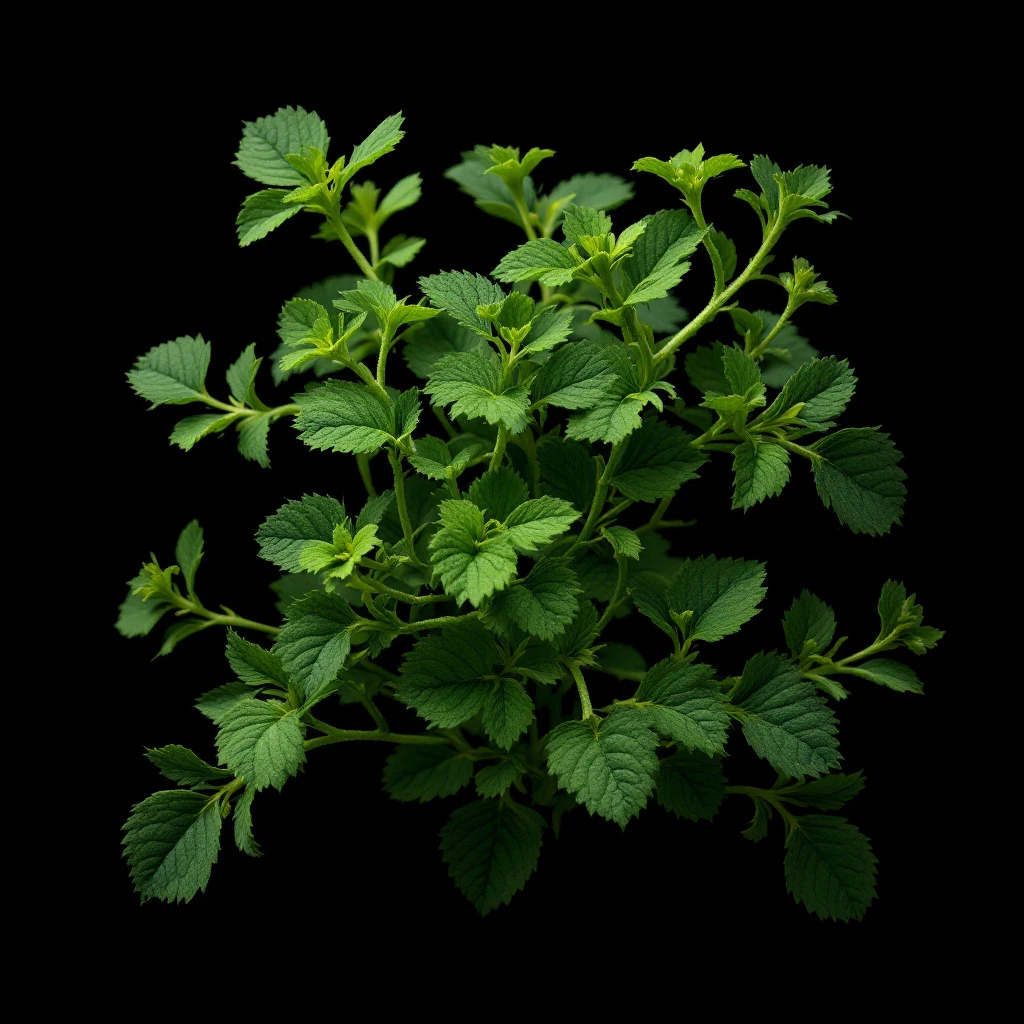
Fragonia (Agonis fragrans) is a Western Australian shrub whose oil blends fresh, eucalyptus-like top notes with a soft floral heart and woody base. Native to the Southwest, it remains a boutique ingredient in modern perfumery.
Character
How it smells
Bushland breeze bottled
Fragonia's chemistry is unusually balanced: 1,8-cineole, alpha-pinene, and linalool each make up roughly a third of the oil, giving it a built-in top, heart, and base profile.



Origin
Australia
Fragonia entered the commercial fragrance conversation only in the early 2000s, making it one of the newest native Australian ingredients adopted by perfumers. The plant itself, Agonis fragrans, was classified botanically in the mid-19th century and belongs to the Myrtaceae family alongside tea tree and eucalyptus. For decades the shrub was valued mainly as an ornamental and foliage crop for the cut-flower industry, with its aromatic properties largely overlooked.
Australian researchers began profiling its oil composition in the 1990s, revealing a remarkably even split between three key constituents: 1,8-cineole, alpha-pinene, and linalool. That unusual chemical balance gave the oil a built-in aromatic structure that perfumers found easy to compose with. By the early 2000s, small-scale distillers in Western Australia began producing fragonia oil commercially, and independent perfumers started featuring it in blends designed around Australian native botanicals.
Today it remains a niche ingredient, prized by artisan formulators rather than mass-market fragrance houses, and it stands as a modern example of how a region's native flora can yield novel aromatic materials centuries after global perfumery first turned toward synthetics.
Wears it best
Fragrances featuring Fragonia
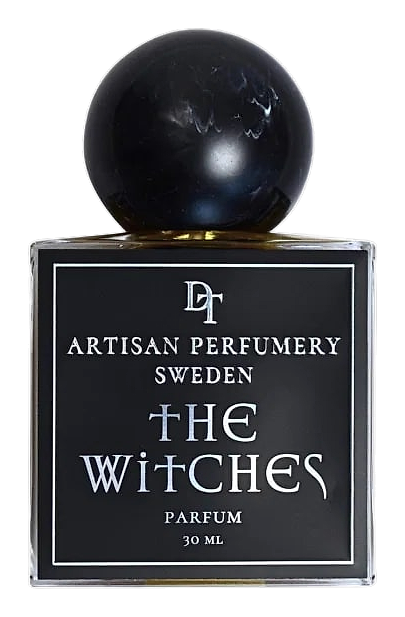
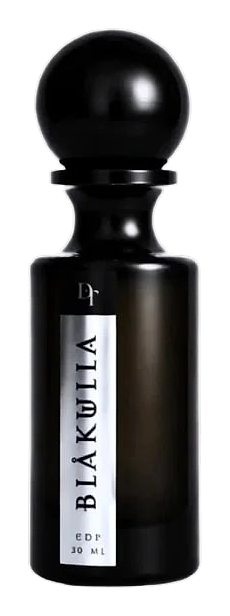
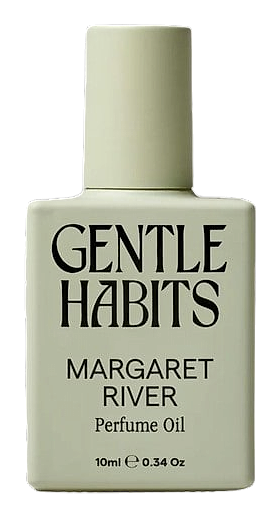
Brands
Brands known for Fragonia
Good to know
Questions, answered
The essentials on Fragonia in perfumery: how it smells, where it comes from, and how it behaves on skin.
What does fragonia essential oil smell like?
Fragonia opens with a fresh, eucalyptus-like brightness thanks to its high 1,8-cineole content, then settles into a soft floral heart driven by linalool, finishing with a light woody undertone. The result reads clean, airy, and slightly medicinal without being sharp.
Is fragonia a rare fragrance ingredient?
Yes, fragonia remains commercially rare. Production is limited to a handful of small distillers in Western Australia, and the ingredient has yet to appear in mainstream fragrance catalogs, keeping annual output modest.
Where does fragonia (Agonis fragrans) grow?
Fragonia is native to the Southwest botanical region of Western Australia, particularly the sandy heathlands and shrublands surrounding Perth and extending south toward the wheatbelt. It thrives in well-drained soils and Mediterranean climates.
How is fragonia essential oil extracted?
Fragonia oil is extracted by steam distillation of the freshly cut leaves and small branches. Steam passes through the plant material, capturing the volatile compounds, which then condense and separate into the final essential oil.
Can fragonia oil replace tea tree or eucalyptus in a blend?
Fragonia shares eucalyptus-like freshness with those oils but adds a softer floral quality from its linalool content, making it a more complex bridge between camphoraceous and floral accords. Many perfumers use it as a modifier rather than a direct substitute.
Is fragonia safe for skin application?
Fragonia oil is generally considered low-risk when properly diluted, with no major sensitization flags in standard dermal studies. A patch test is still recommended, and oxidation can increase skin sensitivity over time, so fresh, properly stored oil is essential.
What fragrance families does fragonia work well with?
Fragonia blends naturally into aromatic, fresh, and green compositions, pairing smoothly with citrus oils, lavender, rosemary, and woody bases like sandalwood and cedar. Its built-in top-heart-base structure makes it versatile across unisex formulas.
Why is fragonia so balanced chemically?
Fragonia's oil contains roughly equal proportions of 1,8-cineole, alpha-pinene, and linalool, around 30 percent each in many samples. That near-even split gives it a self-contained aromatic arc uncommon in single-plant essential oils.