Floral Fruity Notes
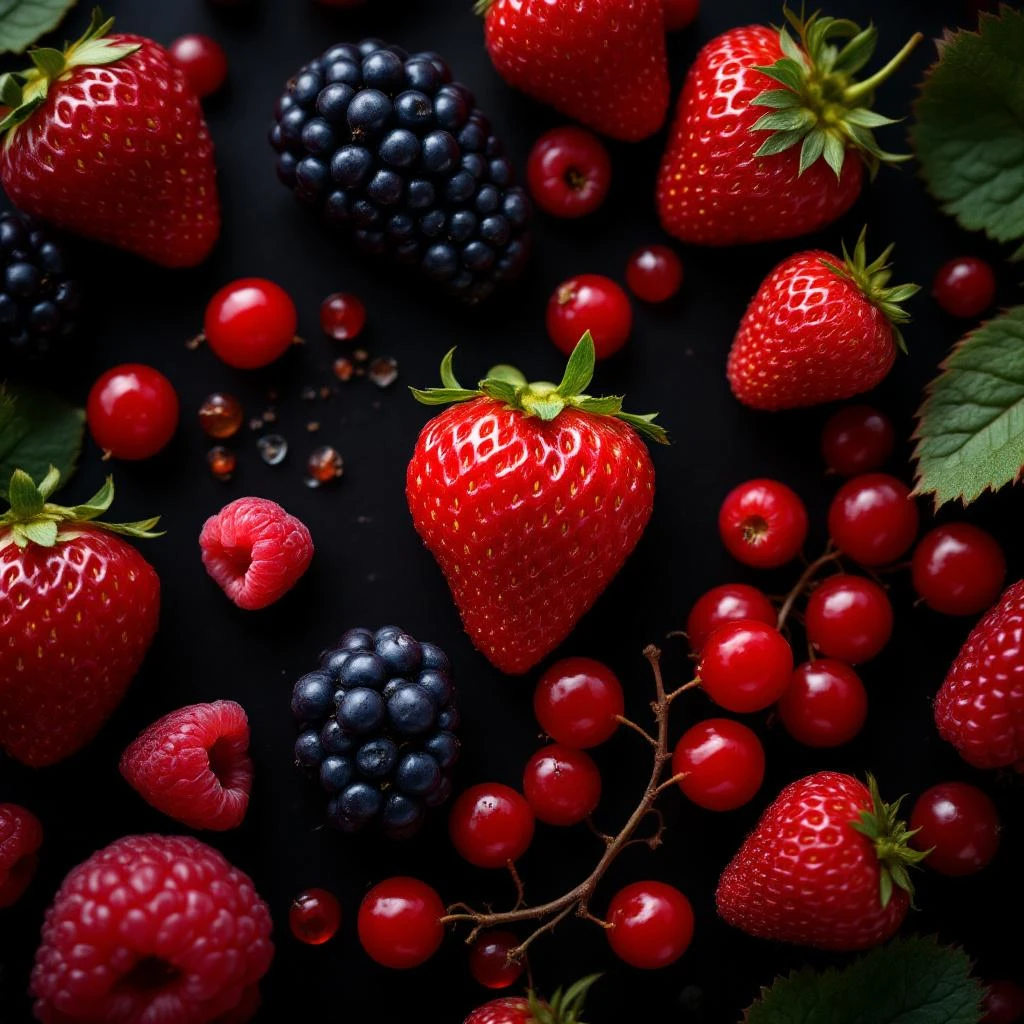
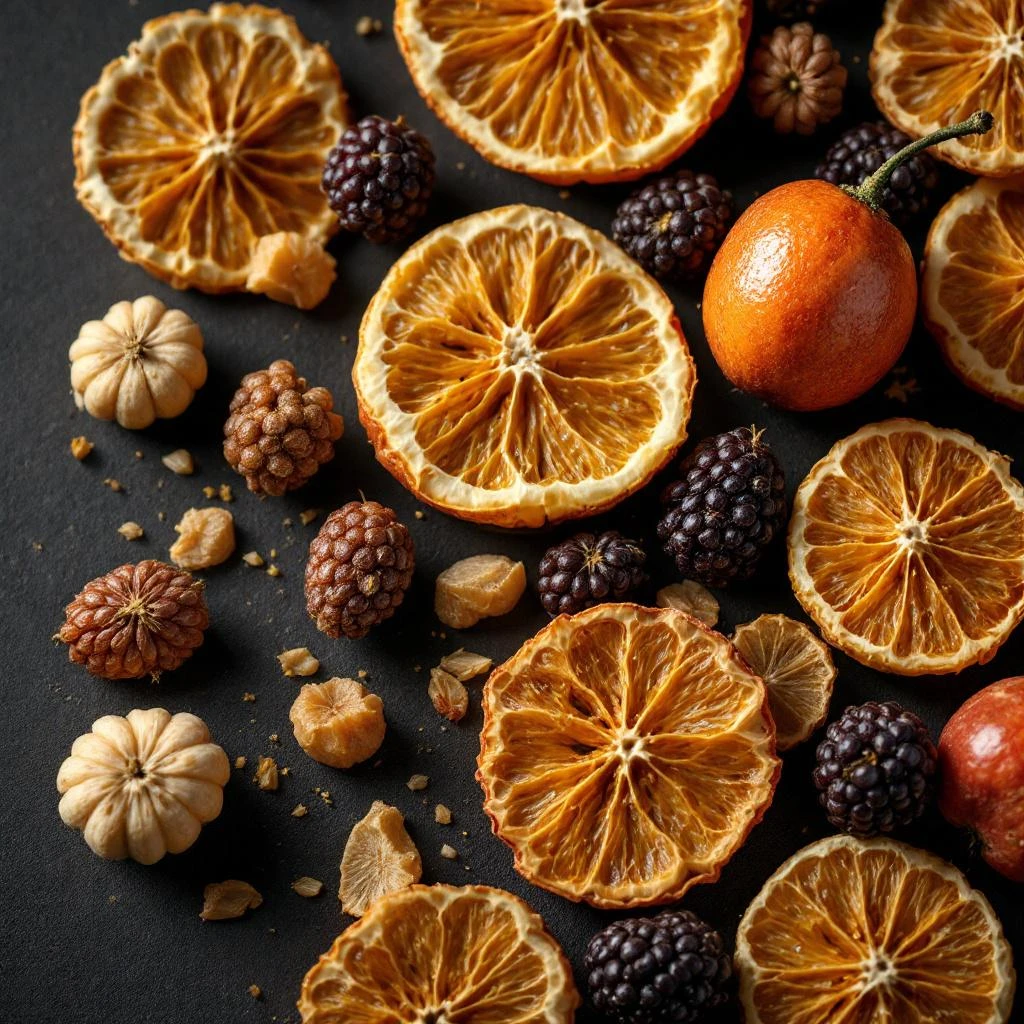
Floral Fruity Notes blend petal softness with ripe fruit brightness, creating compositions that feel both delicate and vivid. This pairing defines modern perfumery, where rose meets raspberry and jasmine lifts citrus.
Character
How it smells
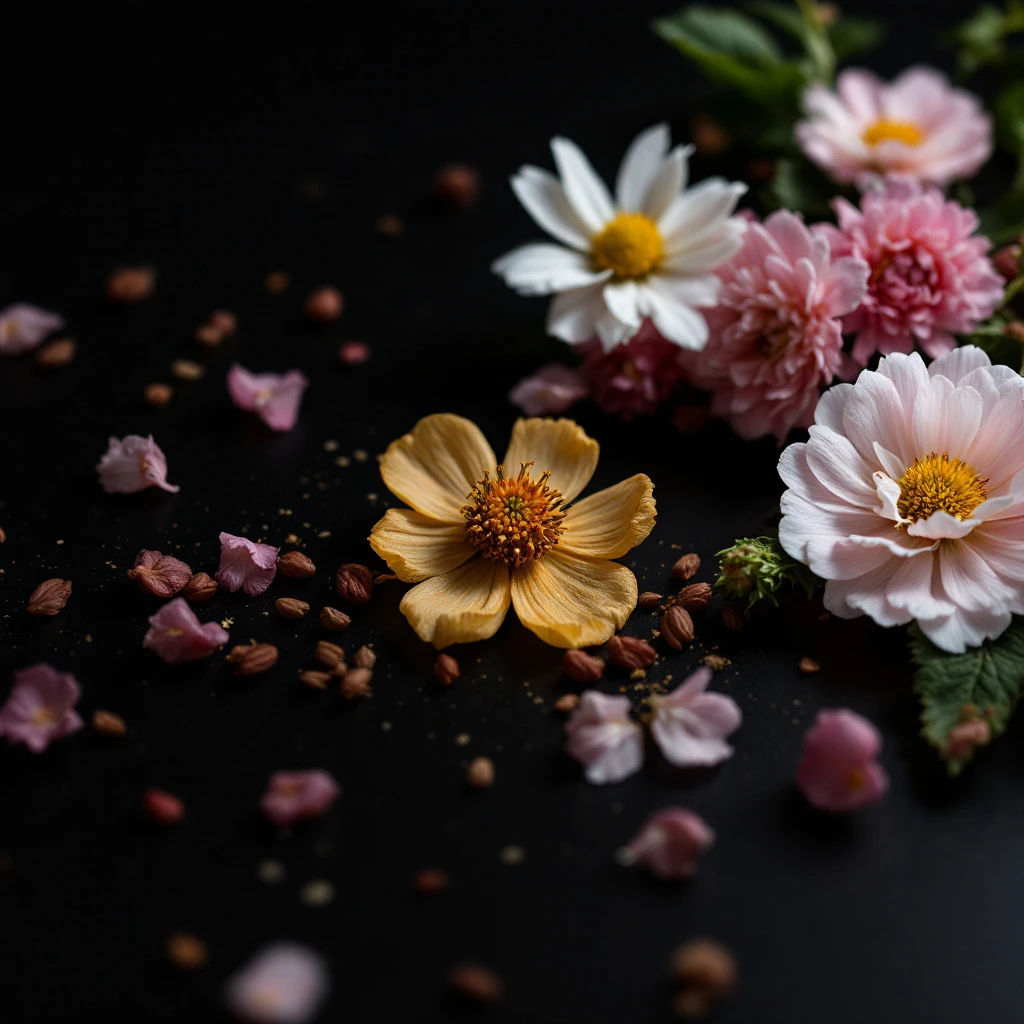
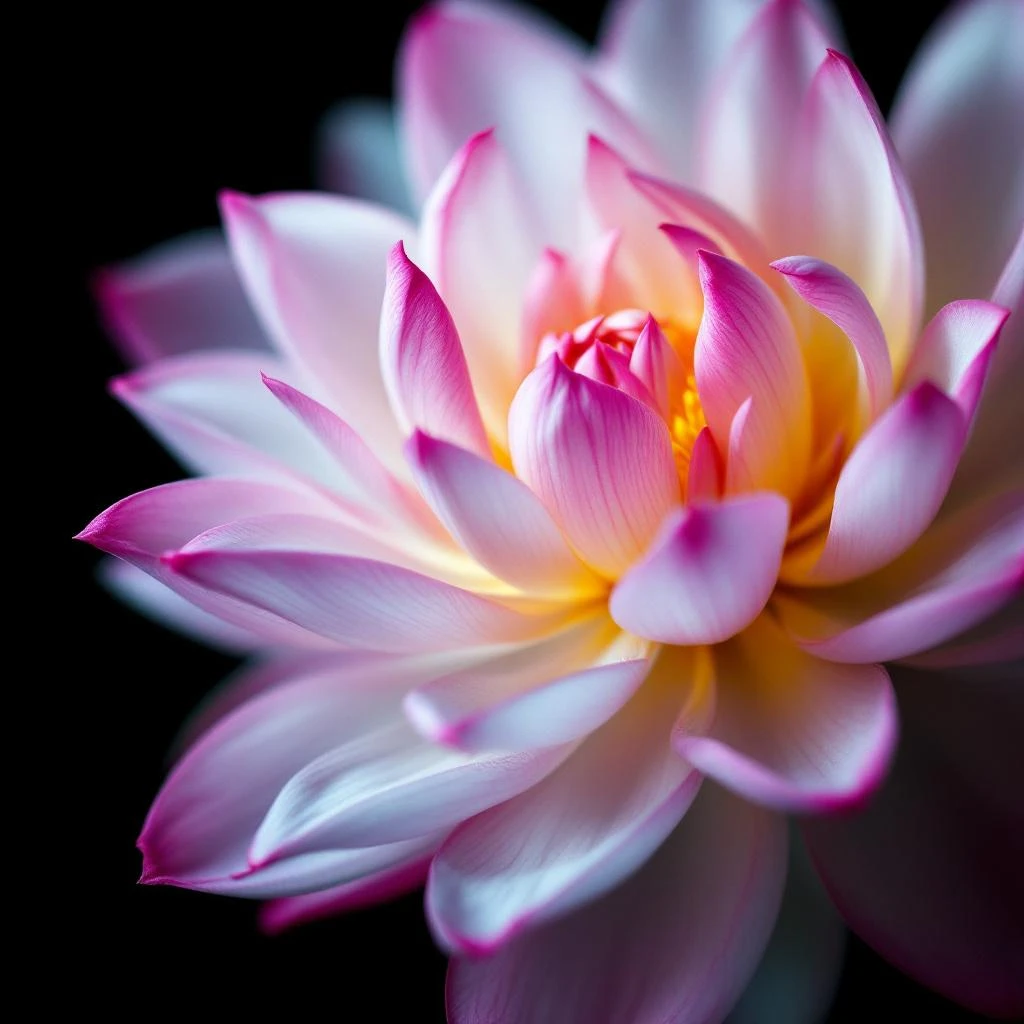
Petals meet ripe fruit, luminous and alive.
The 1921 launch of Chanel No.5 helped establish floral-fruity accords as a structural category in fragrance, pairing aldehydes with rose and peach notes.





Origin
France
Floral and fruity elements have appeared in perfumery for centuries, but their pairing as a defining structure is a twentieth-century development. Early perfumers worked with rose water, orange flower absolute, and fruit-infoured oils, yet fruit notes were often subordinate to resins and woods. The commercial synthesis of aroma compounds in the late nineteenth century, beginning with vanillin (1874) and coumarin (1868), opened new possibilities.
By the 1921 launch of Chanel No. 5, aldehydes were layered with rose, jasmine, and peach-like accords, marking the rise of compositions where fruit brightness equaled floral softness in importance. The late twentieth century saw fruity molecules like ethyl maltol and fructone adopted widely, giving rise to the sparkling, gourmand-adjacent florals of the 1990s.
Today, floral-fruity remains one of the most commercially significant accord families, spanning fresh summer colognes to opulent evening perfumes.
Wears it best
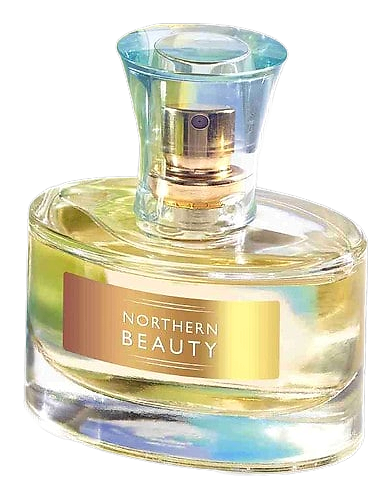
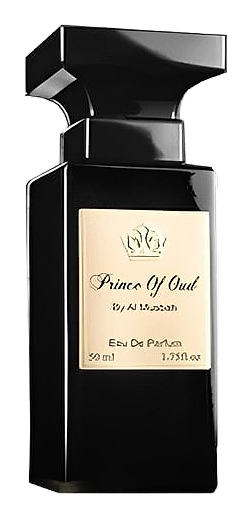
Fragrances featuring Floral Fruity Notes
Good to know
Questions, answered
The essentials on Floral Fruity Notes in perfumery: how it smells, where it comes from, and how it behaves on skin.
What are Floral Fruity Notes in perfumery?
Floral Fruity Notes describe an accord that pairs flower extracts with fruit-derived or fruit-reconstructing ingredients. Rose, jasmine, and peony typically provide the floral layer, while peach, raspberry, citrus, or synthetic molecules like gamma-decalactone supply the fruity brightness.
Are Floral Fruity Notes natural or synthetic?
Both. Natural rose otto and jasmine absolute supply authentic floral depth, but most fruit impressions rely on synthetic aroma molecules because fresh fruit essences oxidize quickly and rarely survive in a stable fragrance base.
Which fragrances are known for Floral Fruity Notes?
Chanel No.5 (1921) helped establish the modern floral-fruity structure, and contemporary examples include Marc Jacobs Daisy and Dolce and Gabbana Dolce, both built on ripe fruit paired with white florals.
How long do Floral Fruity Notes last on skin?
Floral components like jasmine absolute can persist six to eight hours, but fruity top notes from citrus or synthetic fruit esters typically evaporate within thirty to ninety minutes, making them opening-act players.
Do Floral Fruity Notes suit all seasons?
Spring and summer showcase them best because their bright, juicy character matches warm air. Heavier floral-fruity compositions with peach and tuberose also perform well in transitional autumn weather.
Are Floral Fruity Notes gendered?
No. Historically marketed toward women, the accord family now spans unisex and masculine fragrances, particularly those built on citrus, berries, and white florals rather than dense rose.
What is the difference between fruity and floral-fruity?
A purely fruity accord centers on fruit alone, while a floral-fruity composition balances fruit with recognizable bloom. The floral element adds depth and prevents the scent from reading as simple sweetness.
Can Floral Fruity Notes cause allergies?
Some can. Synthetic fruit esters and floral compounds like benzyl salicylate are among the EU's 26 declared allergens, and sensitive wearers should check ingredient lists when selecting a fragrance.