Finnish Rose
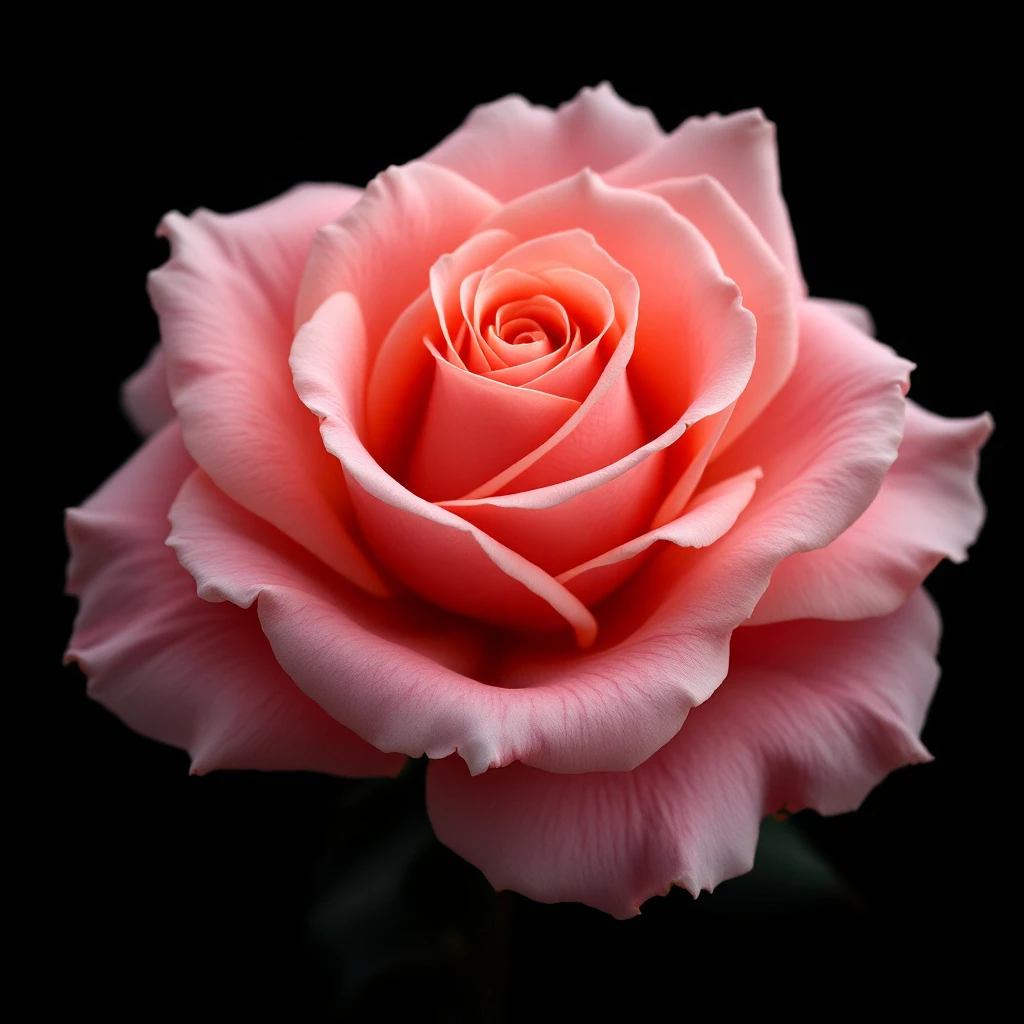
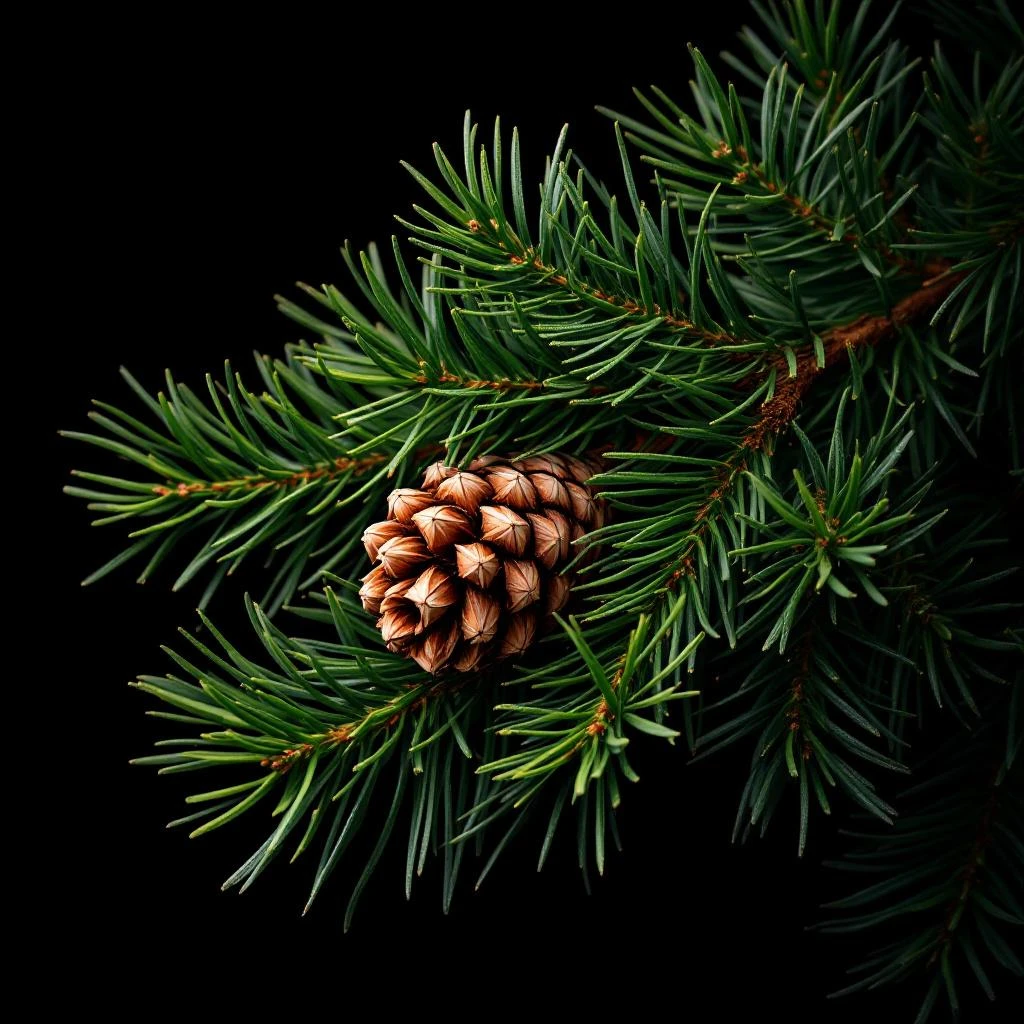
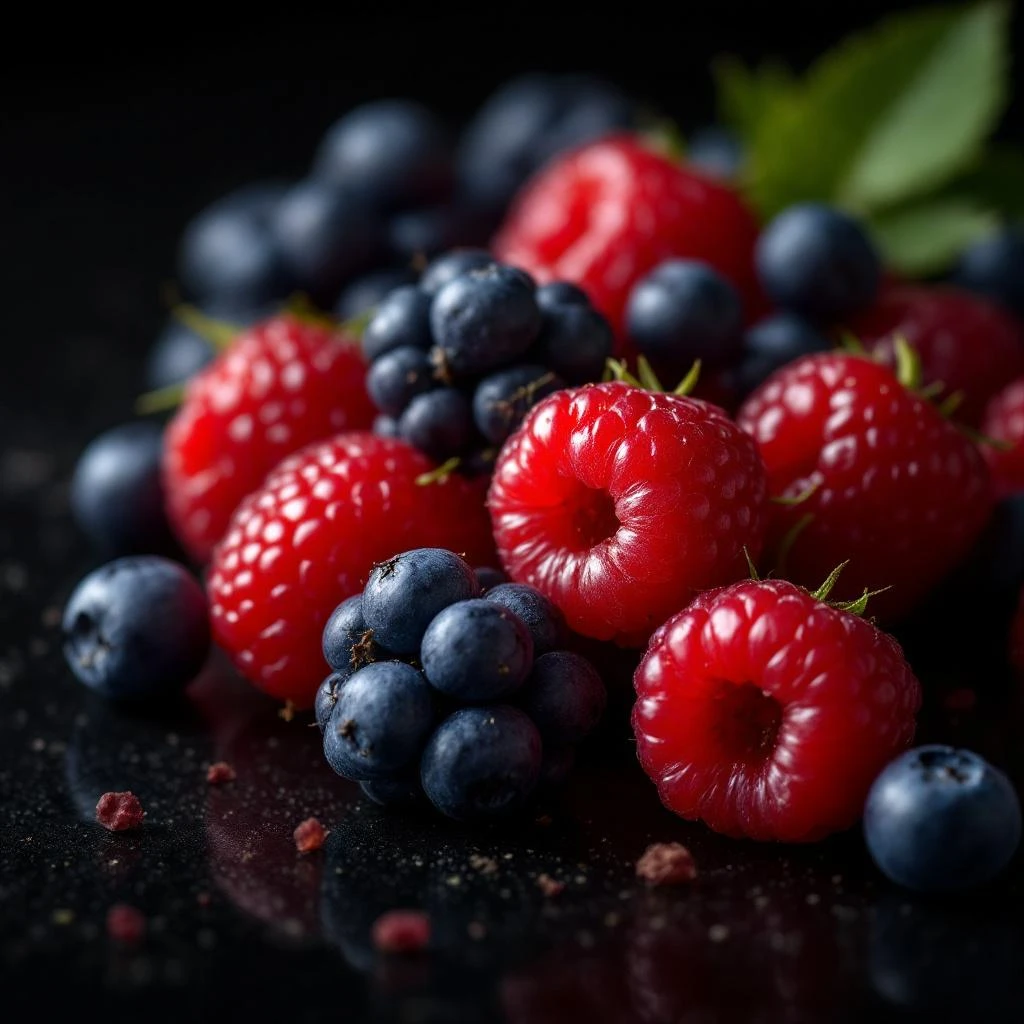
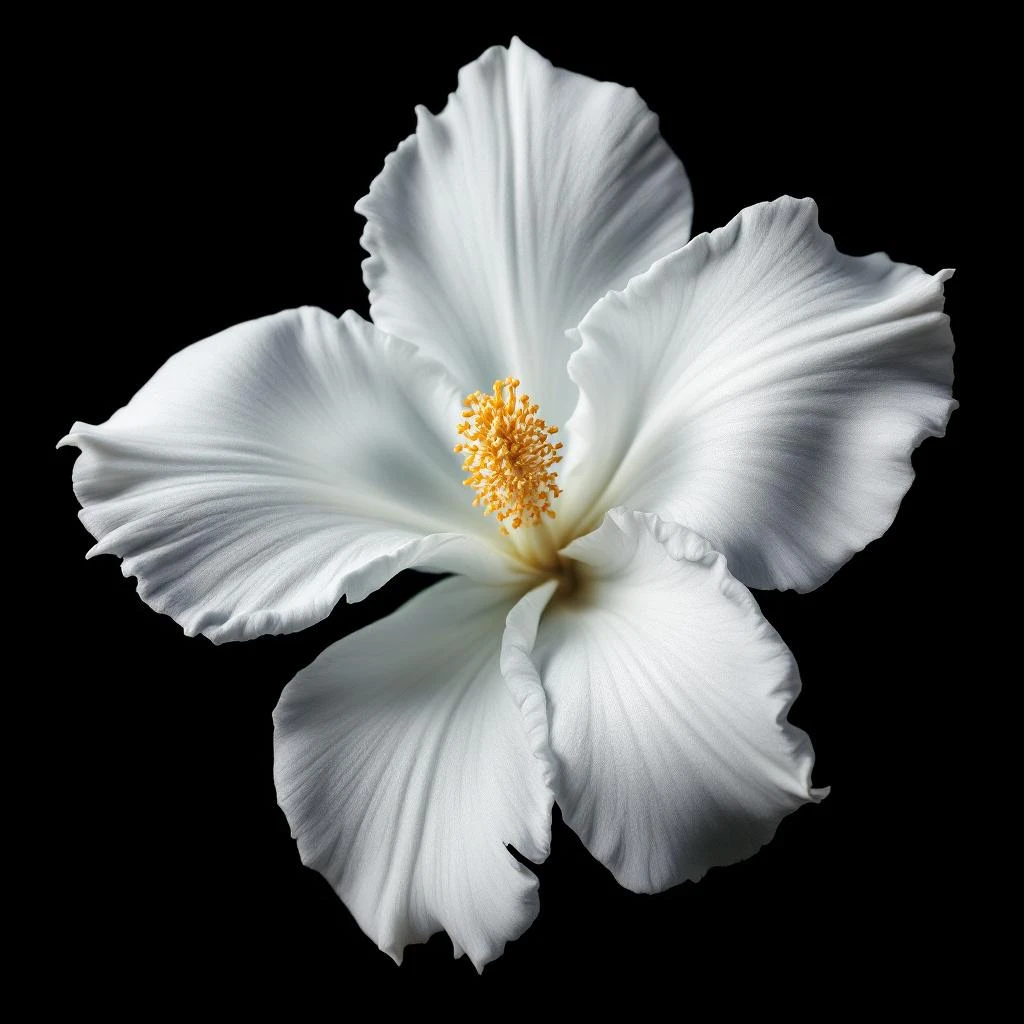
Finnish Rose captures the crisp, almost wild character of roses grown in Finland's cool northern climate. Where Bulgarian roses yield honeyed, jammy depth, Finnish varieties lean toward green stems, tart fruit, and a cool, dewy clarity.
Character
How it smells
Northern rose with a cool, green edge.
Finland's subarctic summers force roses to bloom in a brief, intense window, concentrating their oils and giving the petals a sharper, less sweet aroma than their Mediterranean cousins.





Origin
Finland
Roses arrived in Finland through monastic gardens and medieval trade routes, with cultivated varieties documented in the region by the 1700s. Unlike the Bulgarian Valley of Roses, which industrialized rose oil production in the 18th century, Finland never developed a large-scale distillation tradition. Instead, roses found their place in folk practices: rosehips harvested for vitamin-rich preserves, petals infused into mead and cordials, and rosewater used sparingly in home remedies.
The short growing season limited commercial interest for centuries. Modern Finnish artisan perfumery, which gained momentum in the 2010s, revived interest in locally grown roses for fragrance. Small distilleries began experimenting with steam distillation of Finnish Damask and rugosa varieties, creating a regional style prized for its cool, green character.
Today, Finnish Rose remains a niche, terroir-driven ingredient, valued less for volume and more for the distinct freshness it brings to a composition.
Wears it best
Fragrances featuring Finnish Rose
Brands
Brands known for Finnish Rose
Good to know
Questions, answered
The essentials on Finnish Rose in perfumery: how it smells, where it comes from, and how it behaves on skin.
What does Finnish Rose smell like compared to Bulgarian Rose?
Finnish Rose smells greener, cooler, and less jammy than Bulgarian Rose. The shorter Nordic growing season yields oils with sharper citrus and leafy notes, whereas Bulgarian roses are known for their honeyed, rich sweetness.
Is Finnish Rose a real perfume ingredient?
Yes, though supply is limited. A handful of northern distilleries produce Finnish Rose Otto and absolutes in small batches, making it a rare, terroir-driven material rather than a mainstream commodity.
Which rose species is grown in Finland?
Finnish growers cultivate cold-hardy varieties such as Rosa rugosa and hardy Damask cultivars. These species tolerate subarctic winters and produce intensely fragrant blooms during the brief summer.
Why is Finnish Rose less common than Turkish or Bulgarian rose oil?
Finland's short harvest window and high labor costs make large-scale distillation impractical. Bulgaria and Turkey dominate global rose oil production with established infrastructure dating back centuries.
How is Finnish Rose essential oil extracted?
Most producers use steam distillation of freshly hand-picked petals. The quick Nordic harvest season means distilleries often process blooms within hours of picking to preserve volatile compounds.
Does Finnish Rose contain any unique aromatic compounds?
Research on cold-climate roses suggests elevated levels of green-leaf volatiles like cis-3-hexenol, contributing to the crisp, stem-like freshness that distinguishes Finnish Rose from southern varieties.
Can Finnish Rose be synthesized in a lab?
Yes, perfumers can reconstruct Finnish Rose's cool, green character using synthetic aromachemicals such as rose oxide and geranyl acetate. However, natural distillations remain prized for their complexity.
When is Finnish Rose harvested each year?
Harvest typically occurs in July during the brief Nordic bloom. Growers pick petals in the early morning to capture peak oil concentration before daytime heat causes evaporation.




