Exotic Berries
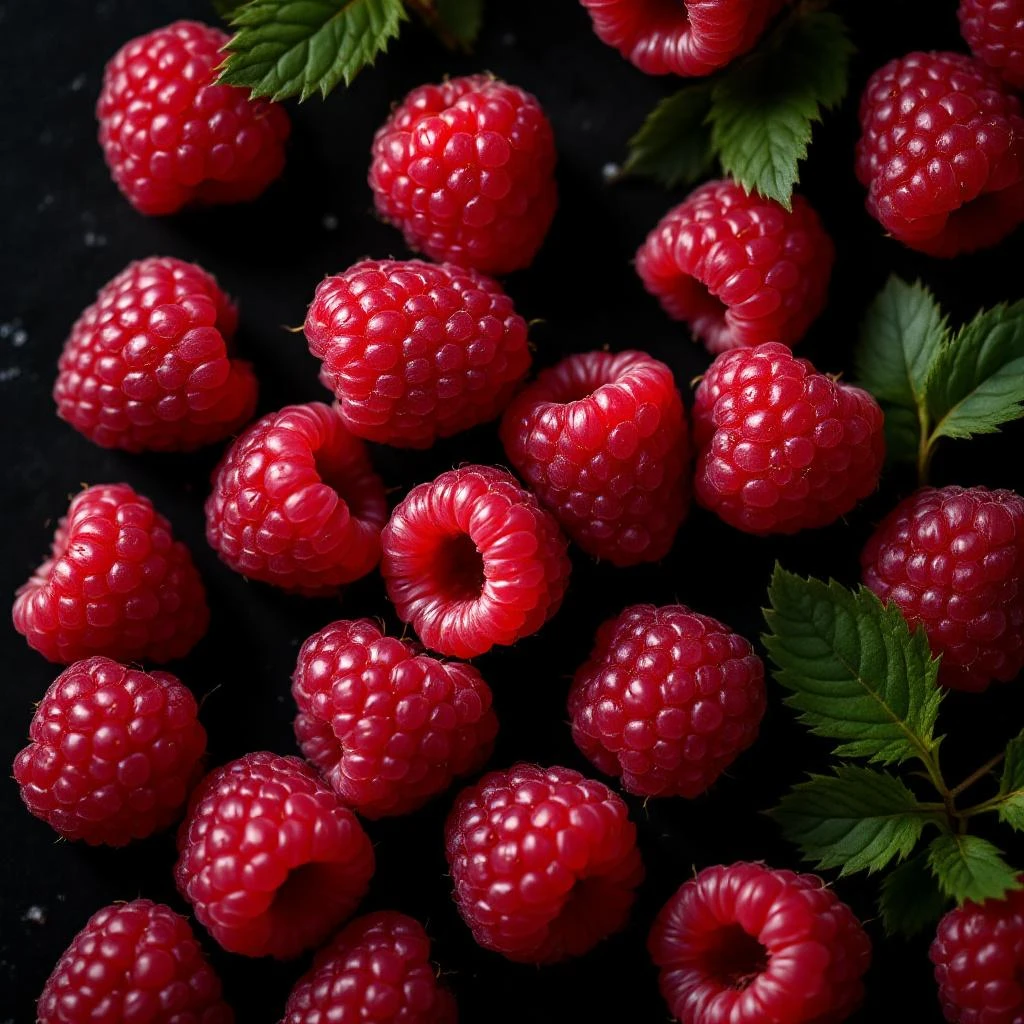
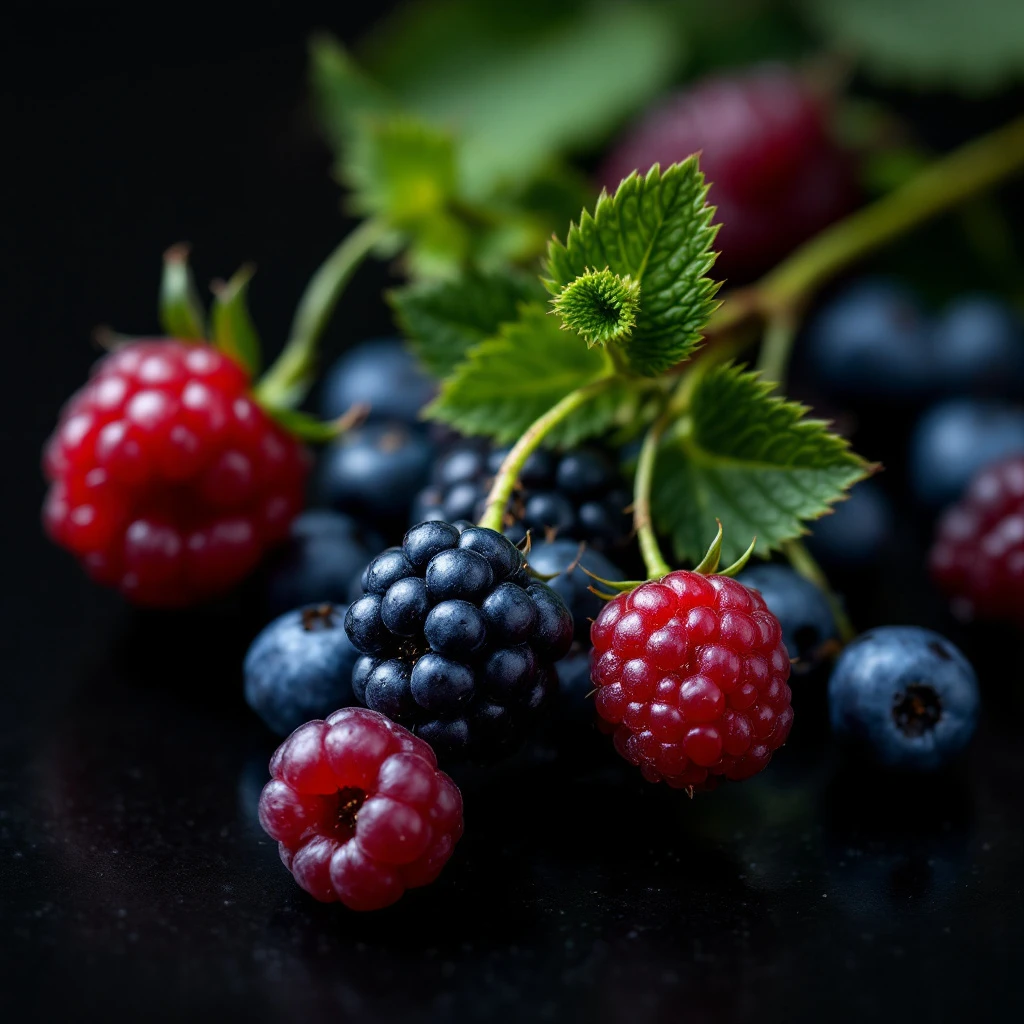
Exotic berries encompass a vibrant family of fruit notes: wild blackcurrant buds, acai, goji, and Madagascar raspberry. In perfumery, they bring tart sweetness, jammy depth, and a modern fruity brightness to compositions.
Character
How it smells
Wild fruit with a perfume twist
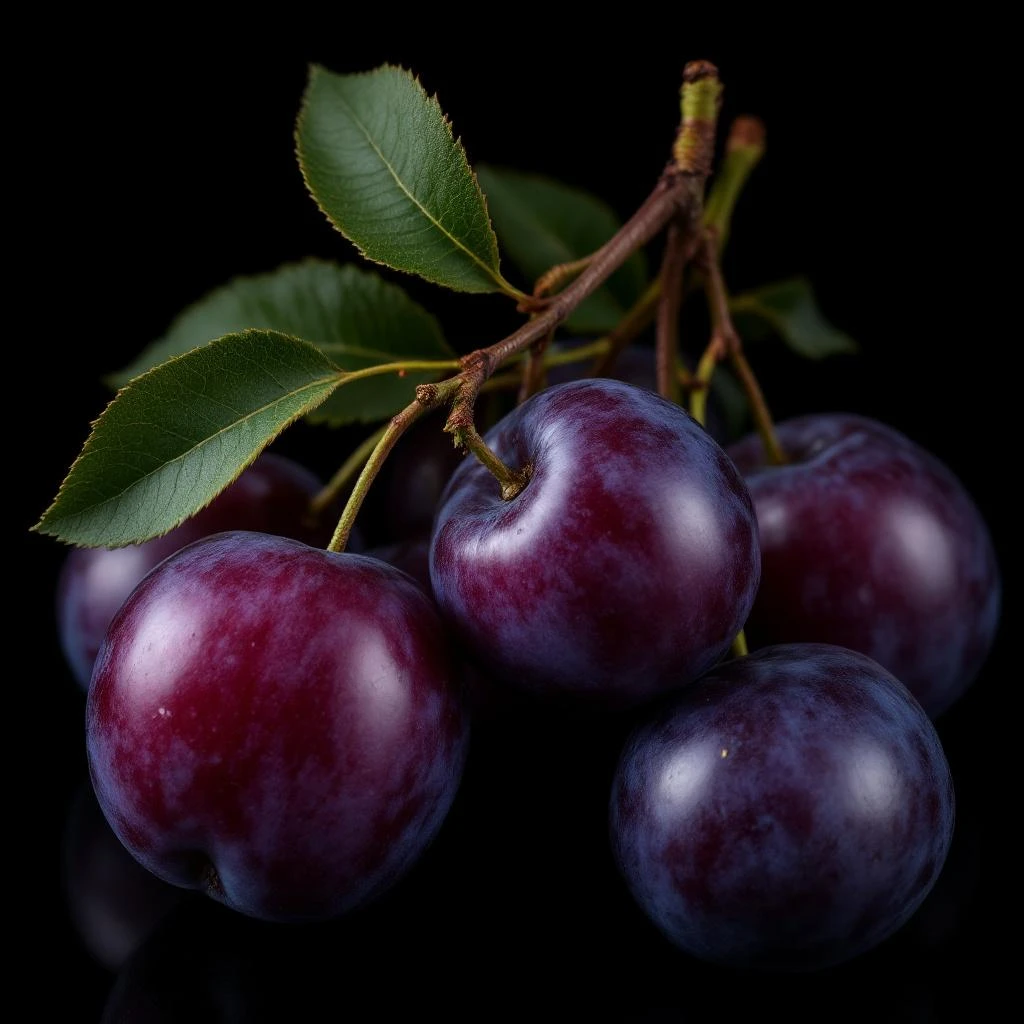
Blackcurrant buds yield the famous bourgeon de cassis absolute, one of the few perfume ingredients harvested from dormant winter buds rather than flowers or ripe fruit.





Origin
France
Berries entered perfumery long before they were bottled as such. In the late 19th century, the cassis bud became a signature material in French fragrance houses, particularly in the chypre compositions that defined early 20th-century style.
Raspberry and strawberry notes appeared in classical colognes and eaux de toilette well before modern fruity fragrances took off. The great fruity-floral wave of the 1990s and 2000s transformed berries from background players into headline accords, with brands foregrounding raspberry, blackcurrant, and pomegranate on bottles across every price tier.
In parallel, so-called superfruits from South America and Southeast Asia, including acai, goji, and cupuaçu, began appearing in niche perfumery as exotic narrative devices. Today, exotic berries span from traditional cassis bud absolute harvested in Burgundy to upcycled fruit byproducts processed in food-grade facilities.
Wears it best
Fragrances featuring Exotic Berries
Brands
Brands known for Exotic Berries
Good to know
Questions, answered
The essentials on Exotic Berries in perfumery: how it smells, where it comes from, and how it behaves on skin.
What does the exotic berries note smell like in perfume?
Exotic berries in perfume typically read as tart-sweet, jammy, and slightly green, depending on the specific fruit. Blackcurrant bud contributes a sulfurous, catty brightness, while raspberry and acai lean toward ripe, syrupy sweetness with subtle seed-like bitterness underneath.
Is the exotic berries note natural or synthetic?
Both forms exist. Natural berry absolutes, like cassis bud and raspberry, are produced through solvent extraction of real fruit or buds. However, most commercial berry notes rely partly on aroma molecules such as ethyl maltol, Furaneol, and various fruit esters to achieve stable, scalable results.
Which perfumes are known for their exotic berries accord?
Exotic berries anchor many iconic fragrances, from the cassis-driven chypres of the early 20th century to the raspberry-centered compositions of the 1990s. Modern niche and mainstream releases frequently pair blackcurrant, goji, or acai with florals and musks for a gourmand-fruity effect.
What extraction method is used for berry notes?
Berries are typically processed via solvent extraction, producing concretes and absolutes from fruit pulp or buds. Steam distillation is unsuitable for most berries because the delicate fruity top notes would be destroyed by heat, which is why solvent-based methods or synthetic reconstruction dominate.
Why are synthetic berry notes so common in perfumery?
True berry aromatics are often unstable, short-lived, or prohibitively expensive at scale. Synthetic molecules like ethyl maltol offer consistent jamminess, while esters like ethyl 2-methylbutyrate provide fresh-fruit radiance. Blending natural absolutes with these molecules balances authenticity with shelf life.
Where are exotic berries for perfume sourced?
Blackcurrant buds originate primarily in Burgundy, France, while exotic varieties like acai and cupuaçu come from the Amazon basin in Brazil. Goji berries are largely cultivated in northwestern China, and many wild berry species are harvested across Eastern Europe and the Caucasus.
Do exotic berries have a long history in perfumery?
Blackcurrant buds entered French perfumery in the late 19th century and became central to early 20th-century chypre compositions. Raspberry and strawberry appeared in colognes even earlier. The broader category of exotic berries, however, is largely a 21st-century phenomenon tied to the superfruit trend.
Are exotic berries notes sustainable to produce?
Sustainability varies by material. Cassis bud harvesting in France is generally low-impact and seasonal, while berry processing from food industry byproducts is increasingly popular for upcycling. Exotic fruit cultivation in the Amazon raises ecological concerns tied to land use, though some suppliers now pursue certifications.