Ecuadorian Gaiac Wood
Gaiac wood oil reveals a smoky, rosy-tinged warmth with a faintly medicinal edge, distilled from the dense heartwood of a slow-growing South American tree prized since the 1800s.

Character
How it smells
Smoldering heartwood with a whisper of rose.
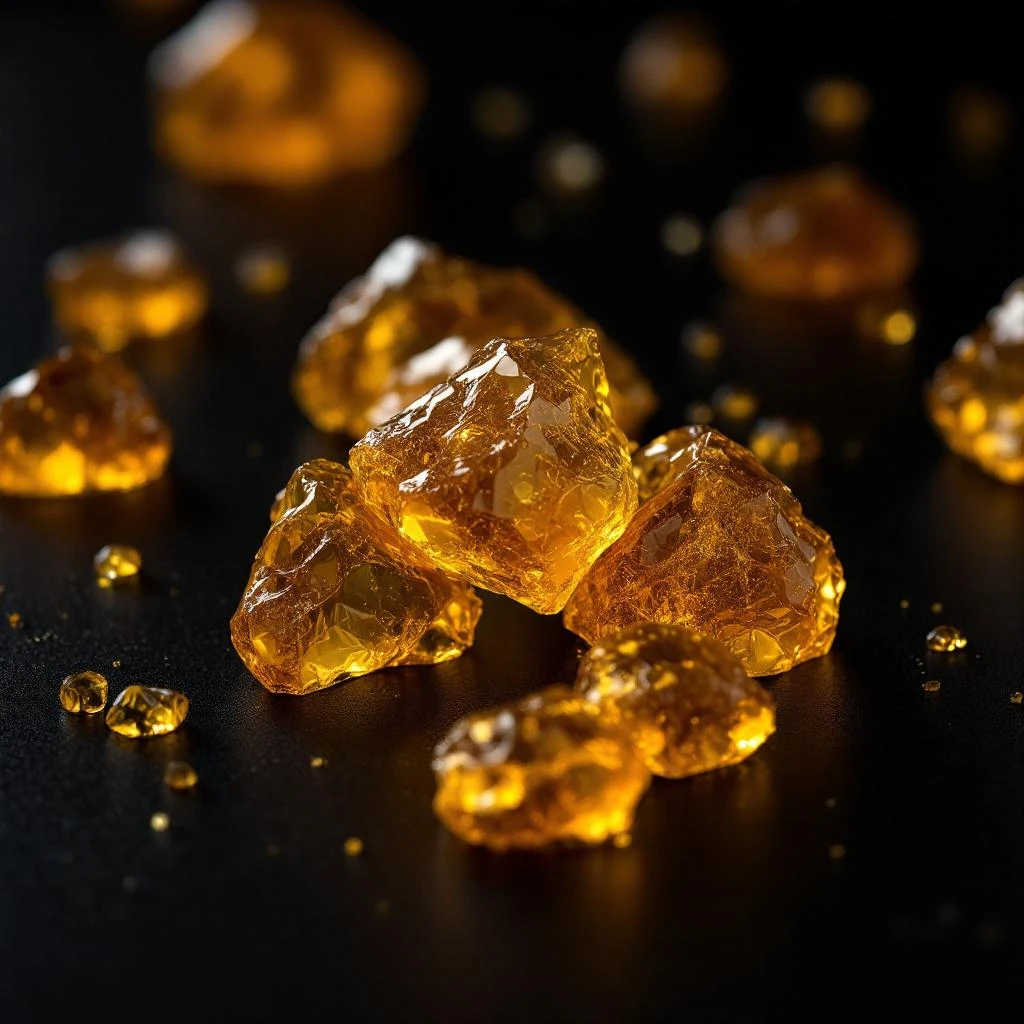
Gaiac wood oil develops a pink hue when exposed to air, caused by oxidation of its sesquiterpene compounds.




Origin
Ecuador
Indigenous communities across South America burned Palo Santo wood for centuries in ceremonial smoke, calling it the tree of life long before European contact. Spanish and Portuguese traders carried samples to Europe by the 16th century, where the wood entered apothecary cabinets as a remedy for syphilis and rheumatism.
By the 19th century, Venezuelan and Paraguayan gaiac had become a standard ingredient in Parisian and London perfumery compounds, prized for its fixative qualities and warm base tone. Chemists in that era also identified guaiacin, a crystalline compound that precipitates from the oil over time, confirming the material's distinct chemistry from related woods.
The 20th century brought concerns about overexploitation, and Bulnesia sarmientoi was listed under CITES Appendix II in 2010 to regulate international trade. Today, Ecuadorian production is recognized for its slightly sweeter, less smoky profile compared to Paraguayan material.
Wears it best
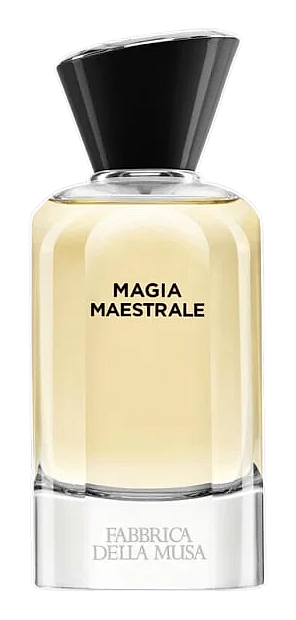
Fragrances featuring Ecuadorian Gaiac Wood
Brands
Brands known for Ecuadorian Gaiac Wood
Good to know
Questions, answered
The essentials on Ecuadorian Gaiac Wood in perfumery: how it smells, where it comes from, and how it behaves on skin.
What does Ecuadorian Gaiac Wood smell like in perfume?
Ecuadorian Gaiac Wood offers a smoky, tea-like aroma with soft rose and violet undertones and a faint medicinal warmth. It dries down to a creamy, slightly sweet wood base, making it a common anchor in masculine and oriental compositions.
Is Gaiac Wood the same as Palo Santo?
Yes. Gaiac wood oil is distilled from Palo Santo (Bulnesia sarmientoi), a tree native to dry South American forests. The English perfumery name comes from the older botanical term Guaiacum, though modern commercial oil comes from Bulnesia rather than true guaiac species.
How is Gaiac Wood oil produced?
Mature trees are felled, and the heartwood is chipped and steam distilled for 8 to 14 hours. The process yields roughly 1.5 to 3 percent essential oil, which thickens and shifts to a pink-brown color as it oxidizes.
Is Gaiac Wood sustainable?
Concerns about overharvesting led to Bulnesia sarmientoi being listed under CITES Appendix II in 2010. Today, certified sustainable operations rely on managed forestry and replanting cycles rather than wild extraction alone.
What is Gaiac Wood oil used for in perfumery?
Perfumery uses Gaiac Wood primarily as a base note and fixative. Its smoky warmth extends the longevity of lighter florals and citruses while adding depth to fougère, chypre, and oriental fragrance families.
How does Ecuadorian Gaiac Wood differ from Paraguayan?
Ecuadorian Gaiac Wood tends to be slightly sweeter and less smoky than Paraguayan material, which is often more resinous and intense. Both come from the same species but reflect differences in soil, climate, and tree maturity.
Why does Gaiac Wood oil turn pink?
Gaiac Wood oil oxidizes on exposure to air, causing sesquiterpene compounds like guaiol to form colored derivatives. This natural reaction gives aged oil its characteristic pinkish hue without affecting aromatic quality.
Can Gaiac Wood oil be substituted with synthetics?
Synthetic molecules such as Guaiyl acetate and Iso E Super can approximate parts of gaiac wood's warm, woody character. However, perfumers note that fully replicating the natural oil's smoky-rosy complexity remains difficult.



