Eastern Arborvitae
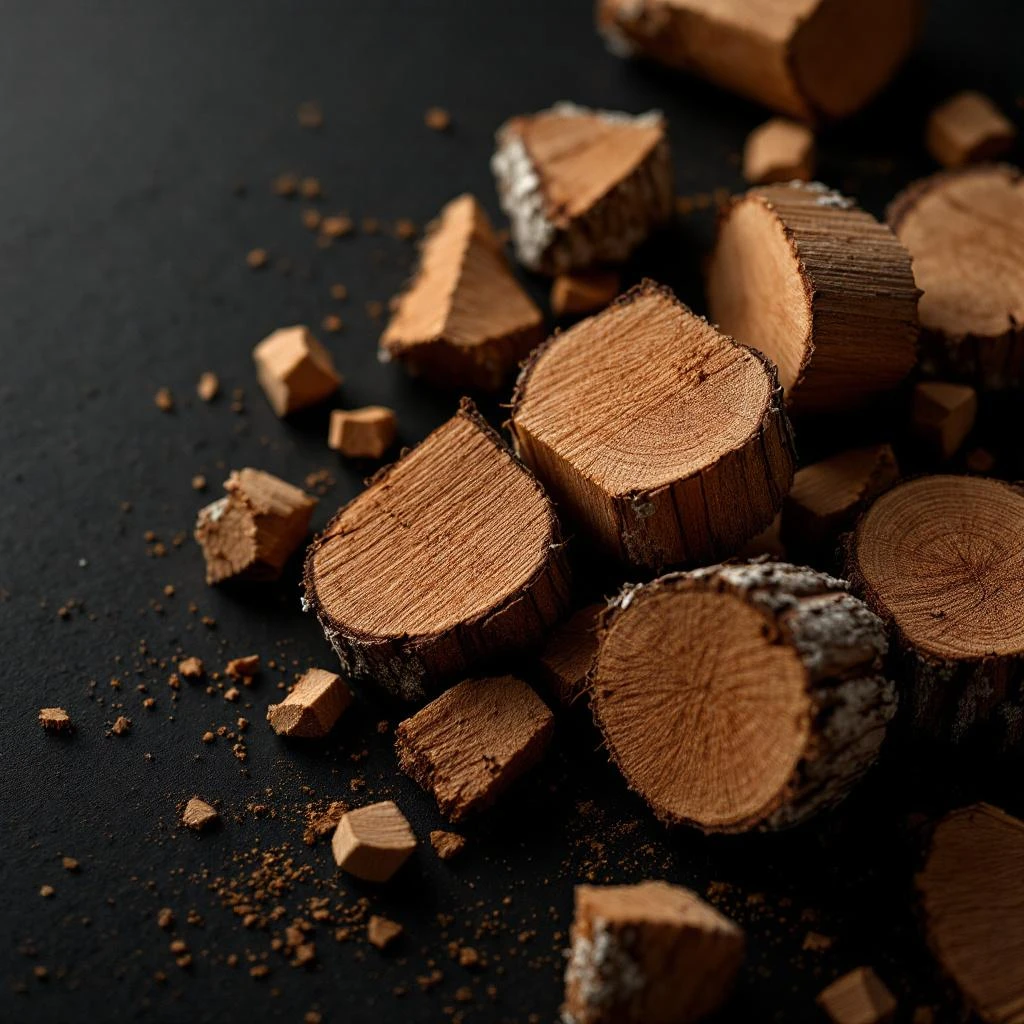
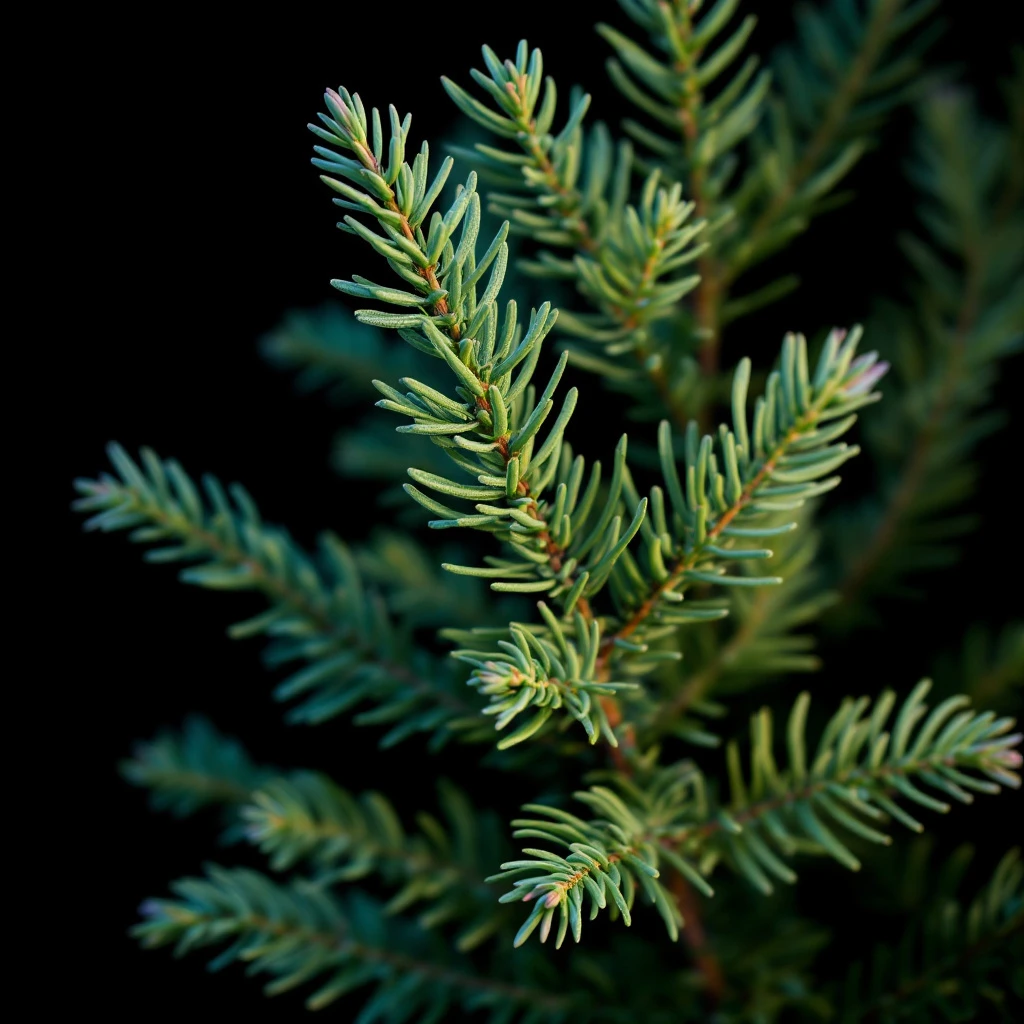
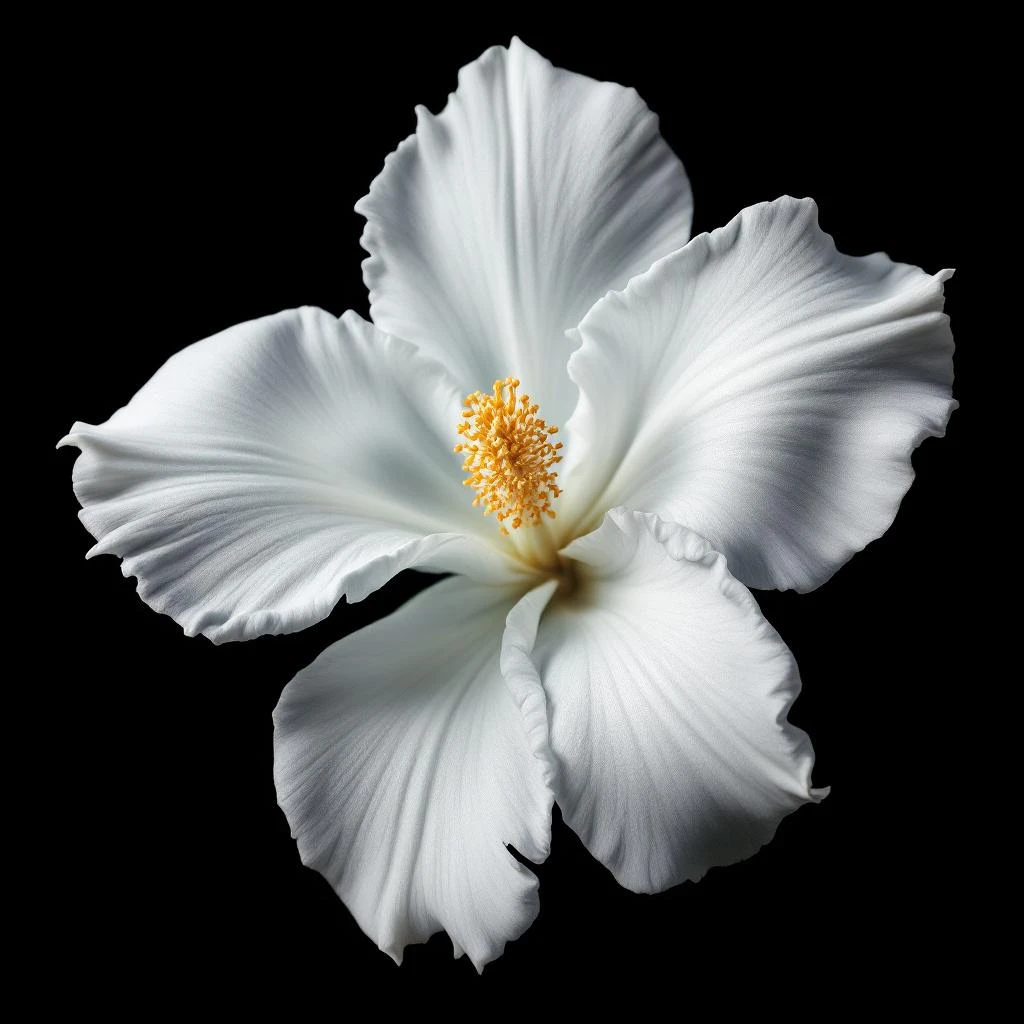
Eastern arborvitae brings a crisp, resinous woodland character, shaped by fragrant heartwood and foliage-rich oils.
Character
How it smells
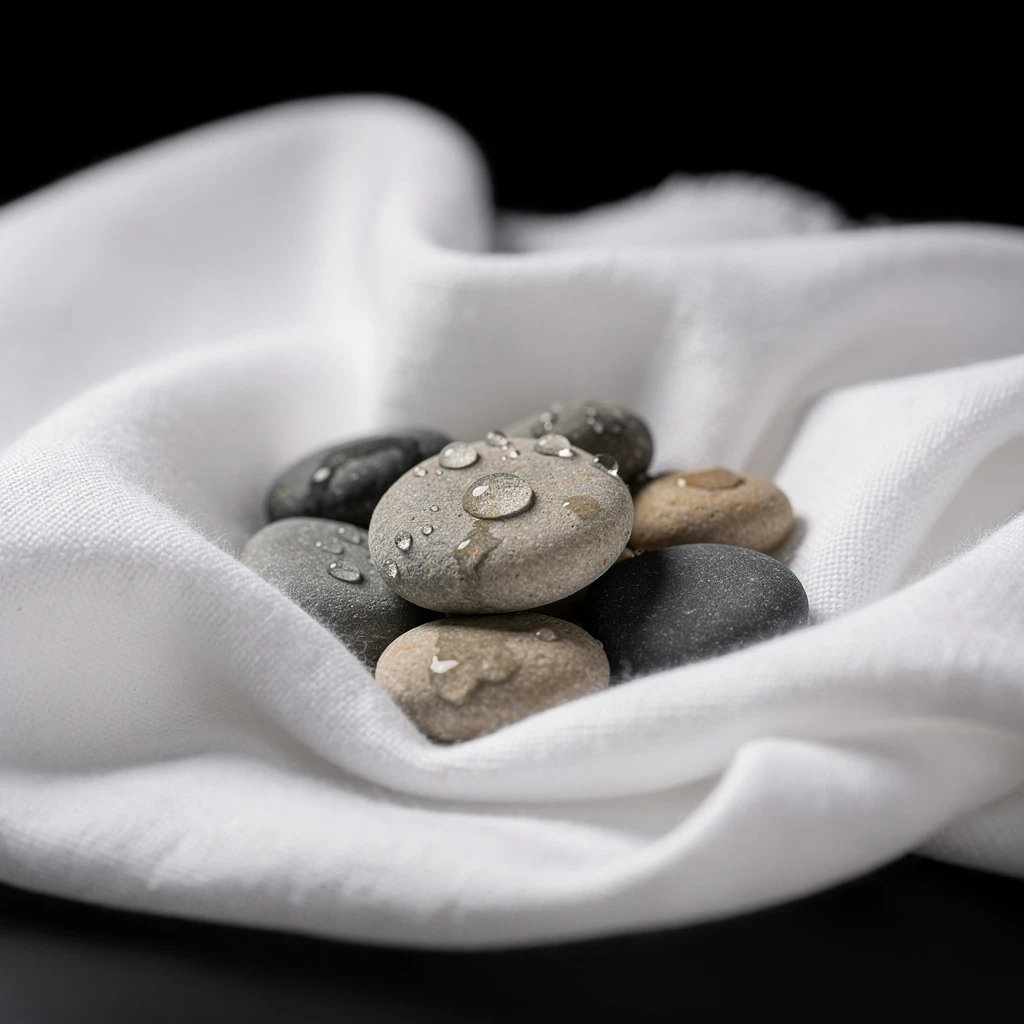
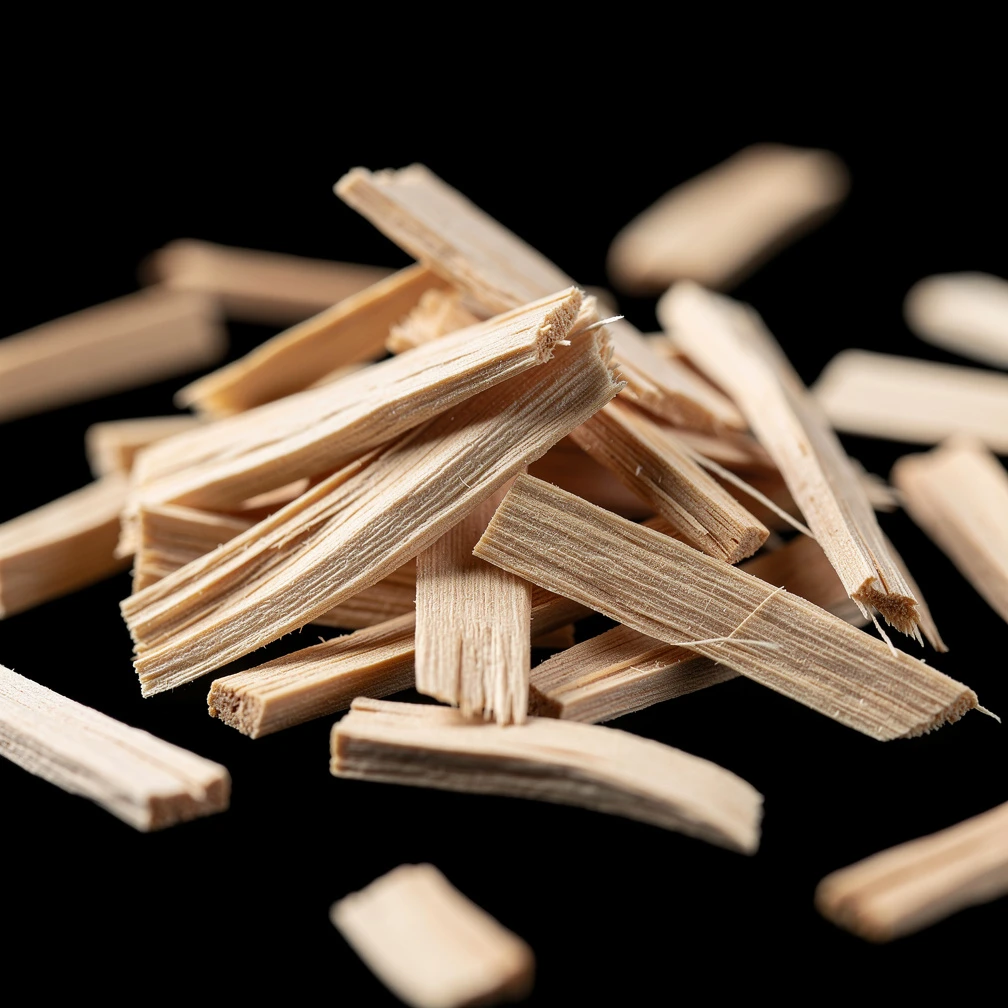
Crisp resin, dry leaves, and northern woodland air.
Arborvitae oils can contain thujone-rich compounds, giving the material a distinctive, herbaceous edge.
Origin
United States
Eastern arborvitae has a long history of practical use in North America, where it appears in Indigenous, colonial, and later botanical traditions. The tree, Thuja occidentalis, served as a source of medicinal materials, fencing, construction, and aromatic preparations. Its foliage and twigs have traditionally been associated with clean, resinous scents, including uses in steamy baths, household preparations, and early aromatic products.
The modern fragrance industry later recognized arborvitae oil as a source of fresh, natural green notes. Its place in perfumery is less about ceremonial luxury and more about the direct character of the plant: living foliage, dry twigs, and polished cedarwood. As botanical extraction expanded during the nineteenth and twentieth centuries, oils from leaves and twigs helped perfumers create more convincing outdoor and woodland accords.
Today, eastern arborvitae remains a distinctive regional ingredient, valued for a crisp aromatic edge that sits between herbal, resinous, and woody.
Wears it best
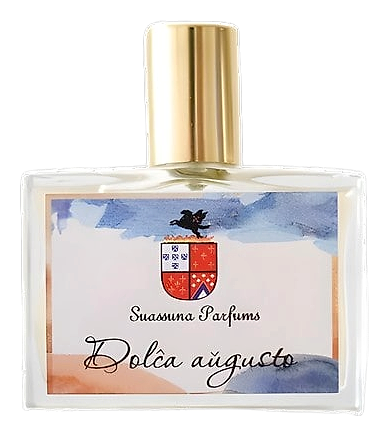
Fragrances featuring Eastern Arborvitae
Brands
Brands known for Eastern Arborvitae
Good to know
Questions, answered
The essentials on Eastern Arborvitae in perfumery: how it smells, where it comes from, and how it behaves on skin.
What does eastern arborvitae smell like in perfume?
It gives a crisp, green, resinous scent with dry woody and slightly camphoraceous facets. The foliage and twig character often reads more herbal and forest-like than the smooth warmth of cedarwood.
Which part of the eastern arborvitae tree is used for fragrance oil?
Fragrance oil is usually made from the leaves and twigs, sometimes with young woody branches included. These materials carry the clearest aromatic profile and are commonly processed by steam distillation.
Where is eastern arborvitae native?
Eastern arborvitae is native to northeastern North America, especially Canada and the northeastern United States. It grows widely in cool forests, wetlands, and disturbed areas across its native range.
Is eastern arborvitae the same as cedarwood?
Eastern arborvitae is a distinct species from the true cedars of the Cedrus genus. In fragrance descriptions, it often shares a woody family resemblance with cedar, but its profile is greener and more herbaceous.
How is eastern arborvitae oil extracted?
The leaves and twigs are steam distilled, which releases volatile aromatic compounds as essential oil. The process preserves the plant’s fresh, resinous character while separating the fragrance from the raw material.
Does eastern arborvitae oil contain thujone?
Eastern arborvitae oil can contain thujone-related compounds, depending on the plant material and processing method. These contribute to its characteristic herbal, slightly camphoraceous edge.
Why do perfumers use eastern arborvitae oil?
Perfumers use it to add fresh green notes, resinous structure, and a woodland effect in small amounts. It can make a composition feel more natural, especially alongside woods, mosses, citrus, and herbal materials.
Is eastern arborvitae oil safe to use in fragrance?
Its use depends on the final formulation, concentration, and applicable cosmetic regulations. Thujone-containing oils require careful handling and are generally controlled rather than treated as interchangeable with conventional cedar oils.