Dried Lemon
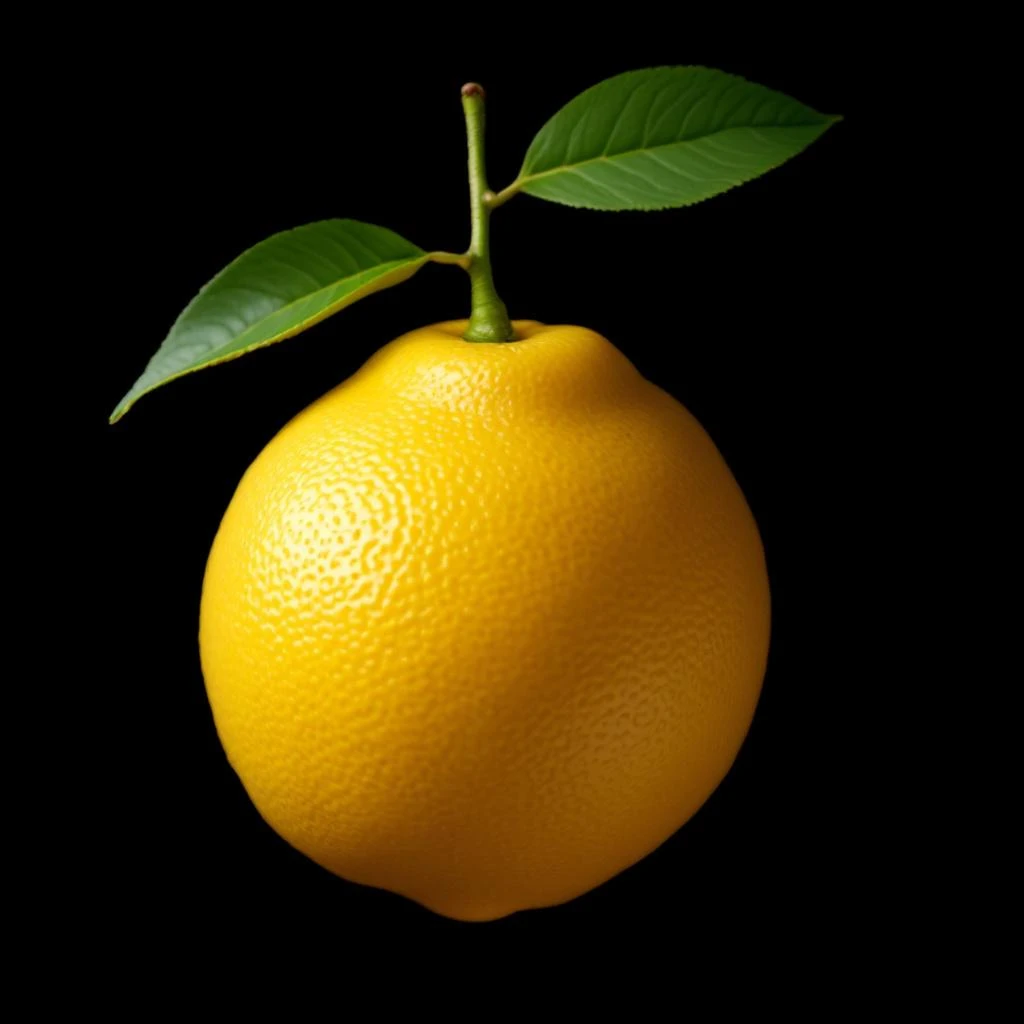
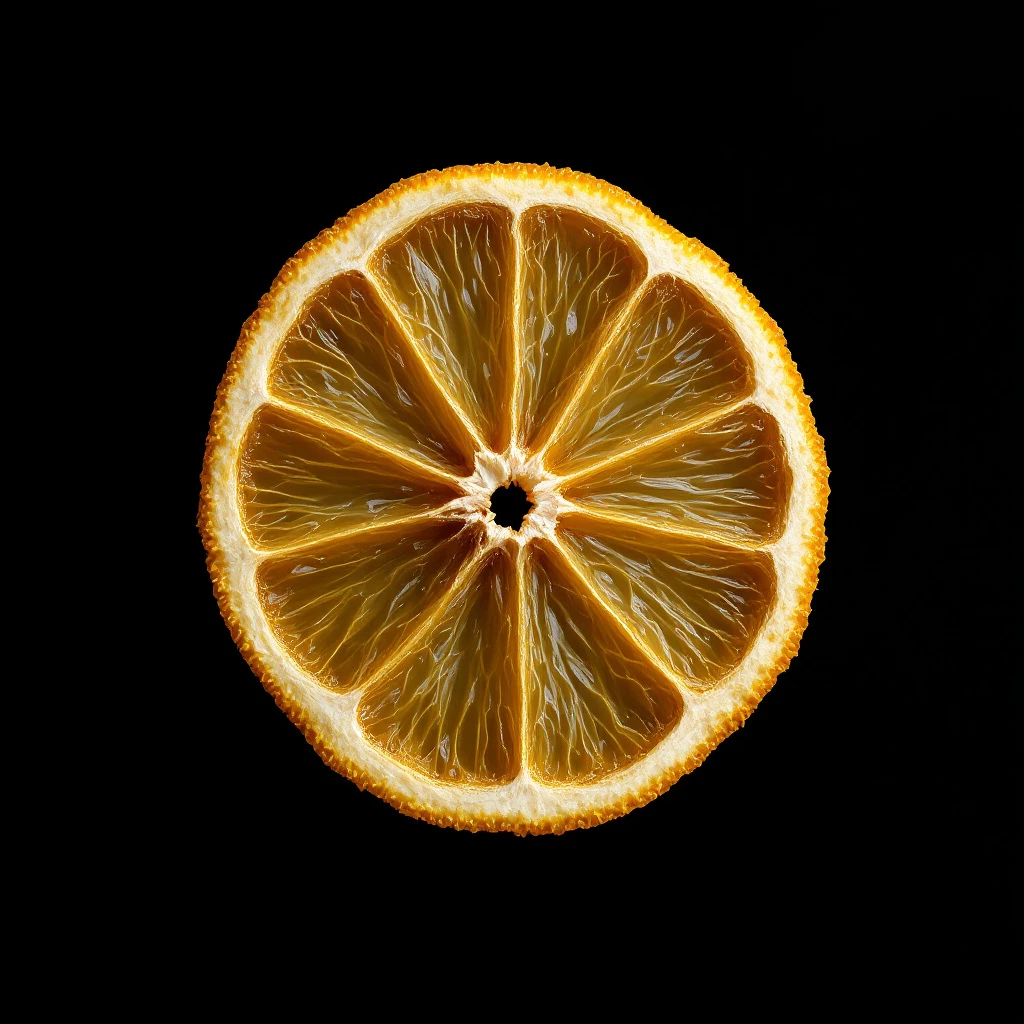
Dried lemon peel delivers a sharper, sun-baked brightness compared to its fresh counterpart. The dehydration process concentrates citrus oils, stripping away watery top notes for something resinous, slightly tangy, and unexpectedly warm.
Character
How it smells
Sun-cured zest with a slow burn
Drying lemon peel concentrates citral, the compound behind lemon's signature scent, by up to 300%, transforming a fleeting aroma into something that lingers for hours.




Origin
Italy
Dried citrus peel has roots in ancient preservation practice, predating perfumery itself. Chinese, Mediterranean, and Middle Eastern cooks dried lemon, bergamot, and bitter orange peels for both medicine and trade, recognizing that dehydration amplified and stabilized their aromatic qualities. By the medieval Islamic period, dried citrus peel found its way into early distillation experiments, where alchemists noticed the material yielded richer oils than fresh fruit.
Italian and Spanish perfumers of the Renaissance incorporated dried citrus into solid perfumes, pomanders, and sachets. The practice spread through European apothecaries by the 1600s. In modern perfumery, dried lemon note gained popularity in the 20th century as formulators sought longer-lasting citrus accords.
The process solves a persistent problem: fresh lemon top notes evaporate within minutes, but dried citrus materials anchor compositions for hours.
Wears it best
Fragrances featuring Dried Lemon
Brands
Brands known for Dried Lemon
Good to know
Questions, answered
The essentials on Dried Lemon in perfumery: how it smells, where it comes from, and how it behaves on skin.
What does dried lemon smell like in perfume?
Dried lemon smells sharper and more resinous than fresh lemon, with concentrated citrus brightness and subtle tangy warmth. The dehydration removes watery top notes, leaving an aroma that behaves more like a heart note in fragrance compositions.
How is dried lemon peel processed for perfumery?
Producers cure fresh peels through air-drying or low-heat treatment, then extract the concentrated oils via solvent extraction or steam distillation. This process amplifies natural citral content compared to fresh-peel processing.
Is dried lemon a top or heart note?
Dried lemon functions primarily as a heart note in modern perfumery. Its concentrated, less-volatile character gives it longevity that fresh lemon top notes cannot achieve.
Why do perfumers use dried lemon instead of fresh lemon?
Fresh lemon oils evaporate within minutes on skin, limiting their role in fragrance. Dried lemon materials offer the same citrus character with stability that lasts hours, making them more useful in complex compositions.
Where is dried lemon peel sourced for perfumery?
Italy and Spain lead production, growing Mediterranean lemons prized for thick, oil-rich peels. Sicily's coastal climate produces particularly aromatic fruit suitable for drying and extraction.
What is the difference between dried lemon essential oil and absolute?
Steam-distilled dried lemon essential oil appears pale yellow with a clean, intense citrus profile. Solvent-extracted absolute carries deeper, slightly waxy undertones due to the broader range of compounds captured.
Does dried lemon contain allergens?
Yes. Dried citrus materials retain limonene, citral, and linalool, all classified as potential allergens under EU cosmetic regulations above certain concentration thresholds.
Can dried lemon peel be used in natural perfumery?
Absolutely. Dried citrus peel extracts qualify as natural ingredients under IFRA and most natural certification standards, provided no synthetic adulterants are added during processing.